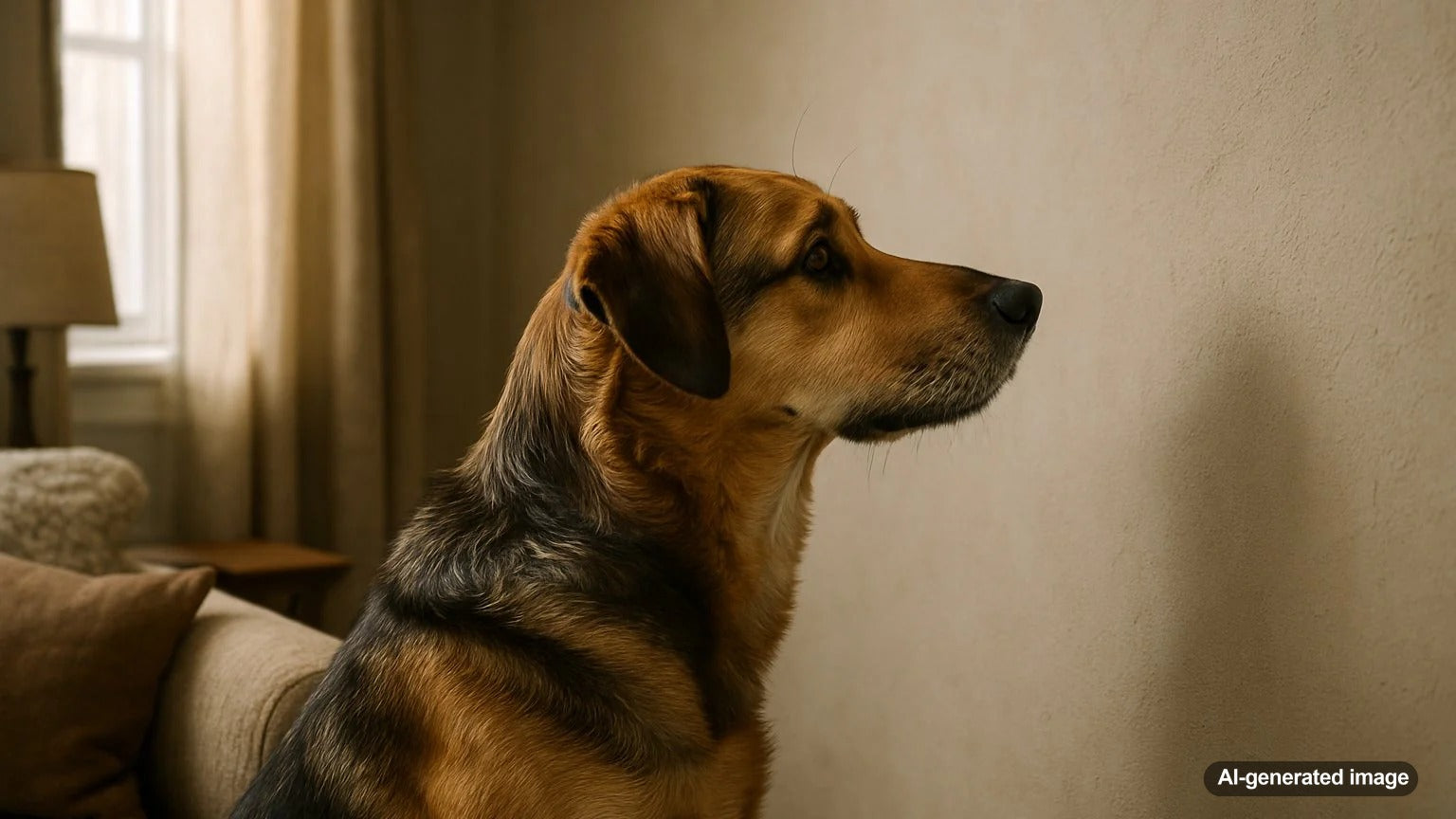
If you’ve ever walked into a room and found your pup frozen mid-stare, eyes locked on a blank wall, you might have wondered: "Why Does My Dog Stare at Walls?" It’s one of those odd canine behaviors that makes us smile, scratch our heads and sometimes worry a little. Your dog’s silent vigil may be curious, harmless—or it may be a sign that something deeper is going on.
In this post we’ll walk through the most common reasons your dog might be staring at walls, how to tell when it’s normal vs. when you should get the vet involved, and how you can help redirect your pup’s attention (rather than just watching the wall with them!). Along the way we’ll weave in how your go-to gear from Woof can support your dog’s health, enrichment and peace of mind.
It’s often just their senses doing overtime
Dogs live in a sensory world we can’t fully perceive. Their hearing is sharper. Their sense of smell is far stronger. So when your dog fixates on that beige patch of drywall, chances are they’ve picked up something you didn’t—maybe a mouse skittering in the wall, a faint water drip piping through, or a tiny bug crawling in the corner. According to the American Kennel Club this is one of the more likely reasons. You can test this quietly—sit nearby, listen, watch if your dog tilts their head or curls the ears. If they snap out of it when you call their name, they’re probably just listening in on something we don’t hear.
Boredom, under-stimulation or attention-seeking
Sometimes the staring isn’t about ghosts or wall-critters—it’s about boredom or wanting your attention. Dogs that aren’t getting enough mental or physical activity may start doing unusual things, like staring at a spot on the wall, just because something little caught their interest or because they’re bored. If you’ve reinforced that staring with a laugh, pet, or treat (even inadvertently), your dog may see that wall as a reliable “something interesting happens here” zone. This is where redirecting attention becomes powerful: instead of letting the stare go unchecked, bring out a enrichment activity or a chew designed for high-energy focus—like the HonestChew chew bone from Woof.
Signs of concern: when the stare might signal more
While many wall-stares are harmless, if you notice the behavior becoming frequent, prolonged, or accompanied by other changes (disorientation, pacing, bumping into things, staring into space, head pressing), it may be time to consult your veterinarian. Conditions such as Canine Cognitive Dysfunction (like dementia in older dogs), partial seizures, vision problems or compulsive behaviours have been linked to wall-staring. Health experts emphasise: it isn’t about ghosts—it’s about your dog’s brain, body and environment.
What you can do right now to help
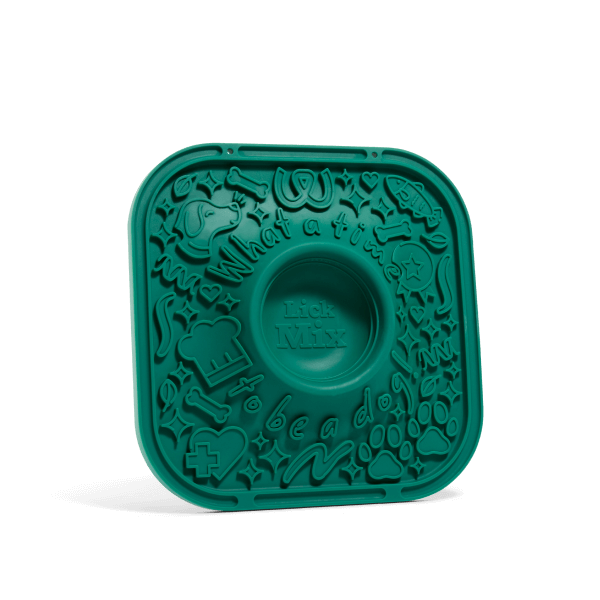
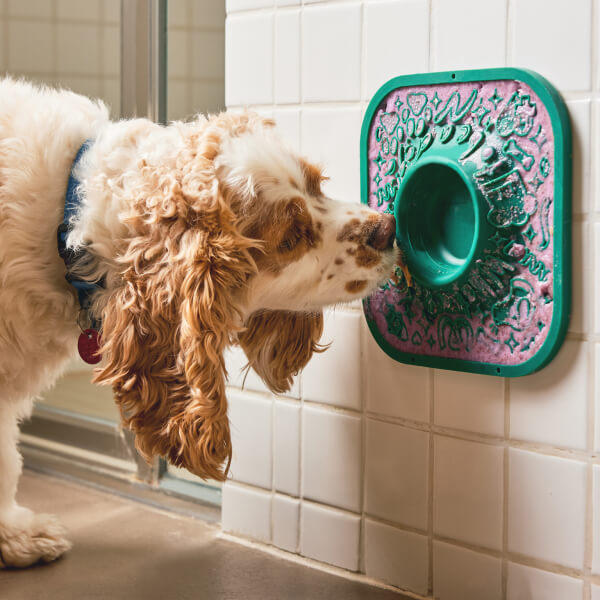
First, observe. Keep a short log of when the staring happens: what time, how long, what part of the wall, what was happening just before. Second, distract and redirect—give your pup an interactive chew or focus toy instead of letting wall-watching become a habit. The LickMat or the Pupsicle from Woof are great for giving your dog something positive to engage with, especially if they seem restless or under-stimulated. Third, enrich their environment. Daily walks, new smells, different textures, a training session, or a durable chew like the HonestChew duo set (HonestChew Duo) help keep their mind busy and less likely to fixate on a blank wall.
When it’s time to talk to the vet
If your dog’s staring at the wall is sudden, persistent, or coincides with other symptoms (changes in appetite, bathroom habits, sleep-wake cycle, stumbling, circling, head pressing), make that call to the vet. Early detection of cognitive decline or neurological conditions gives you greater options for care and quality of life. Armed with your observation notes (time, duration, position, other behaviours) you’ll be able to give your vet specific details that can make a difference.
Wrap-up: give your dog more than a blank wall
So the next time you catch your dog in a trance-like stare at the wall, take a breath. It might just be their super-senses at work, it might be a quiet “I’m bored” moment, or in rarer cases it might be a sign of something deeper. Either way the power is in your response: observe thoughtfully, redirect kindly, enrich their day. With the right tools—like the chew, enrichment and interactive options from Woof—you’ll be helping your dog feel seen, heard and engaged rather than fixed on a patch of drywall.
Your pup deserves all your attention, not the wall. Let’s give them more purpose than that.