


























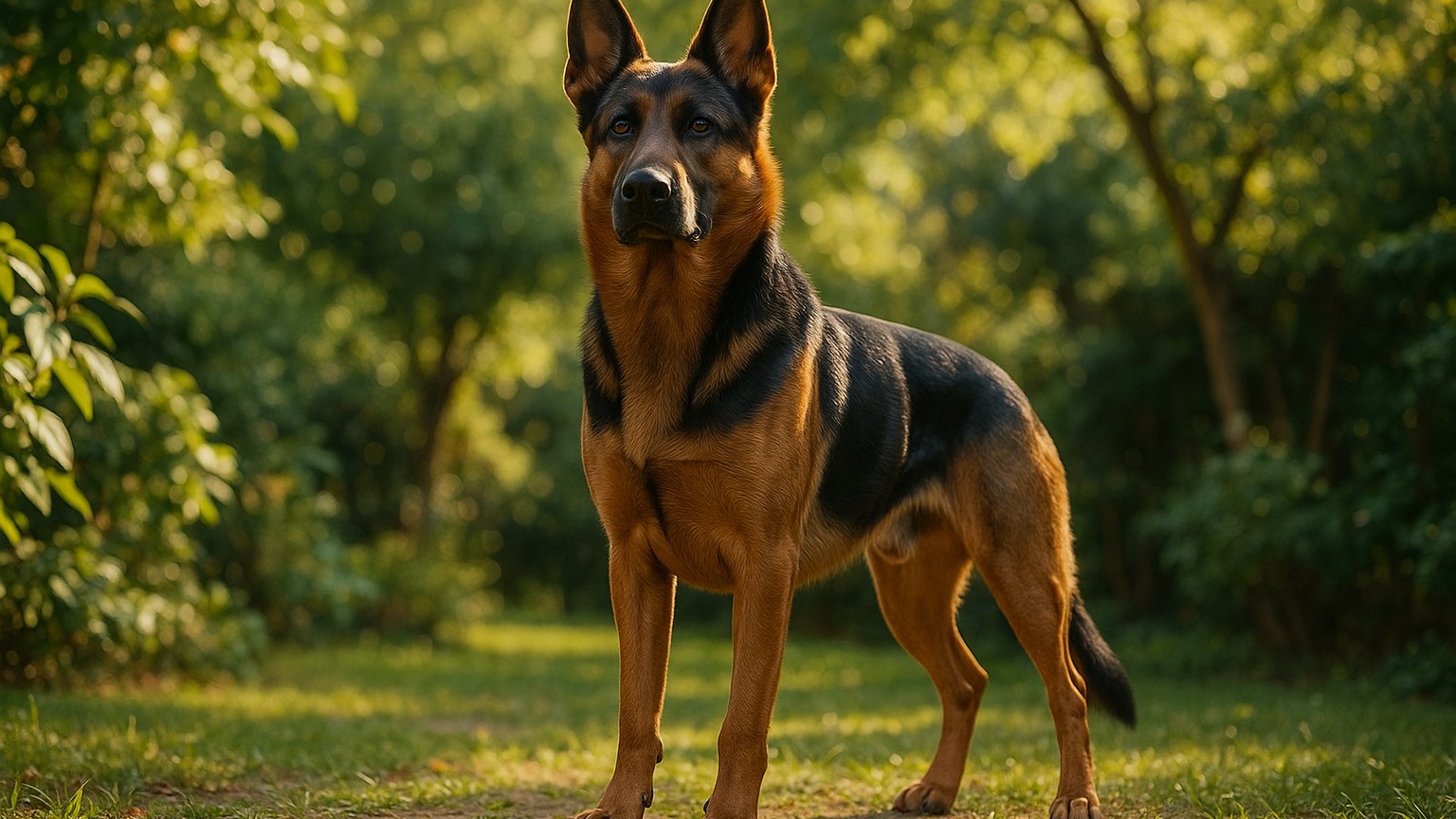
Have you ever paused mid-throw of your pup’s favourite toy and wondered, “What are dominant traits in dogs?” It’s a question that invites curiosity, compassion and a little bit of detective work. In the world of our four-legged companions, dominant traits don’t always mean aggression or control—rather, they often reflect instinct, personality and how we meet their needs.
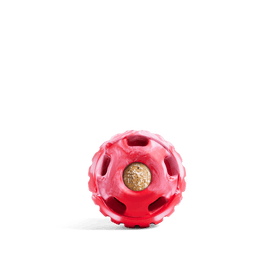
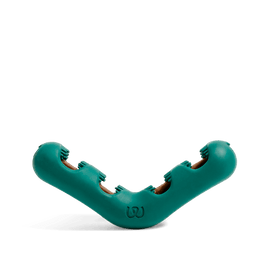
At Woof, we believe every dog brings a unique blend of genetics, upbringing and temperament into your home. Recognising the dominant traits in your dog isn’t about assigning labels—it’s about tuning into their inner world, using smart tools like the Flyball or the Walkabout to support their drive, and building a partnership rooted in trust. Let’s explore how these traits arise, how they show up and how to channel them into joyful engagement and enrichment.
Genetics and Instinct: The Roots of Dominant Traits
From the moment your puppy takes that first breath, nature has already laid groundwork. Some traits are dominant genetically—meaning they’re more likely to be expressed when specific genes show up. For example, coat colour, snout shape and size can follow clear patterns. But when we look at behaviour, “dominant” doesn’t mean a dog born with a “bossy” gene—it means there are strong drives at work.
Consider dogs bred for guarding, herding or retrieving: their instincts are hard-wired. Without proper outlets, a dog might push the boundaries, insist on leading walks or guard valued items, simply because their internal drive isn’t being channelled. Recognising that instinct gives you the power to meet your dog where they are and help them thrive.
How Dominant Traits Appear in Everyday Life
Here’s where things get interesting: dominant traits often show up in subtle ways before they escalate. That pull on the leash, the refusal to give up a toy, the way your pup maneuvers into the centre of the room—these are speakings of preference, control and resource prioritisation.
For example, resource-guarding (whether it’s food, toys or space) is one of the most common expressions of dominant behaviour. A dog might stiffen, growl or snap when someone approaches their food bowl—not because they’re inherently bad, but because they’re protecting something they value. Other signs share the flavour of “I want this – I value this – I’m in control of this moment.” You might recognize attention-stealing, mounting, or forcing their way into walks as more than just cute quirks—they’re signals.
Why Dominance Isn’t Always About ‘Bossiness’
It’s important to clear up a common misconception: dominance in dogs is **not** the same as being the “alpha” or “boss” of the house. In modern behaviour science, dominance is seen as a relationship between individuals and access to resources, not a personality label. Dogs don’t wake up deciding to “run the show”—they respond to patterns, boundaries and opportunities.
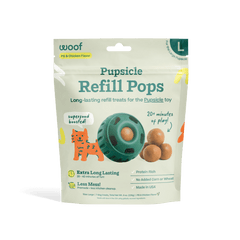
When owners try to solve dominant behaviour with harsh control or punishment, it often backfires. Instead of respect, it breeds fear or anxiety. In contrast, when we build a clear and kind structure, giving our dog consistent boundaries and enriching outlets—like our Woof Puzzle Treats—we invite cooperation, not conflict.
Harnessing Dominant Traits for Positive Enrichment
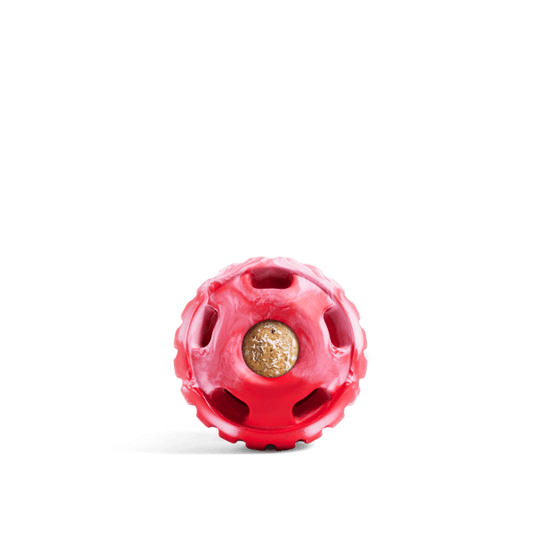
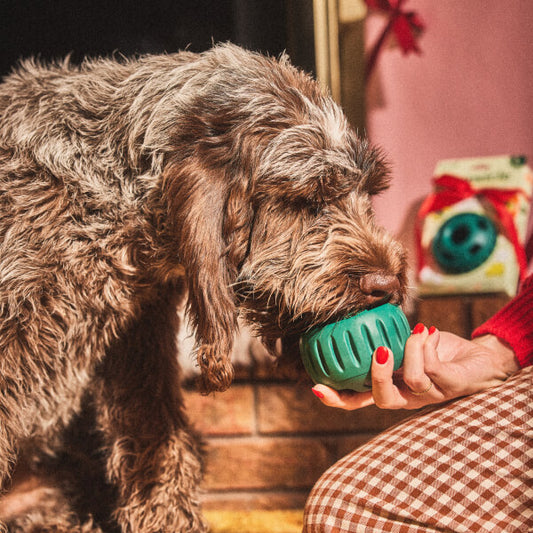
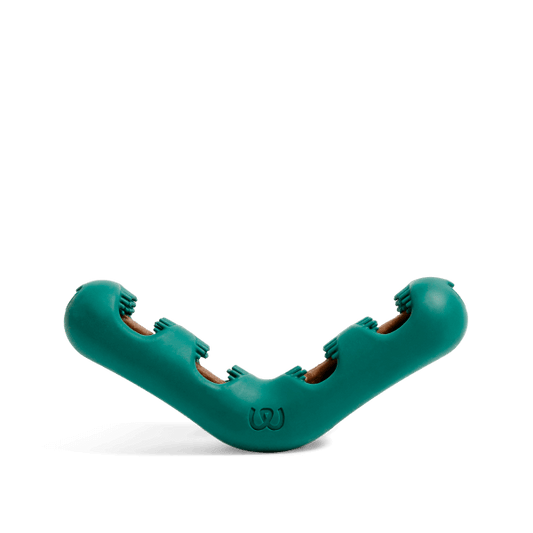
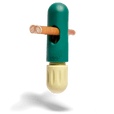
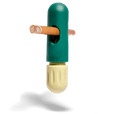
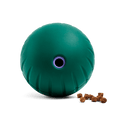
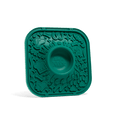
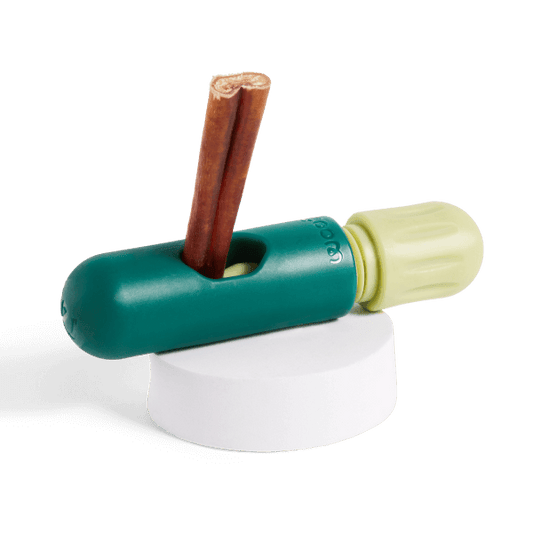
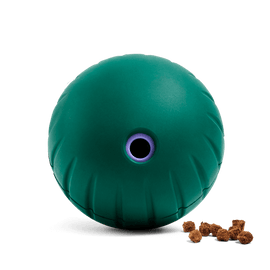
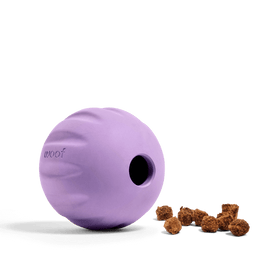
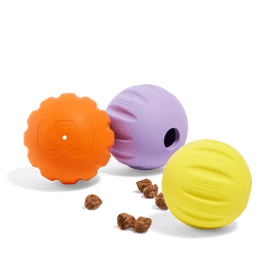
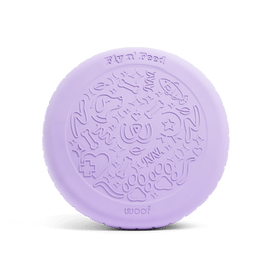
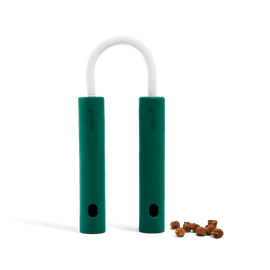
Here’s where the magic happens: channeling dominant traits into something that makes your dog feel thriving, not thwarted. First, give them jobs and mental challenges—they’re not just pets, they’re dogs with purpose. Feeding time becomes playtime with the Fly N’ Feed, turning instinct into fun. The Walkabout turns meal time into movement and engagement. These tools support drive, reduce stress and deepen the bond you share.
Second, aim for structure and consistency. Clear rules, consistent expectations, all family members pulling in the same direction. That helps your dog feel safe in their role and less compelled to push boundaries. Third, devote time to training and connection—simple obedience, impulse control, calm leadership. When your dog trusts your guidance, they feel less need to assert themselves.
When to Seek Help—and How We Can Help
If your pup is showing intense guarding, controlling behaviour, repeated conflicts with other dogs or people, it’s time to tap into professional support. A vet check can rule out pain or medical causes. A behaviourist can create a tailored plan. Dominance isn’t the enemy—it’s a signal that your dog needs clarity, connection and purpose.
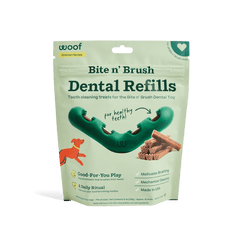
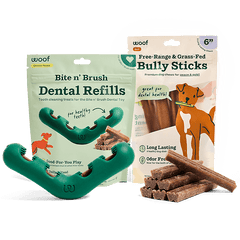
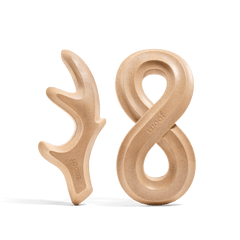
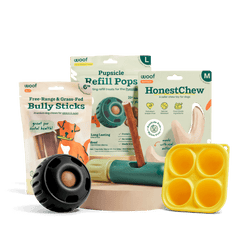
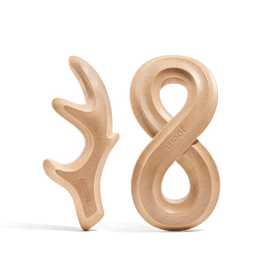
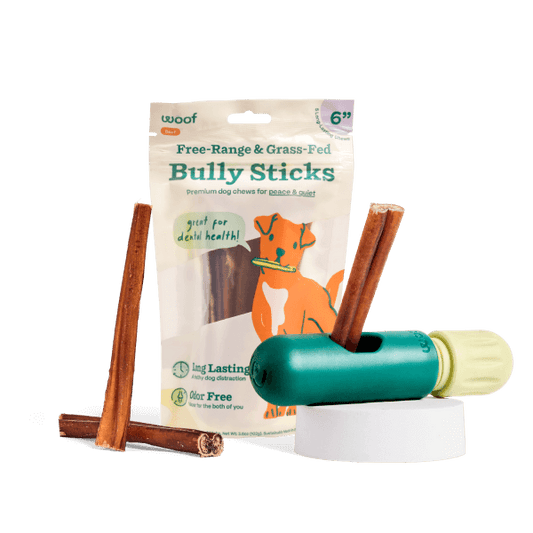
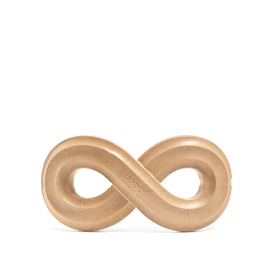
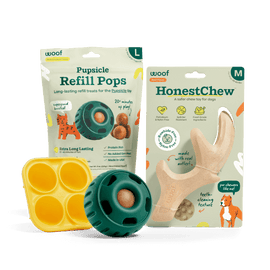
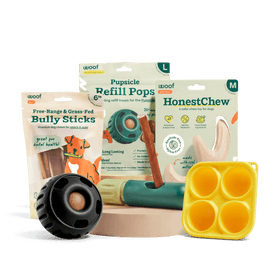
Meanwhile, at Woof we’re here to support you. From our durable chew-bones like our HonestChew (for the dog who needs to gnaw and reset) to our enrichment toys and treat systems, we’ve built a toolkit for the rooted-in-instinct, make-it-work-for-you dog. Because when your dog’s dominant traits are met, respected and channelled, you’ll witness calm confidence, joyful play and a deeper bond than ever.
So next time you ask yourself, “What are dominant traits in dogs?” remember: it’s not about dominance in a negative sense—it’s about recognising that your dog is trying to tell you something. Give them structure. Give them enrichment. Give them the tools to shine. And watch your companion thrive—not just as a pet, but as a partner in life.