


























Curious things happen the moment certain words leave your mouth, especially if you share your life with a dog. Say one word and you get a full-body tail wag, perked ears, and Olympic-level zoomies. Say another and suddenly your dog develops a mysterious case of selective hearing. Right here, this is where Best Sellers Collection moments are born, because understanding how dogs process words can help you turn everyday interactions into joyful, enriching experiences.
If you have ever tested the power of the word "walk" versus the word "vet," you already know the results are wildly different. Let's unpack why that happens, what it means for your dog's emotional world, and how you can use that knowledge to build trust, engagement, and a lot more tail wags.
Why Dogs Seem to Hear Some Words Better Than Others
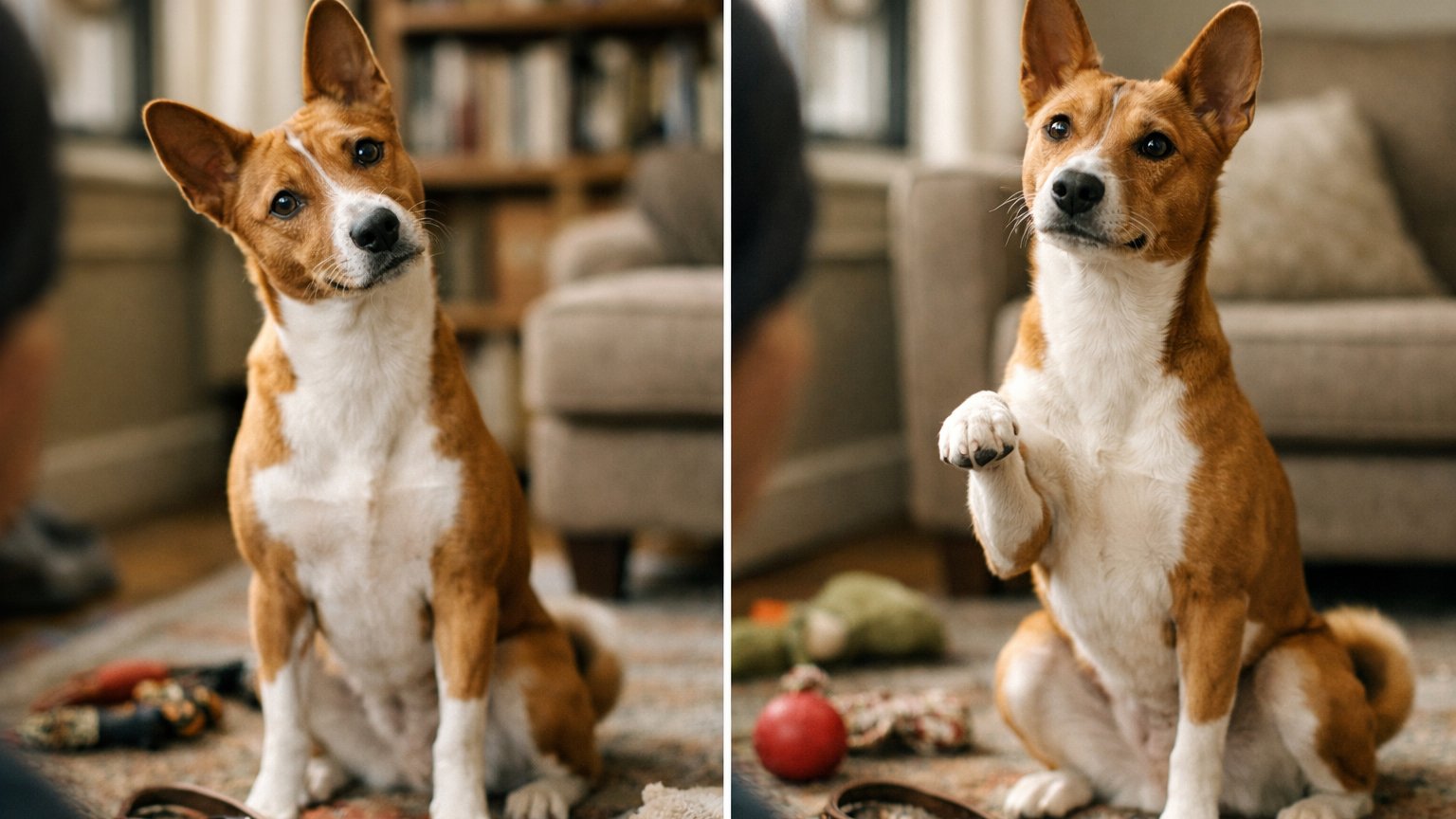
Dogs do not understand language the way humans do, but they are exceptional at associating sounds with outcomes. Over time, your dog learns that certain words reliably predict amazing things. The word "walk" usually leads to fresh air, exciting smells, and quality time with you. The word "vet" often predicts a car ride followed by pokes, prods, and unfamiliar smells. It is not stubbornness. It is pattern recognition.
This is why your dog can be fast asleep and still react instantly to "walk," yet completely ignore you when you mention the vet. Their brain has learned which words are worth responding to enthusiastically and which ones signal stress. The good news is that you can reshape these associations with positive reinforcement and enrichment.
The Role of Emotion in Selective Listening
Emotion is the secret sauce behind selective listening. Words tied to joy light up your dog's brain, while words tied to discomfort cause hesitation or avoidance. That emotional filter affects how quickly and enthusiastically your dog responds. When you pair words with positive experiences consistently, you stack the odds in your favor.
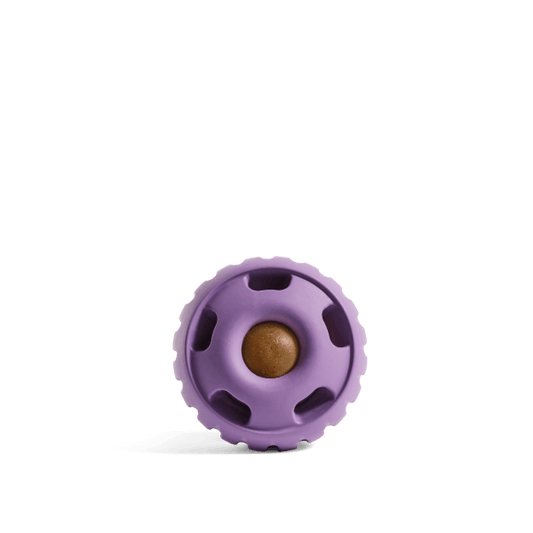
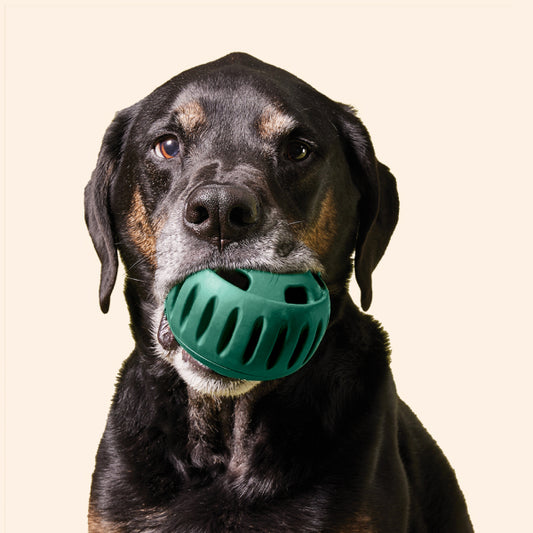
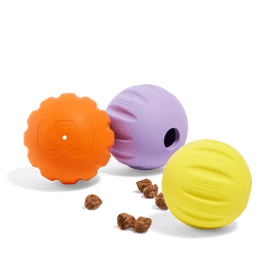
This is where enrichment tools shine. Using engaging toys and treats during training or stressful moments helps rewrite emotional responses. For example, bringing out Flyball during recall practice turns listening into a game, while Woof Puzzle Treats reinforce focus with a tasty reward your dog actually works for.
Turning Stressful Words Into Neutral or Positive Ones
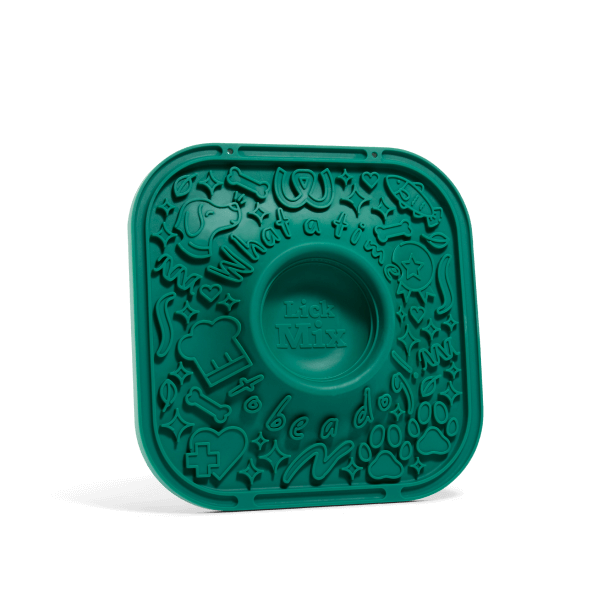
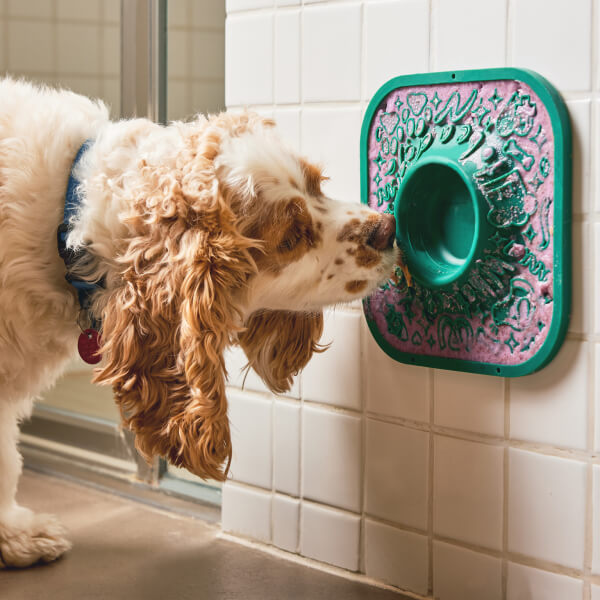
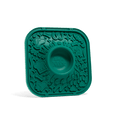
Imagine if the word "vet" did not cause your dog to freeze. You can move closer to that reality by pairing the word with calm, rewarding activities at home. Say the word casually, then offer enrichment like The LickMat with a soothing spread. Over time, the word loses its sting.
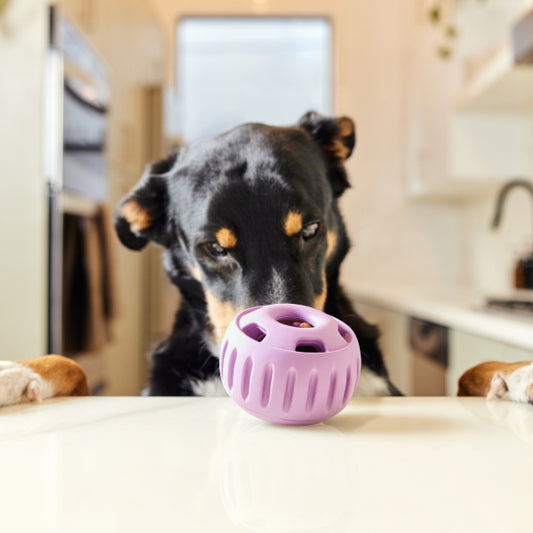
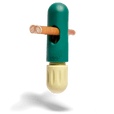
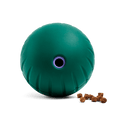
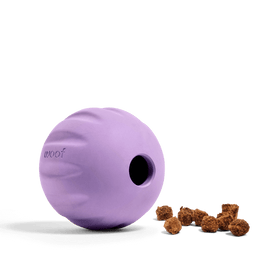
Slow feeders and puzzle toys are especially helpful here. The unpredictable wobble of Walkabout turns mealtime into a mentally stimulating activity, helping your dog associate listening and focus with calm satisfaction rather than anxiety.
Why Play Supercharges Learning
Play is one of the most powerful learning tools you have. When dogs are having fun, they are more receptive, more confident, and more engaged. This is why fetch words, treat cues, and playtime phrases often outperform commands associated with chores or discomfort.
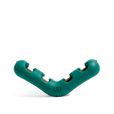
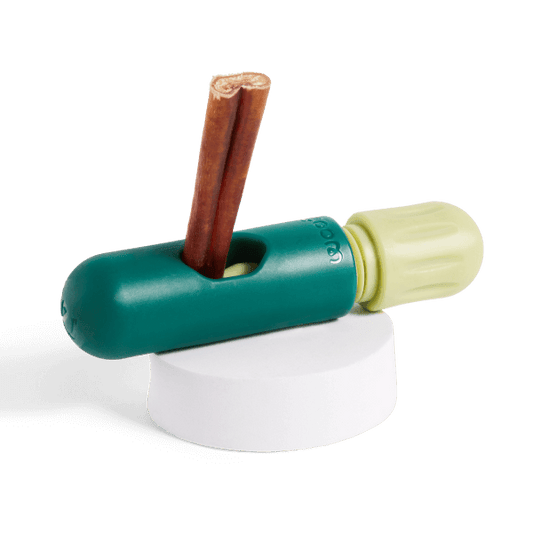
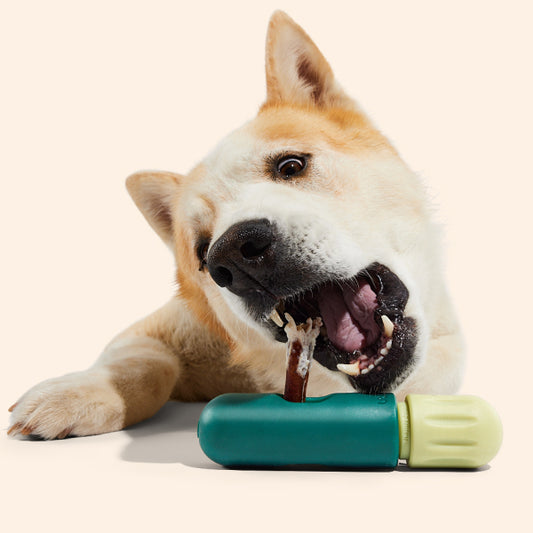
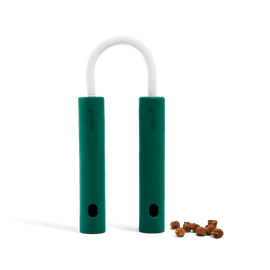
Interactive toys like Fly n' Feed blend excitement with calming enrichment, making them perfect for reinforcing positive listening habits. A quick game followed by licking helps regulate your dog's nervous system while keeping them mentally fulfilled.
Listening Is a Two-Way Street
Selective listening is not a flaw. It is feedback. Your dog is telling you which moments feel good and which ones need more emotional support. When you respond with empathy, consistency, and enrichment, you strengthen your bond.
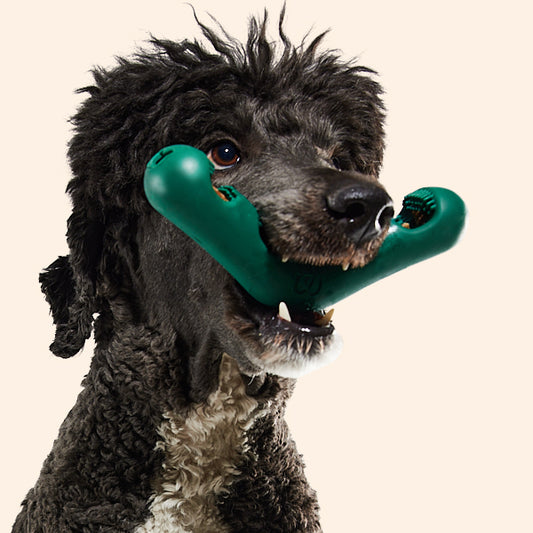
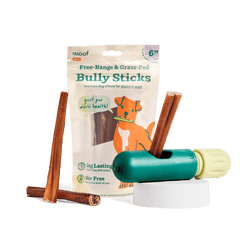
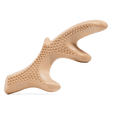
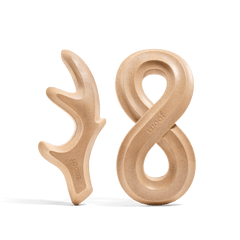
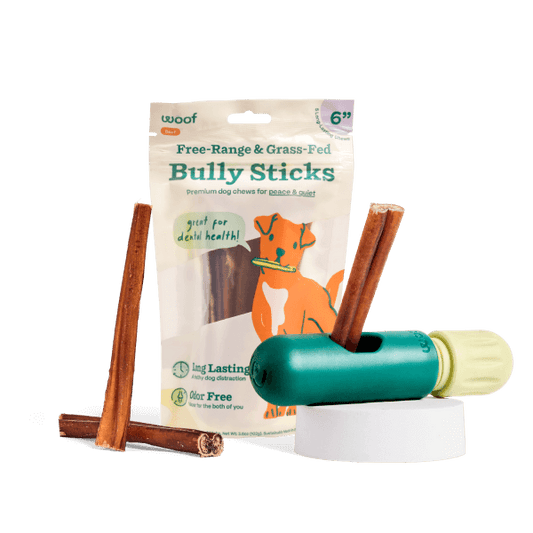
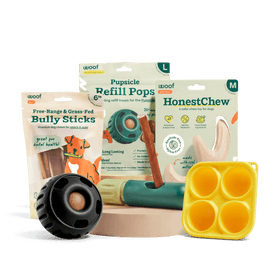
Long-lasting chews like HonestChew offer a safe outlet for stress while reinforcing calm behavior. For dogs who love to gnaw, options like HonestChew Duo or curated bundles such as the Ultimate Power Chewer Pack turn downtime into productive relaxation.
Using Selective Listening to Your Advantage
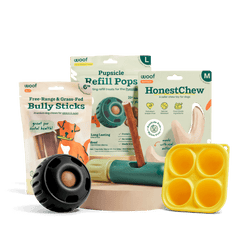
Instead of fighting selective listening, work with it. Use high-value words intentionally, and always follow them with experiences your dog loves. Rotate enrichment from the All Products lineup to keep things fresh and exciting. Mental novelty keeps listening sharp.
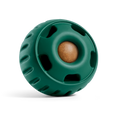
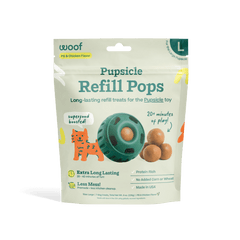
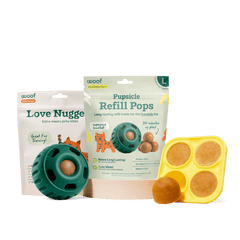
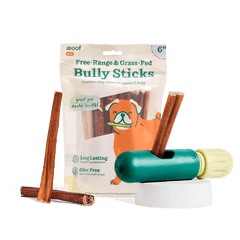
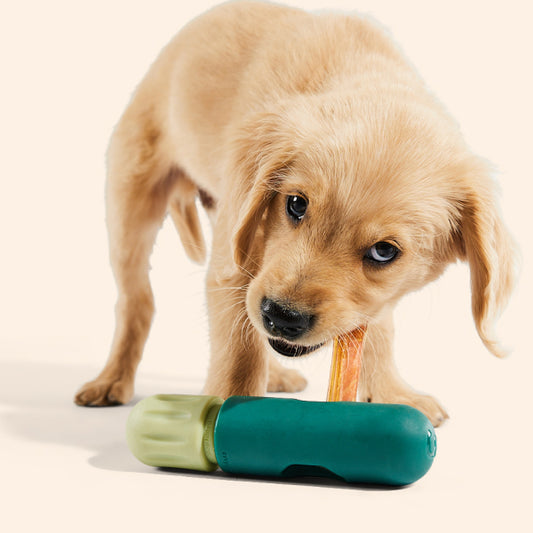
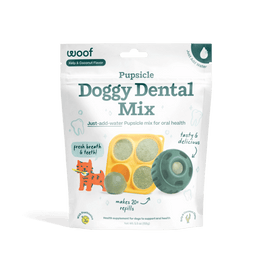
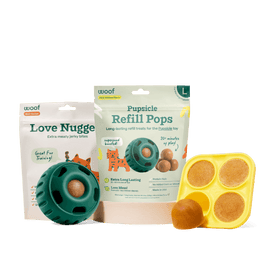
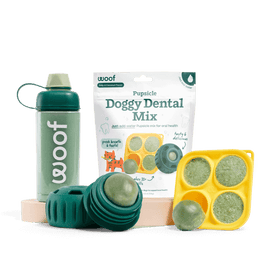
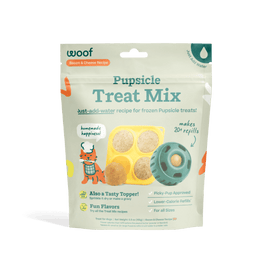
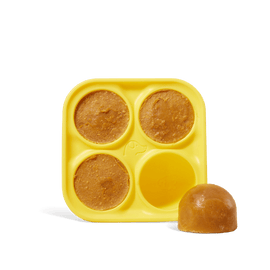
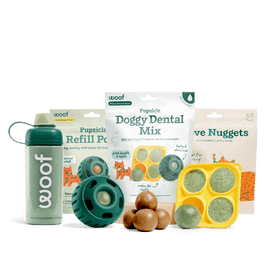
For dogs who struggle with boredom or separation stress, long-lasting engagement tools like The Pupsicle provide focused enrichment that makes listening easier before and after exciting cues.
What the Selective Listening Test Really Teaches Us
At the end of the day, the selective listening test is less about obedience and more about emotional storytelling. Your dog remembers how words make them feel. When you choose positive reinforcement, playful learning, and thoughtful enrichment, even the least popular words can become manageable.
Listening improves when your dog feels safe, stimulated, and understood. And that is where Woof fits in, helping you turn everyday moments into meaningful connection, one word and one wag at a time.