






































When your furry companion keeps scratching, has upset tummies or recurring ear infections, it’s natural to feel stuck in a loop of worry and wonder what’s really causing it. In the world of canine nutrition one approach that often comes up for dogs with food sensitivities is the so-called “hydrolyzed protein” diet. At Woof we care deeply about helping your four-legged friend thrive (not just survive) so today we’ll walk you through the benefits and risks of a “hydrolyzed protein” diet for allergy-prone dogs — in plain language and with an empathetic ear.
First, let’s talk about what this diet really means and why a vet might suggest it; then we’ll break down the good, the not-so-good, and how you can decide if this path is right for your pup. Because when your dog is scratching less and wagging more, that’s the goal.
What is a hydrolyzed protein diet and why does it matter?
A hydrolyzed protein diet uses proteins that have been broken down (or “hydrolyzed”) into much smaller fragments — peptides or amino acids — so that the dog’s immune system is less likely to identify them as allergens. These tiny protein pieces are often too small for allergic antibodies to recognise, which means the diet becomes a kind of “safe space” for dogs whose immune systems have over-reacted to larger whole proteins. Because many dogs with food sensitivities are reacting to proteins like chicken, beef or soy, the hydrolyzed route offers a promising alternative when other diets haven’t solved the issue.
The key benefits: Why your allergy-prone dog might thrive on it
Here are some of the major wins that dog owners and vets report when it comes to hydrolyzed protein diets:
1. Reduced allergenicity. Because the protein fragments are broken down, they are less likely to trigger the immune reaction that underlies many food allergies.
2. Better digestibility. For dogs whose gut is already tired or inflamed (think chronic loose stools, vomiting or bloating), the smaller protein pieces are easier to process — less work for the gut means fewer flare-ups.
3. Support for skin & coat health. When food allergens are driving skin issues like itching, hot spots or dull coat, giving your dog a diet that removes the trigger often means calmer skin and a shinier silhouette.
4. Peace of mind for elimination trials. If you’re trying to figure out which food ingredient is causing issues, a hydrolyzed protein diet can serve as a baseline “reset” diet — helping you test other proteins later with fewer variables.
The risks and realities: What you should watch out for
As helpful as the benefits are, it’s equally important to go in with eyes wide open about potential drawbacks. Here are key considerations:
1. Cost and accessibility. These diets are often prescription grade and involve extra processing — and that usually comes with a higher price tag.
2. Palatability and transition issues. Some dogs don’t immediately love the taste or texture of hydrolyzed diets — the proteins aren’t in their usual whole form, and that may affect how eagerly they eat. During the switch you might see temporary loose stools or refusal to eat.
3. Not a guaranteed fix. Clinical studies show that even among dogs with proven food allergies, a significant proportion (20-50%) might still experience reactions on hydrolyzed diets — due to incomplete breakdown of proteins, cross-contamination, or complex immune responses.
4. Long-term commitment and monitoring. While some dogs may only need the hydrolyzed diet for a defined period (especially during elimination trials) others may require it long-term — and that means staying vigilant about nutritional balance and overall wellness.
How to decide if it’s right for your pup (and how to do it smartly) ??
Here’s how to approach this with care and clarity:
• Start with your vet. If you suspect food allergies or your dog has persistent skin or digestive issues, your veterinarian can help determine if a hydrolyzed protein diet is appropriate, or if other strategies (novel proteins, limited-ingredient diets) might suffice.
• Use the diet as recommended. Often the hydrolyzed diet becomes part of an elimination protocol — meaning the dog eats nothing but that diet for 6-12 weeks so you can evaluate changes. Mixing in other foods or treats too early can muddy the results.
• Monitor your dog’s response. Note changes in stool quality, itching, ear infections, energy levels and coat condition — improvement is the goal, but some dogs need more time or additional support. Patience counts.
• Be open to adjustment. If your dog doesn’t respond within the expected period, or shows new issues, it may be time to reassess with your vet. The hydrolyzed diet is a tool, not a guarantee.
How this fits with enrichment and holistic care from Woof
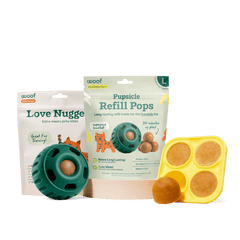
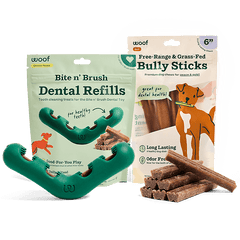
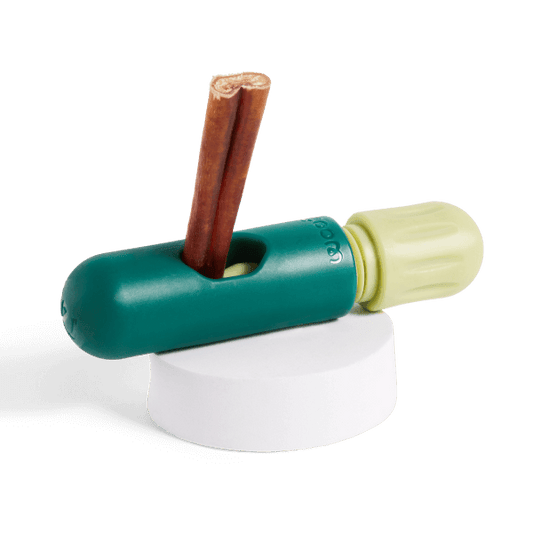
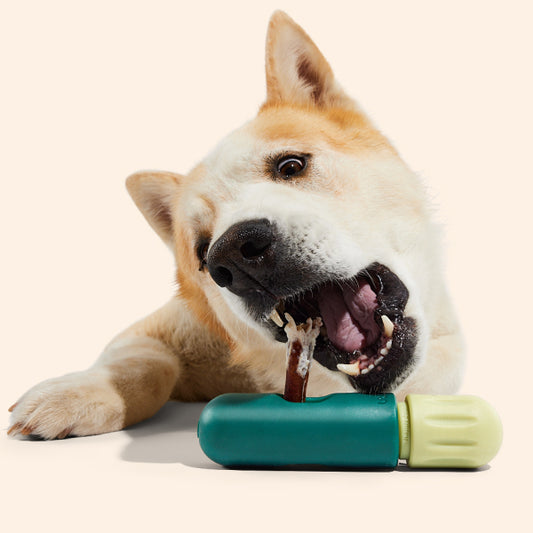
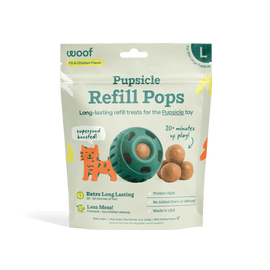
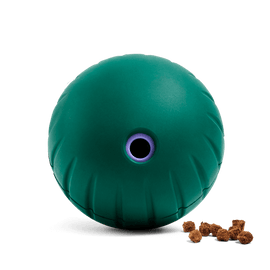
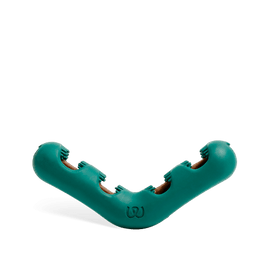
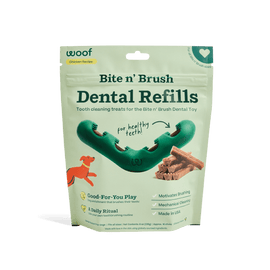
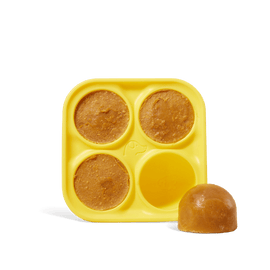
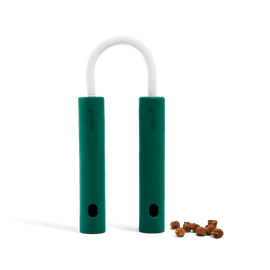
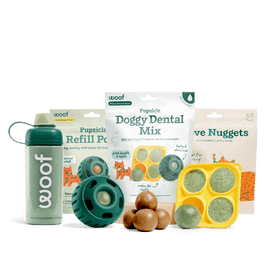
At Woof, we believe nutrition and enrichment go hand-in-paw. While you’re optimizing your dog’s food to support sensitive skin or gut, don’t forget the daily joy of play, puzzle-treating, calm moments and connection. Products like our Woof Puzzle Treats, or the brain-boosting play of the Woof Walkabout, help make sure your dog’s whole experience — feast, fun and downtime — is working in harmony for wellness. If your pup is on a special diet and you’re wanting to reduce flare-ups, it’s a great time to elevate the enriching moments too, because a happy dog often has better digestion, better mood, and better quality of life.
Final thoughts
Choosing a hydrolyzed protein diet for your allergy-prone dog can be a meaningful step toward calmer skin, steadier digestion and brighter days. But it’s not a silver bullet — it’s a strategic tool, used wisely, monitored consistently, and paired with enrichment and support. If your dog is scratching less, eating better, playing more and enjoying every moment alongside you, you’ll know you’re on the right path.
Here’s to more joyful fetches, fewer vet visits, and the wag-filled life your pup deserves. ??