




























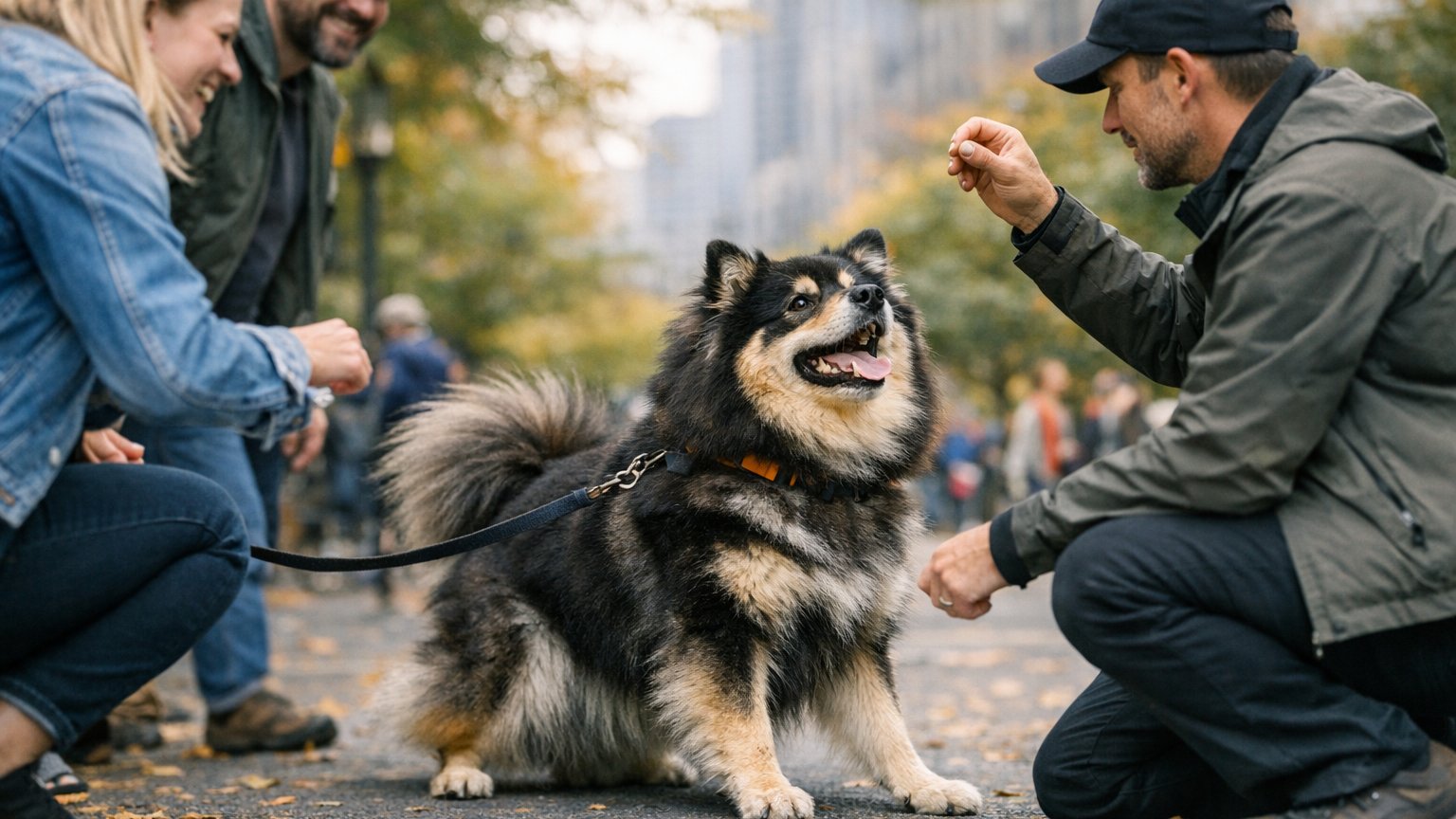
Big personalities come in furry packages, and if your dog greets every human, dog, leaf, and passing breeze like a long-lost soulmate, you are not alone. Socializing the "Too Friendly" Dog Who Thinks Everyone is Best Friend #1 is a common challenge for loving dog parents who adore their pup's joyful spirit but need a little more calm in everyday situations. That boundless enthusiasm can turn walks into chaos, guests into jumping targets, and playdates into nonstop excitement. The goal is not to squash that happy heart, but to help your dog learn when to turn the volume down and how to engage the world with confidence and control.
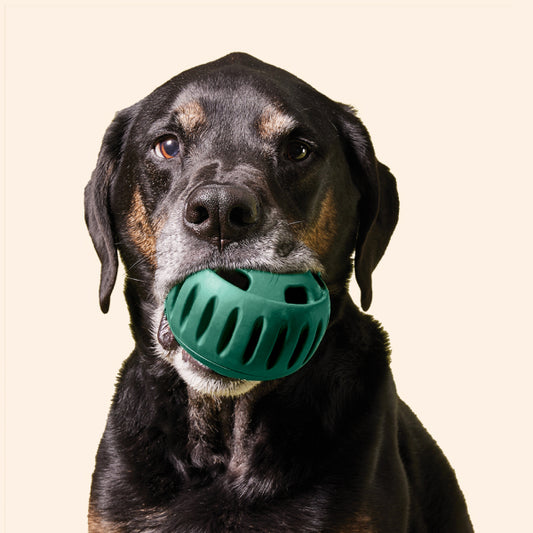
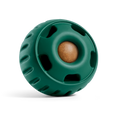
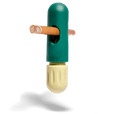
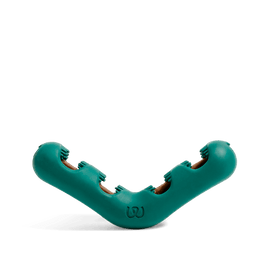
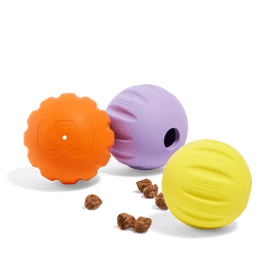
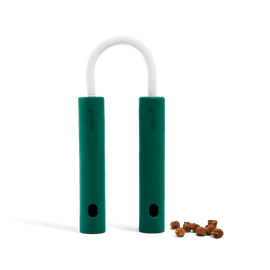
Right after those first excited greetings, it helps to redirect that energy into something productive, like structured play with the Flyball, which channels excitement into focus and gives your dog a clear job to do.
Why Being "Too Friendly" Can Still Be a Problem
A dog who loves everyone might sound like the dream, but over-friendly behavior can lead to frustration, leash reactivity, and even unsafe situations. Not every dog or person wants an enthusiastic greeting, and repeated overexcitement can make it harder for your pup to read social cues. Teaching calm social skills helps your dog feel secure, prevents overstimulation, and builds trust between you and your four-legged social butterfly.
Start With Calm Before the Hello
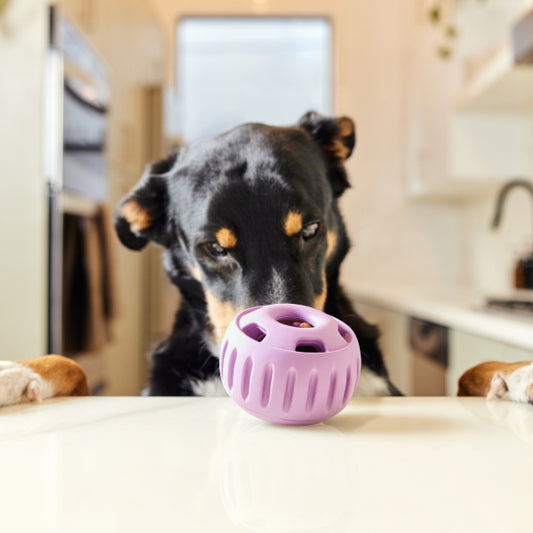
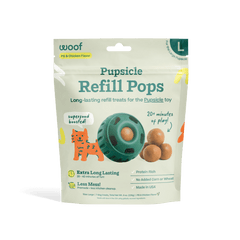
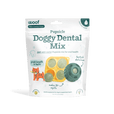
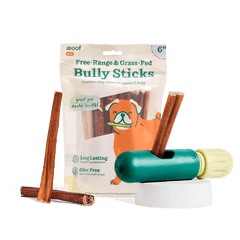
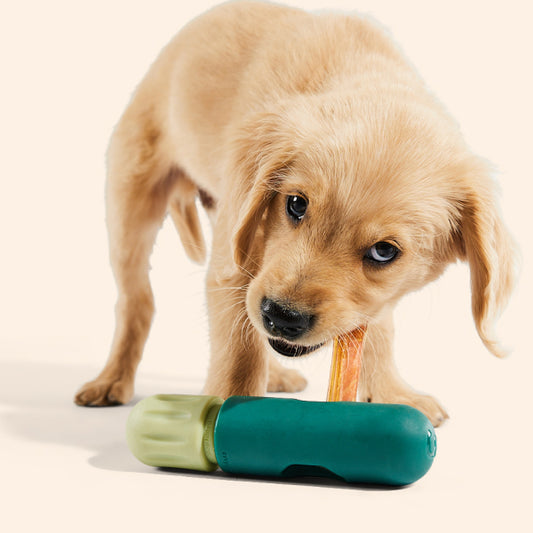
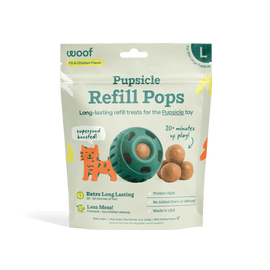
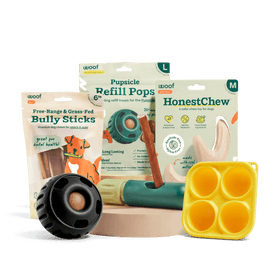
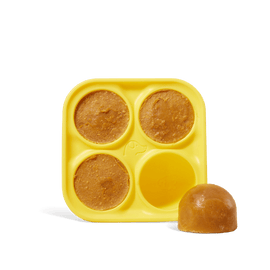
One of the biggest breakthroughs comes from teaching your dog that calm behavior is what opens doors to fun interactions. Before meeting new people or dogs, ask for a simple behavior like a sit or eye contact. Reward that calm choice generously. High-value rewards, especially ones that feel like play, make learning stick. Using Woof Puzzle Treats during these moments keeps your dog motivated without overloading them with sugar or crumbs.
Use Enrichment to Burn Mental Energy
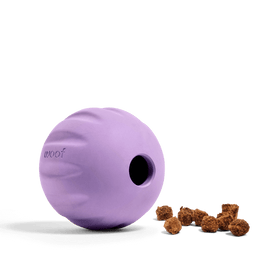
Sometimes over-friendliness is just excess energy looking for an outlet. Daily enrichment gives your dog a chance to think, problem-solve, and decompress so they are not arriving at social situations already wound tight. Toys like the Walkabout turn mealtime into a slow, engaging activity that gently drains that mental battery. A calmer dog at home often means a calmer dog out in the world.
Practice Controlled Social Setups
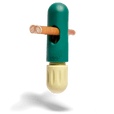
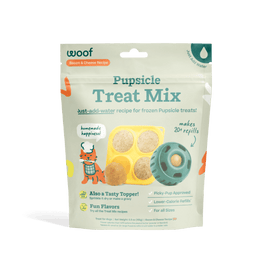
Instead of letting your dog greet everyone they see, create planned, low-pressure social experiences. Invite a friend over who understands training goals, or practice parallel walks with another calm dog. Keep greetings short and sweet, then redirect to an activity. A quick game with the Fly n' Feed can shift your dog from high-arousal play to soothing licking, helping them learn how to self-regulate after excitement.
Teach an Off Switch at Home
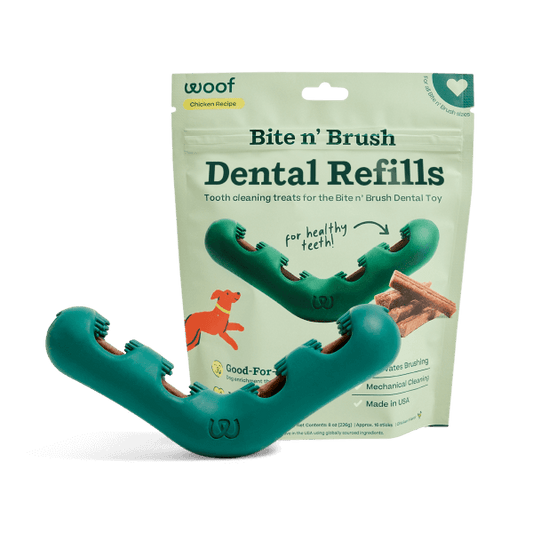
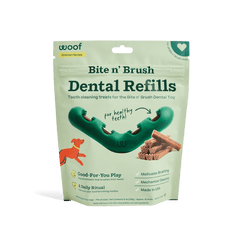
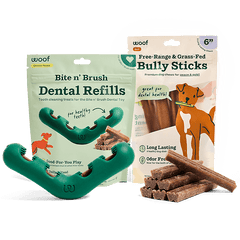
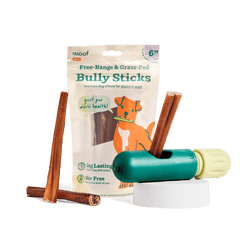
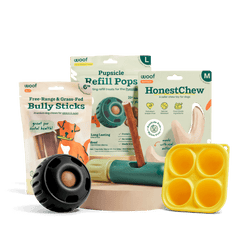
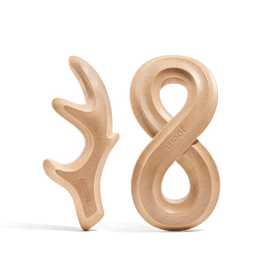
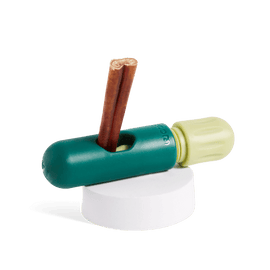
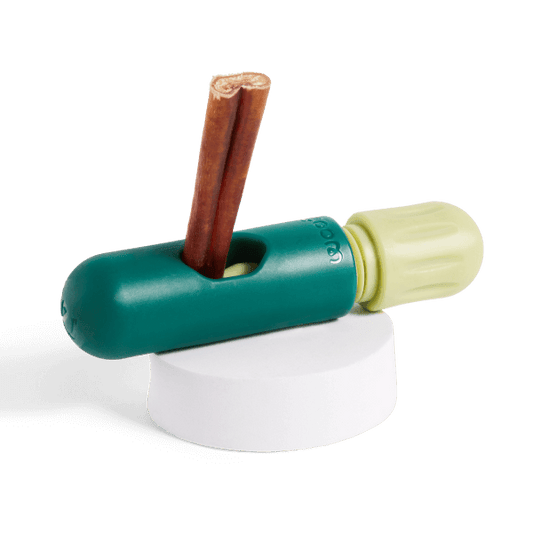
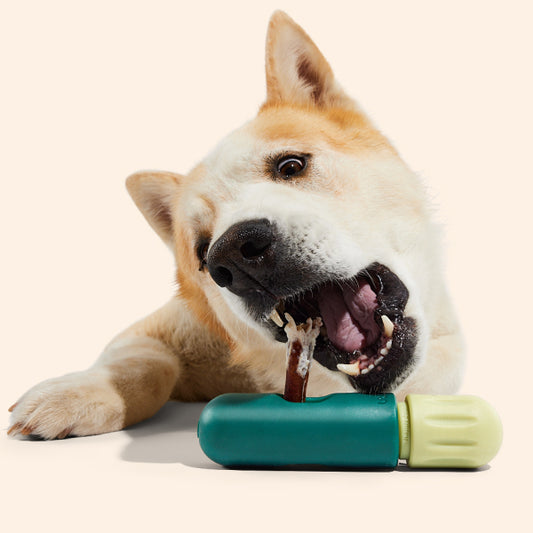
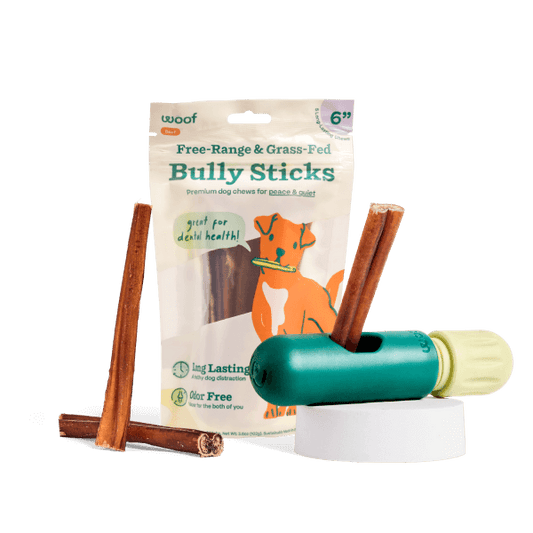
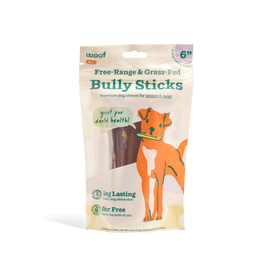
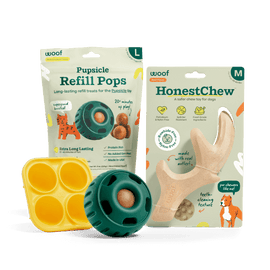
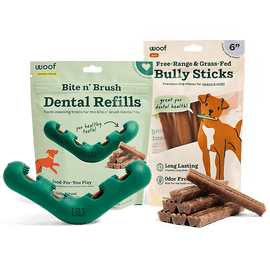
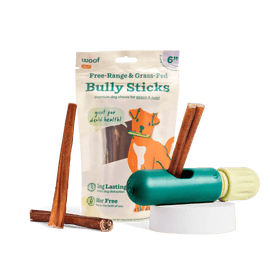
Calm social skills start long before the leash comes out. At home, build relaxation into your dog's routine. Licking, chewing, and sniffing all naturally calm the nervous system. Offering downtime with HonestChew gives your dog a safe, satisfying way to unwind. When calm becomes a habit, it carries over into public spaces more easily.
Reward Neutral Behavior, Not Just Excitement
It is easy to accidentally reward over-the-top friendliness by laughing, petting, or engaging when your dog is bouncing off the walls. Instead, make neutral behavior the jackpot. When your dog notices a person or dog and stays relaxed, quietly reward them. Over time, they learn that not reacting is just as valuable as saying hello.
Consistency Beats Perfection
Socializing the "Too Friendly" Dog Who Thinks Everyone is Best Friend #1 is not about achieving flawless behavior overnight. Progress comes from many small, consistent wins. Some days will be calmer than others, and that is okay. Stick with your routines, keep expectations realistic, and celebrate improvements, no matter how small.
Make Calm the New Cool
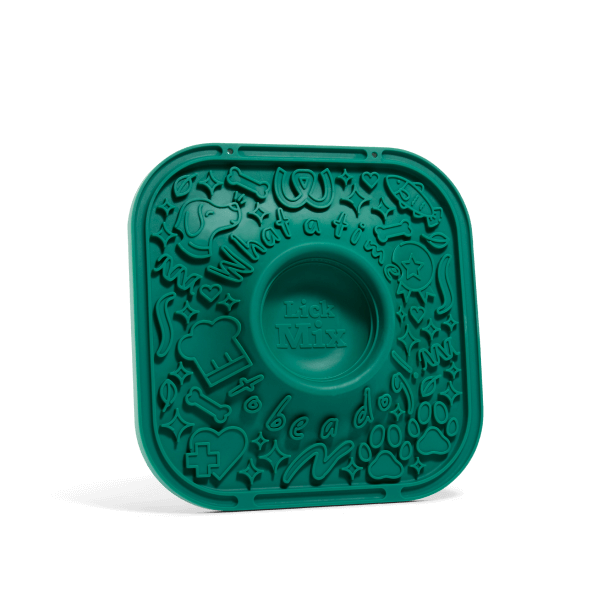
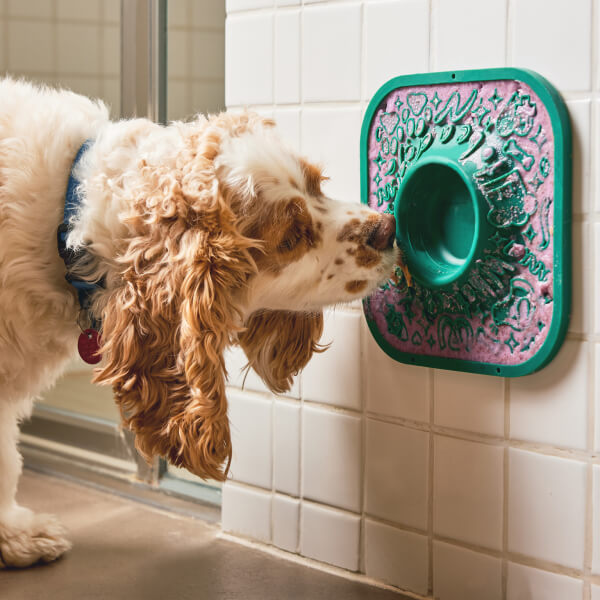
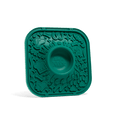
Your dog's friendliness is a gift, and with the right guidance, it can shine without overwhelming the world around them. By pairing training with enriching Woof tools like the LickMat and structured play options from the Best Sellers Collection, you are setting your pup up for social success that feels good for everyone involved. Calm confidence does not mean less joy, it means more freedom to enjoy life together.