



















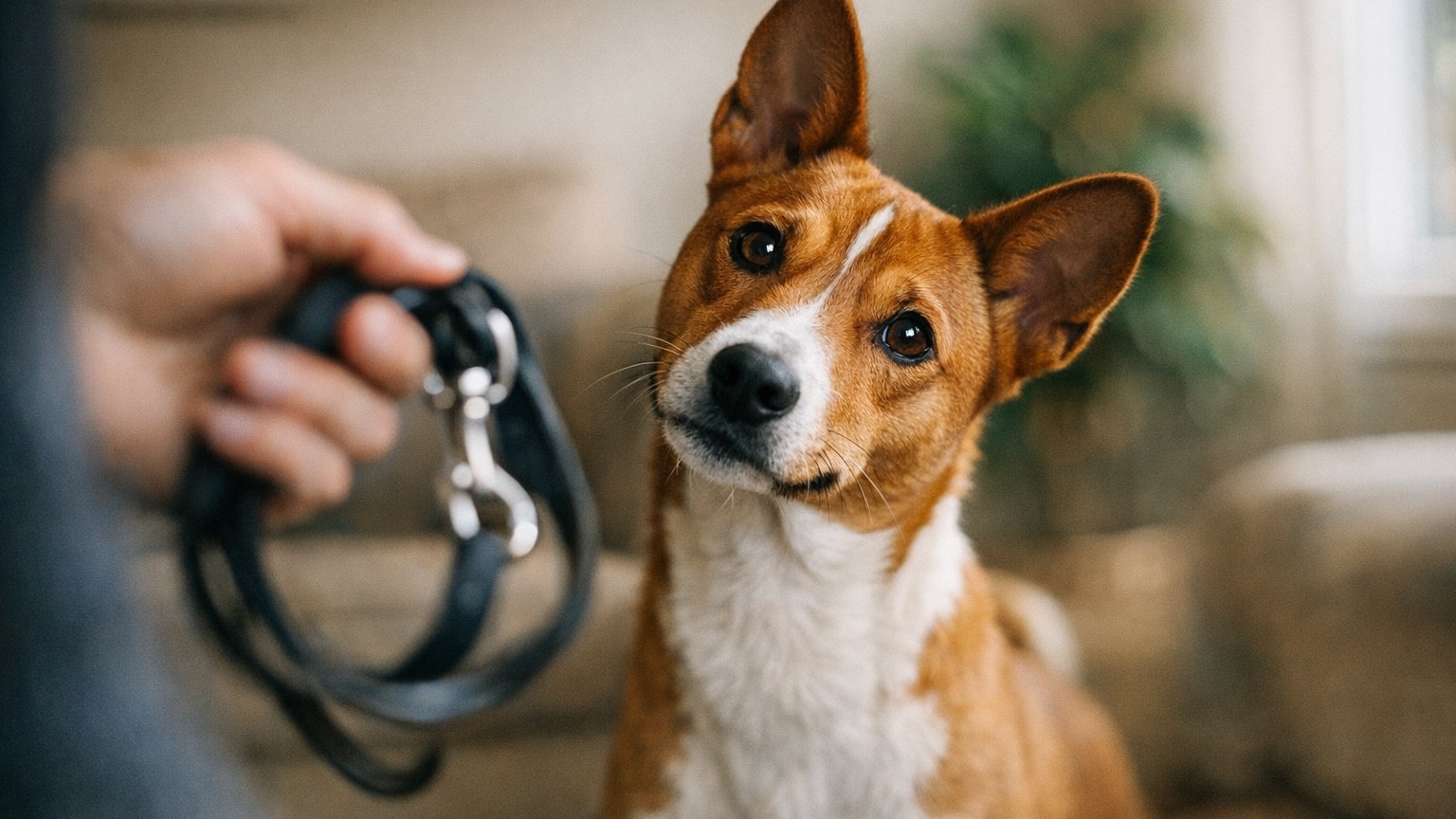
It happens almost every single day. You casually say the word “walk” from the other room, and suddenly your dog appears at full speed, tail wagging, eyes bright, ready to go. But when you calmly say “no” while they are stealing a sock or barking at the door, it is like you never spoke at all. This is not stubbornness, and it is definitely not your dog ignoring you out of spite.
Right after that first moment of recognition, many dog parents start wondering why certain words seem to live rent-free in their dog’s brain while others fade into background noise. Understanding how dogs process language can completely change the way you communicate, train, and play together.
Dogs Do Not Hear Words the Way Humans Do
Dogs are incredible listeners, but they do not process language like we do. Instead of understanding words as abstract concepts, dogs learn words through association. A word becomes meaningful when it consistently predicts something exciting, rewarding, or emotionally charged.
The word “walk” almost always leads to fresh air, movement, smells, and quality time with you. That makes it powerful. On the other hand, “no” is often said in many different situations, tones, and emotional states. To a dog, it can feel vague and unpredictable, which makes it harder to recognize and respond to.
Why Emotional Weight Matters More Than Vocabulary
Dogs are experts at reading emotion. Your tone of voice, body language, and energy often matter more than the actual word you say. A cheerful, excited tone paired with a predictable outcome locks a word into your dog’s memory much faster than a neutral or frustrated tone.
This is why pairing words with positive experiences is so effective. When learning feels fun and rewarding, your dog is far more motivated to pay attention and remember.
Turning Everyday Moments Into Learning Opportunities
If you want your dog to respond better to cues beyond “walk,” consistency and enrichment are key. Interactive play and mental challenges help dogs stay engaged and reinforce language through action.
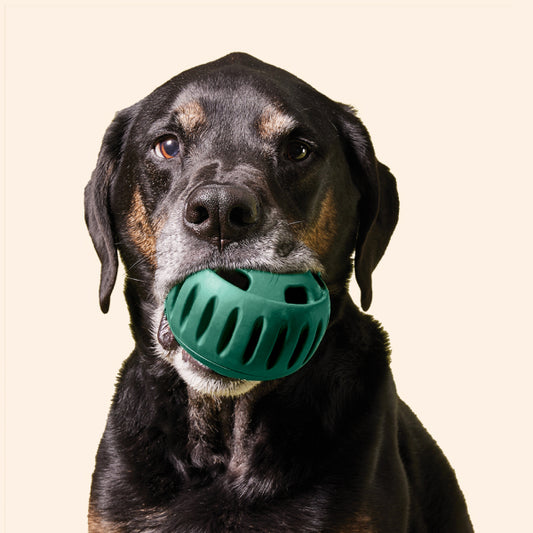
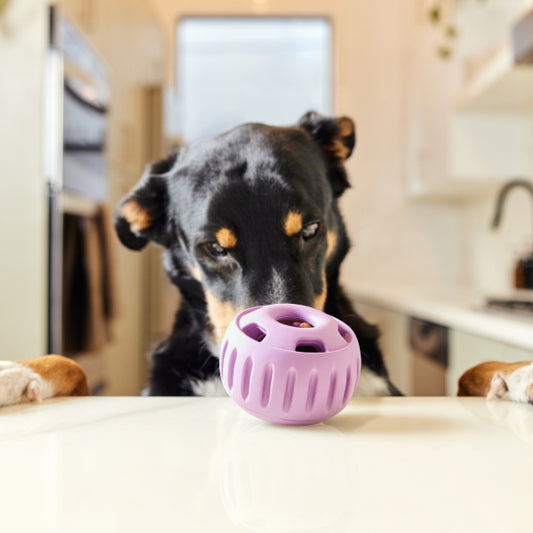
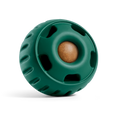
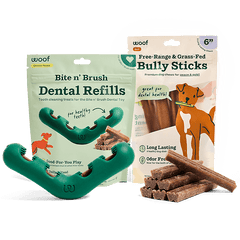
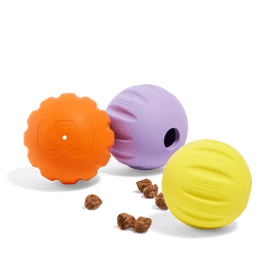
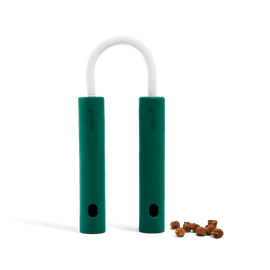
For example, games that combine movement, problem-solving, and rewards help strengthen word associations. The Flyball does exactly that by pairing fetch with treat-dispensing enrichment, turning playtime into a learning moment. For multi-dog homes or longer sessions, the Flyball 3 Pack keeps the fun going without interruption.
Why “No” Often Falls Flat
The word “no” is usually reactive. It happens after a behavior has already started, and it rarely comes with a clear alternative. From your dog’s perspective, it does not explain what to do instead.
A more effective approach is to redirect your dog toward a behavior you want and pair it with something rewarding. This builds clarity and confidence, rather than confusion.
Enrichment Builds Better Listeners
Mental stimulation plays a huge role in how well dogs respond to cues. A bored dog is far less likely to tune in. Enrichment toys encourage focus, patience, and problem-solving, which naturally improves communication.
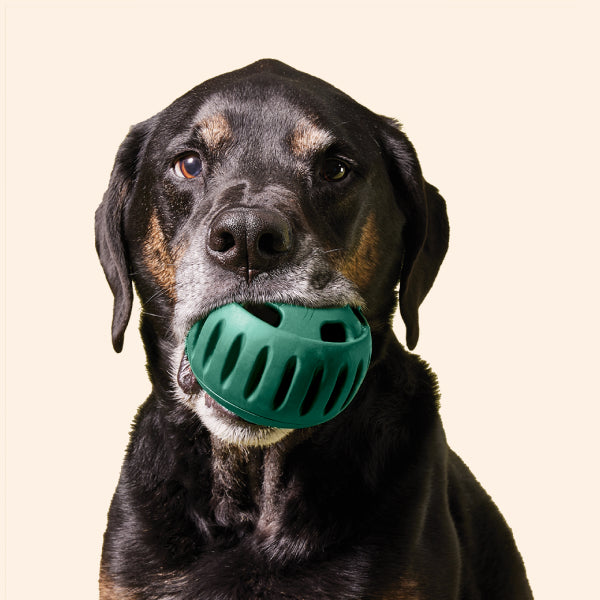
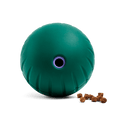
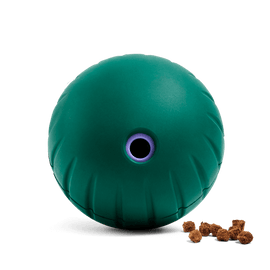
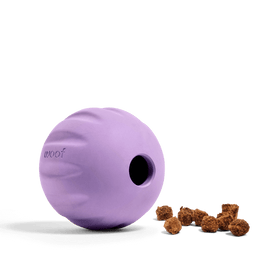
The Walkabout puzzle ball turns mealtime into an engaging activity, helping dogs burn energy while practicing impulse control. Pairing it with Woof Puzzle Treats makes learning both delicious and motivating.
Calming the Mind Helps Words Stick
When dogs are overstimulated or anxious, learning becomes much harder. Calming enrichment can help your dog settle into a mindset where they are more receptive to cues.
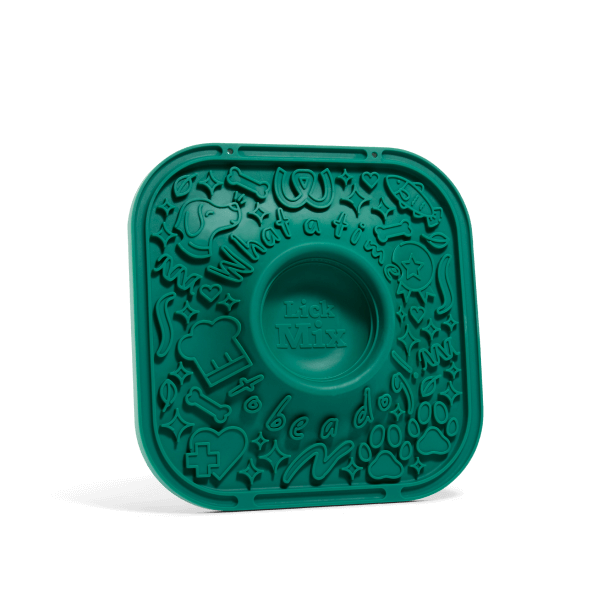
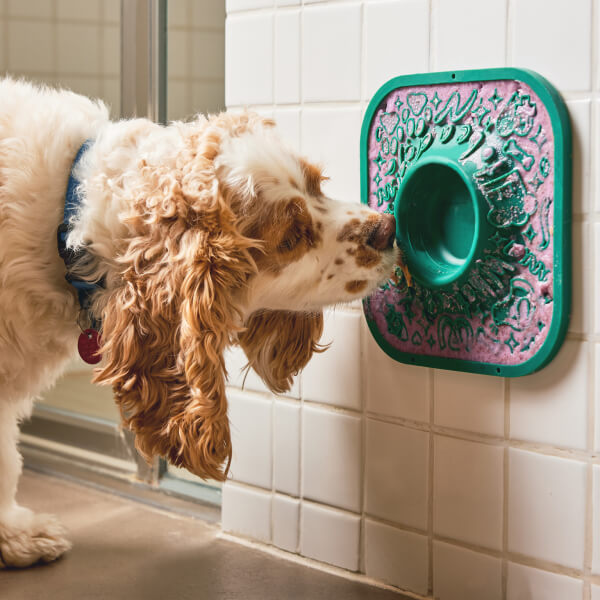
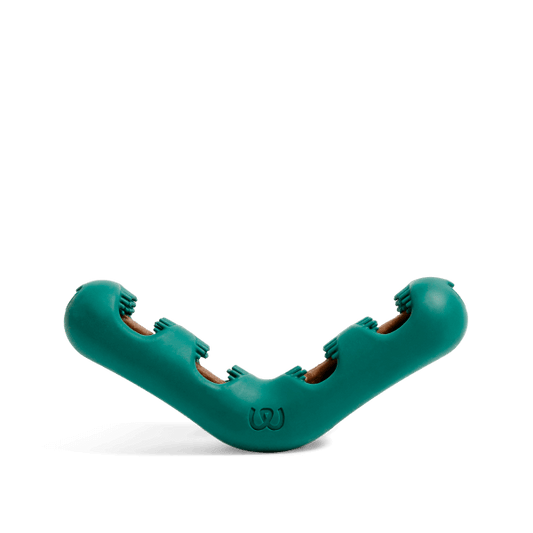
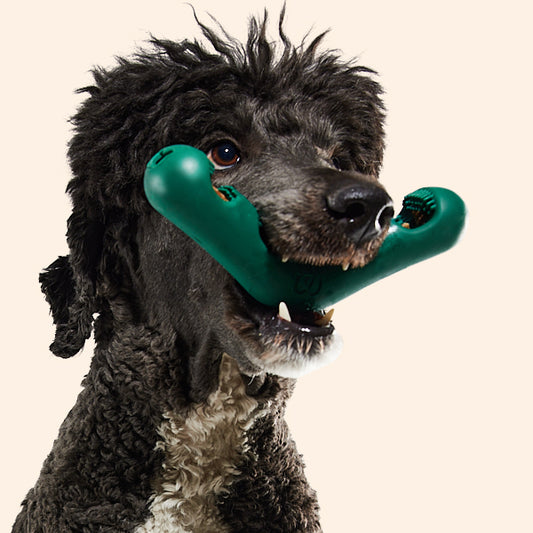
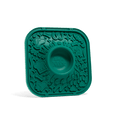
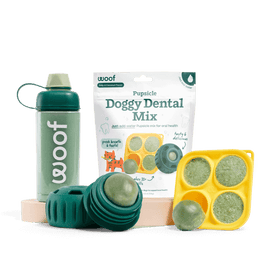
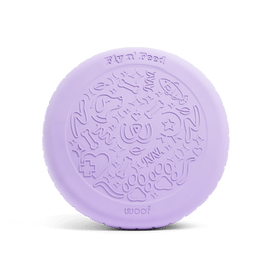
The Fly n' Feed offers a perfect balance of active play and soothing licking, while The LickMat encourages slow, calming behavior that supports focus and relaxation.
Consistency Turns Sounds Into Meaning
Dogs thrive on patterns. The more consistently a word leads to the same outcome, the stronger the recognition becomes. This applies to commands, names, and even play cues.
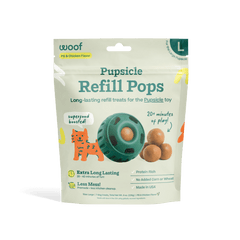
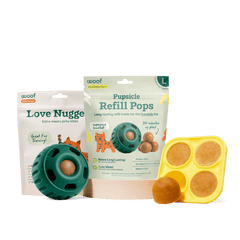
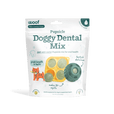
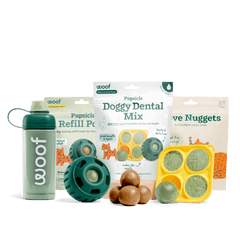
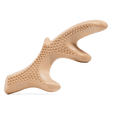
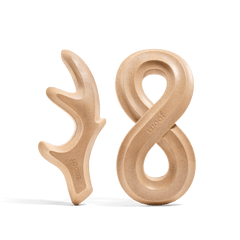
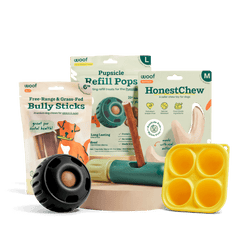
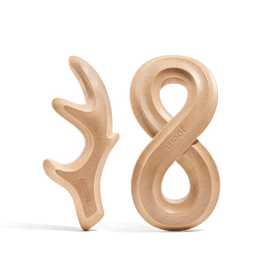
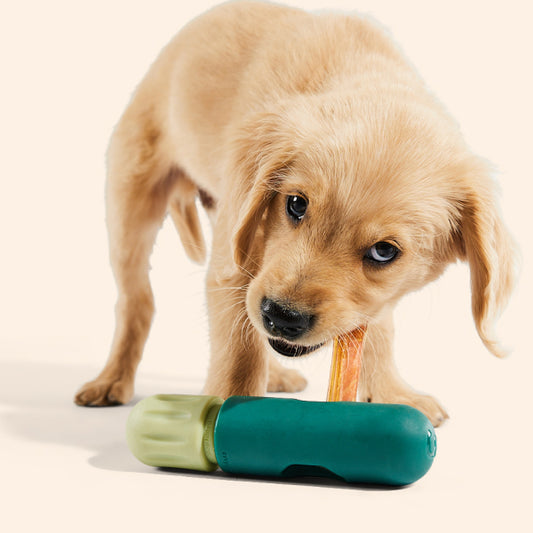
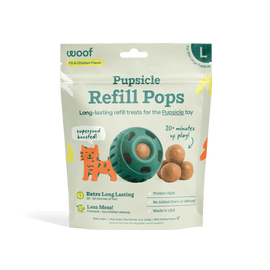
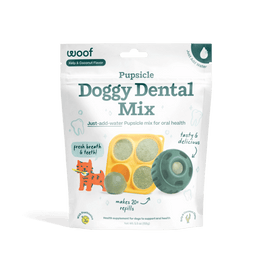
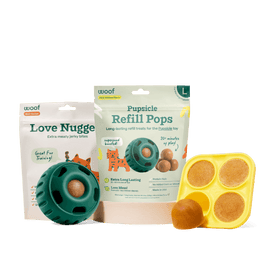
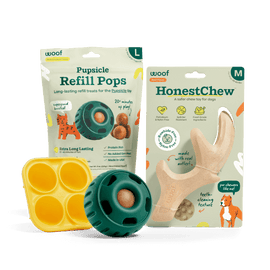
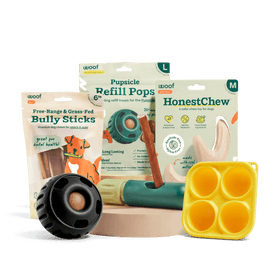
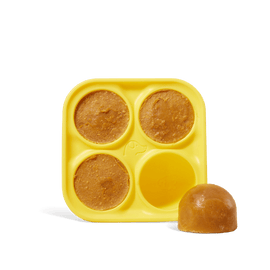
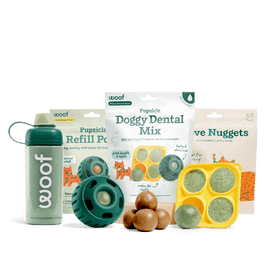
Using durable, engaging tools like the HonestChew or the Pupsicle during training sessions helps reinforce positive associations while keeping your dog happily occupied.
Making Learning Feel Like Play
The biggest takeaway is simple. Dogs remember what feels good. When learning is woven into play, enrichment, and positive routines, words become meaningful faster and responses become more reliable.
By choosing interactive experiences from the Best Sellers Collection or exploring enrichment favorites across All Products, you are not just entertaining your dog. You are building a stronger communication bond, one joyful word at a time.