



















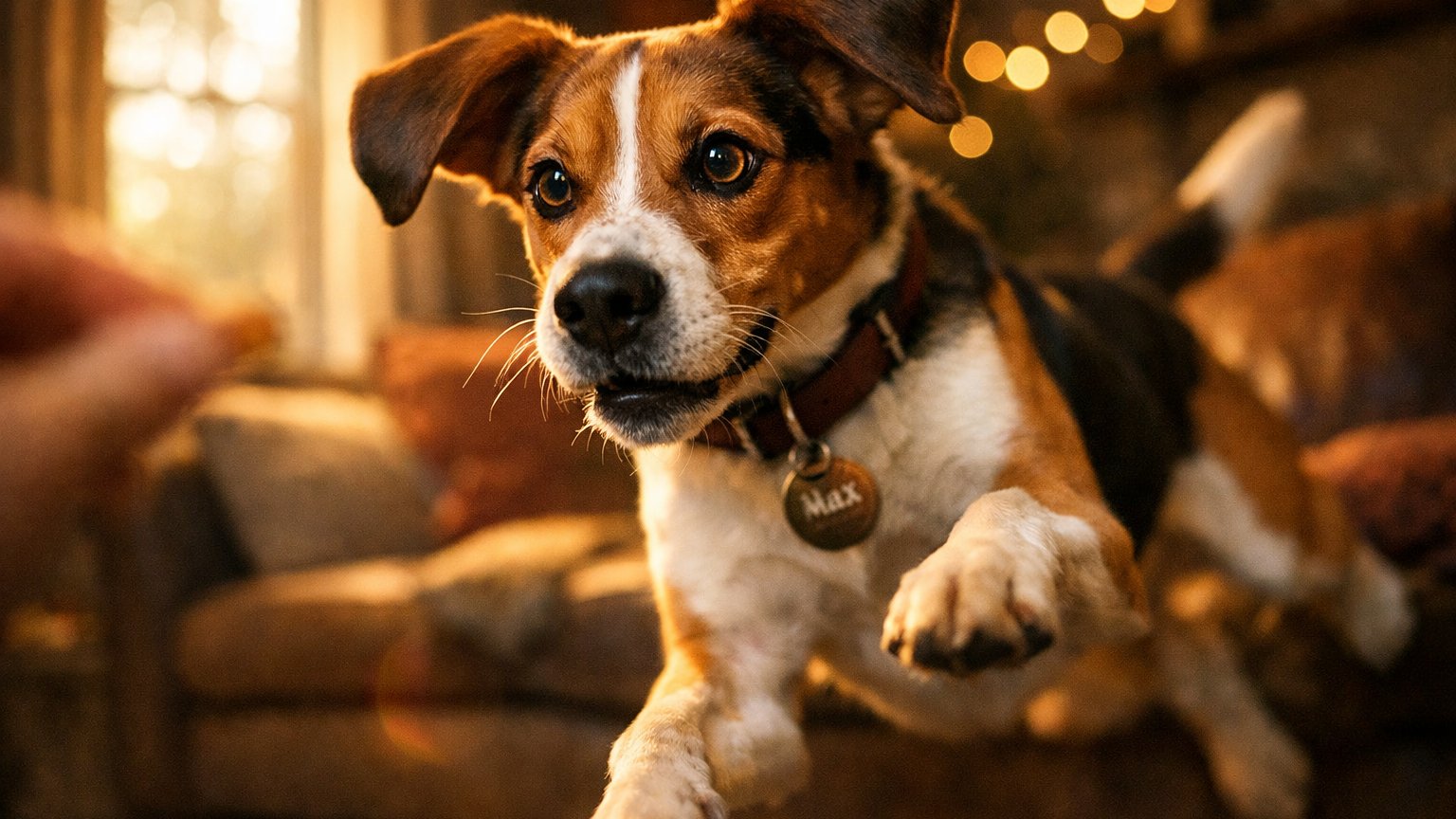
It happens in a flash. You call your dog’s name with love, confidence, and hope… and nothing. Then you casually say the word Flyball or “treat,” and suddenly your pup is laser-focused, ears up, tail wagging like you just unlocked the secrets of the universe. If your dog responds faster to food words than their actual name, you’re not alone, and you’re definitely not failing as a dog parent. This is one of the most common training hiccups we see, and the good news is that it’s completely fixable with the right mix of patience, play, and purposeful rewards.
Your dog is not being stubborn or ignoring you on purpose. They are simply doing what dogs do best: responding to what has the strongest emotional payoff. Understanding why this happens is the first step toward turning your dog’s name into the most exciting word they hear all day.
Why “Treat” Wins the Attention Game
Dogs learn through association. Over time, words become signals that predict outcomes. The word “treat” almost always leads to something delicious, exciting, and immediate. Your dog’s name, on the other hand, might be followed by a bath, a recall from playtime, or nothing at all. From your dog’s perspective, one word consistently delivers joy, while the other is a wildcard.
This doesn’t mean your dog dislikes their name. It just means the word has not been consistently reinforced as something wonderful. Dogs are masters of pattern recognition, and they quickly learn which sounds are worth responding to right away.
The Accidental Name Game Mistakes Most Dog Parents Make
Many well-meaning dog owners accidentally weaken their dog’s name without realizing it. Using your dog’s name repeatedly without following it with positive engagement can dilute its meaning. Calling their name when you are frustrated, distracted, or about to end fun can also turn it into a neutral or even negative cue.
Another common mistake is overusing the name as background noise. If your dog hears their name dozens of times a day with no clear reward or interaction, it becomes easy to tune out. Meanwhile, food-related words remain powerful because they are consistently paired with a reward.
How to Make Your Dog’s Name the Best Word Ever
The goal is simple: your dog’s name should predict something good every single time they hear it. Start by saying your dog’s name once, in a happy tone, and immediately rewarding them when they look at you. This reward can be a treat, praise, or a quick game with a favorite toy.
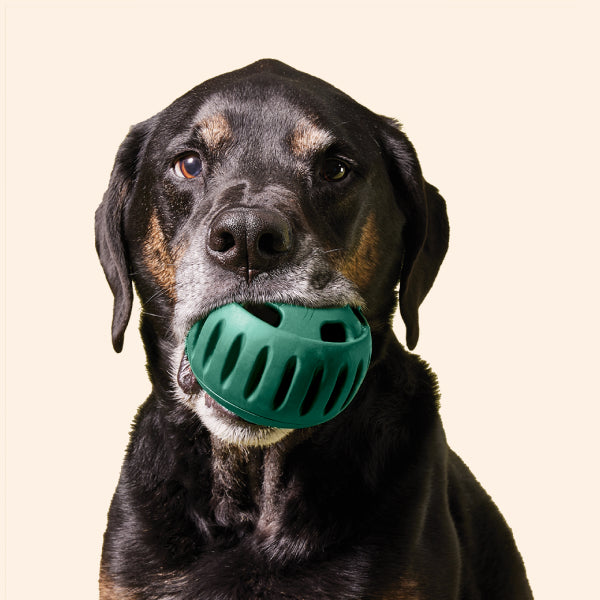
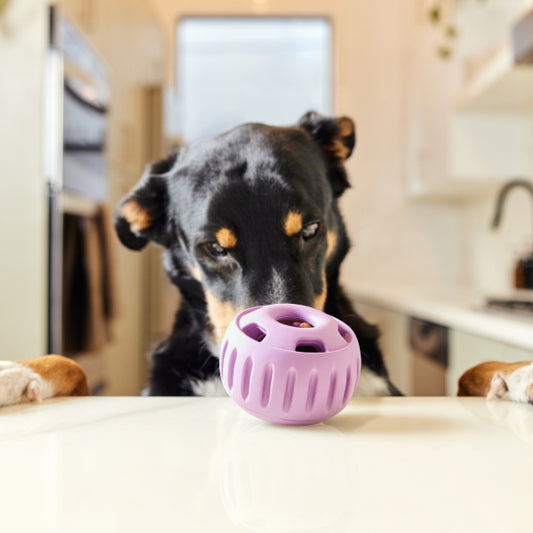
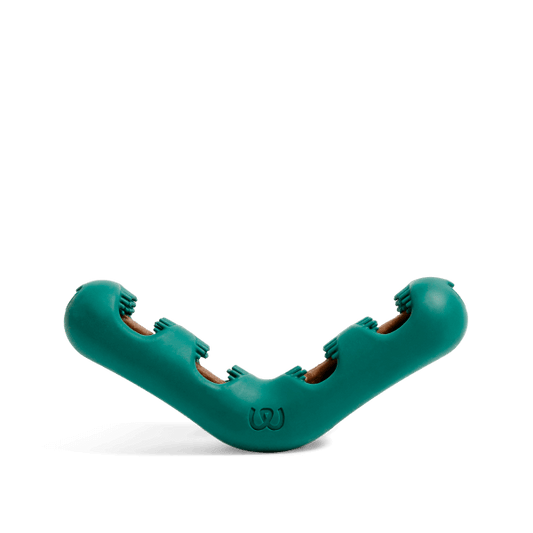
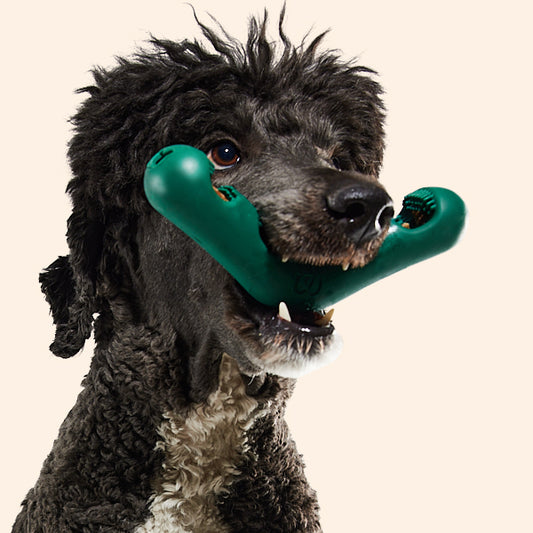
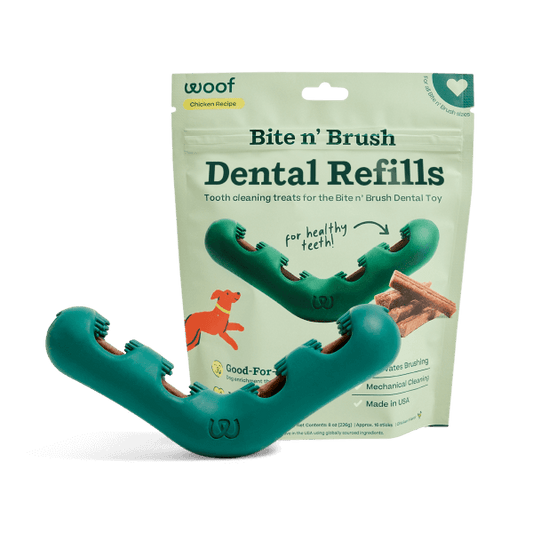
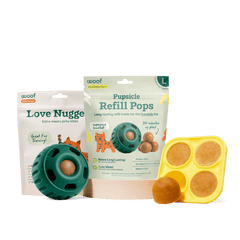
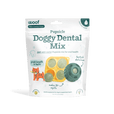
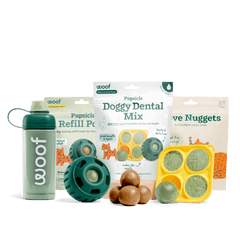
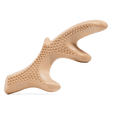
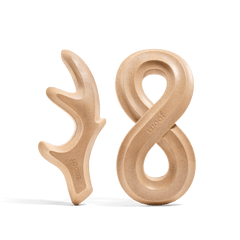
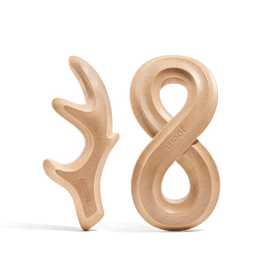
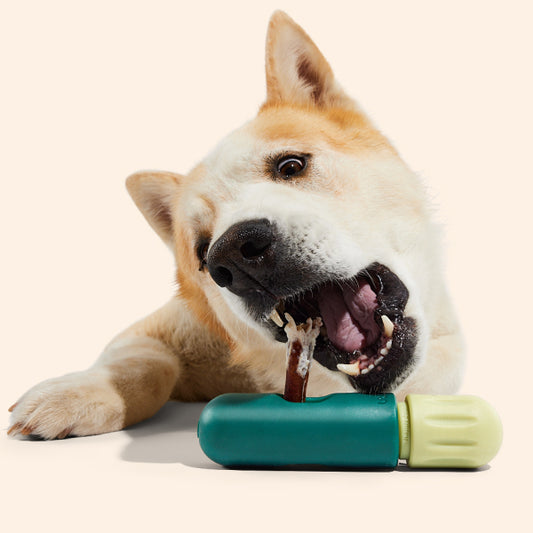
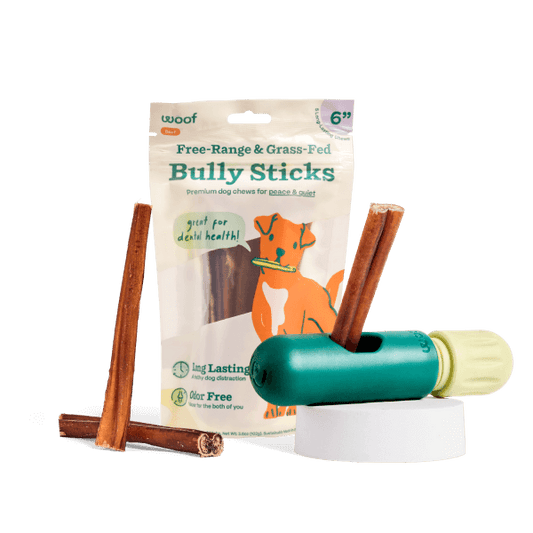
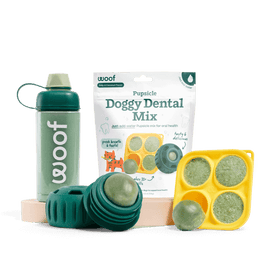
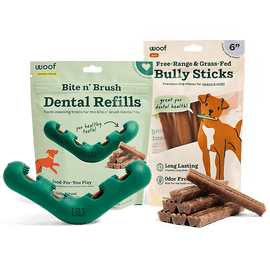
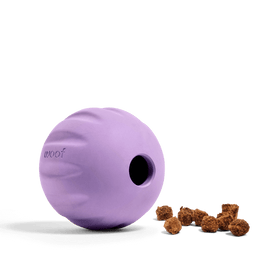
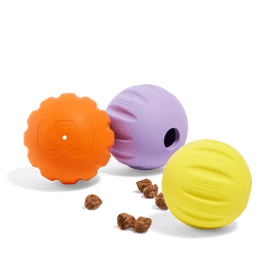
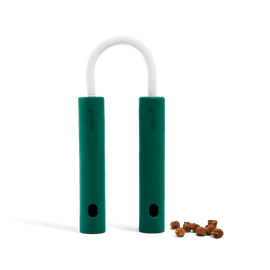
Interactive toys are especially effective here because they combine food motivation with mental stimulation. Using Woof Puzzle Treats during name recognition games helps extend the reward experience, making the learning moment more memorable and engaging for your pup.
Turn Training Into Play, Not Pressure
Training does not need to feel like a chore for you or your dog. In fact, the more playful it is, the faster your dog will learn. Incorporating movement, unpredictability, and enrichment keeps your dog mentally invested.
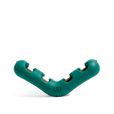
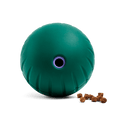
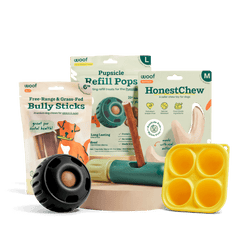
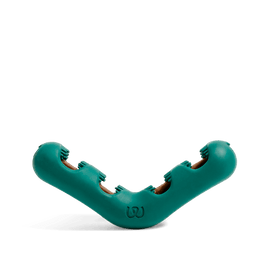
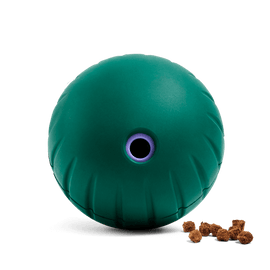
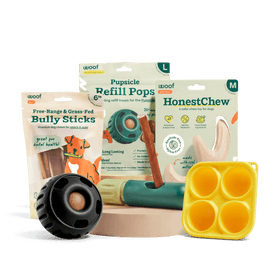
Rolling enrichment toys like the Walkabout are fantastic for this. Say your dog’s name, reward eye contact, then release them to chase or nudge the toy. This builds a powerful connection between their name, your attention, and fun.
Why Enrichment Makes Name Recognition Stick
Mental enrichment is not just about burning energy; it is about building focus. Dogs who regularly engage in problem-solving play are better listeners and more responsive overall. When you combine name training with enrichment, you are teaching your dog to check in with you before accessing something they love.
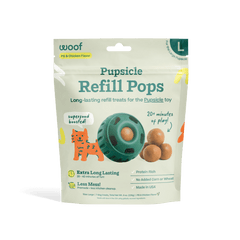
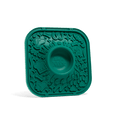
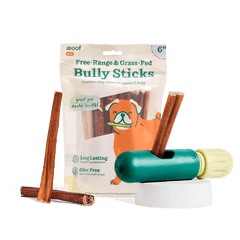
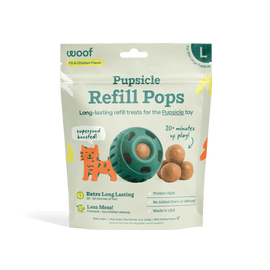
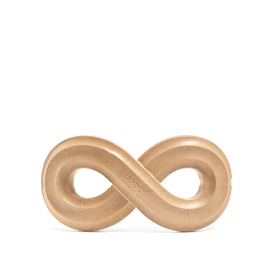
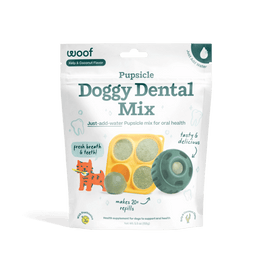
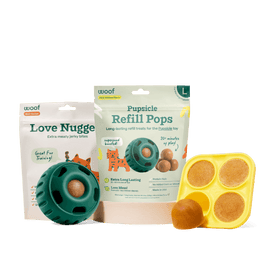
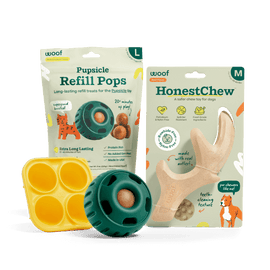
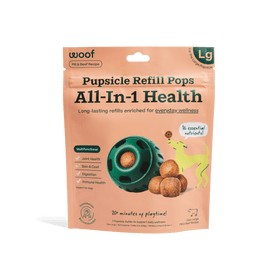
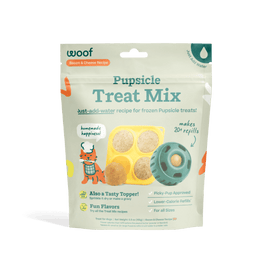
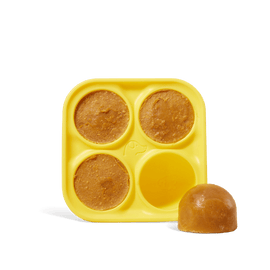
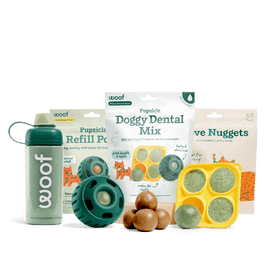
Products like the The Pupsicle help reinforce calm, sustained engagement. Saying your dog’s name before offering a long-lasting enrichment reward teaches them that paying attention to you unlocks great things.
Consistency Beats Volume Every Time
Repeating your dog’s name louder or more often rarely helps. What truly works is consistency. Say the name once, wait for attention, and reward generously when it happens. Over time, your dog learns that responding quickly is always worth it.
Short, frequent sessions are more effective than long drills. Even thirty seconds of focused practice sprinkled throughout the day can dramatically improve your dog’s responsiveness.
When Treats Are the Gateway, Not the Crutch
It is perfectly okay if treats are what get your dog’s attention at first. Food is a powerful motivator, and using it strategically is smart training, not cheating. The key is to gradually mix in other rewards like toys, praise, and play.
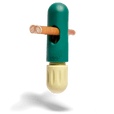
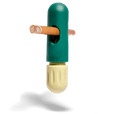
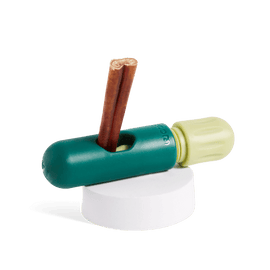
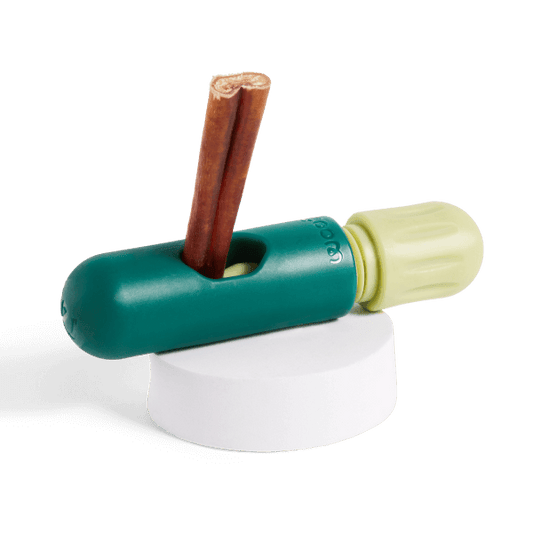
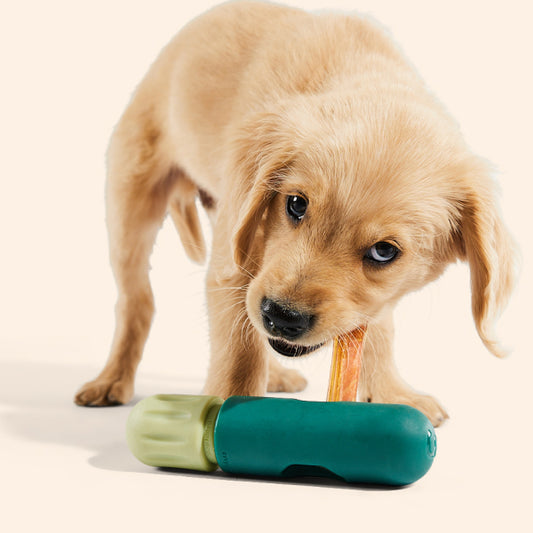
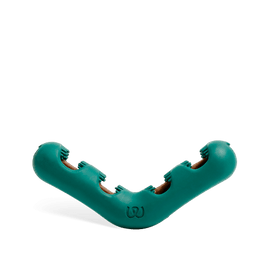
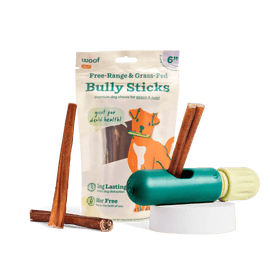
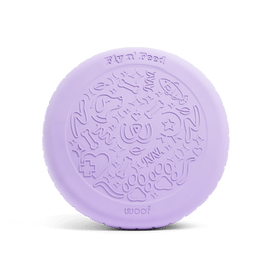
Using versatile enrichment tools like Fly n' Feed allows you to switch between physical play and calming licking rewards, helping your dog generalize their response to their name across different environments and energy levels.
From “Treat?” to True Connection
When your dog starts responding to their name with the same excitement they reserve for food words, something magical happens. Communication becomes smoother, walks feel more connected, and training moments turn into bonding experiences instead of battles.
At Woof, we believe the strongest training results come from joy, not pressure. By pairing your dog’s name with enrichment, play, and positive reinforcement, you are not just teaching a cue – you are building trust, focus, and a deeper relationship that lasts far beyond snack time.