




















































Is Kale Good for Dogs?
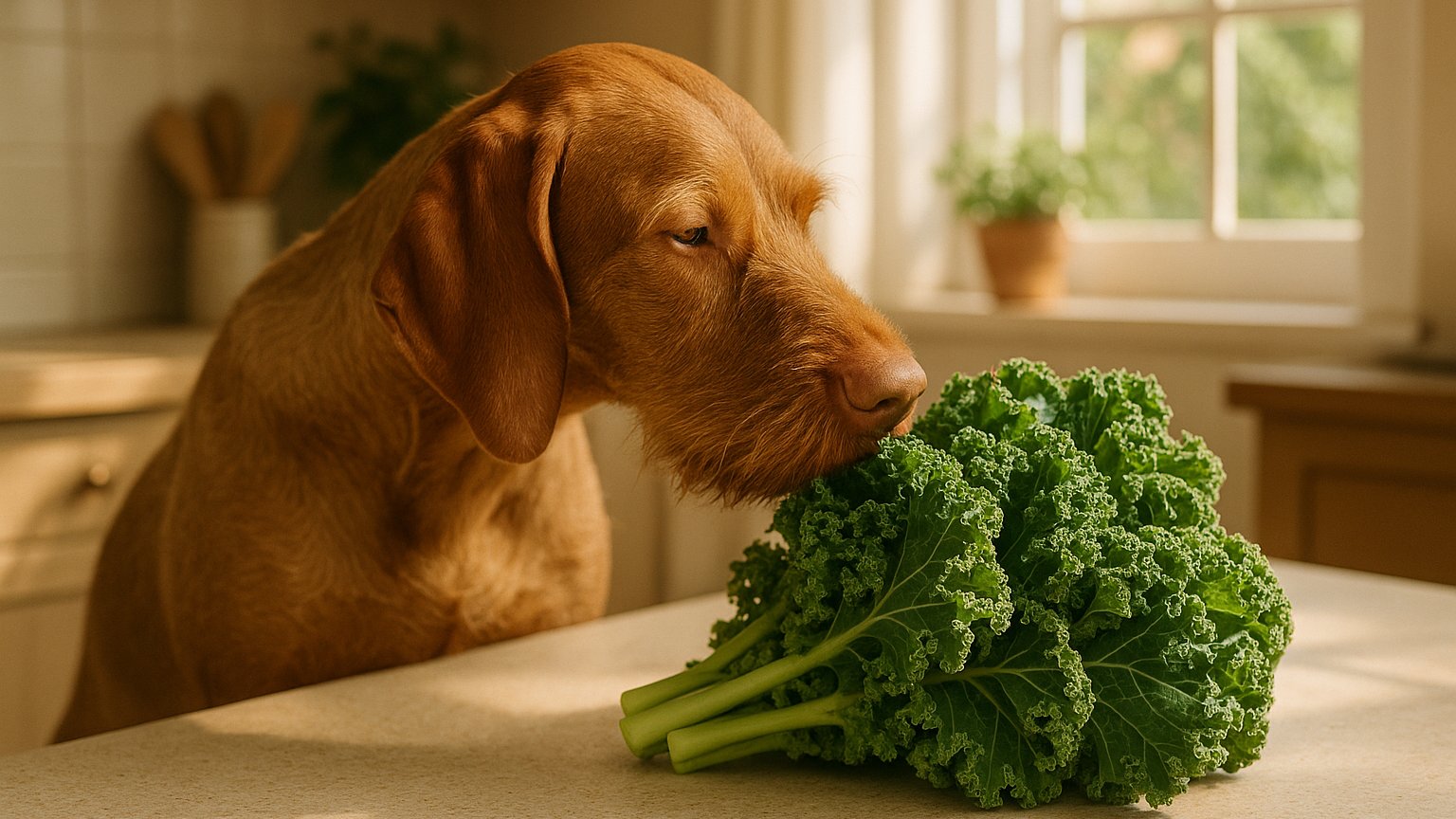
If you're a dog owner, you might have wondered whether the superfood kale, a popular leafy green for humans, is also a safe and nutritious option for your furry friend. While kale is packed with vitamins and minerals that are beneficial for people, it's important to understand whether it can be a good addition to your dog's diet. In this blog post, we'll take a deep dive into the benefits and potential risks of feeding kale to dogs, and how you can incorporate it into your dog's meals responsibly.
Health Benefits of Kale for Dogs
First, let’s talk about the health benefits of kale for dogs. Kale is an excellent source of vitamins A, C, and K, which help support your dog’s immune system, skin health, and overall vitality. Additionally, it contains fiber, which can help regulate digestion and promote a healthy gut. Many pet owners choose to add kale to their dog's food as a way to increase their pup’s intake of essential nutrients in a low-calorie, nutrient-dense form.
Potential Risks of Feeding Kale to Dogs
However, as with any new food, there are some considerations to keep in mind before offering kale to your dog. Kale contains a compound called oxalate, which can interfere with calcium absorption and lead to kidney issues in some dogs if consumed in large quantities. Furthermore, kale is high in fiber, which can cause gastrointestinal upset if your dog isn't used to it. It’s crucial to feed kale in moderation and to observe how your dog reacts, especially if they have a sensitive stomach or any existing kidney or digestive issues.
How to Prepare Kale Safely for Your Dog
When preparing kale for your dog, it's important to cook it first. Raw kale can be tough for dogs to digest and may lead to bloating or discomfort. Cooking kale makes it easier for your pup to absorb the nutrients and reduces the risk of digestive upset. Additionally, avoid adding seasonings, oils, or other ingredients that could be harmful to your dog. Steaming or lightly boiling the kale is a great way to prepare it for your furry friend.
Easy Ways to Add Kale to Your Dog’s Diet
Now that we know the benefits and potential risks of kale for dogs, let’s discuss some of the best ways to incorporate it into your dog’s diet. One option is to add small amounts of cooked kale to your dog’s regular meals as a healthy topping. You can mix it into kibble or wet food, or even combine it with other dog-safe vegetables like carrots or sweet potatoes for a nutritious and flavorful treat. Another great way to serve kale is by incorporating it into dog-friendly recipes, such as homemade dog biscuits or treats. Just be sure to stick to simple, dog-safe ingredients and avoid adding sugar, salt, or other harmful additives.
Boosting Wellness with Woof Toys and Treats
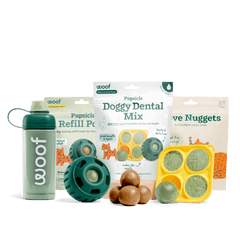
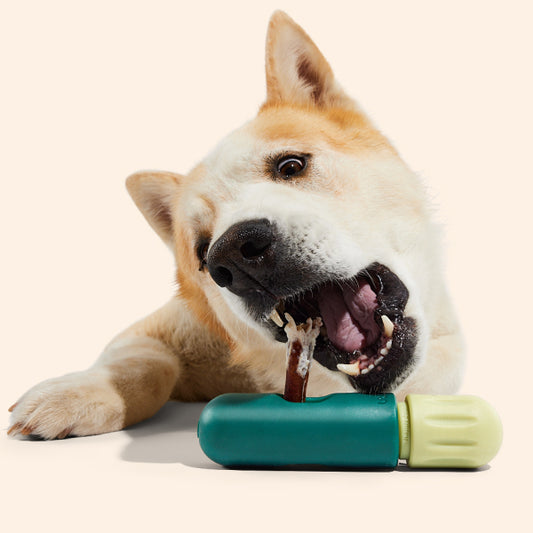
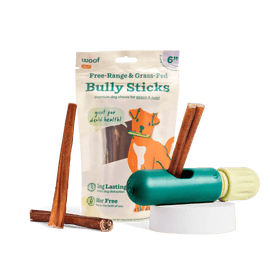
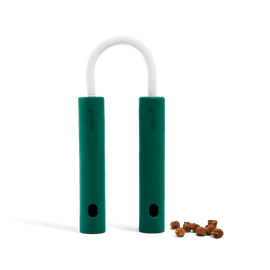
If you’re looking to enhance your dog's overall wellness, why not pair a healthy diet with some fun and enriching activities? The Woof Flyball is a durable, launcher-friendly fetch ball that doubles as a treat-dispensing puzzle, making playtime more exciting and engaging for your pup. You can also treat your dog to some tasty and nutritious Woof Puzzle Treats, air-dried, chicken-based treats that fit perfectly with Woof's puzzle toys. These treats turn playtime into a longer-lasting reward!
For mealtime, you might want to try the Woof Walkabout, a rolling slow-feeder puzzle ball that not only turns mealtime into a fun exercise but also helps slow down rapid eaters. This innovative toy features an adjustable dial for kibble size and is made with durable, floor-friendly rubber, making it perfect for indoor play.
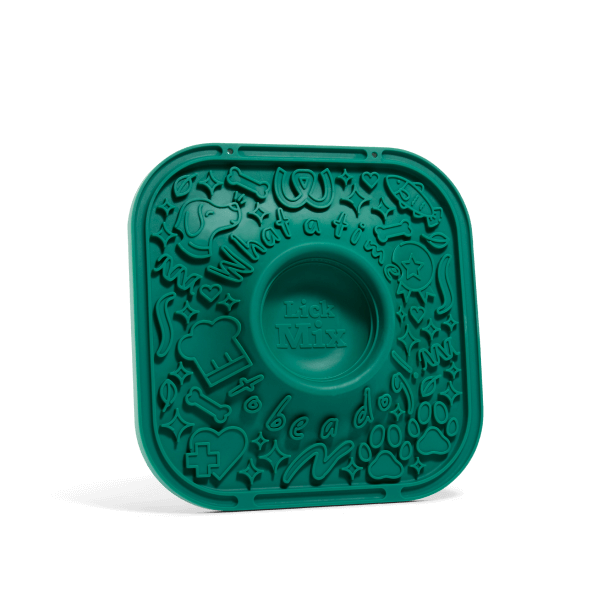
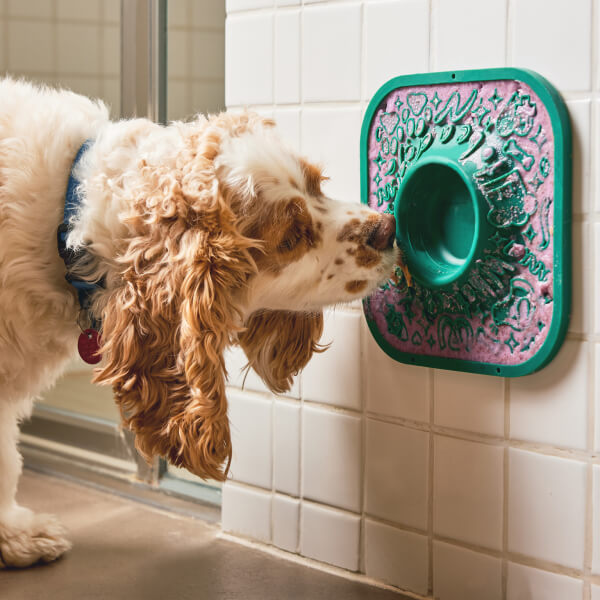
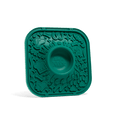
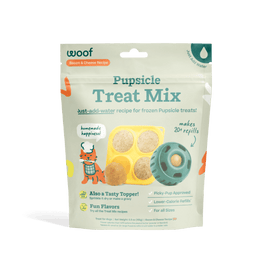
As an added bonus, you can also enhance your dog's wellness with Woof's range of products like the Flyball and Woof Puzzle Treats, which are designed to support your dog's mental and physical well-being. And for those moments of relaxation, the LickMat provides a calming experience by allowing your dog to lick away their stress.
Final Thoughts: Should Your Dog Eat Kale?
While kale can offer some health benefits for your dog, always remember to introduce new foods gradually, monitor your dog’s reactions, and ensure you're feeding them in moderation. And of course, always consult your veterinarian before making any significant changes to your pet's diet to ensure it aligns with their individual health needs.
In conclusion, kale can be a healthy and tasty addition to your dog’s diet when prepared and served correctly. As with any new food, it’s important to keep an eye on your dog’s reaction and to feed it in moderation. Kale should be a small part of a well-balanced, nutritious diet. Whether it’s through incorporating kale into their meals or giving them a nutritious treat or puzzle toy, Woof is here to help support your dog’s health and happiness.