












































As a dog parent, seeing your furry friend in discomfort due to a luxating patella can be heartbreaking. This condition, where the kneecap moves out of its normal position, can cause pain and mobility issues, but the good news is that with the right care, you can help your dog recover from this ailment right at home. In this guide, we'll walk you through how to perform at-home physical therapy for a dog with a luxating patella, making the recovery process as smooth and effective as possible.
The luxating patella, also known as a dislocated kneecap, affects many dogs, particularly smaller breeds. This condition can be caused by a variety of factors, including genetic predisposition, injury, or uneven bone development. Thankfully, performing physical therapy at home can help improve your dog’s mobility, strengthen muscles around the knee, and reduce the pain caused by the luxating patella. So, let’s get started with some simple steps to help your pup feel better!
Start with Gentle Warm-Ups
Before jumping into any physical therapy exercises, it’s important to warm up your dog’s muscles. Just like humans, dogs benefit from stretching and gentle movements that help increase blood flow and reduce the risk of injury. Start with a few minutes of walking, either inside or outside, depending on your dog's condition and comfort level. You can also encourage your dog to follow you around the house at a slow pace to gradually loosen up the joints.
Targeted Massage for Relaxation
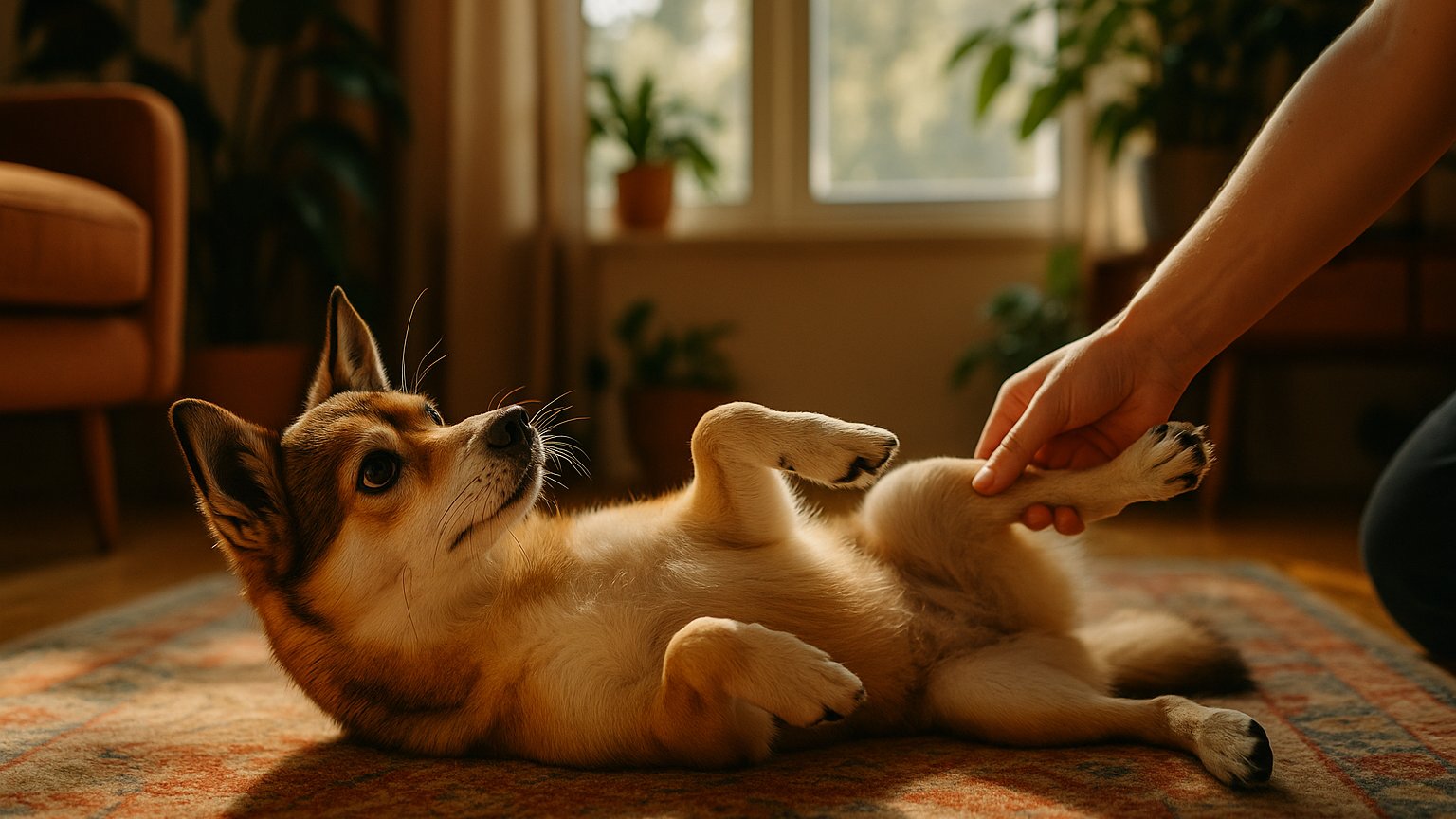
Massage therapy can be an excellent way to help your dog relax and prepare for the more intense physical therapy exercises. Focus on gently massaging the thigh muscles and the areas surrounding the knee joint. This helps to alleviate tension and stiffness, improving circulation and flexibility in the affected area. Use slow, circular motions with your fingers, ensuring that you’re not applying too much pressure.
Strengthening Exercises: Build the Muscles Around the Patella
One of the most effective ways to treat a luxating patella at home is by strengthening the muscles around the knee. This can help stabilize the joint and reduce the chances of the kneecap slipping out of place. Here are a few simple exercises you can try:
- Rear Leg Lifts: Gently lift one of your dog’s hind legs while keeping the other paws on the ground. Hold for a few seconds before gently lowering the leg back down. This exercise strengthens the thigh muscles and improves joint stability.
- Slow Walks on a Soft Surface: Encourage your dog to walk slowly on a soft surface, such as a carpet or mat. The added resistance of the soft surface can help build strength in the legs.
- Targeted Squats: Have your dog stand with their back legs slightly elevated (you can use a cushion or small platform). As they squat down to maintain balance, it engages the muscles surrounding the knee.
Use Functional Mobility Aids
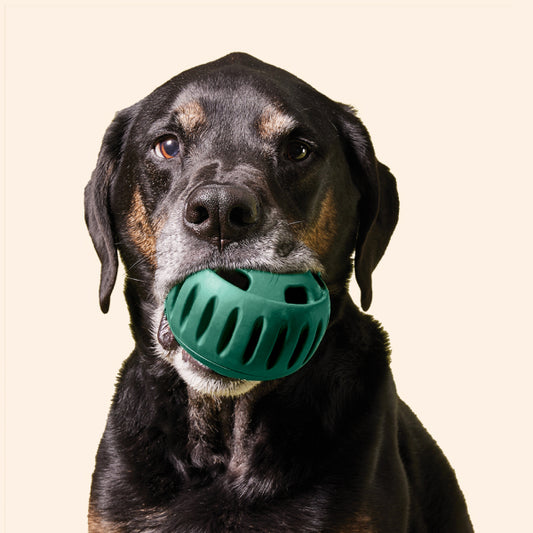
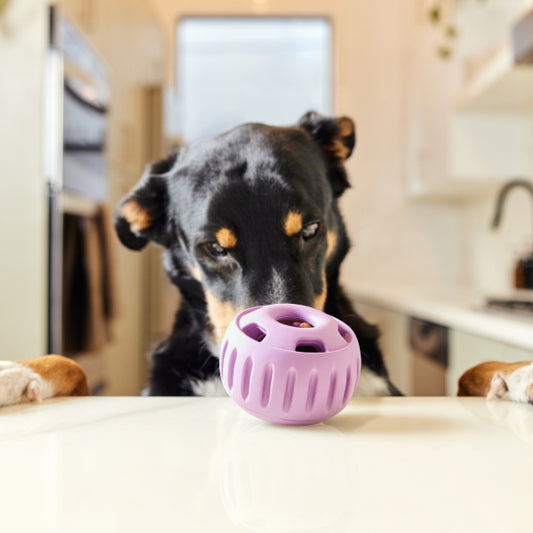
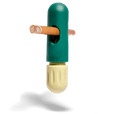
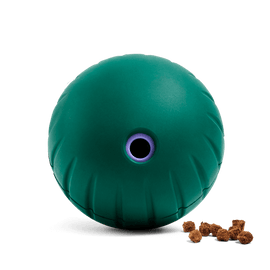
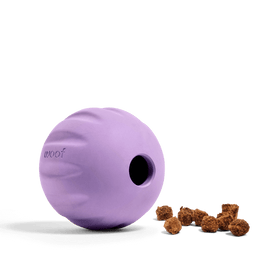
Sometimes, dogs with a luxating patella need a little extra support to get around. Products like the Woof Walkabout can help turn mealtime into a fun and beneficial exercise session. This slow-feeder puzzle ball is perfect for keeping your dog engaged while providing gentle, low-impact exercise that doesn’t stress the knee.
Consider Licking for Stress Relief
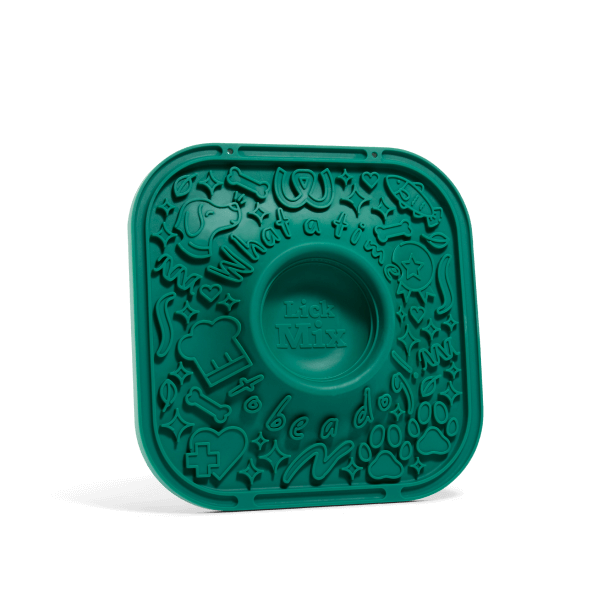
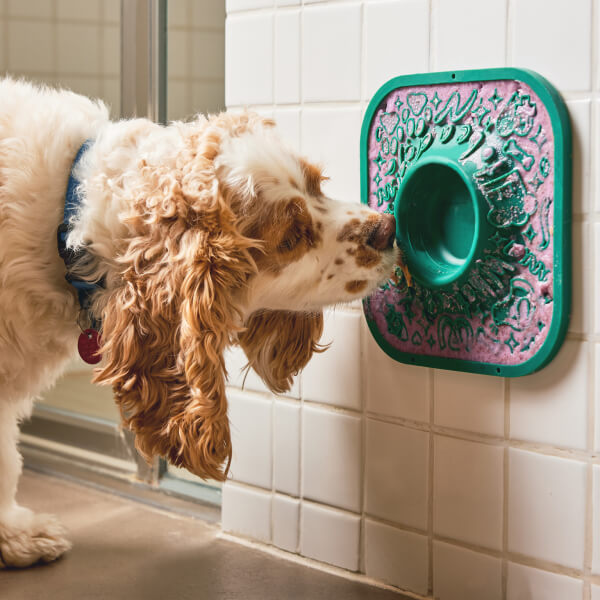
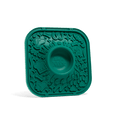
Stress can exacerbate pain in dogs, and that’s where a tool like the LickMat comes in handy. The LickMat encourages your dog to engage in slow, mindful licking, which can help reduce anxiety and promote relaxation. Use a calming treat or even some peanut butter to make the experience more enjoyable!
Hydrotherapy for Low-Impact Exercise
If your dog is comfortable with water, hydrotherapy can be a fantastic addition to your at-home physical therapy routine. Water buoyancy reduces the strain on your dog’s joints while still allowing for a full range of motion. Consider a small kiddie pool or a gentle stream where your dog can walk through the water. The resistance from the water will help to strengthen your dog’s muscles without putting pressure on the luxating patella.
Keep Track of Progress and Consult Your Vet
As you incorporate these physical therapy exercises into your dog’s routine, it’s crucial to track their progress. Keep an eye on their pain levels, mobility, and overall mood. If you notice that the pain worsens or that your dog is struggling with the exercises, it’s important to consult your veterinarian for advice and potential alternative treatments.
Physical therapy at home can be incredibly beneficial for a dog with a luxating patella, but it’s important to remember that every dog is different. What works for one dog may not work for another, so be sure to adapt these exercises to your dog’s specific needs. With time, patience, and the right tools, you can help your furry friend regain their strength and mobility.
Conclusion: A Happier, Healthier Pup Awaits
By performing these at-home physical therapy exercises, you’re providing your dog with the support they need to recover from a luxating patella. With the right care, your dog can regain their strength and return to the playful, active pup they once were. And remember, products like the LickMat and Woof Walkabout are here to help make the recovery process smoother and more enjoyable. Here’s to many more tail wags and happy walks!