





























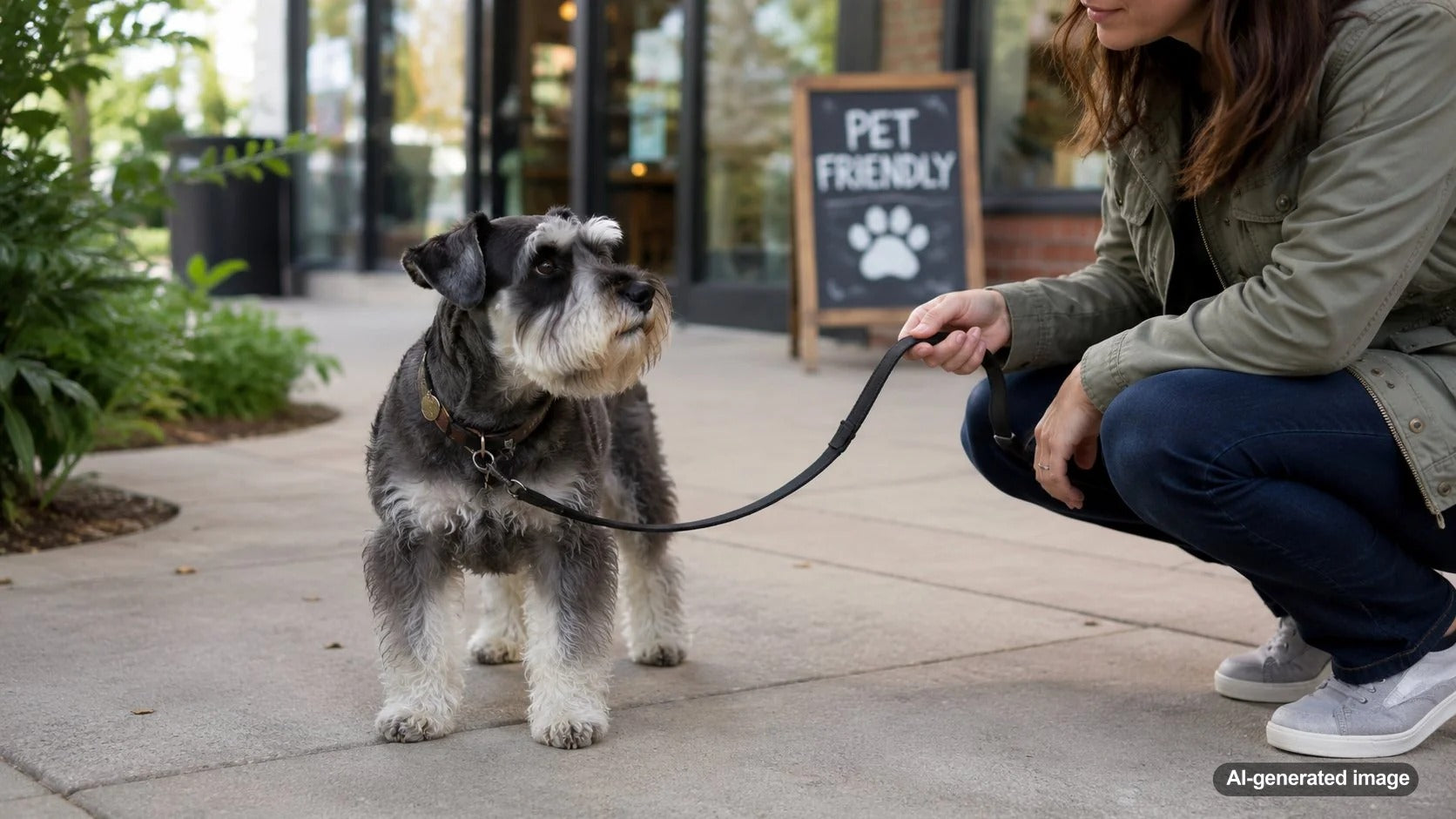
Pet-friendly stores can look like exciting social adventures, but some dogs experience them as a wall of unfamiliar sounds, smells, people, carts, shiny floors, and surprise greetings. A dog who pulls, pants, freezes, barks, or refuses treats is not necessarily being stubborn or poorly behaved. They may simply be overwhelmed and need a shorter, easier introduction to the environment.
The most helpful approach is to stop measuring success by how far your dog gets into the store. Instead, focus on whether your dog can remain comfortable, notice the environment, respond to you, and leave before stress takes over.
Learn What Overwhelm Looks Like in Your Dog
Overwhelm does not always look dramatic. Barking, lunging, frantic pulling, and attempts to escape are clear signs, but many dogs communicate discomfort much earlier.
Watch for repeated lip licking, yawning when your dog is not tired, pinned-back ears, a tucked tail, sudden panting, excessive sniffing, shaking off, pacing, freezing, or turning the head away. A dog may also stop responding to familiar cues or refuse a treat they normally love.
Refusing food is especially useful information. It often means the environment is currently too difficult for productive training. Do not wave the treat closer or keep asking for a sit. Create distance, step outside, or end the visit.
Identify the Part of the Store That Is Difficult
A pet-friendly store contains several challenges at once. Your dog might be comfortable with people but nervous around shopping carts. Another dog may tolerate the entrance yet struggle when a barking dog appears at the end of an aisle.
Common triggers include automatic doors, rolling carts, loudspeaker announcements, slippery flooring, narrow aisles, direct approaches from strangers, other dogs, children, strong smells, and employees reaching over the dog's head.
Try to identify the earliest point where your dog's body changes. That detail helps you adjust the next visit. For example, you might practice near parked carts outside instead of immediately attempting another full shopping trip.
Start With a Visit That Barely Counts as a Visit
Your first practice session might involve parking away from the entrance, letting your dog observe from the car, and then going home. The next visit could be a two-minute sniff around the outer edge of the parking lot.
When your dog appears relaxed, move a little closer during a future session. You might reward your dog near the entrance without going inside, walk through the doorway and immediately leave, or explore one quiet aisle before heading out.
This gradual process helps your dog experience the store at an intensity they can manage. Progress may take several visits, and it does not need to move forward every time. A crowded parking lot or noisy event may mean practicing farther away that day.
Use Rewards Before Your Dog Reaches the Breaking Point
Bring small, high-value treats that your dog can eat quickly. Reward calm check-ins, loose-leash walking, looking at a cart without reacting, or choosing to turn back toward you after noticing a person.
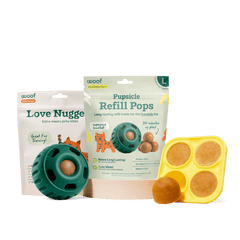
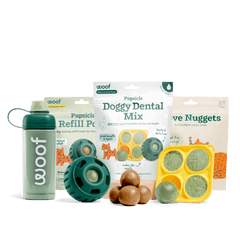
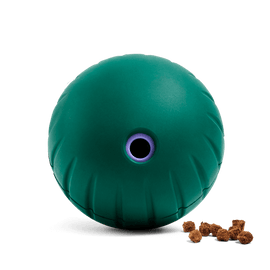
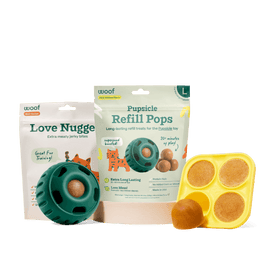
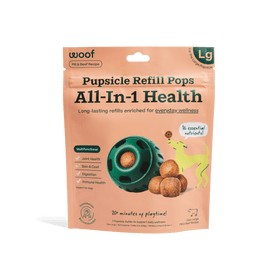
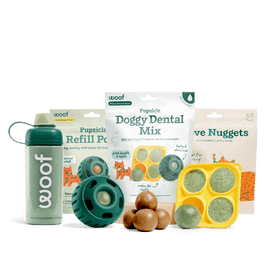
Love Nuggets can be broken into appropriately sized training rewards for brief practice sessions. Give the reward while your dog is still thinking clearly rather than waiting for barking or frantic pulling to begin.
You can also teach simple skills at home before using them in public. Practice a cheerful U-turn cue, a hand target, and a cue that invites your dog to look at you. These skills are most useful when they are automatic in easy environments first.
Protect Your Dog From Unwanted Greetings
A pet-friendly policy does not mean your dog must greet every person or animal. Direct greetings can create pressure, especially when the leash prevents a dog from moving away naturally.
Stand between your dog and an approaching person, move to the side of an aisle, or say, "We are training, so we are not saying hello today." You do not owe anyone access to your dog.
Small dogs may be particularly vulnerable in crowded aisles because they can be overlooked or approached from above. Large dogs need space too, even when they appear physically capable of handling a busy environment.
Keep the Visit Short and Plan a Calm Finish
Five comfortable minutes are more valuable than 30 minutes that end in panic. Leave after a small success, such as walking through the entrance calmly or passing one cart at a comfortable distance.
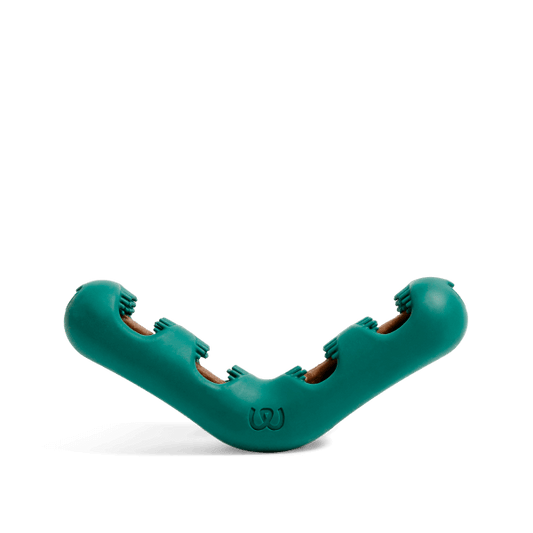
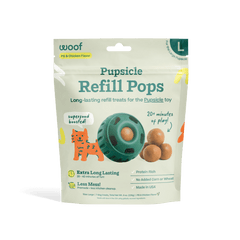
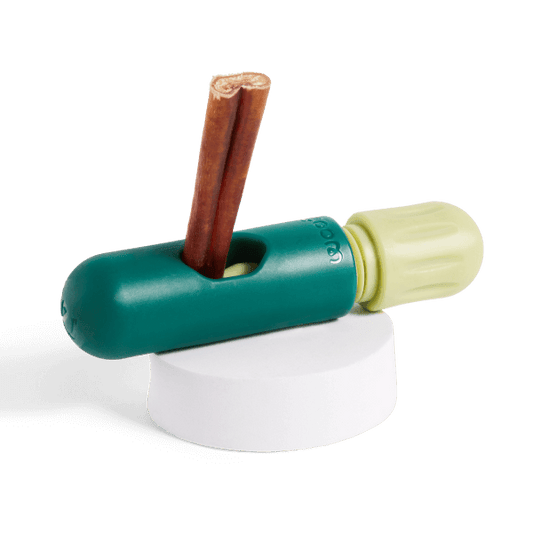
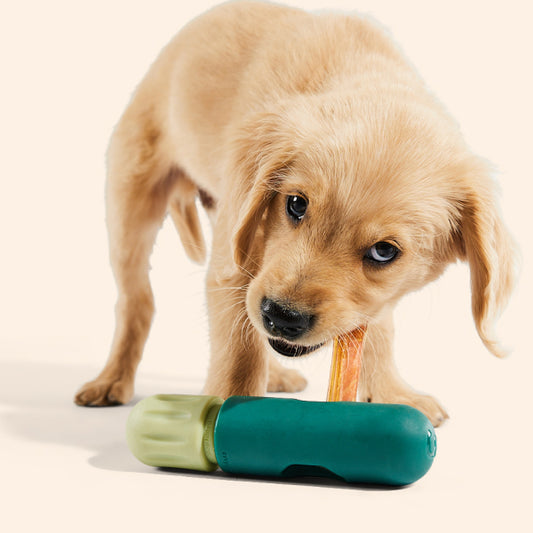
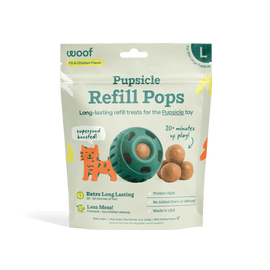
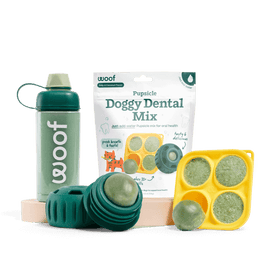
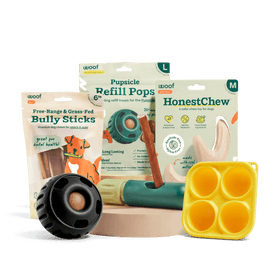
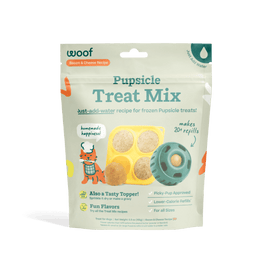
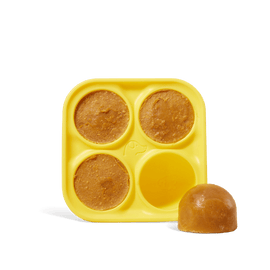
Afterward, give your dog time to decompress in a quiet place. A sniffing walk, nap, or familiar enrichment activity may help them settle. At home, The Pupsicle can provide a longer-lasting licking activity as part of a calm post-outing routine.
- Dragging or coaxing a frightened dog farther into the store
- Allowing strangers or dogs to approach without consent
- Correcting barking, growling, or freezing instead of creating distance
- Staying until the dog is too stressed to eat or respond
- Assuming frequent exposure will automatically make the fear disappear
Know When a Store Visit Is Not the Right Goal
Some dogs do not enjoy busy indoor stores, and that is okay. Socialization does not require a dog to love every environment. The goal is to help your dog feel safe and function comfortably in situations that matter to daily life.
If your dog repeatedly panics, attempts to escape, redirects aggression, cannot recover after visits, or becomes increasingly reactive, pause store practice. Ask your veterinarian to rule out pain or health changes, then consult a qualified positive-reinforcement trainer or veterinary behavior professional for an individualized plan.
Dog Parent FAQs
Should I carry my dog inside if they refuse to walk?
Usually, carrying a frightened dog into a more intense environment does not help them become comfortable. Start farther away unless carrying is necessary for immediate safety.
How long should a training visit last?
Some early visits may last only one to five minutes. End before your dog becomes overwhelmed, even if you never enter the store.
Should my dog greet other dogs in the store?
No. Leashed greetings in narrow aisles can create pressure. Passing calmly at a comfortable distance is often a better training goal.
What if my dog suddenly stops taking treats?
Increase distance or leave the environment. Refusing a normally valuable treat can indicate that the situation has become too stressful.
A Better Definition of a Successful Store Visit
A successful outing is not one where your dog explores every aisle or charms every shopper. It is one where you notice your dog's signals, make thoughtful adjustments, and protect their sense of safety.
With quiet timing, generous distance, short sessions, and rewards for manageable moments, many dogs can build confidence gradually. Others may be happiest practicing near the store without becoming regular shoppers. Respecting that preference is not giving up. It is good dog parenting.


