



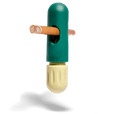
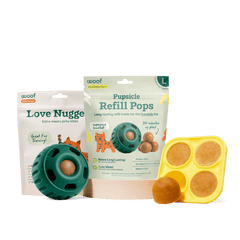
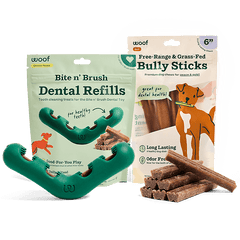


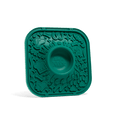














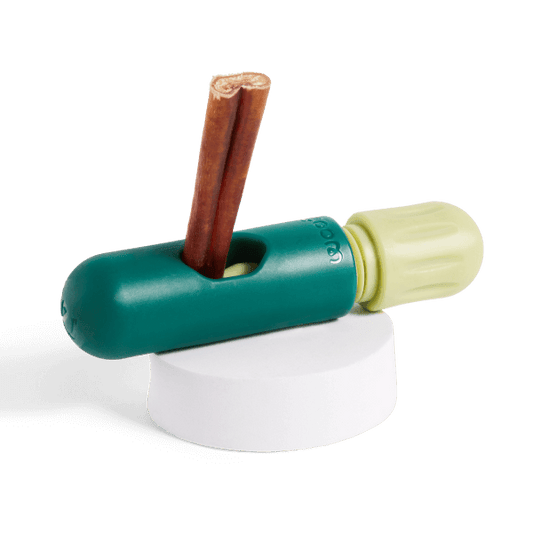
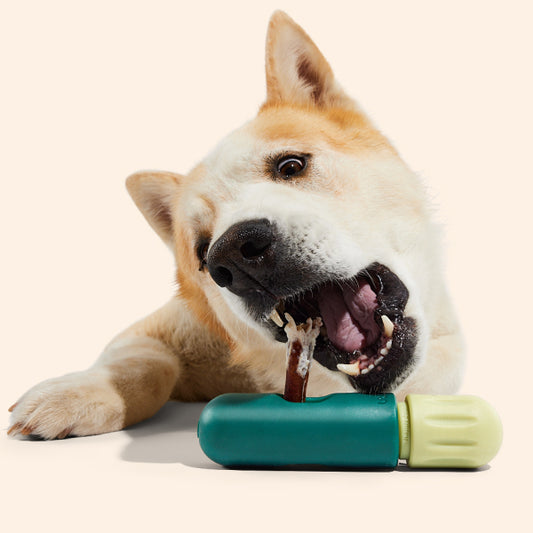
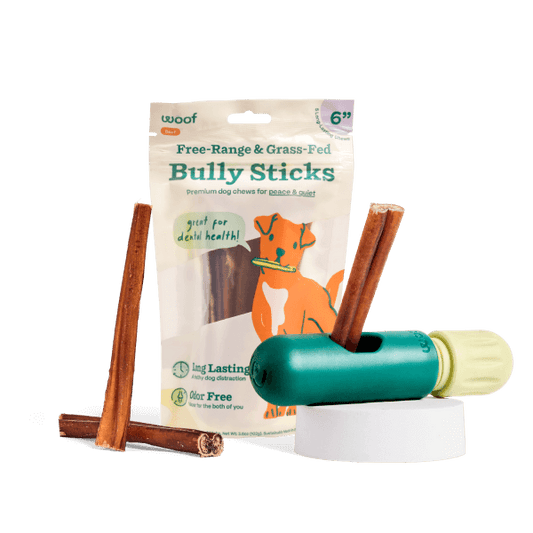
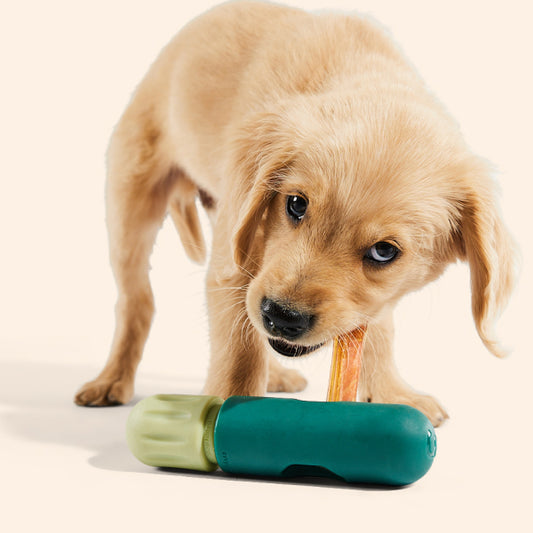













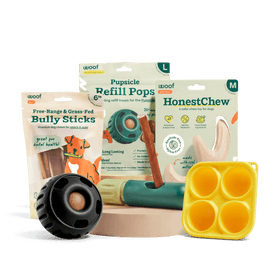












A backyard can be so much more than grass and a fence when it is designed with your dog in mind, and a scent garden is one of the easiest ways to turn everyday outdoor time into a full sensory adventure. Right from the start, pairing nature with enrichment tools like the Flyball gives curious noses something exciting to explore before playtime even begins. Dogs experience the world primarily through scent, and creating a safe, intentional garden filled with dog-friendly herbs gives them a calm, confidence-boosting way to sniff, explore, and relax. The result is an outdoor space that feels stimulating without being overwhelming, and playful without sacrificing safety.
Think of a scent garden as enrichment that grows. Instead of constant toys or treats, your pup gets a rotating sensory experience that changes with the weather, the season, and their mood. It is a simple idea with big benefits, especially for dogs who need mental stimulation just as much as physical exercise.
What is a scent garden and why dogs love it
A scent garden is a small planted area designed specifically for your dog to sniff and explore. Unlike decorative gardens meant only for people, this space is meant to be interacted with. Dogs love it because it taps directly into their natural instincts. Sniffing lowers stress, improves focus, and helps dogs self-regulate their energy levels.
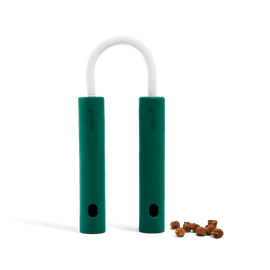
Adding a scent garden to your yard can be especially helpful for dogs who get bored easily, struggle with anxiety, or need low-impact enrichment. Pairing outdoor sniffing with indoor enrichment toys like the Walkabout keeps your dog mentally engaged no matter where they are.
Choosing dog-safe plants you can trust
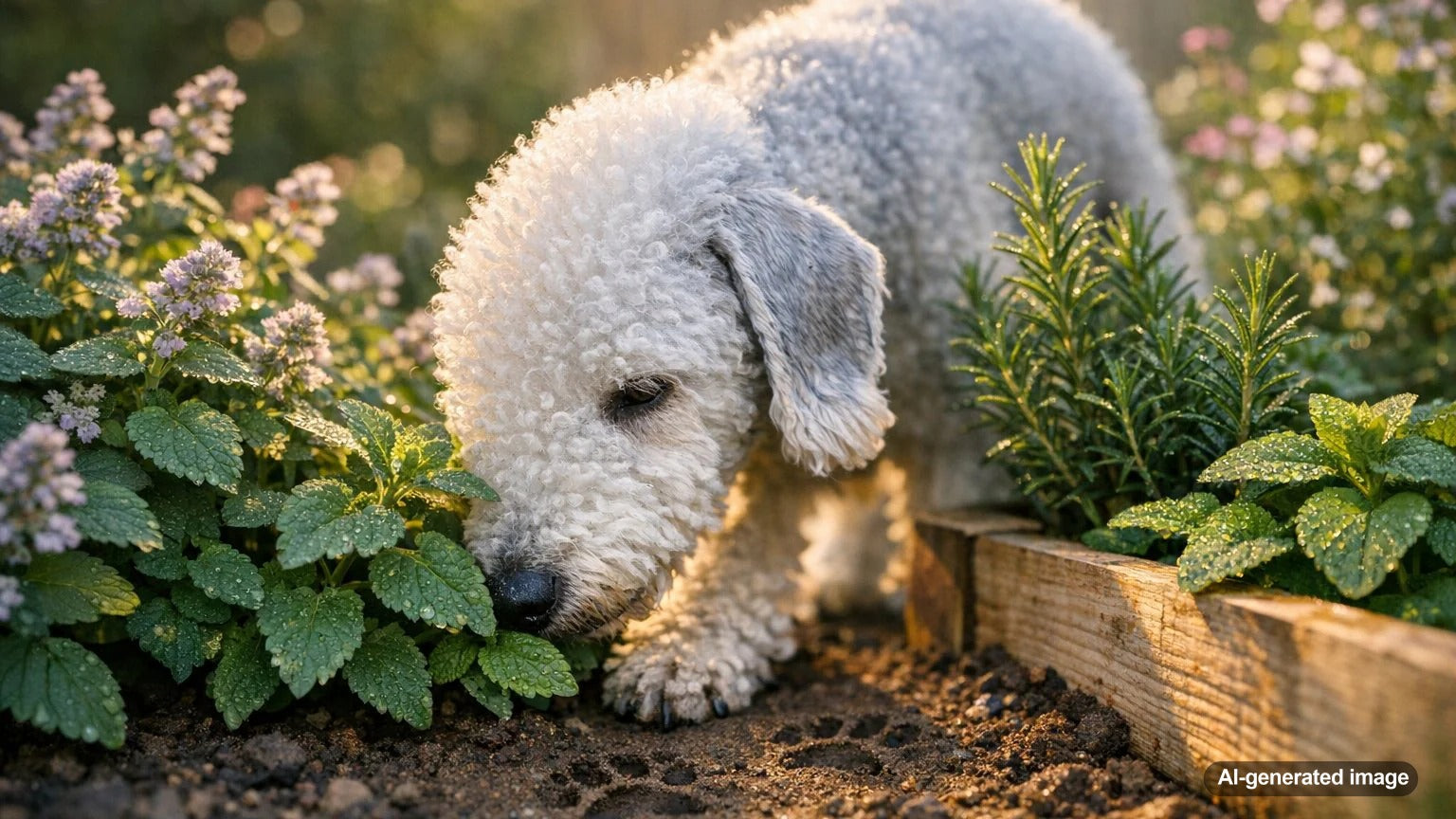
Not all plants are dog-friendly, which is why selecting safe options is critical. The good news is that catnip, rosemary, and mint are all non-toxic for dogs when used appropriately and planted in moderation. These herbs offer distinct scents that dogs find fascinating without posing unnecessary risks.
Always plant herbs in raised beds or designated areas to discourage over-digging, and avoid chemical fertilizers or pesticides. Natural soil and proper drainage go a long way in keeping the garden safe and enjoyable.
Catnip: not just for cats
Catnip has a reputation for driving cats wild, but dogs experience it differently. For many dogs, catnip has a mild calming effect that encourages relaxed sniffing rather than hyperactivity. It can be especially useful for high-energy pups who benefit from slower, scent-focused enrichment.
Let your dog explore catnip naturally instead of encouraging chewing. After a good sniffing session, transitioning into interactive play with the Fly n' Feed can help balance excitement with calm engagement.
Rosemary: grounding and aromatic
Rosemary brings a woody, earthy scent that many dogs find grounding. It is hardy, easy to grow, and stands up well to curious noses brushing past. Rosemary also makes a great border plant, giving your scent garden structure while adding another layer of sensory interest.
Because rosemary grows upright, it encourages dogs to sniff gently rather than dig. This makes it ideal for dogs who tend to get a little too enthusiastic in the garden.
Mint: refreshing and energizing
Mint offers a bright, fresh scent that wakes up the senses. Dogs often enjoy the cool aroma, especially during warmer months. Mint spreads quickly, so planting it in containers or raised beds helps keep it under control.
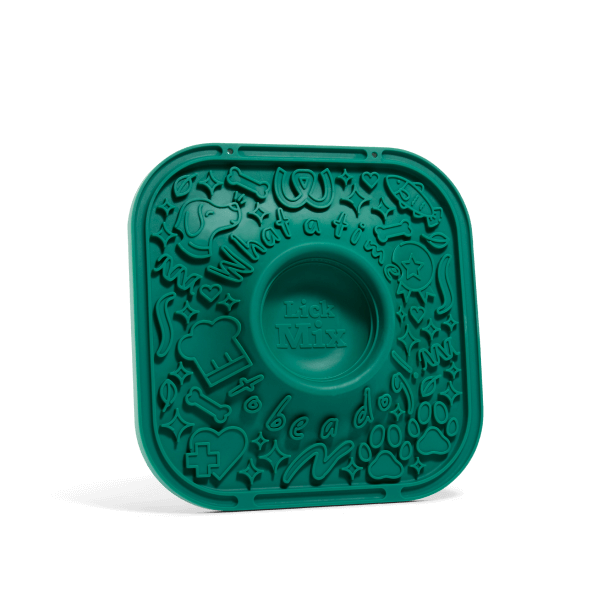
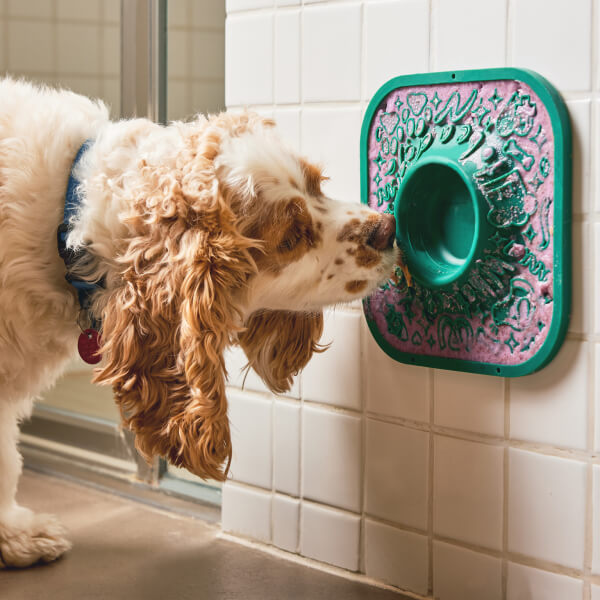
After a minty sniff session, many dogs enjoy settling down with calming enrichment like The LickMat paired with a soothing spread. This combination supports relaxation and mental balance after outdoor play.
Designing your scent garden layout
You do not need a large yard to create a scent garden. Even a small corner, patio, or balcony can work with the right setup. Group herbs by height and texture so your dog can move naturally from one scent to another.
Leave clear walking paths between plants to prevent trampling, and consider adding a soft mulch layer that feels good under paws. Avoid sharp stones or bark that could irritate sensitive feet.
Turning sniffing into enrichment routines
A scent garden becomes even more powerful when it is part of a routine. Encourage your dog to explore the garden before meals or after walks. This helps them decompress and transition between activities.
You can also hide Woof Puzzle Treats nearby to create a gentle scavenger hunt that builds confidence and focus without overstimulation.
Safety tips every dog parent should know
While catnip, rosemary, and mint are safe, moderation is key. Supervise early interactions to see how your dog responds, and redirect if they try to eat large amounts of plants. Regular trimming keeps the garden tidy and prevents overgrowth.
Always wash herbs if you plan to use them for human cooking, and keep garden tools out of reach. A well-maintained scent garden should feel inviting, not chaotic.
Extending enrichment beyond the garden
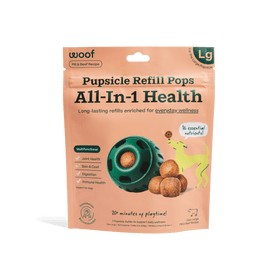
The beauty of a scent garden is how easily it pairs with other enrichment tools. On rainy days or busy afternoons, indoor options like the Pupsicle or calming chews help maintain the same balance of stimulation and relaxation.
When dogs have consistent outlets for their senses, they are more content, confident, and connected to their environment. A scent garden is not just a fun project, it is a thoughtful way to support your dog’s emotional well-being.
By combining safe plants, intentional design, and trusted Woof enrichment products, you can create a backyard experience that feels just as exciting to your dog as a brand-new toy. Sometimes, the most powerful enrichment grows right outside your door.