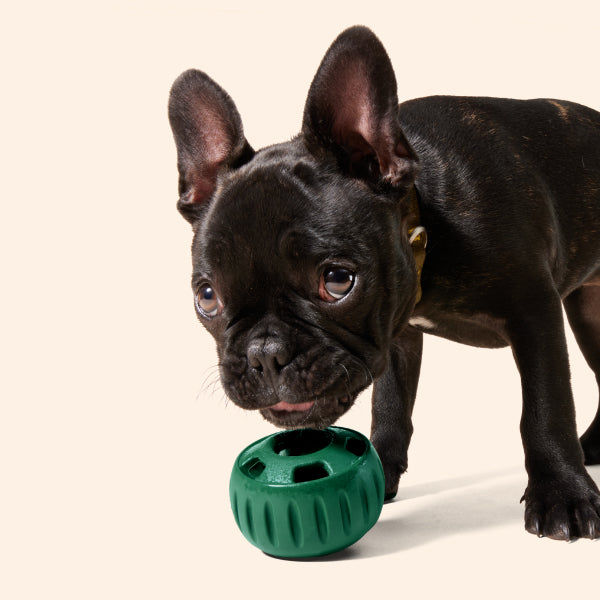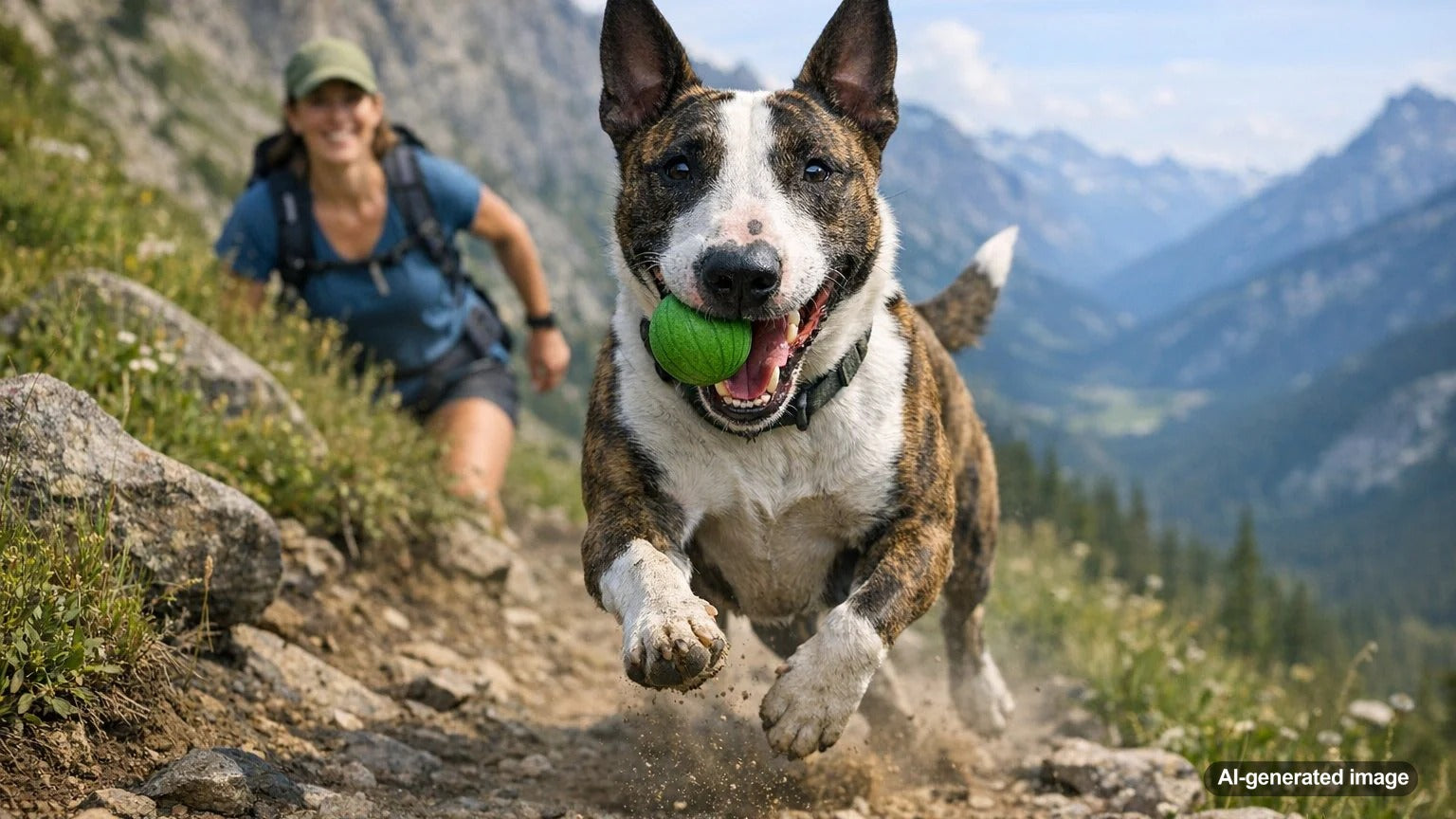
One of the sweetest parts of life with a dog is learning how they say, "Let's have some fun." Dogs may not use words, but they are incredibly expressive when they are feeling playful, curious, and ready to connect. From a bouncy little hop to a goofy grin and a full-body wiggle, those playful signals are your pup's way of inviting you into the moment. When you understand what those cues look like, it becomes easier to respond with the kind of play your dog truly loves, whether that means tossing a toy, setting up a calming enrichment session with FlipMat, or offering a longer-lasting reward with The Pupsicle.
The classic play bow is the big giveaway
If your dog lowers their front end, keeps their back end up, and looks at you like they are about to launch into zoom mode, you are probably seeing a play bow. This is one of the clearest ways dogs show playfulness. It is basically your dog saying, "Everything I do next is in good fun." You will often notice this before a game of chase, wrestling with another friendly dog, or a burst of excited movement around the living room. It is playful, social, and full of good energy.
A loose, wiggly body means your dog is having a good time
Playful dogs usually look soft and bouncy, not stiff or tense. Their movements seem light, loose, and a little silly in the best way. You might see a relaxed tail wag, springy steps, or that adorable side-to-side wiggle that seems to travel from nose to tail. This is very different from over-arousal or stress. A playful dog looks comfortable in their body. When you see that relaxed wiggle, it is often the perfect time to keep the fun going with interactive play, a puzzle session, or a treat-based activity from the Pupsicle Collection.
Happy facial expressions matter more than most people realize
Dogs show playfulness with their faces too. Soft eyes, a relaxed mouth, and an open, easy expression often mean your pup is feeling good. Some dogs look like they are smiling when they are in a playful mood. Others get bright, alert eyes and an eager, focused expression when they are waiting for you to join in. If your dog seems engaged but relaxed, that is a great sign that they are enjoying the interaction and are ready for more.
The zoomies are real, and yes, they usually mean fun
Those sudden bursts of running, spinning, and hilarious high-speed laps around the house or yard are often a major sign of playful excitement. Zoomies can happen after bath time, during a burst of evening energy, or when your dog simply feels extra good. While they can look chaotic, they are often a normal outlet for joy and energy. The trick is giving that energy a smart direction. A quick game with Fly n' Feed can shift a playful dog from fast fetch into calming lick-based enrichment, which is especially helpful when you want the fun to end on a settled note.
Playful dogs love inviting you into a game
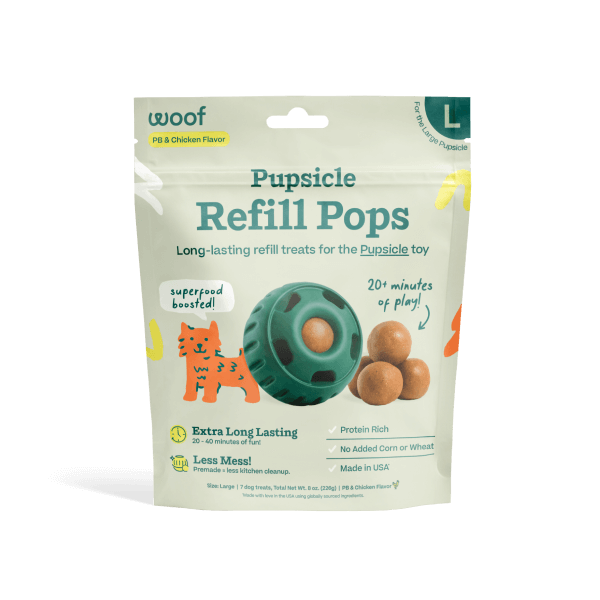
Many dogs do not just play on their own. They recruit you. Maybe your dog brings you a toy, paws at your leg, nudges your hand, or trots a few feet away and then looks back to make sure you are following. That invitation is a social signal. Your dog is not just asking for activity. They are asking for connection. This is why interactive products can be such a win. A dog who loves engagement may enjoy solving, chewing, licking, or working for rewards with toys like Nomchucks or a longer distraction option like Pupsicle Pops.
Gentle mouthing, bouncing, and playful vocal sounds can be part of the package
Some dogs get extra animated when they are excited. They may bounce in place, do exaggerated little hops, or make playful grumbles and happy barks. Others gently mouth at a toy, your sleeve, or the air near your hand as part of the game. The key is context. In playful moments, the body stays loose, the movements stay springy, and the dog can easily reset when the game pauses. If your pup loves active fun but needs help channeling it, rotating between reward-based play and enrichment can make a big difference.
Licking and chewing can also be playful, soothing forms of engagement
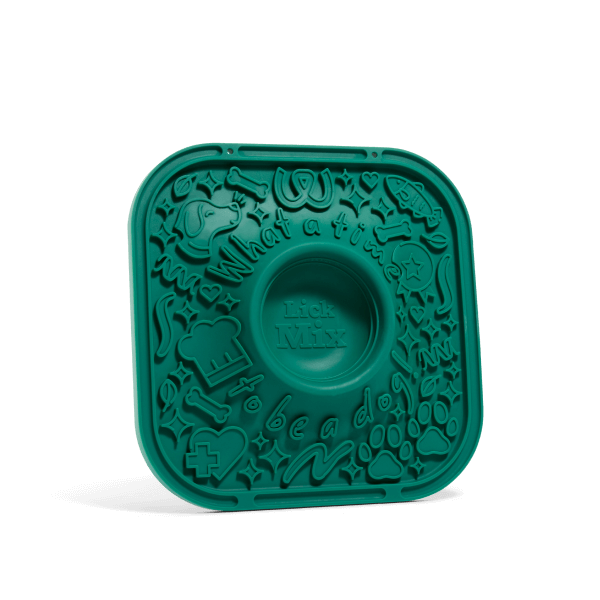
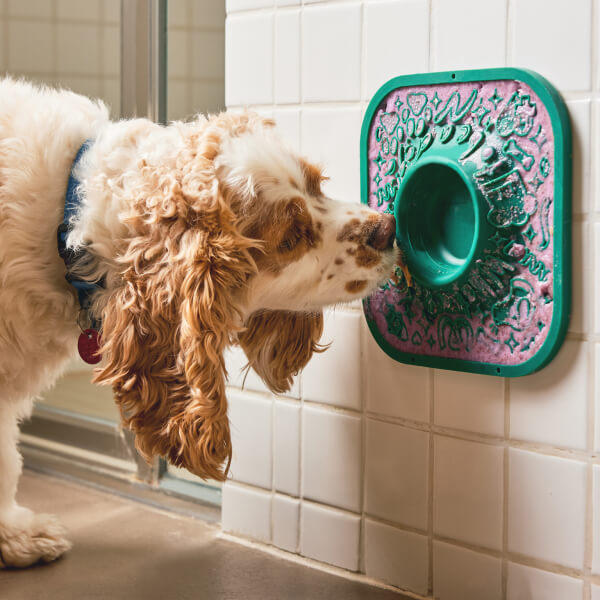
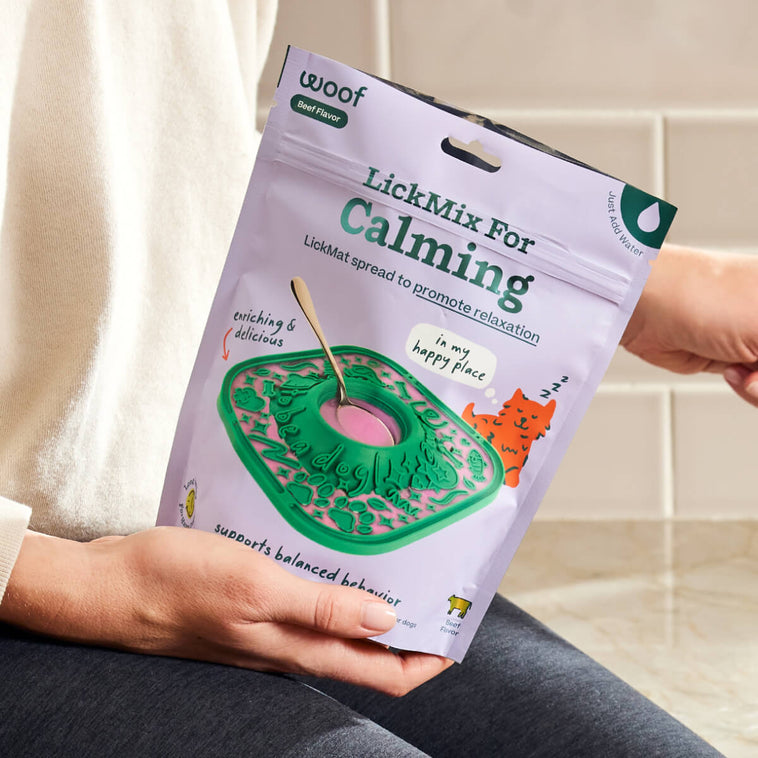
Playfulness is not always loud or high energy. For many dogs, especially after exciting activity, playful engagement shifts into focused licking, sniffing, chewing, and problem-solving. That is why enrichment matters so much. It gives dogs a way to enjoy themselves while also settling their brains and bodies. A dog who loves to play but gets overstimulated may do beautifully with The LickMat, Calming LickMix, or Calming Support LickWells. These kinds of activities let the fun continue in a calmer, more organized way.
Different dogs show playfulness in different ways
Not every dog is a zoomies-all-day kind of character. Some dogs are fetch fanatics. Some are chewers. Some live for tug. Some want food puzzles and quiet satisfaction. Some want all of the above, depending on the day. Paying attention to how your dog naturally asks for fun helps you choose the right kind of play. A high-energy pup may love switching between movement and reward with Flyball. A dog who likes focused, satisfying projects may prefer HonestChew or a treat challenge from the Treats Collection.
When you learn the signals, play becomes even better
Understanding how dogs show playfulness helps you become a better play partner. You can spot when your dog wants more excitement, when they want a social game, and when they would rather wind down with enrichment that still feels rewarding and fun. That means happier play sessions, better communication, and a stronger bond between you and your pup. The best part is that playful moments do not have to be complicated. A few minutes of thoughtful interaction, a satisfying chew, or a well-timed enrichment activity can turn everyday life into something your dog truly looks forward to. And honestly, there is nothing better than seeing that bright-eyed, wiggly look that says your dog is having the time of their life.