























































The Doberman Pinscher is a breed that commands attention — sleek, powerful, and astoundingly intelligent. But beneath that dignified exterior lies a loyal companion who thrives on connection, purpose, and being part of an active household. If you’ve ever wondered what makes Dobermans such extraordinary partners, this guide dives deep into their history, temperament, training needs, and what life with this dynamic breed truly looks like.
Developed in Germany in the late 19th century by tax collector Karl Friedrich Louis Dobermann, the breed was intentionally designed to be the ultimate working dog — alert enough to protect, athletic enough to work beside their handlers, and intelligent enough to learn quickly. Today’s Doberman carries all those traits, but with a refined temperament that blends confidence with tenderness toward family.
Origin: Germany, late 1800s
Size: 60–100 lbs · 24–28 inches tall
Lifespan: 10–12 years
Temperament: Loyal, alert, confident, intelligent, affectionate
Energy Level: High
Best For: Active owners, working households, families who enjoy daily training and exercise
What Makes a Doberman Pinscher Unique?
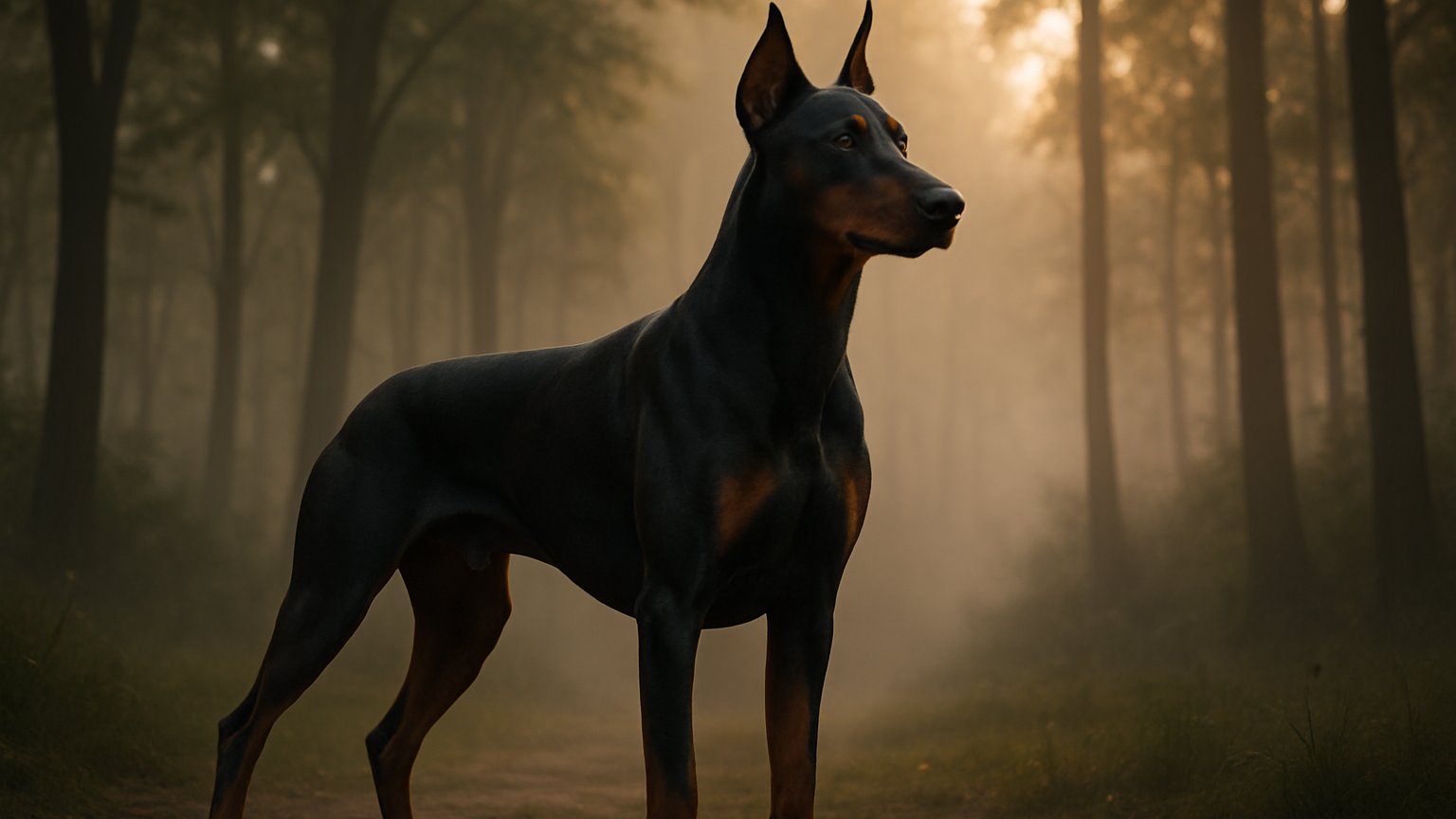
Dobermans are striking from the moment you see them — elegant, muscular, and poised. Their short, smooth coat enhances their athletic structure, while their alert expression shows just how aware and attentive they are. This is a breed built to think, act, and engage.
Beneath the polished exterior, Dobermans are deeply people-oriented. They bond intensely with their families and are happiest when included in daily life. They can be playful goofballs at home but shift instantly into focused working mode when needed. This duality — loving companion and capable working partner — is part of what makes them so beloved.
Despite their reputation as “guard dogs,” most Dobermans are gentle, affectionate, and incredibly loyal. Their protective instincts don’t come from aggression — they come from devotion. They want to keep their people safe because their family is everything to them.
Temperament: Loyal, Sensitive & Highly Intelligent
The Doberman temperament is a fascinating blend of courage, intelligence, and emotional sensitivity. They learn quickly, often reading subtle cues in body language and tone. This sensitivity allows them to bond deeply, but also means they thrive in calm, confident households.
Key temperament traits include:
- Deep loyalty: Dobies often form strong attachments to one or two people.
- High trainability: They excel at obedience, agility, protection work, scent work, and service tasks.
- Emotional awareness: They respond strongly to human moods and energies.
- Protective instincts: Naturally alert and watchful, but not aggressive without cause.
- Playful at heart: Despite their serious appearance, many Dobermans are goofy, affectionate, and eager to entertain.
When properly socialized, Dobermans are confident, steady, and adaptable in a variety of environments, from busy households to working roles.
Exercise & Mental Enrichment — Keeping a Doberman Balanced
Dobermans are athletes through and through. They thrive with structured activity — long walks, fast-paced runs, training sessions, agility, or obedience work. Most need 60–90 minutes of intentional exercise each day, plus mental enrichment that satisfies their sharp minds.
Great outlets include:
- Brisk walks or runs
- Hiking or field play
- Fetching and sprint-based games
- Agility or obedience training
- Puzzle toys and scent games
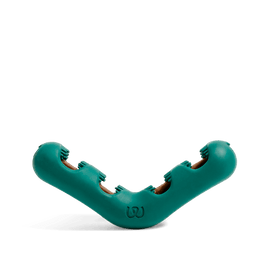
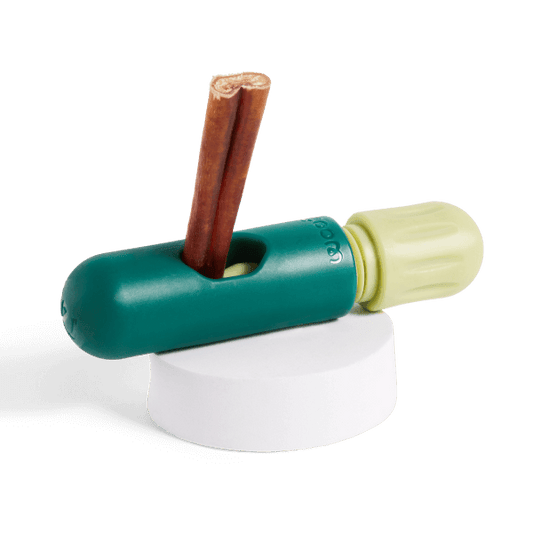
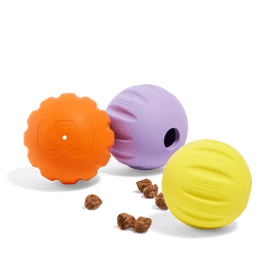
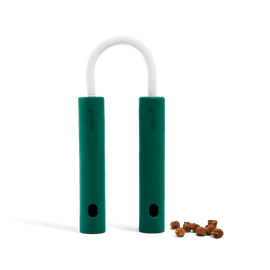
A bored Doberman will invent their own entertainment — which rarely ends well for furniture, shoes, or unattended items! Interactive toys such as Flyball or puzzle feeders like Walkabout offer a great balance of physical and mental stimulation without overshadowing the breed-focused nature of the article.
Training Your Doberman: Intelligence + Structure
Training is not optional for a Doberman — it’s a necessity and, fortunately, a joy. Their incredible intelligence and desire to work with a human partner make them highly responsive to positive reinforcement. Dobermans love learning new commands and excel when training becomes part of everyday life.
Training tips:
- Start early: Begin socialization in puppyhood to build confidence.
- Stay consistent: Clear expectations help Dobermans thrive.
- Use rewards: Praise, play, and small training treats keep them motivated.
- Mix it up: They enjoy variety — obedience, tricks, scent work, or agility.
- Keep sessions short: Frequent, focused sessions work better than long drills.
They are natural workers — giving them tasks, challenges, and opportunities to problem-solve keeps their minds engaged and helps maintain a calm, confident adult dog.
Health & Nutrition: Caring for an Athletic Breed
Dobermans are hardy, athletic dogs, but like all breeds, they have specific health considerations to be mindful of.
Common areas of focus include:
- Heart health: Dilated cardiomyopathy (DCM) can affect the breed; routine screenings are recommended.
- Joint health: Their active lifestyle makes joint support essential.
- Thyroid issues: Hypothyroidism can appear in middle-aged dogs.
- Bloat (GDV): As a deep-chested breed, Dobermans are at higher risk.
- Skin sensitivities: Some Dobies experience allergies or coat dryness.
Feeding smaller, more frequent meals and avoiding vigorous activity right after eating can help reduce bloat risk. Pairing mealtime with a slow-feeder like the Walkabout can also support digestion.
Daily Life With a Doberman
Living with a Doberman Pinscher is incredibly fulfilling. They are devoted companions who want to be near their people — not necessarily on top of them, but within arm’s reach. Many Dobermans follow their owners from room to room out of pure loyalty.
In everyday life, you can expect:
- Velcro tendencies: They love being close.
- Protective awareness: They remain alert to unusual noises or strangers.
- Affectionate nature: Dobermans love snuggling with their families.
- Strong routines: They thrive on predictability and structure.
They are best suited to homes where they are included in activities, have regular training, and receive sufficient exercise to channel their impressive energy.
Light Enrichment Suggestions
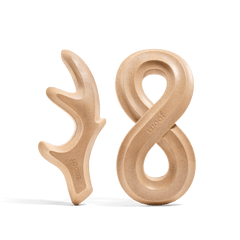
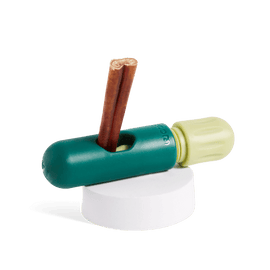
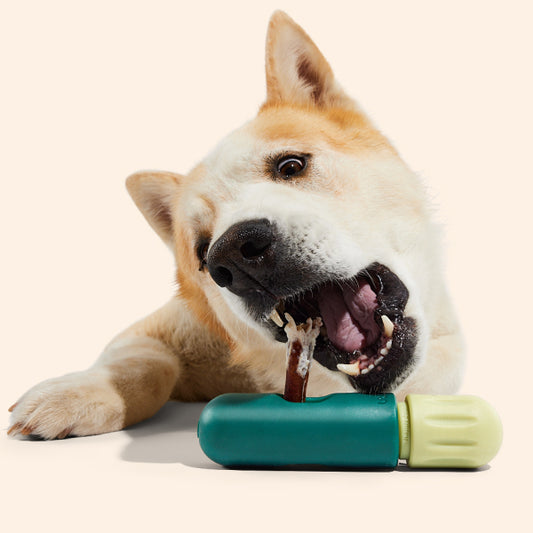
Because this breed thrives on activity and brainwork, tools like HonestChew or the puzzle-ready Puzzle Treats can support natural chewing and training routines without overshadowing the breed information.
Final Thoughts
The Doberman Pinscher is a remarkable blend of devotion, intelligence, athleticism, and heart. For active owners who are committed to daily structure, training, and connection, Dobermans offer unmatched companionship. They are protectors, playmates, adventure partners, and affectionate family members all in one elegant package.
If you provide the engagement, enrichment, and love they crave, your Doberman will reward you with loyalty and partnership that lasts a lifetime.