



























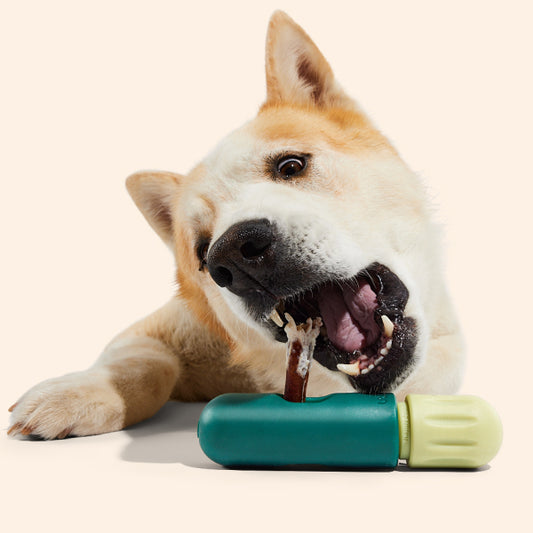


























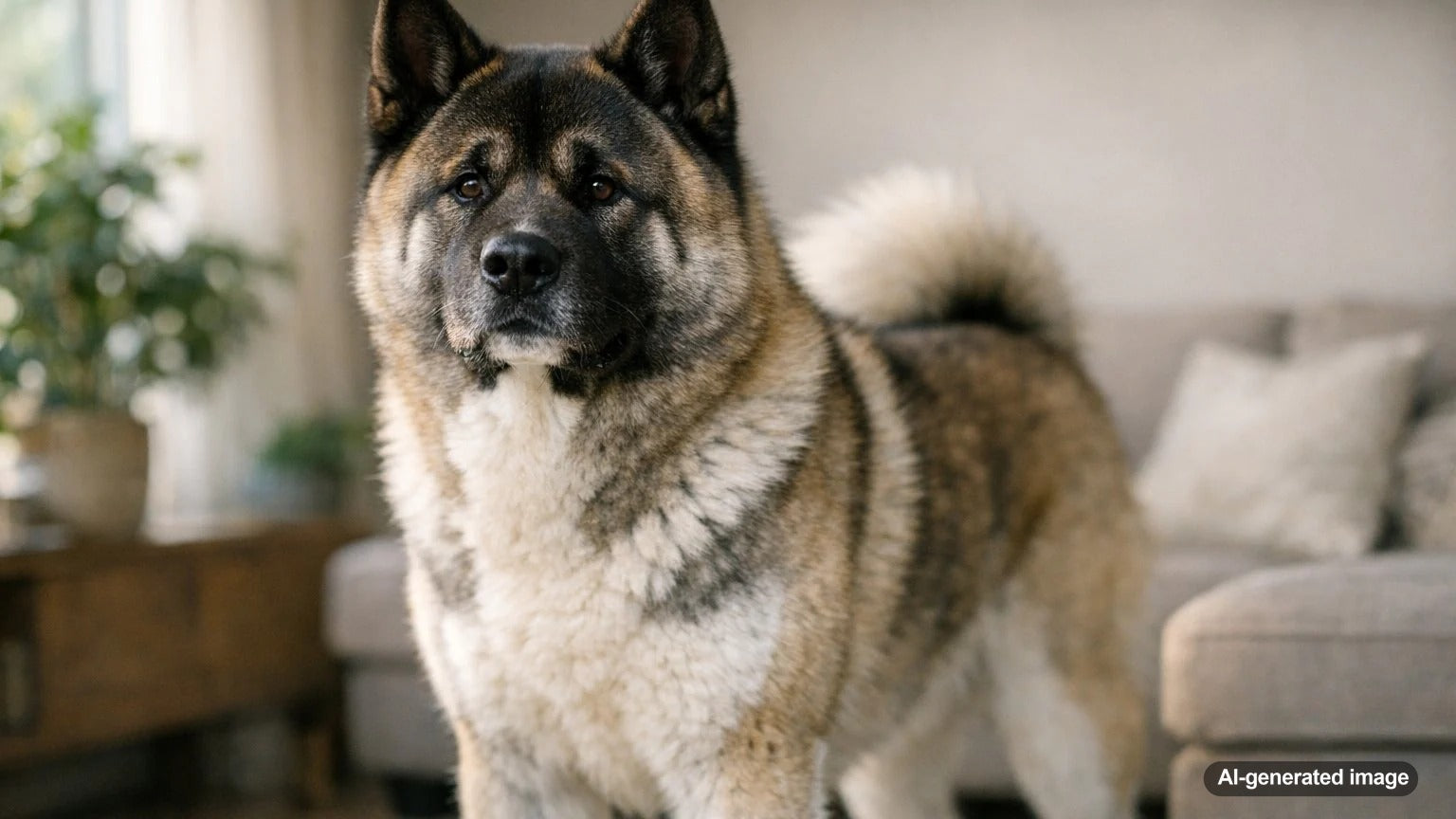
Powerful, dignified, and deeply loyal, the Akita is one of the world’s most iconic and emotionally expressive dog breeds. Originating in the snowy northern regions of Japan, the Akita was bred to guard, hunt, and stand steadfast at the side of its companions. Today, they are known for their intelligence, quiet strength, and profound devotion — forming bonds so deep that Akita owners often describe their dogs as soulful, intuitive partners rather than pets.
🐾 Akita — Quick Facts
- Origin: Japan (Akita Prefecture)
- Breed Group: Working
- Height: 24–28 inches
- Weight: 70–130 pounds
- Life Expectancy: 10–13 years
- Coat: Thick double coat; seasonal shedding
- Energy Level: Medium
- Temperament: Loyal, alert, confident, independent
- Training Level: Moderate–High (requires consistency & experience)
- Barking Level: Low
Historical Background: A Symbol of Loyalty and Strength
The Akita’s history is rich and deeply rooted in Japanese culture. Originally developed in the rugged mountains of northern Japan, Akitas were used to hunt bear, boar, and deer — roles that required courage, focus, and physical strength. They later became revered as protectors of households and symbols of good fortune, health, and long life.
The breed’s global recognition is largely attributed to Hachiko, the Akita who famously waited every day at a train station for his deceased owner to return. His loyalty, spanning nearly a decade, cemented the Akita as a symbol of devotion and emotional depth.
Akita Temperament: Independent, Intelligent, and Deeply Devoted
An Akita is not a typical companion dog — they bond intensely with their families and often choose “their person,” to whom they show unwavering loyalty. Common personality traits include:
- Quiet confidence — Akitas are calm and self-assured, often observing before engaging.
- Strong protective instincts — they are naturally wary of strangers but loving with family.
- “Cat-like” independence — many Akitas are clean, self-grooming, and selective with affection.
- Emotionally expressive — despite their stoic exterior, Akitas communicate clearly with their people.
They are generally not a dog-park breed, as they may be intolerant of rude or overly energetic dogs. Early and controlled socialization is essential.
🌟 Is an Akita Good With Children or Other Pets?
- Children: Typically good with older, respectful children.
- Cats: Possible, if raised together.
- Dogs: Often same-sex selective; best in single-dog households.
Exercise Needs: Structured Movement Over Chaos
Akitas are large, powerful dogs but not hyperactive. They benefit from:
- Daily walks that are purposeful and steady
- Backyard play or training sessions
- Mental stimulation (scent work, puzzles, obedience practice)
They are happiest when exercise is calm and controlled rather than overly stimulating.
Training: Consistency, Respect, and Calm Leadership
Training an Akita is a partnership. These dogs do not respond well to harsh methods or chaotic environments. They respect owners who are fair, confident, and consistent.
Successful Akita training includes:
- Positive reinforcement with high-value rewards
- Short, focused sessions
- Firm but gentle boundary setting
- Early socialization to people and controlled situations
Because they are intelligent and independent, Akitas often “think before acting.” This can make them incredibly reliable — but only with patient and knowledgeable guidance.
Grooming and Coat Care
The Akita has a dense double coat designed for extreme cold. They shed moderately year-round and heavily (“blow coat”) twice a year. Grooming expectations include:
✂️ Akita Grooming Checklist
- Brush 2–3 times weekly
- More frequent brushing during seasonal shedding
- Bathing every 8–12 weeks
- Routine nail trimming, ear checks, and dental care
- They naturally self-groom, much like cats
Health Considerations
As a large, sturdy breed, Akitas are generally healthy but can be predisposed to certain conditions. Responsible owners monitor for:
- Hip dysplasia
- Autoimmune disorders (a known breed tendency)
- Hypothyroidism
- Bloat (Gastric Dilatation-Volvulus)
- Progressive retinal atrophy (PRA)
- Sebaceous adenitis
Feeding two smaller meals daily and avoiding activity immediately after eating can help minimize bloat risk.
Light Enrichment Suggestions (Minimal Woof Mentions)
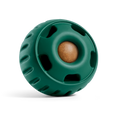
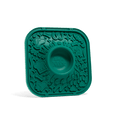
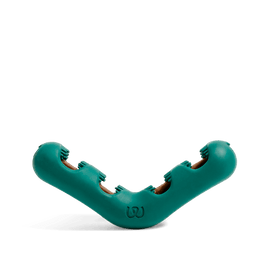
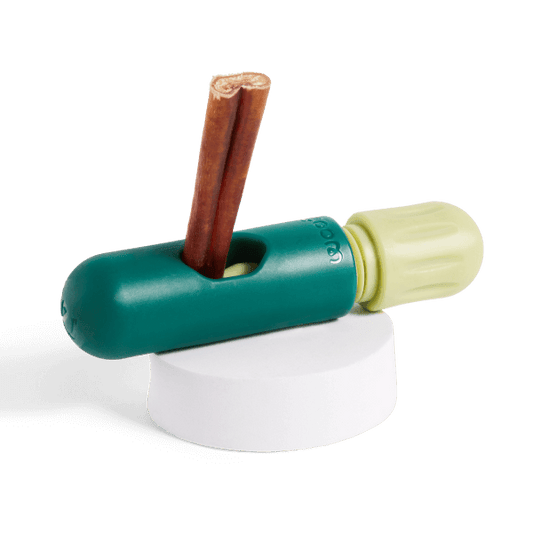
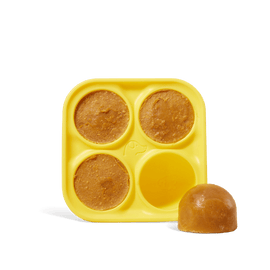
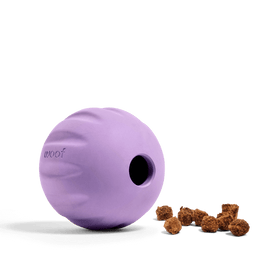
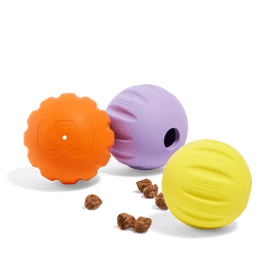
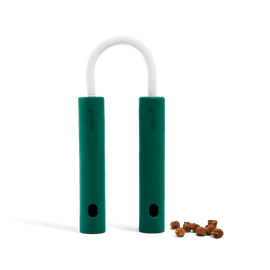
Akitas thrive when mentally and physically engaged. Slow-feeders, puzzle toys, and durable fetch toys add variety to their routine. If you prefer structured options, gentle enrichment tools such as Woof’s Walkabout slow-feeder or Flyball fetch ball can complement training and daily exercise without overstimulating the breed.
Is the Akita Right for You?
The Akita is a magnificent companion for the right household. They flourish with owners who:
- Are confident and experienced with large, independent breeds
- Can provide consistent training and structure
- Want a loyal, deeply bonded companion
- Prefer a calm, low-barking dog
- Value a breed with emotional depth and quiet strength
For those who meet their needs with respect and consistency, the Akita offers unmatched loyalty, sensitivity, and presence — a one-of-a-kind companion with a heart as big as its history.


