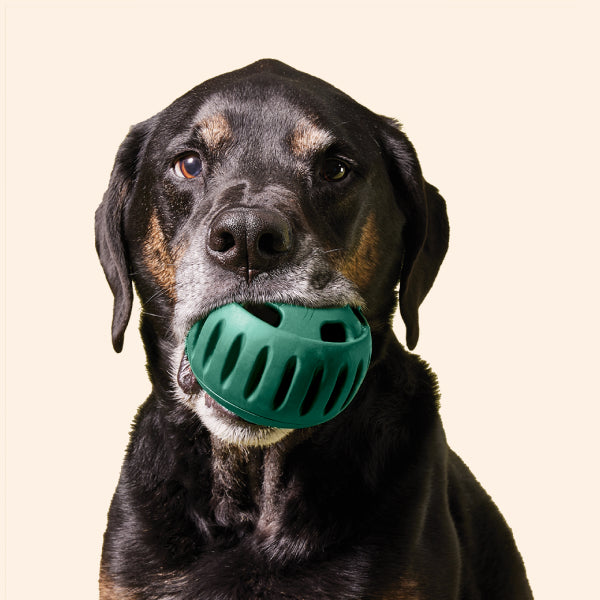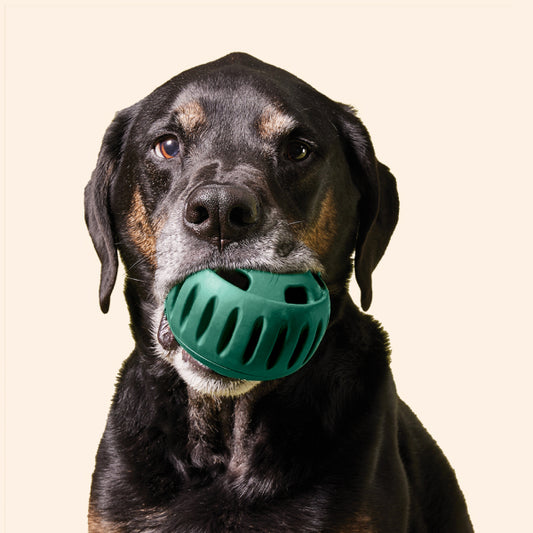

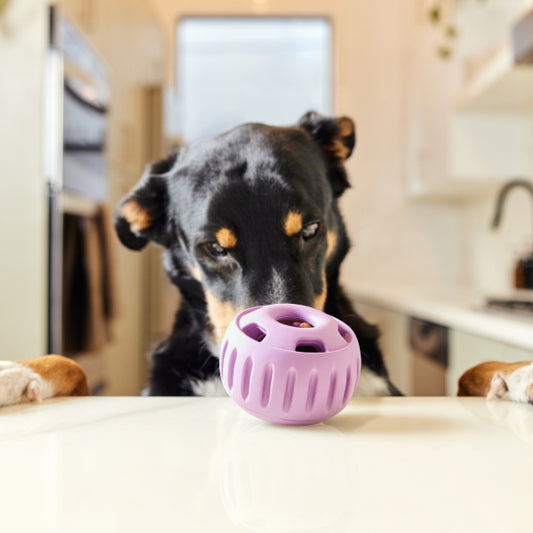

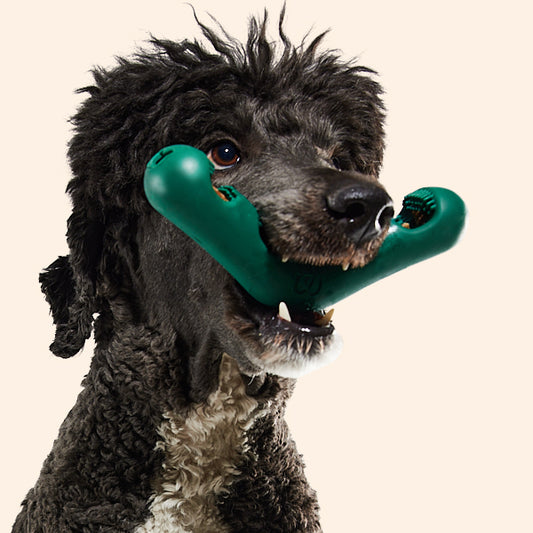
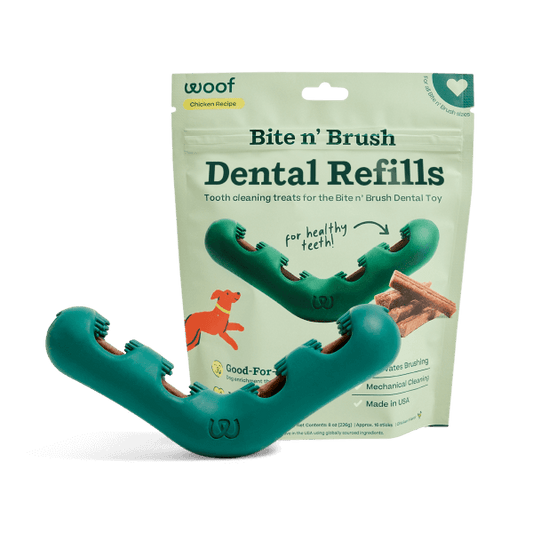


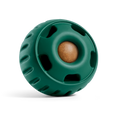
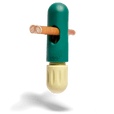
































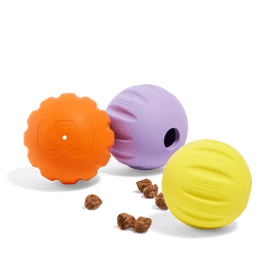




Curiosity has a funny way of sneaking into everyday moments with our dogs, especially during those quiet seconds when you lean down for a kiss and wonder what is really going on in that fuzzy head. Right after that thought, many pet parents instinctively reach for play as another form of bonding, grabbing a favorite toy like the Flyball to keep the love flowing in a way dogs truly understand. Affection between humans and dogs is powerful, but it is also wonderfully complex, shaped by instinct, experience, and a little bit of interpretation on both sides.
So when your dog tilts their head, wags their tail, or gently licks your face back, are they actually understanding your kiss, or are they responding to something else entirely? Let’s decode this cross-species love language together.
How Dogs Naturally Show Affection
Dogs did not evolve kissing as a social behavior the way humans did. In the canine world, affection is expressed through body language, proximity, play, and shared activities. A relaxed posture, soft eyes, leaning against you, or bringing you a toy are all strong signals of trust and love. Puppies may lick their mother’s mouth as a sign of bonding, which is one reason licking carries affectionate meaning for many dogs.
Understanding this helps explain why some dogs enjoy kisses while others feel confused or overwhelmed by them. Your dog is not rejecting you; they are simply communicating in their own native language.
What a Kiss Feels Like From a Dog’s Perspective
From a dog’s point of view, a human kiss can feel very intense. A face moving close, direct eye contact, and physical restraint can be interpreted as pressure rather than affection. Some dogs tolerate kisses because they associate them with love and safety, while others prefer affection that feels more natural, like gentle petting or interactive play.
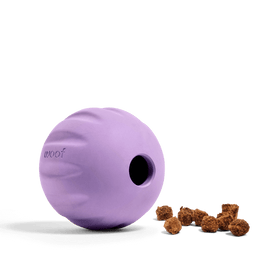
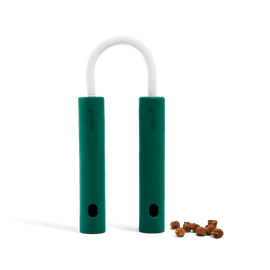
This is where enrichment activities shine. Engaging your dog with mentally stimulating toys such as the Walkabout helps strengthen your bond without crossing their comfort boundaries. Shared positive experiences teach your dog that being close to you is always a good thing.
Why Some Dogs Kiss Back
When a dog licks your face after a kiss, it is often their way of responding in a language they know. Licking can mean affection, appeasement, or simply excitement. Over time, dogs learn patterns, and if kisses are consistently paired with calm voices, smiles, and rewards, they may associate that action with something positive.
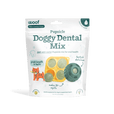
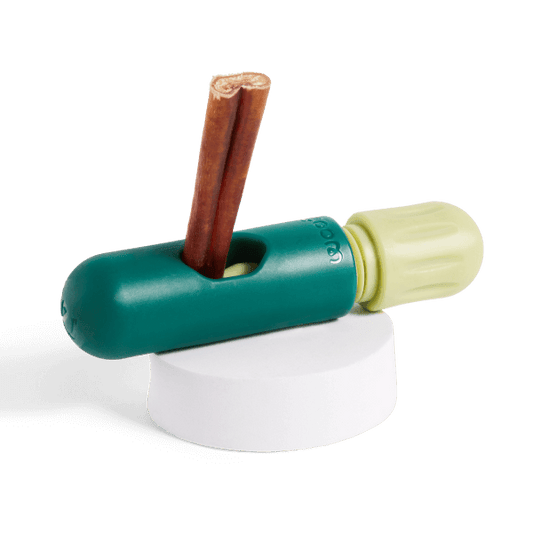
Pairing affection with rewards like Woof Puzzle Treats can help reinforce these moments. Your dog may not understand the concept of a kiss, but they absolutely understand how you make them feel.
Reading Your Dog’s Comfort Signals
Every dog is unique, which means paying attention to their signals matters. Signs your dog is comfortable include loose body language, tail wagging at a natural pace, and choosing to stay close. Signs of stress can include turning their head away, lip licking without food present, stiff posture, or trying to move away.
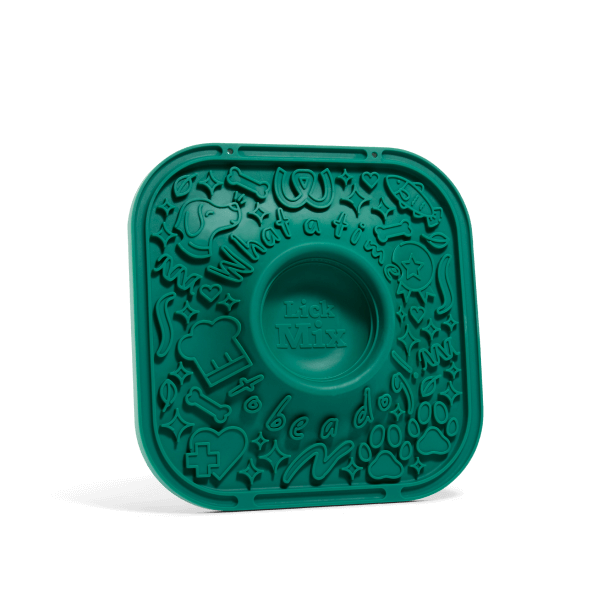
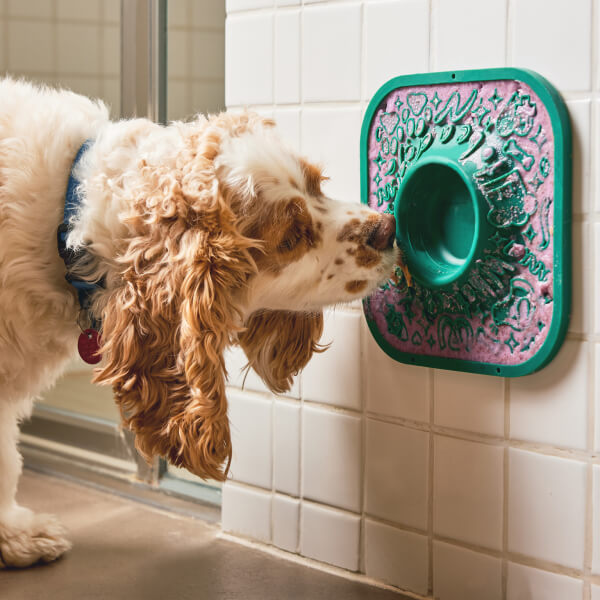
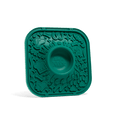
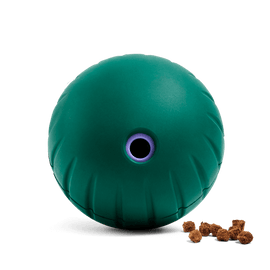
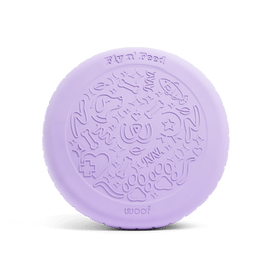
If your dog seems unsure about kisses, try expressing affection in ways they enjoy more. A game of fetch with the Fly n' Feed or a calming session with The LickMat can communicate love in a way that feels instinctively right to them.
Affection Beyond Kisses: Building a Shared Language
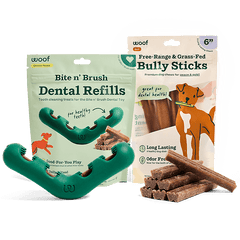
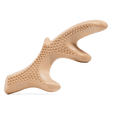
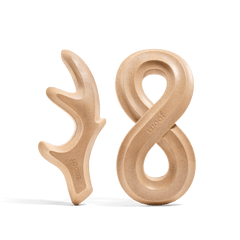
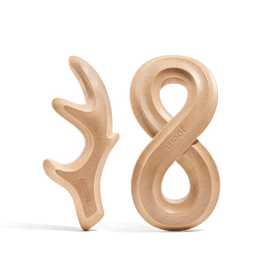
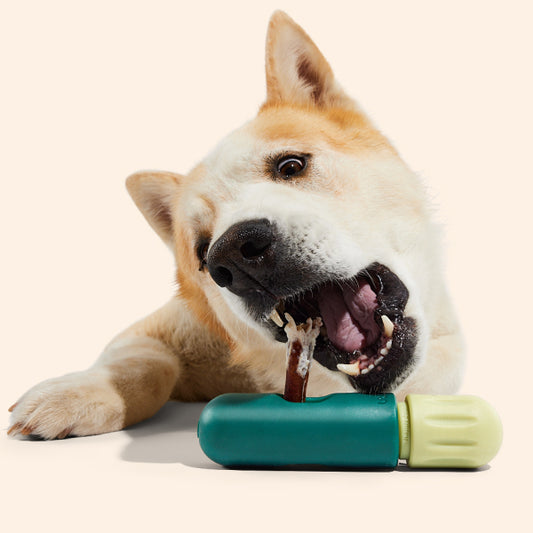
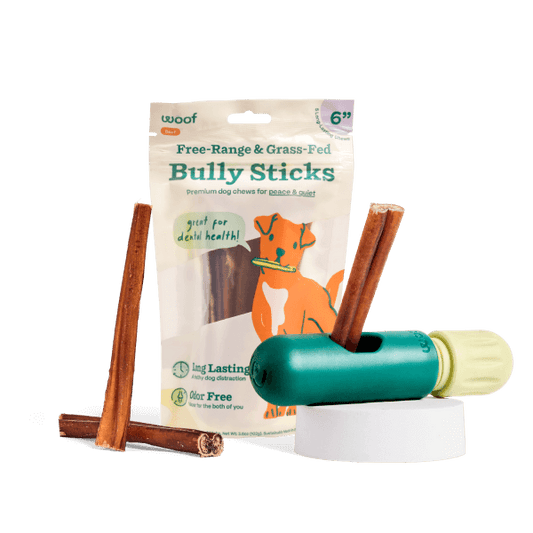
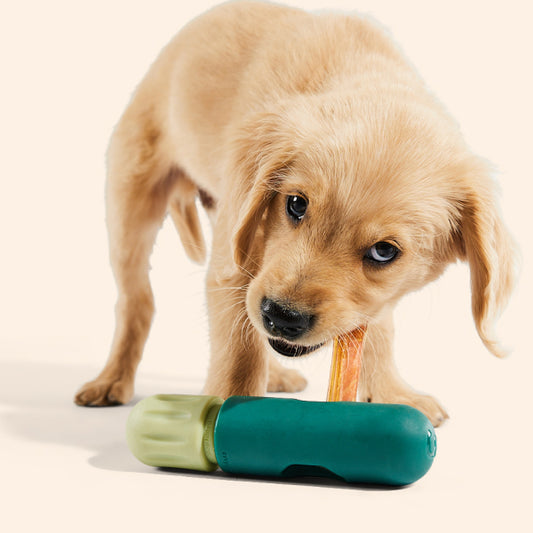
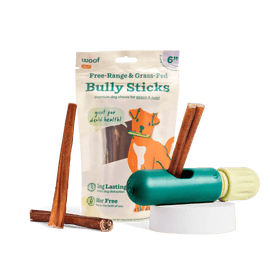
True bonding is about meeting your dog where they are. Enrichment toys, shared routines, and calm quality time all help build trust. Chewing is especially soothing for many dogs, which makes options like HonestChew a wonderful way to offer comfort and security.
When dogs feel safe and understood, they are more open to human expressions of affection, even ones that do not come naturally to them. Over time, your dog learns that a kiss means love because love always follows it.
Teaching Affection Through Positive Experiences
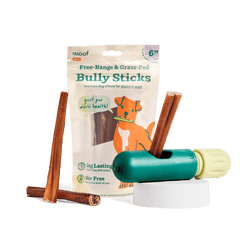
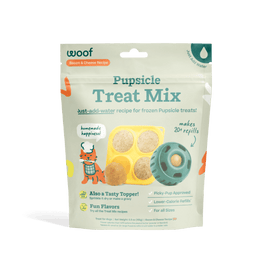
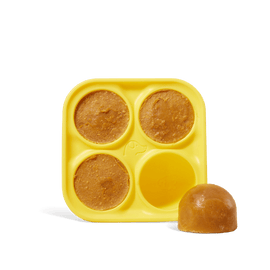
If you want your dog to feel more relaxed during close-contact affection, pair those moments with things they enjoy. Calm praise, gentle strokes, and enrichment rewards help create positive associations. Long-lasting distractions like The Pupsicle are especially helpful for reinforcing calm, happy behavior after affectionate moments.
This approach is not about forcing understanding; it is about building it together, one positive interaction at a time.
So, Do Dogs Understand Kisses?
Dogs may not instinctively understand kisses the way humans do, but they absolutely understand love. Through consistency, empathy, and shared joy, your dog learns that your affection is safe, meaningful, and comforting. Whether that love is shown through a gentle kiss, a game of fetch, or a relaxing enrichment session, what matters most is that your dog feels secure and happy.
When you speak your dog’s language while teaching them yours, that is when true connection happens.