
































































Ever caught yourself wondering if your dog sees the world the same way you do, or if everything looks like an old black-and-white movie? Dog owners ask this all the time, especially when their pup seems obsessed with one toy but totally ignores another. The truth is far more interesting than the myth, and understanding how your dog sees color can actually help you choose better toys, enrichment, and activities that truly light up their world.
So let’s dig in and clear things up once and for all. Do dogs see in color? Yes, they do, just not in the same way humans do. And once you understand how their vision works, you can make smarter, more enriching choices for playtime, mealtime, and beyond.
The Truth About Dog Vision (It Is Not Black and White)
Dogs absolutely see color, but their color spectrum is more limited than ours. While humans have three types of color-detecting cones in our eyes, dogs have two. This means dogs primarily see shades of blue and yellow, while reds and greens tend to blend into muted browns or grays.
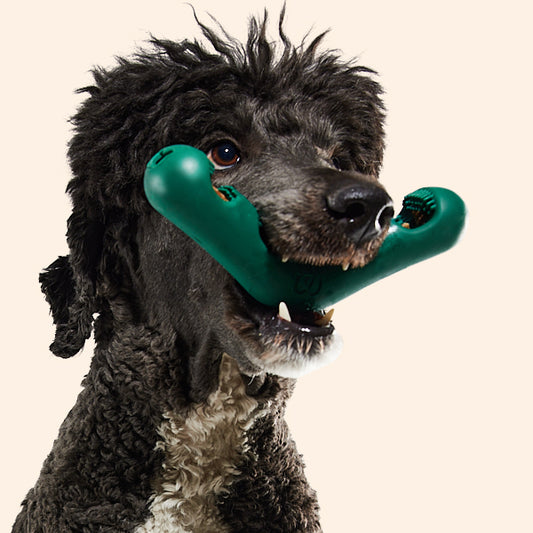
Think of it like this: your dog’s world is less about vibrant rainbows and more about contrast, motion, and brightness. That is why a bright blue toy can stand out like a beacon, while a red one might fade into the background. This difference in vision is exactly why smart product design matters when it comes to toys and enrichment.
Why Color Still Matters to Your Dog
Even with a narrower color range, color plays a big role in how dogs interact with their environment. High-contrast colors help dogs spot toys faster, track movement more easily, and stay engaged longer. This is especially important during games like fetch or interactive play that rely on visual cues.
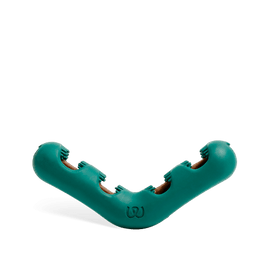
For example, a thoughtfully designed toy like the Flyball uses color, texture, and motion together to keep your dog focused and excited. Because dogs see blues and yellows best, toys that lean into those tones are easier for them to find, chase, and enjoy, especially outdoors or in low light.
How Dogs Use Vision Differently Than Humans
Color is only one piece of the puzzle. Dogs are visual generalists, meaning their eyesight is built for survival rather than fine detail. They excel at detecting motion and seeing in low-light conditions, which explains why your dog can spot a squirrel from across the yard but might not notice a stationary object right in front of them.
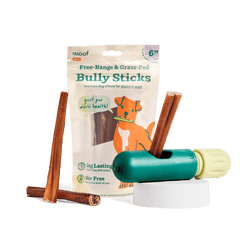
This also explains why enrichment toys that move, wobble, or roll unpredictably are so captivating. The Woof Walkabout taps into this strength perfectly, combining motion with problem-solving to turn mealtime into a mentally and physically rewarding experience.
Choosing Toys That Match How Dogs See
Understanding your dog’s vision can completely change how you shop for toys. Bright blues and yellows, clear shapes, and dynamic movement all help keep your dog engaged longer. Texture and scent matter too, but visuals are often the first hook.
Interactive toys like Fly n' Feed are especially powerful because they combine visual play with calming enrichment. The flying disc grabs attention during fetch, while the textured lick mat underside encourages focused licking that helps dogs relax.
Color, Enrichment, and Mental Health
Mental stimulation is just as important as physical exercise, and visual engagement plays a big role in that balance. When dogs are bored or under-stimulated, they may chew furniture, bark excessively, or seem restless. Providing toys that align with how dogs naturally see and think can help prevent these behaviors.
Pairing visually engaging toys with rewards like Woof Puzzle Treats keeps dogs motivated and curious. The combination of sight, smell, and problem-solving turns ordinary play into meaningful enrichment.
What This Means for Everyday Dog Parents
You do not need to overhaul everything your dog owns, but small changes can make a big difference. Choosing toys with dog-friendly colors, adding movement-based enrichment, and rotating play options keeps your dog’s world exciting and mentally fulfilling.
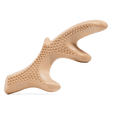
Chew time can benefit too. A visually distinct, durable chew like HonestChew gives dogs a satisfying outlet that supports natural chewing instincts while being easy to spot and recognize as a favorite.
Seeing the World Through Your Dog’s Eyes
So, do dogs see in color? Absolutely. Their world just looks different from ours, and that difference is something to celebrate, not dismiss. By understanding how your dog sees, you can choose toys, treats, and enrichment that truly resonate with them.
At Woof, every product is designed with your dog’s senses in mind, from color and motion to texture and taste. When you match playtime to how dogs naturally experience the world, you are not just giving them a toy, you are giving them joy, confidence, and a richer everyday life.