




























































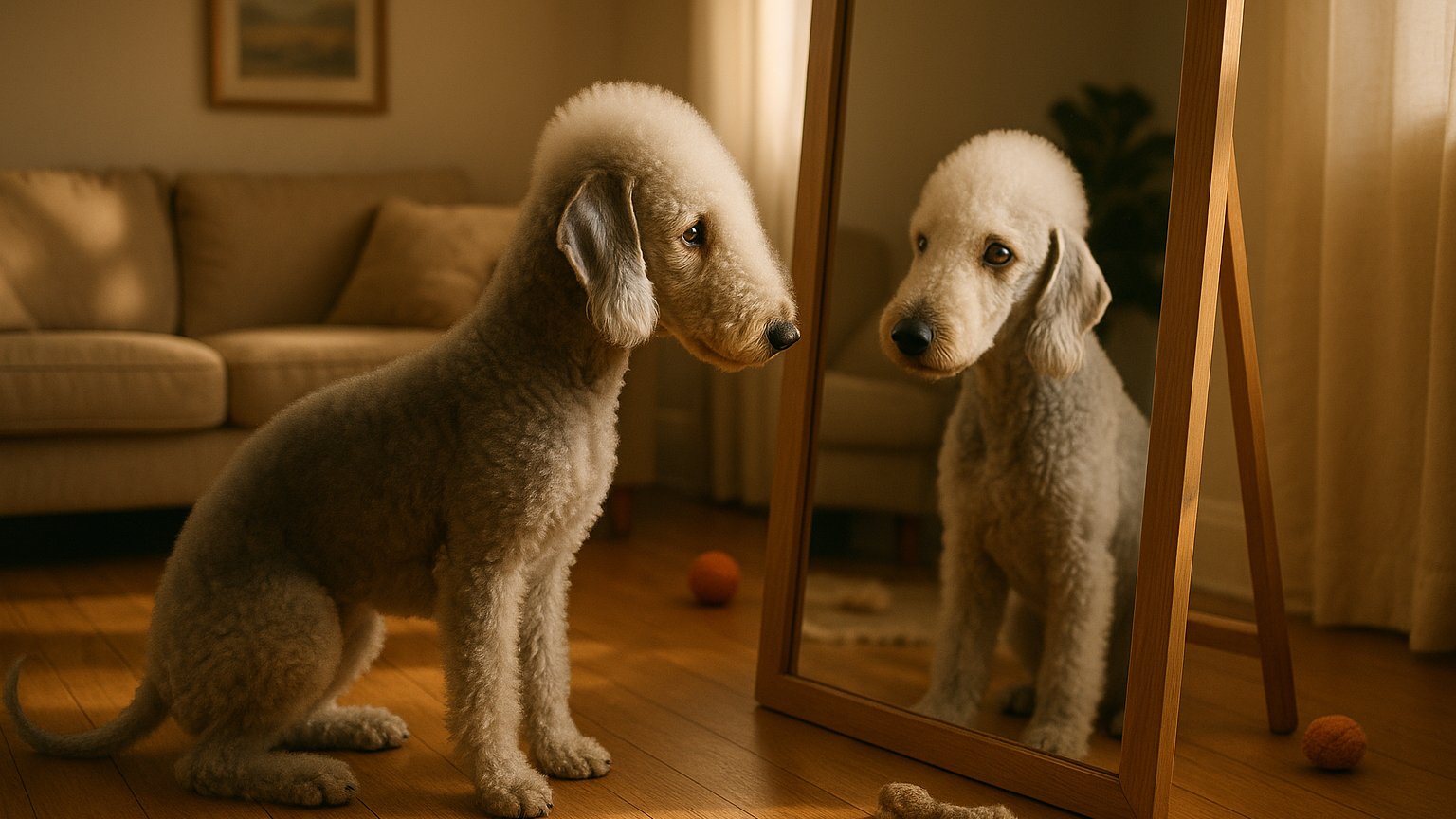
Have you ever watched your dog catch a glimpse of themselves in a shiny surface and wondered, “Do Dogs Recognize Themselves in Mirrors? The Mirror Test Results” and what it means about their smarts? It’s one of those fun, fascinating questions that dog owners love to ask because our pups are such big personalities with brains of their own. From head tilts to barking, every reaction in front of a mirror feels like a clue — but what do the experts actually say?
If you’ve ever seen your pup bark at a reflection or trot around to see what’s behind the glass, you’re not alone. Dogs’ responses to mirrors run the full gamut: playful, puzzled, indifferent, or even totally uninterested. But when scientists put the classic mirror test to our canine companions, the results differ significantly from those seen in humans and some other animals.
What Is the Mirror Test Anyway?
The mirror test, sometimes called the self-recognition or mark test, was developed by psychologist Gordon Gallup Jr. to explore whether an animal understands that a reflection is their own. In the test, researchers place a mark on a spot the animal can’t see without a mirror. If the animal notices and touches the mark while looking in the mirror, it’s often interpreted as recognition of self — not just curiosity. While chimpanzees, dolphins, elephants and some birds have shown this behavior, dogs historically haven’t passed this visual test.
So Do Dogs Recognize Themselves?
Here’s where it gets interesting. In the traditional sense of mirror self-recognition, dogs usually don’t pass. Most dogs don’t look into a mirror and think, “Oh hey, that’s me!” Instead, their first response is usually to react as if they’re seeing another pup — barking, wagging, or just sniffing around with curiosity — and then eventually losing interest.
But that doesn’t mean dogs lack self-awareness. The mirror test leans heavily on vision — a dog’s third-strongest sense. Their world revolves around scent and hearing much more than visual cues, so assessing their cognition through a mirror may not be fair. Most dogs rely on their noses to understand themselves and the world around them, and studies using scent-based approaches suggest dogs do have a nuanced form of self-recognition rooted in smell.
Why Dogs Respond Differently
Unlike humans, who grow accustomed to mirrors early in life and use visual feedback to build a sense of self, dogs interpret a reflection without any scent cues. That makes the mirror image confusing: there’s a “dog” there, but no familiar smells. So barking, pawing, or even indifference are more about confusion, curiosity, or social instincts than a failure of intelligence.
Some dogs might continue reacting to mirrors while others become blasé — much like when they meet a neighbor dog they’ve seen before. Over time, most dogs learn that reflections don’t behave like real animals or give off a scent, so they pay them less mind. Puppies especially may be more animated or playful with mirror images, simply because everything new is fun and exciting!
What This Means for You and Your Dog
So what’s the takeaway for dog owners? If your furry friend doesn’t seem to recognize themselves in a mirror, that’s completely normal and doesn’t mean they’re missing out on self-awareness. Dogs show their intelligence in ways that matter to them: through sniffing, exploring, playing, problem-solving and bonding with their human companions.
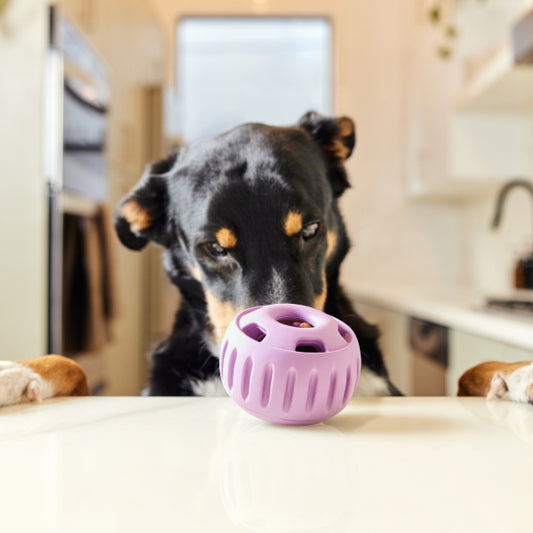
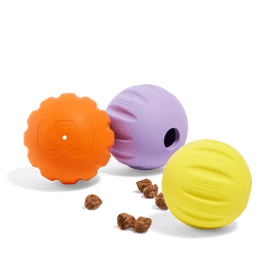
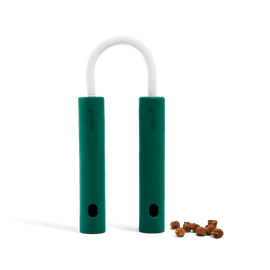
Want to give your dog more enriching experiences that highlight their cognitive strengths? Try turning mealtime into a playful challenge with a Walkabout, or mix play and treats with the engaging Flyball or Flyball 3 Pack. For pups who adore interactive treats, Woof Puzzle Treats turn sniff and solve time into a tasty reward, while the versatile Fly n' Feed blends fetch fun with a calming lick mat experience.
Using This Knowledge in Training and Play
Understanding that your dog may not “see” themselves in the mirror like a person can help you set expectations and find better ways to engage their amazing senses. Games that involve scent work, such as hide-and-seek with treats or toys, lean into how dogs truly explore the world. And if mirrors spark fun behavior — chasing their reflection, wagging, or doing zoomies — you can use that playfulness to introduce other enrichment tools that help with mental stimulation and confidence.
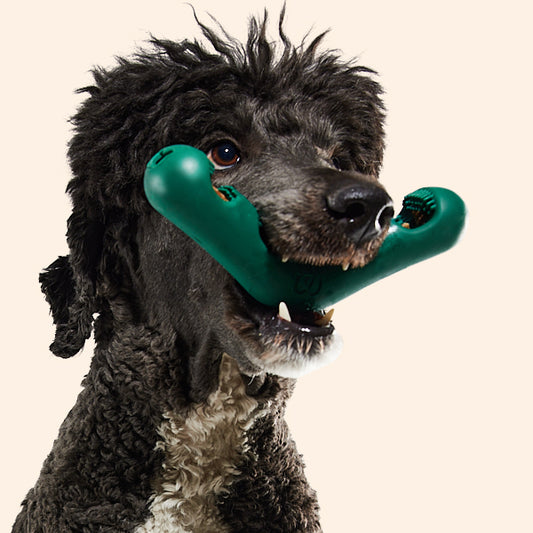
At Woof, we know every dog learns and plays their own way. Whether they’re puzzled by their reflection or totally unimpressed, what matters most is providing outlets that delight their mind and body. From chew toys like HonestChew to packs that keep curious minds busy, there’s a world of enrichment beyond mirrors to explore together.
Final Thoughts: The Mirror Is Just the Beginning
“Do Dogs Recognize Themselves in Mirrors? The Mirror Test Results” might not give a clear yes or no — but it does open the door to appreciating the many ways dogs connect with their environment. Rather than judging their self-awareness by human visual standards, embrace how your dog uses scent, sound, body awareness and social smarts to understand their place in your family.
In the end, mirrors may be reflective, but your dog’s intelligence shines brightest when you play, explore and learn together in ways that speak to who they truly are.