





























































Have you ever taken your dog on a car ride and noticed them acting strange afterward? It could be a case of motion sickness! Just like humans, dogs can experience motion sickness, and it's more common than you might think. In this blog post, we'll explore how motion sickness affects dogs, what the symptoms are, and how you can help your pup feel better during travel. So, can dogs get motion sickness? Let’s dive in!
Motion sickness in dogs happens when their inner ear, responsible for balance, gets disrupted by the movement of a vehicle. This often results in feelings of nausea and discomfort. While it's more common in puppies and younger dogs, adult dogs can also experience it, especially if they're not used to travel.
Signs of motion sickness in dogs include drooling, panting, whining, vomiting, and even restlessness. These symptoms can appear within minutes of starting a car trip, and it can be distressing for both the dog and their owner. Understanding what triggers this condition can help you take the right steps to alleviate it.
What Causes Motion Sickness in Dogs?
The cause of motion sickness in dogs is similar to that in humans. When a dog’s body moves in one direction but their inner ear senses something different, it creates a conflict between what they see and feel. This sensory conflict can cause nausea and discomfort. Puppies are especially prone to this as their balance systems are still developing, but some adult dogs may also suffer, particularly those with anxiety or those who are not accustomed to car travel.
How to Help Your Dog With Motion Sickness
So, how can you help your dog deal with this uncomfortable condition? There are several methods that can make your pup’s travel experience more pleasant:
- Gradual Car Training: Start by taking short trips to help your dog get used to car travel. Gradually increase the length of the trips to build their tolerance.
- Comfortable Travel Gear: Make your dog’s travel area comfortable. Using a dog seat cover or a Safer Play Starter Pack can help reduce anxiety during car rides.
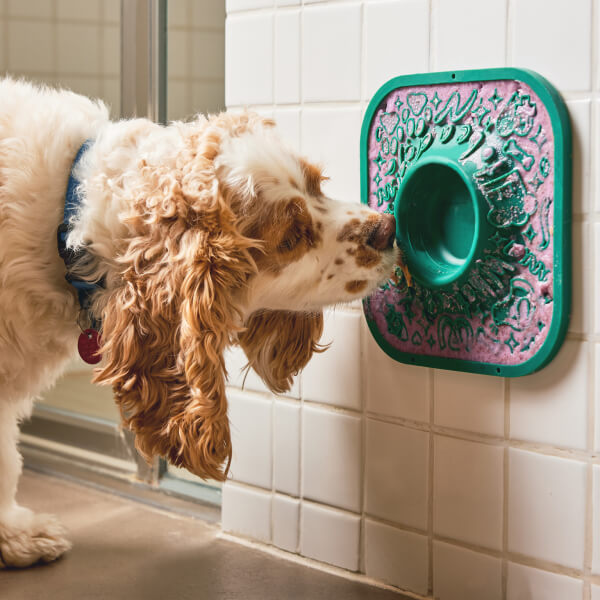
- Calming Products: Some products, like The LickMat, are designed to help reduce stress by providing a soothing distraction.
- Health Supplements: Consider using supplements like Calming LickMix to help calm your dog’s nerves and promote relaxation during travel.
- Frequent Breaks: For longer trips, make sure to stop frequently so your dog can stretch their legs and get some fresh air. This can help reduce the likelihood of motion sickness.
Should You Consult a Veterinarian?
If your dog experiences frequent motion sickness, it’s a good idea to consult with your veterinarian. They may recommend medications or suggest other treatments to help alleviate symptoms. In some cases, your vet may recommend a special diet or natural remedies that can help ease nausea during travel.
Products to Make Travel Easier
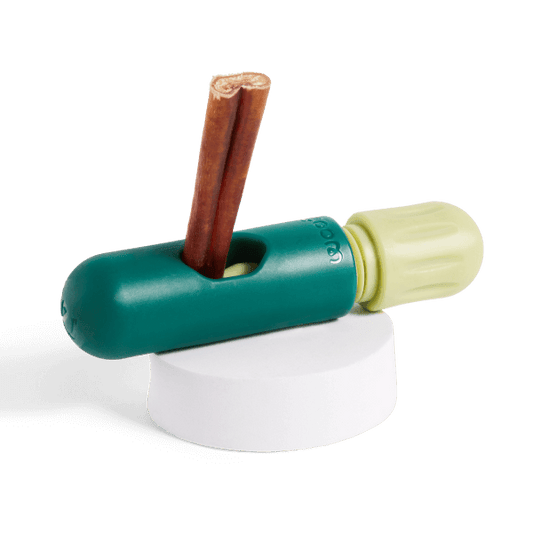
Whether you're taking a short trip to the park or embarking on a long road trip, it's important to have the right products to keep your dog comfortable and entertained. Check out these Woof favorites for your next adventure:
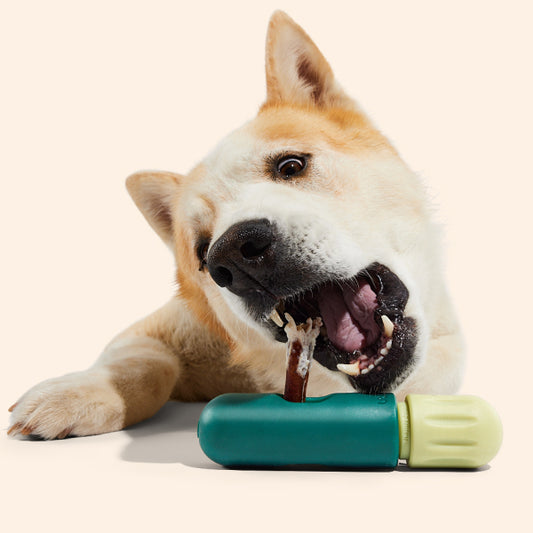
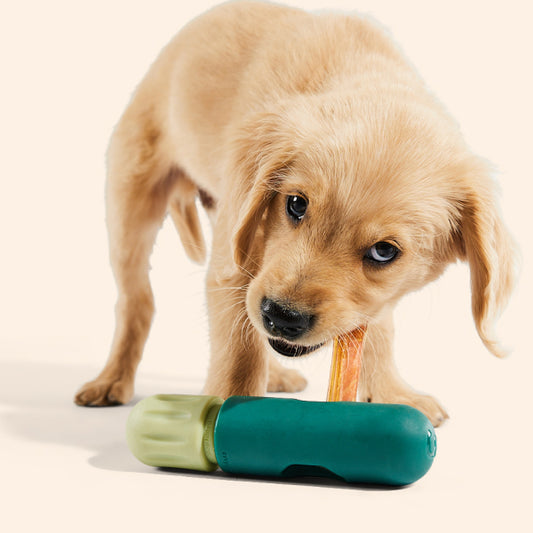
- The Pupsicle – Long-lasting interactive toys to keep your pup busy and distracted during the journey.
- LickMat Alpha Pack – Help soothe your dog’s nerves and keep them calm with a fun and engaging mat!
- Wellness Starter Pack – A great solution for supporting your dog’s overall health during travels.
Conclusion
Motion sickness in dogs is a real concern, but with the right strategies and products, you can make your dog’s travel experience much more comfortable. Whether it’s starting with short trips, using calming products like the Calming LickMix, or offering distractions like The Pupsicle, there are many ways to help your pup enjoy the ride. If you’re still unsure about your dog’s motion sickness or if the symptoms persist, be sure to consult with your vet for personalized advice. Safe travels!