

























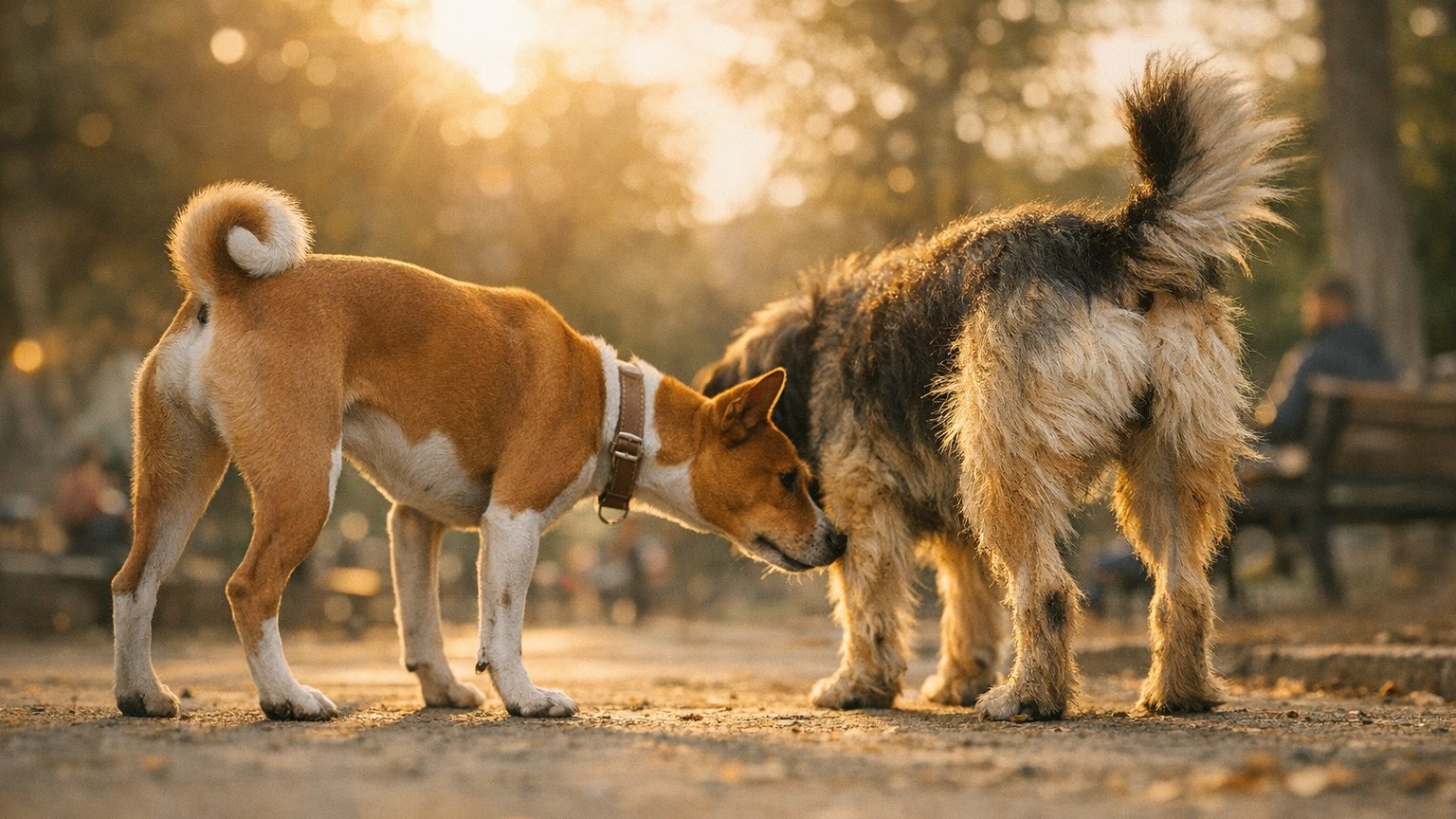
A tail wag here, a curious glance there, and suddenly noses are headed straight for the rear. It might feel awkward to us, but for dogs, this is simply polite conversation. Right from the first hello, dogs rely on scent to gather information, set boundaries, and decide whether a new friend is worth further interaction, often right after a quick game with Flyball energy. Understanding why this happens and how to support it can make introductions smoother, safer, and far less stressful for everyone involved.
Butt sniffing is not about rudeness or dominance. It is a deeply ingrained form of canine communication that tells a story in seconds. When dog owners recognize what is happening during these moments, they can confidently guide introductions instead of nervously pulling leashes or apologizing for perfectly normal behavior.
Why Dogs Sniff Butts in the First Place
Dogs experience the world through their noses. While humans rely heavily on sight, a dog's sense of smell delivers a rich snapshot of another dog's age, mood, health, and even recent activities. The area under the tail contains scent glands that provide this detailed information, making it the canine equivalent of exchanging names and background details.
This is why rushed or interrupted sniffing can lead to confusion or tension. When allowed to happen naturally, butt sniffing often prevents conflict by answering questions before they turn into misunderstandings.
What Good Butt Sniffing Etiquette Looks Like
Healthy canine introductions are brief, loose, and mutual. Both dogs should appear relaxed, with soft bodies and wiggly movements. Sniffing usually lasts only a few seconds before dogs move on or engage in play. If one dog freezes, stiffens, or tries to escape, it is time to gently intervene.
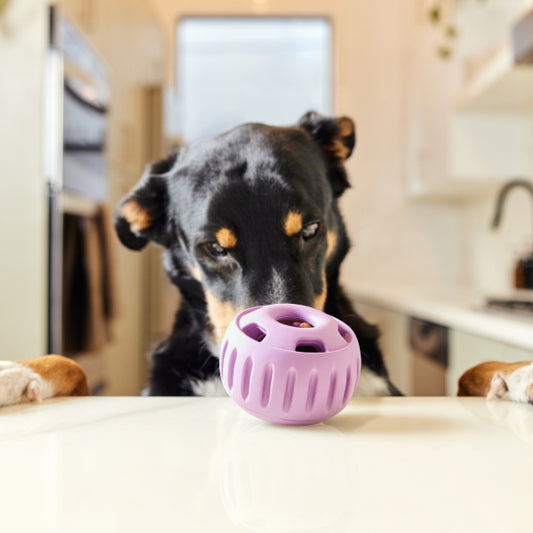
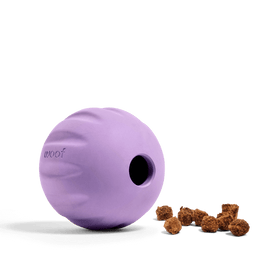
Owners play a key role by staying calm and observant. Keeping leashes loose, avoiding face-to-face pressure, and allowing dogs to approach at an angle all support better etiquette. A short enrichment break afterward, like offering Woof Puzzle Treats, can help dogs decompress and associate introductions with positive experiences.
Common Mistakes Dog Owners Make During Introductions
One of the biggest mistakes is pulling dogs away too quickly. While it feels polite to us, it can actually heighten tension for dogs who did not get the information they needed. Another common issue is forcing interactions, especially when one dog clearly needs more space.
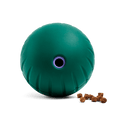
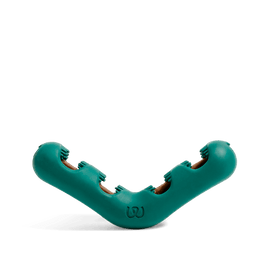
Overstimulated dogs may also struggle with etiquette. Making sure your pup has had enough physical and mental exercise beforehand can make a big difference. Interactive toys like the Walkabout help burn off excess energy so your dog can focus and stay relaxed during greetings.
Supporting Nervous or Overexcited Dogs
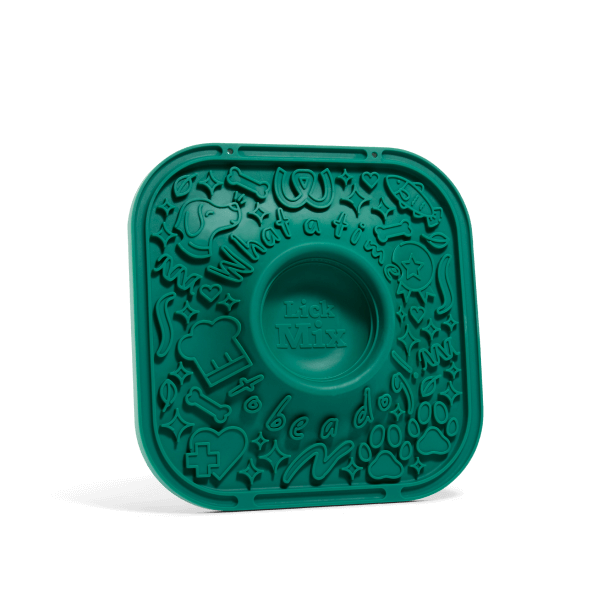
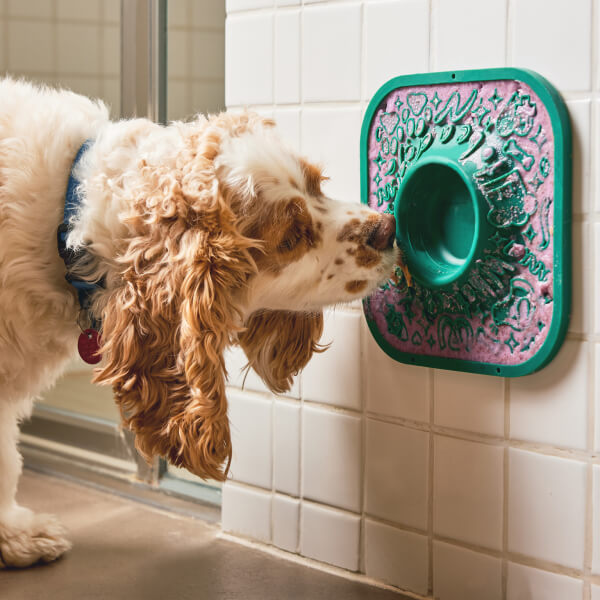
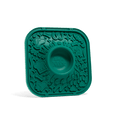
Not every dog feels confident meeting new friends. Puppies, rescues, and sensitive dogs may need extra support. Slow introductions, parallel walking, and plenty of breaks are key strategies. Calm enrichment tools, such as The LickMat paired with a tasty spread, encourage soothing licking behaviors that reduce stress.
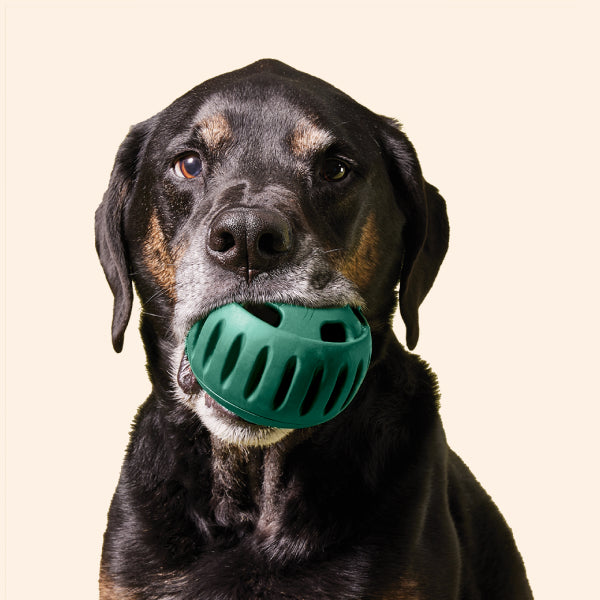
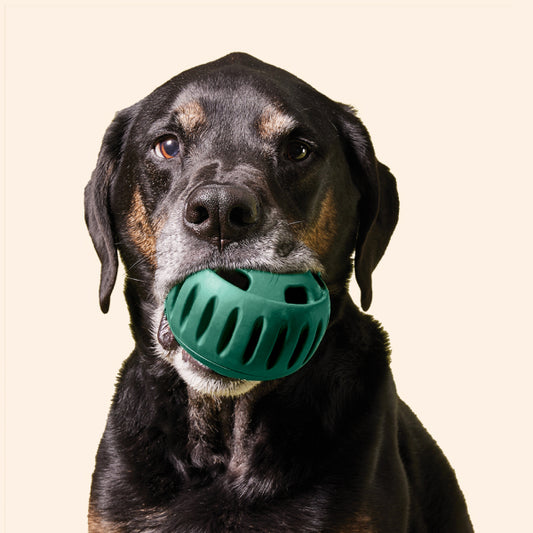
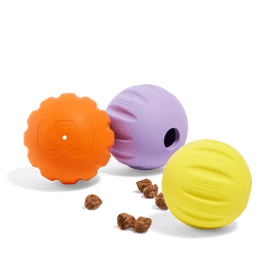
For dogs that get overly excited, giving them an appropriate outlet beforehand matters. A quick game of fetch with Flyball 3 Pack can help release pent-up energy so greetings feel more manageable.
How Enrichment Builds Better Social Skills
Dogs that regularly engage in enrichment activities are often better communicators. Puzzle toys, treat-dispensing games, and chew time teach patience, problem-solving, and emotional regulation. These skills translate directly into better manners during social interactions.
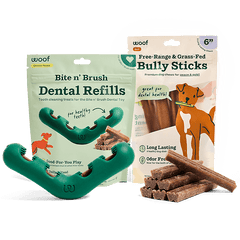
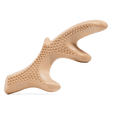
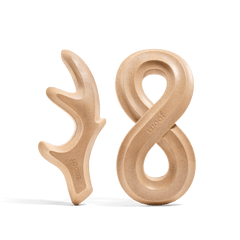
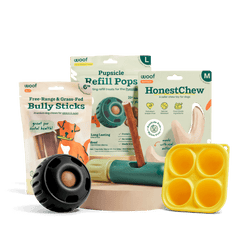
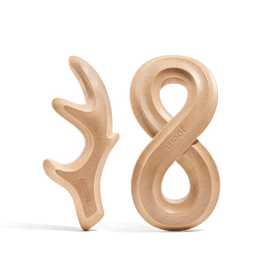
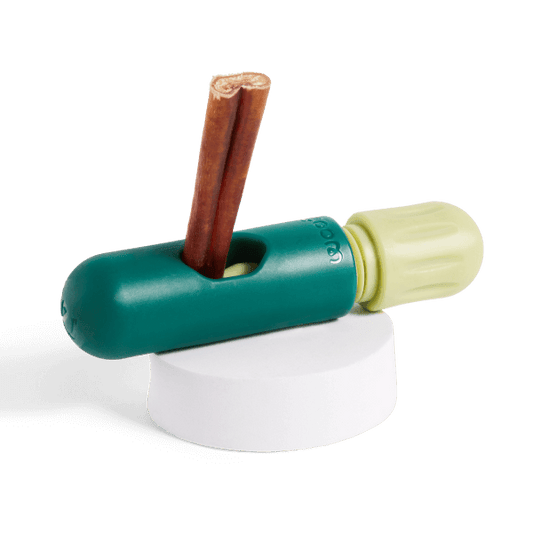
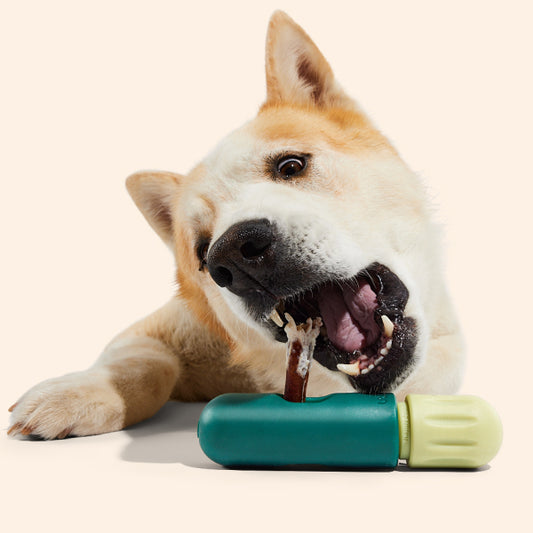
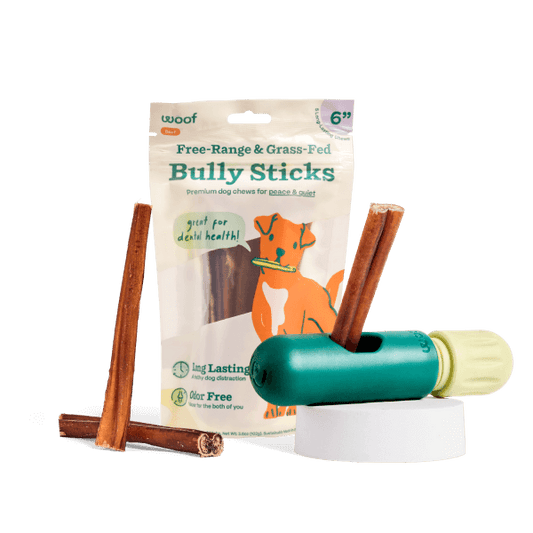
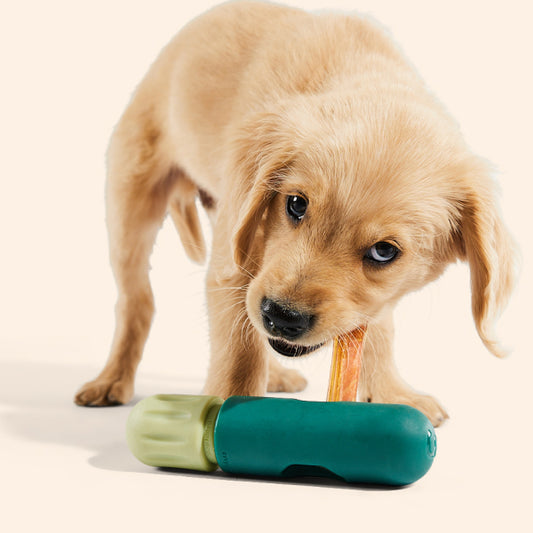
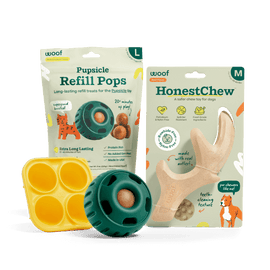
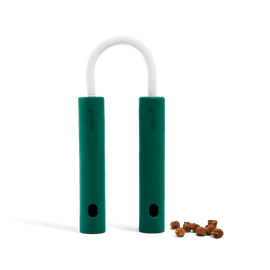
Products like HonestChew provide long-lasting chewing satisfaction, helping dogs self-soothe and relax. A calmer dog is more likely to read social cues accurately and respect another dog's boundaries.
When to Step In and When to Let It Happen
Knowing when to intervene is just as important as knowing when to step back. Growling, snapping, or repeated attempts to escape signal that an interaction is not going well. In these cases, calmly redirecting attention with a treat or toy is best.
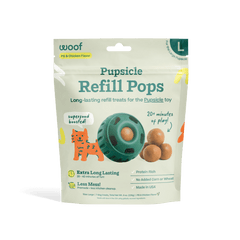
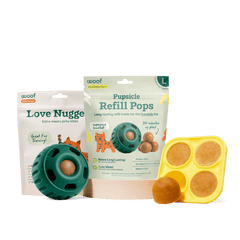
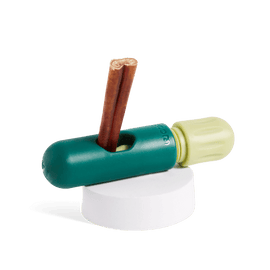
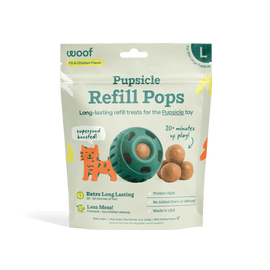
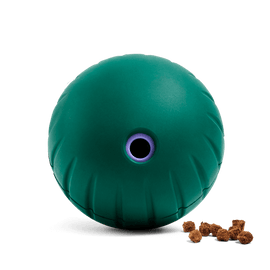
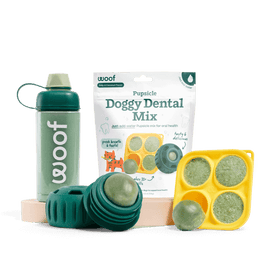
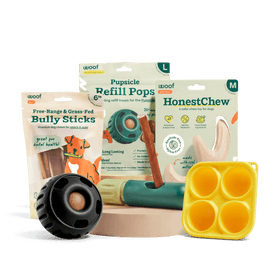
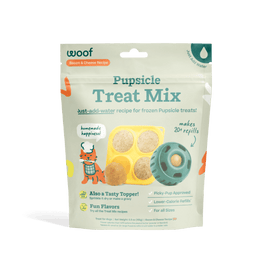
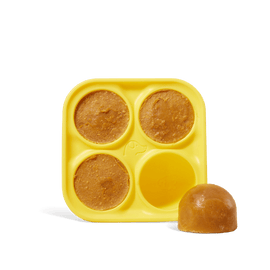
On the other hand, brief sniffing followed by disengagement is perfectly healthy. Trusting your dog and giving them space to communicate builds confidence for both of you. Carrying a high-value distraction, like a Pupsicle, can make transitions smooth and positive.
Turning Introductions Into Positive Experiences
Successful canine introductions are about preparation, observation, and empathy. When dogs feel safe and understood, their natural communication skills shine. Supporting those moments with the right tools, calm energy, and patience makes all the difference.
At Woof, enrichment is about more than play. It is about helping dogs feel balanced, confident, and ready to engage with the world, one polite sniff at a time.