



















































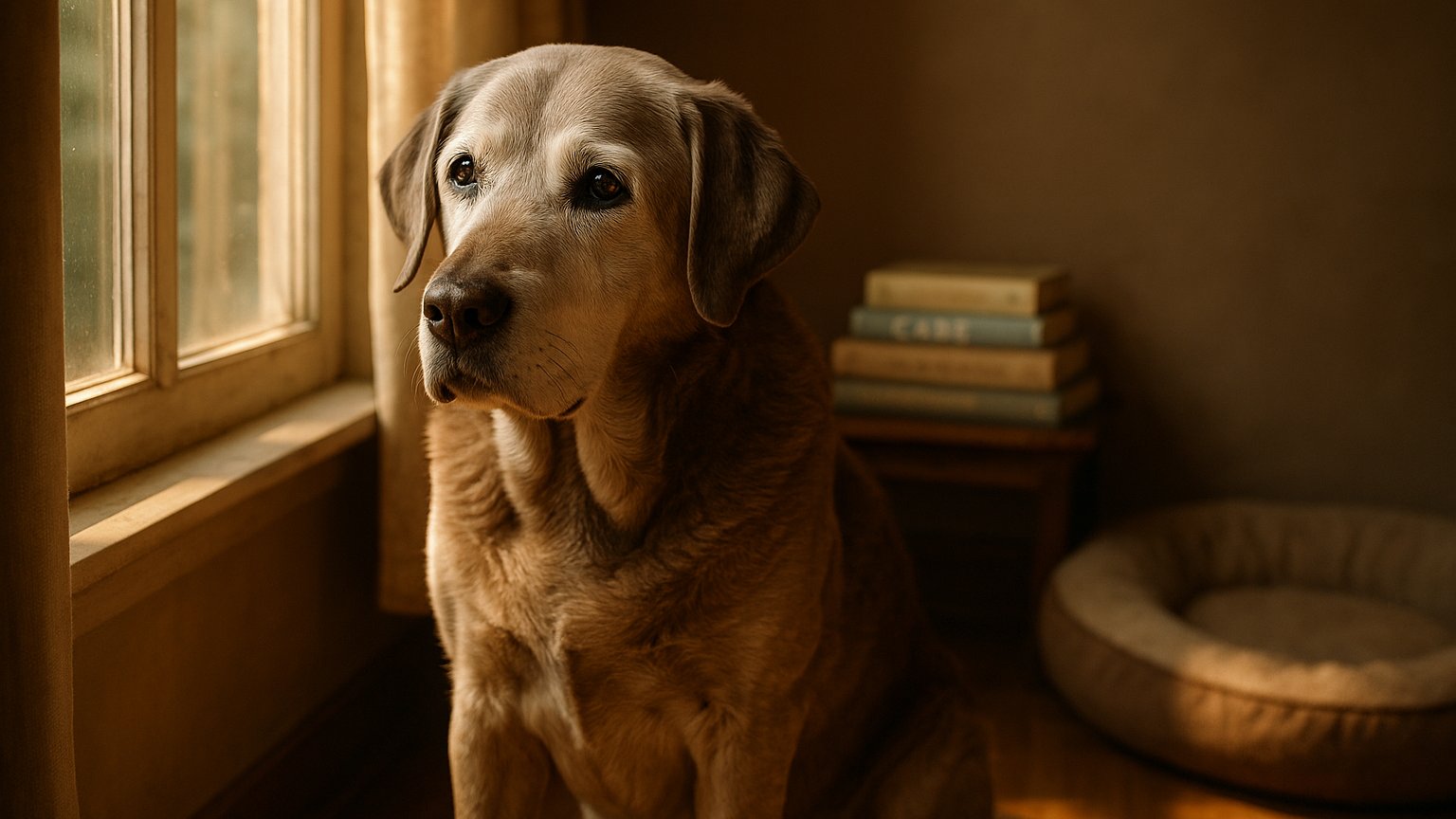
Watching your loyal companion move into their golden years brings moments of warmth, joy, and sometimes new challenges. Among those, canine cognitive dysfunction (often called "doggy dementia") can sneak up quietly—but with thoughtful care, you can help your aging pup thrive in a meaningful way. ??
First, let’s talk about what’s really going on when your dog starts showing changes in memory, awareness, or behavior. Then we’ll walk through how you can respond with love, routine and smart play that supports their mind and body.
What is canine cognitive dysfunction?
When you hear the term “doggy dementia,” that’s referring to a condition formally known as cognitive dysfunction syndrome (CDS). It’s a progressive, age-related brain disorder in dogs that’s similar in many ways to Alzheimer’s in humans. Dogs typically begin showing signs after age nine, although subtle changes could appear earlier. In the older brain neurons gradually lose function, proteins like beta-amyloid build up, and the brain’s capacity to process memory and cues starts to decline.
How will you notice it in your senior dog?
Because the changes come slowly, it’s easy to chalk them up to “just getting old,” but the hallmark for CDS is pattern change that affects your dog's daily comfort. Experts use the acronym DISHAA to help remember common signs: Disorientation, Interaction changes, Sleep-wake cycle shifts, House-soiling, Activity changes, Anxiety (and sometimes Learning/memory changes).
Here are what those might look like in your pup: they may suddenly get lost in familiar rooms, stare into space, wander at night, pace or vocalize when they didn’t before, forget simple commands, or have accidents in the house despite past training. If you spot any of these, it’s not “just aging” — it’s a sign to take action.
Why early recognition matters
The sooner you notice the shifts and partner with your vet, the better the chance your dog can maintain quality of life. While there’s no cure, you can slow progression, ease anxiety and give them joyful days. When you act early you buy more time for connection, play and shared moments rather than frustration and confusion.
Creating a dog-friendly brain-boosting routine
Here are several practical steps you can weave into your daily life with your senior dog:
- Stick to steady routines: Feeding, walking, resting at the same times each day builds a comforting framework for a dog whose mental map may be shifting.
- Provide gentle but meaningful physical exercise: Shorter walks, easy fetch, sniffing sessions—this keeps circulation flowing and the brain engaged.
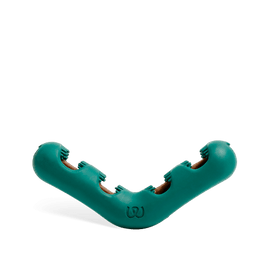
- Offer mental enrichment: Use gentle puzzles or sensory play so your dog’s brain stays active. Toys or challenges designed for senior dogs allow them to win, feel proud, and use their best asset—their nose.
- Make the home senior-safe: Use soft lighting at night, add rugs for traction, avoid moving furniture, keep food and water bowls in the same spot—small changes big comfort.
- Diet and brain-support nutrition: Talk to your vet about foods high in antioxidants, omega-3 fatty acids, and brain-support nutrients. Though not a fix, they help.
How your favorite toys and tools can help
Your gentle senior deserves more than just comfort—they deserve interactive, rewarding moments that feel fresh, safe, and fun. That’s where the right toys become allies in the brain-health journey. Consider:
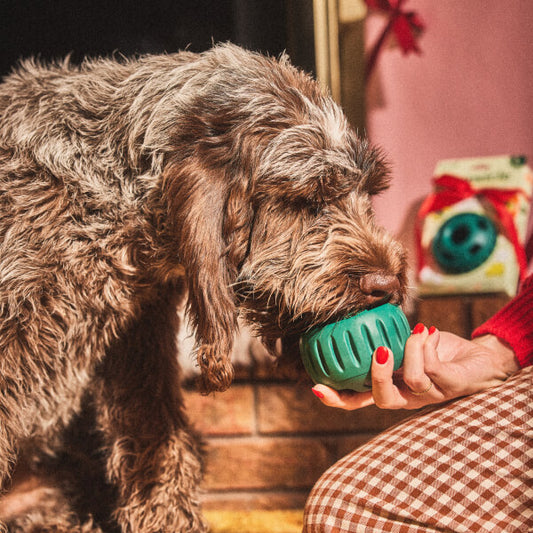
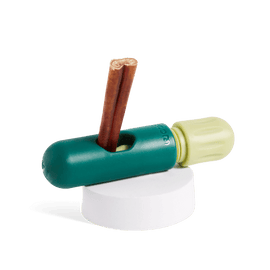
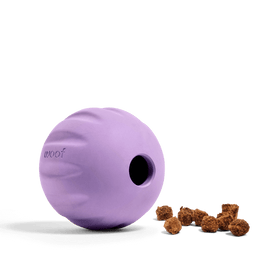
• The Flyball gives your dog a treat-dispensing challenge that keeps their mind moving.
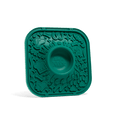
• The Walkabout turns mealtime into enrichment, encouraging your dog to wobble and think rather than just sit and eat.
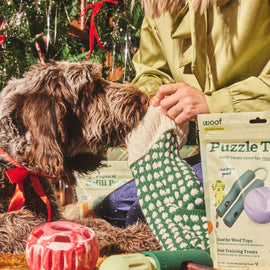
• With Woof Puzzle Treats, you can layer a treat reward with puzzle play which is perfect for older dogs who may tire easily but still want engagement.
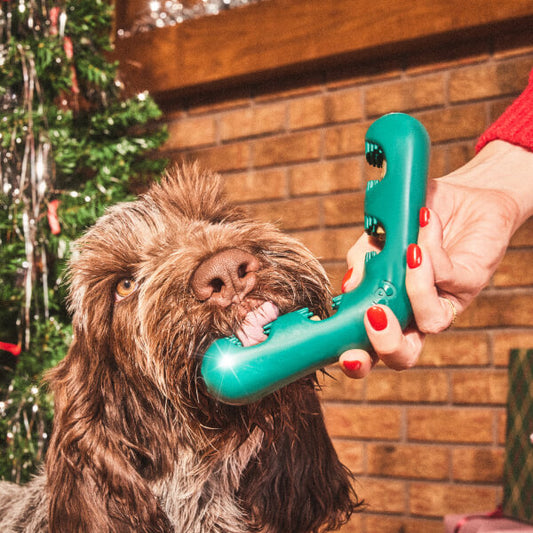
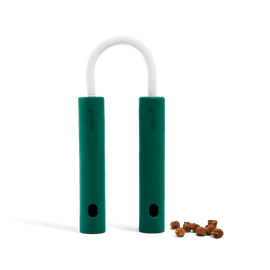
• The Fly n’ Feed dual-purpose design means one moment you’re tossing, the next your dog is licking and working—it’s mental and sensory all in one.
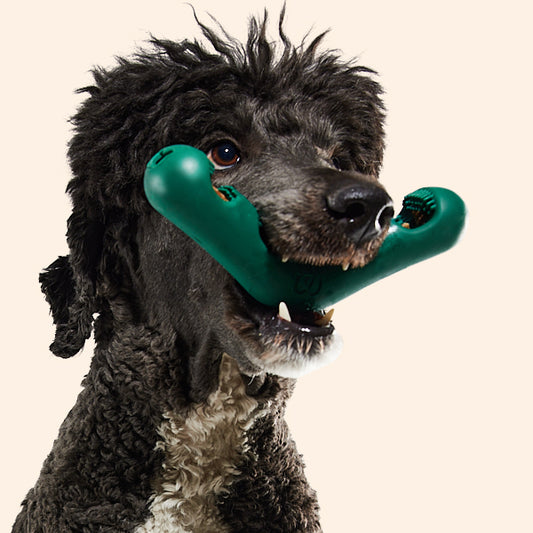
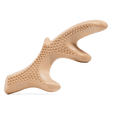
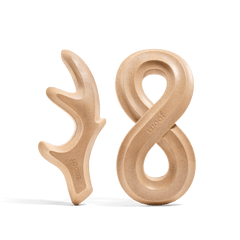
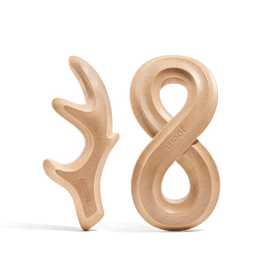
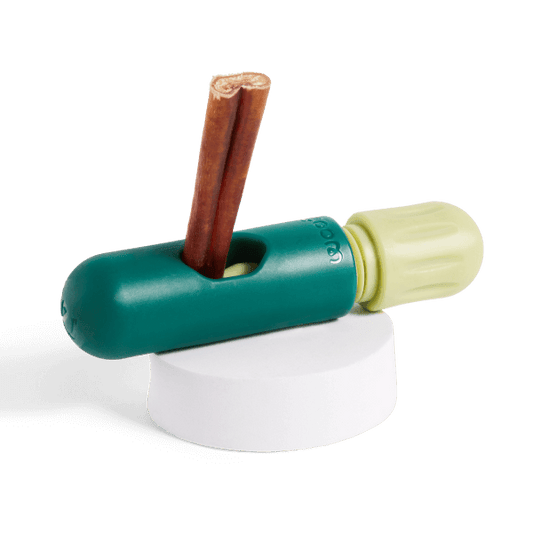
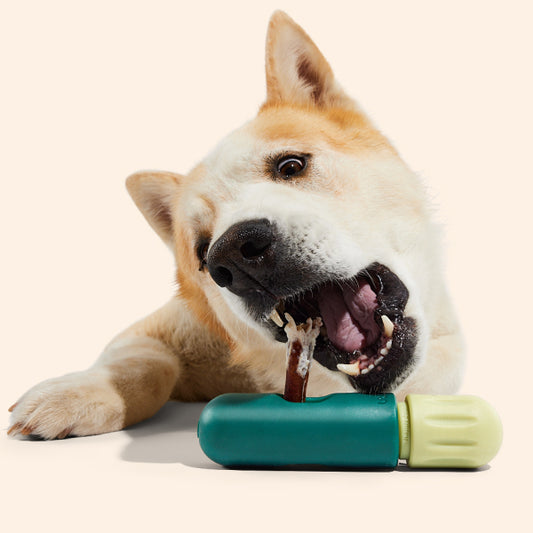
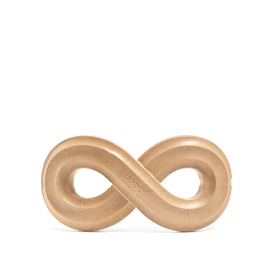
• And for dogs who like to chew lovingly but need something safe, the HonestChew gives durable, gentle chewing that doesn’t tax fragile joints.
Each of these tools helps elevate your dog’s daily life from “just coping” to “enjoying something meaningful.” It isn’t about big energy bursts anymore—it’s about comfortable wins, brain engagement, confidence and fun.
Working closely with your veterinarian
When you suspect cognitive decline, partner with your vet. They’ll help rule out medical issues that mimic CDS (like thyroid problems, joint pain, vision or hearing loss) and may prescribe specific therapies. While some medications and diets don’t reverse the condition, they can slow its pace and ease symptoms.
Maintaining hope and celebrating each day
Yes, a diagnosis of “doggy dementia” can be heavy. But it doesn’t mean the end of joy. With your love, your understanding, and your tools — the next chapters of your dog’s life can be rich and meaningful. When your senior dog lies in the grass sniffing the breeze, figuring out the puzzle toy, or gazing at you with peace—it’s proof that quality of life is absolutely within reach.
Be compassionate with yourself too. Some days will feel tougher, but your consistent presence makes the difference.
Let’s make this a chapter of connection, enrichment and dignity. Your pup may be a senior, but the best part of the journey is still here.