
























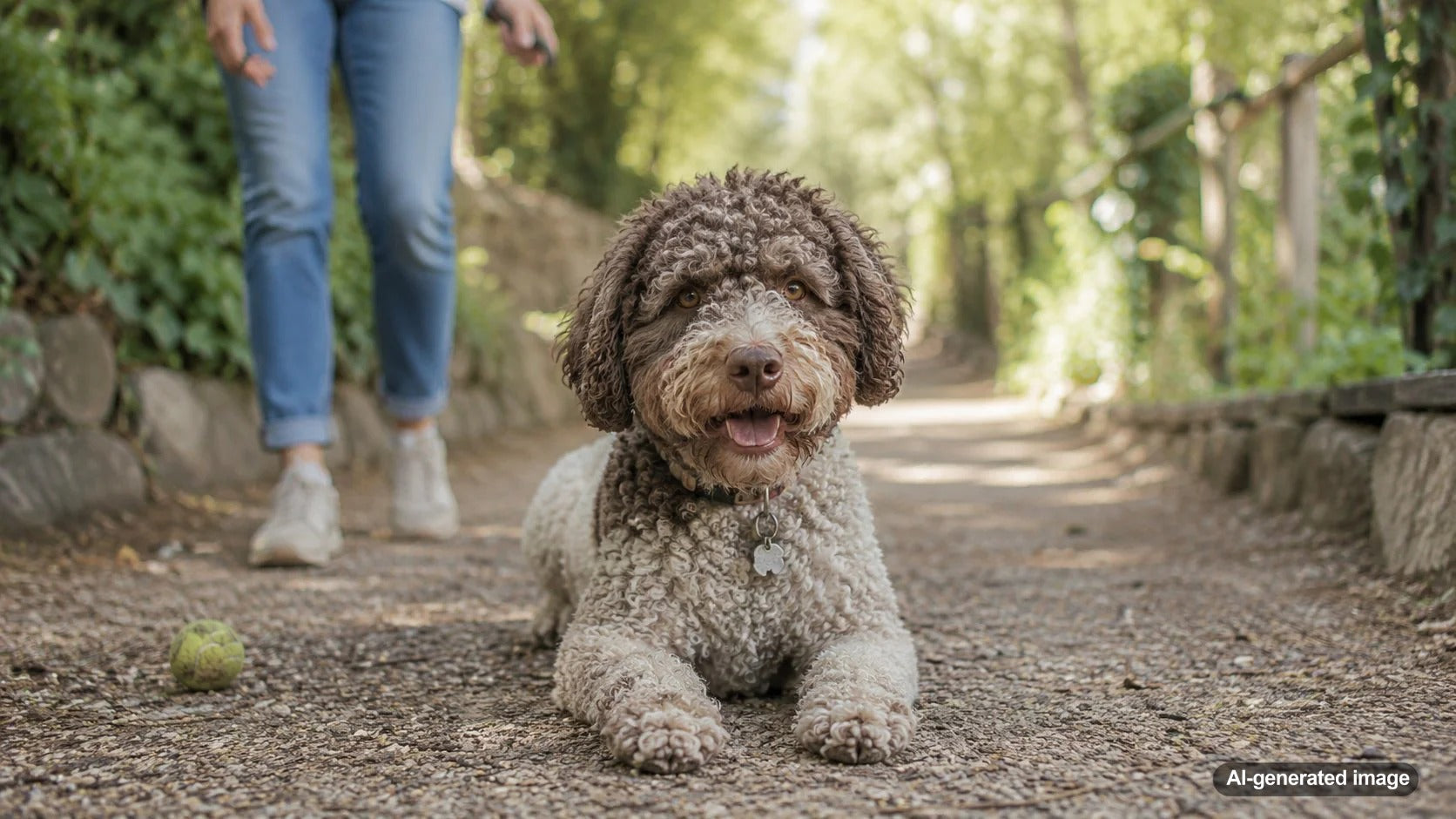
Your dog is not blocking the hallway, parking on your feet, or standing directly between you and the fridge just to test your balance. Most of the time, this funny habit is a mix of love, curiosity, routine, and the very dog-like belief that wherever you are, something interesting is probably about to happen. Why Your Dog's Favorite Hobby Is Being Exactly in the Way is really a question about connection, because dogs learn that staying close to their favorite person often leads to food, play, attention, comfort, or a front-row seat to the household action.
Adorable does not always mean convenient, though. A dog who shadows you while you cook, folds laundry from the middle of the pile, or plants themselves across the bathroom doorway can create real tripping hazards. The goal is not to make your dog less attached to you. It is to understand what they are asking for and give them safer, calmer ways to stay involved.
Why dogs love being underfoot
Dogs are excellent pattern-watchers. If you walk toward the kitchen, your dog may know snacks or meals happen there. If you pick up shoes, they may predict a walk. If you sit at your desk, they may know your feet become the perfect chin rest. What feels random to you may be a carefully studied routine to your dog.
Many dogs also like physical closeness. Leaning on your leg or lying where you have to step around them can feel comforting. Puppies may follow because the world is still new and you are their safest landmark. Senior dogs may stay close because routines feel reassuring, especially if hearing, vision, or mobility are changing. Some herding, companion, and highly social dogs are especially committed to staying in your orbit.
When being in the way is a boredom signal
A dog who keeps nudging your hand, dropping toys in your path, nosing the trash, or standing between you and every task may not be trying to be difficult. They may be saying that their brain is looking for work.
This can be common on rainy days, after skipped walks, during work-from-home stretches, or in the evening when your dog has had plenty of nap time but not enough sniffing, chewing, licking, training, or problem-solving. Physical exercise matters, but mental enrichment often makes the bigger difference for dogs who hover, interrupt, or invent their own entertainment.
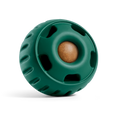
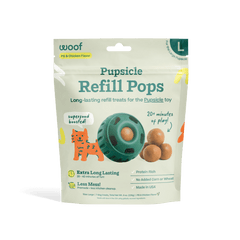
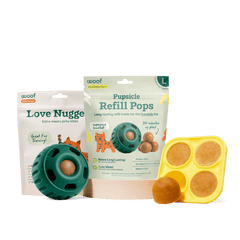
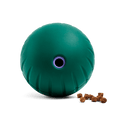
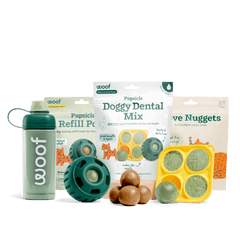
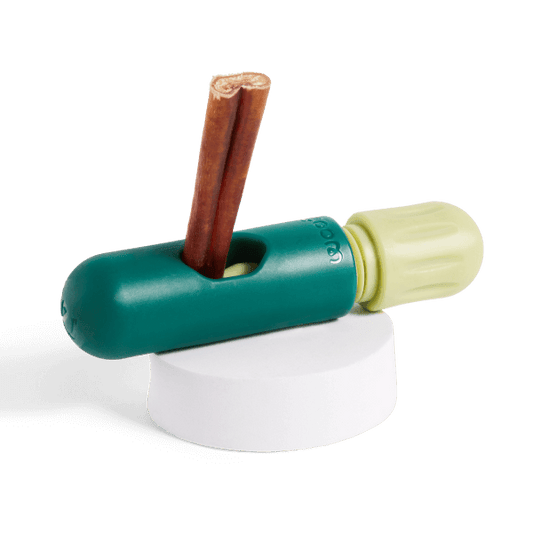
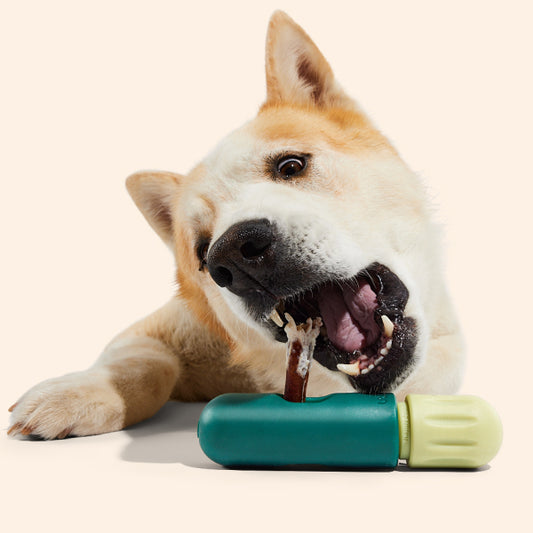
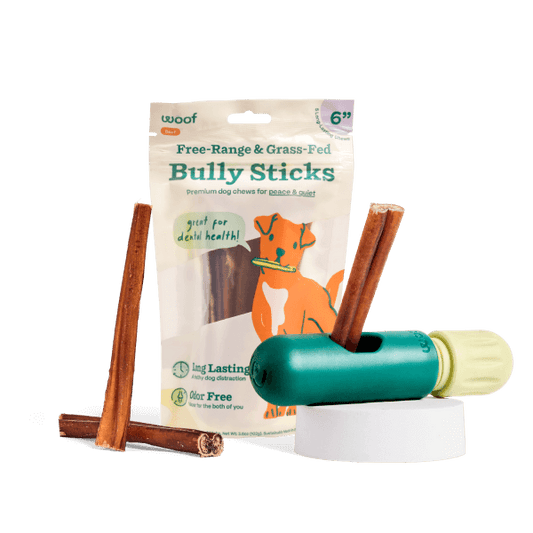
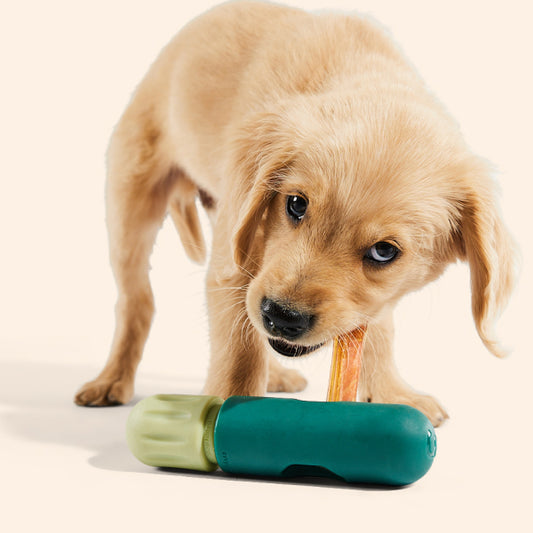
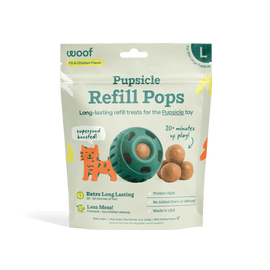
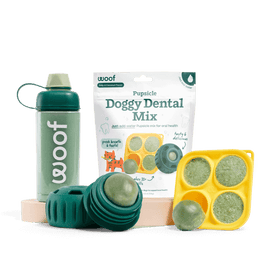
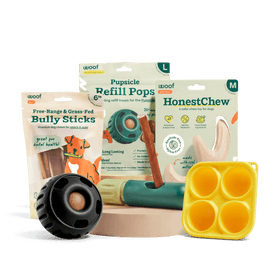
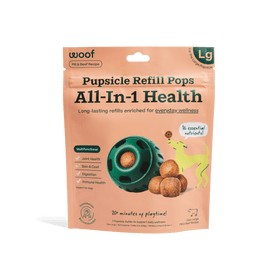
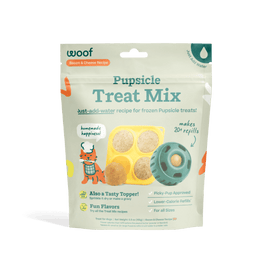
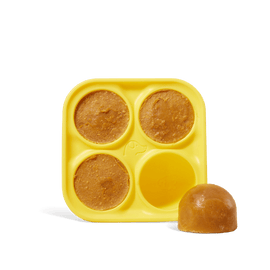
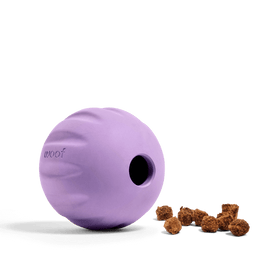
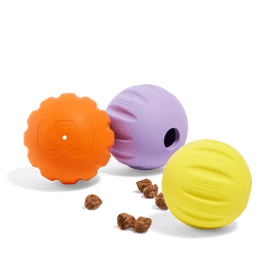
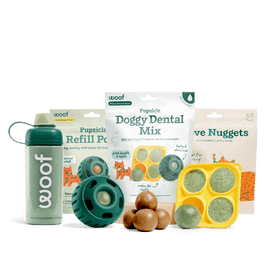
For example, The Pupsicle can be part of a longer-lasting treat routine when your dog needs a focused activity while you cook, answer emails, or settle into the evening. It gives them a job that is more appropriate than supervising your every step from two inches away.
What your dog may be trying to tell you
Before you label your dog clingy, look at the context. A dog hovering near the back door may need a potty break. A dog standing on your foot while you chop vegetables may be hoping for dropped snacks. A dog glued to you after a move, schedule change, new baby, loud storm, or vet visit may be seeking reassurance.
- If your dog gets in the way before meals, they may be anticipating food.
- If it happens when you work or look at your phone, they may be asking for attention.
- If it happens around guests, noises, travel bags, or storms, they may be feeling unsure.
- If it starts suddenly with no clear reason, consider discomfort, illness, aging changes, or stress.
Sudden changes deserve extra attention. If your dog becomes unusually clingy, restless, painful, disoriented, unwilling to eat, excessively drooly, or unable to settle, ask your veterinarian for guidance.
How to keep your dog close without creating chaos
You do not have to banish your dog from the room to make life easier. Often, the best solution is giving them a specific place to be. Teach a "go to mat" or "settle" cue by rewarding your dog for lying on a bed, mat, or blanket near the action. Start when the house is calm, not when you are juggling a hot pan or carrying laundry.
Keep the first sessions short and easy. Toss a treat onto the mat, praise your dog when they step on it, then reward calm lying down. Over time, build duration. Eventually, your dog learns that their special spot is the best place to watch the household drama unfold.
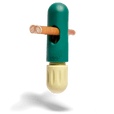
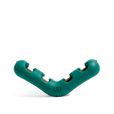
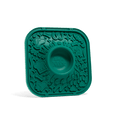
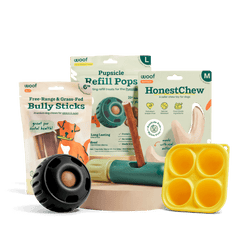
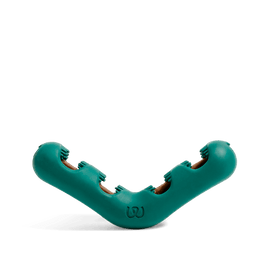
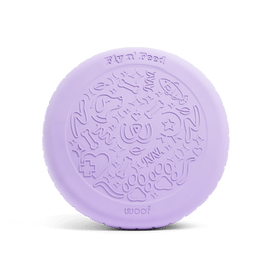
For dogs who relax through licking, FlipMat offers a slower, more focused activity that can support calm enrichment when your dog needs something to do nearby. Use it in a safe spot where your dog is supervised but not under your feet.
Common mistakes that make the habit stronger
One reason this behavior sticks is that it often works. Your dog blocks the hallway, and you talk to them. They paw your leg, and you pet them. They stand by the counter, and maybe a crumb appears. Even frustrated attention can feel like a win to some dogs.
Instead of reacting every time your dog becomes a furry speed bump, try meeting their needs before the behavior peaks. Offer a potty break, a short sniff walk, a chew session, a training game, or a settle activity before you start something that usually triggers the underfoot routine. Then reward the behavior you want, like lying on a mat, chewing calmly, or watching from a safe distance.
When closeness might be anxiety
Some dogs are simply affectionate shadows. Others are distressed when separated from their people. A relaxed shadow may follow you, nap nearby, and accept a treat toy in another room. A worried dog may pace, whine, pant, tremble, ignore food, scratch at doors, bark excessively, or panic when they cannot reach you.
If your dog struggles when left alone, do not rely on tough love or sudden long separations. Gradual confidence-building, predictable routines, and professional support can make a big difference. A veterinarian or qualified behavior professional can help you sort out whether you are seeing normal attachment, learned attention-seeking, or separation-related distress.
Dog Parent FAQs
Why does my dog stand right in front of me?
Your dog may be seeking attention, anticipating food or a walk, asking for reassurance, or choosing the closest possible spot to their favorite person. Watch when it happens to understand the likely reason.
Should I ignore my dog when they get in the way?
Not always. First make sure your dog does not need something important, like a potty break or help with discomfort. If they are just asking for attention, calmly redirect them to a mat, chew, puzzle, or licking activity and reward that instead.
Is it bad that my dog follows me everywhere?
Following is not automatically bad. It becomes a concern if your dog seems distressed, cannot relax away from you, panics when alone, or the behavior suddenly changes.
How can I stop tripping over my dog?
Create a safe station near common activity zones, such as a bed in the kitchen doorway or a mat near your desk. Practice sending your dog there with rewards before you need them out of the way.
The bottom line on your lovable little roadblock
Your dog being exactly in the way is often a compliment wrapped in a tripping hazard. They want to be near you, understand your routine, and take part in whatever exciting human thing is happening next. With a little structure, a safe place to settle, and enrichment that gives their brain a job, you can keep the closeness while making daily life smoother for both of you.


