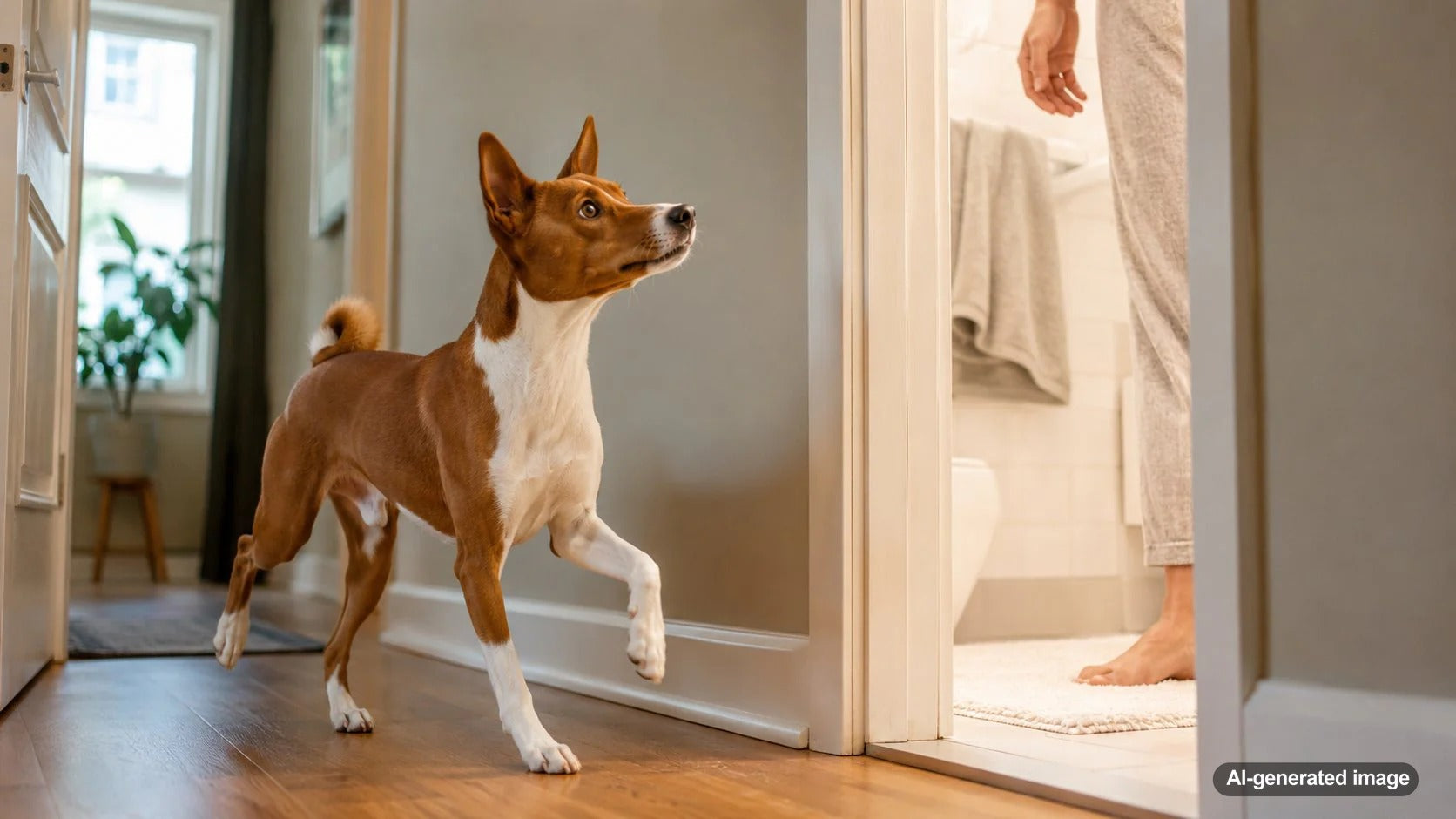
You close the bathroom door, and there they are: a nose under the crack, a paw on the tile, or one deeply concerned face staring at you like you just entered a dangerous cave alone. Why Your Dog Thinks the Bathroom Is a Group Activity is one of those funny dog-parent mysteries that is usually less weird than it looks. Most of the time, your dog is not being nosy in the human sense. They are following a mix of social instinct, habit, curiosity, routine, and the very sincere belief that wherever you go, the pack goes too.
Dogs do not understand privacy the way people do. To them, closed doors can feel confusing, interesting, or mildly suspicious, especially when their favorite person disappears behind one. Some dogs simply want to be near you. Others have learned that following you around leads to attention, treats, walks, play, or a cozy spot at your feet.
Why the Bathroom Feels Like Pack Business
Dogs are social animals, and many are happiest when they know where their people are. Your bathroom trip may feel private to you, but to your dog, it can look like the leader of the household wandered off into a small room and shut everyone out. That can trigger a simple question in your dog's mind: where are we going?
This is especially common in dogs bred to work closely with people, dogs who have had big routine changes, and puppies who are still learning how the household works. Herding breeds, companion breeds, rescue dogs settling into a new home, and puppies in the imprinting stage may be especially committed to shadow duty. Senior dogs may also stick closer if their hearing, vision, confidence, or comfort level has changed.
They May Be Curious About the One Room You Close
Dogs notice patterns. You might leave the kitchen, bedroom, and hallway open, but the bathroom door suddenly shuts. That makes the bathroom more interesting, not less. A closed door can create a tiny mystery: what is happening in there, why am I not invited, and will there be snacks?
Bathroom smells, sounds, running water, towels, trash cans, and dropped items can all be fascinating from a dog's point of view. Even a quick glance from you can reward the behavior. If your dog noses the door and you laugh, talk to them, or open it, they may learn that bathroom surveillance works.
Following You Can Be a Learned Routine
Many bathroom followers are not anxious. They are just excellent routine readers. Maybe bathroom time happens before a walk. Maybe you often wash your hands before feeding them. Maybe they get attention when they sit politely outside the door. Dogs connect tiny clues that humans barely notice.
This is where the behavior becomes a habit. Your dog follows, gets a bit of attention, and repeats the pattern tomorrow. If the routine is harmless and you do not mind the company, it is usually no problem. If you would like more personal space, you can teach an alternate routine without scolding or making the bathroom feel like a dramatic event.
When It Is Cute Clinginess Versus Real Stress
A relaxed bathroom buddy may follow you in, lie down, sniff around, or wander away when bored. A stressed dog looks different. They may whine, bark, scratch the door, pant, drool, pace, refuse food, tremble, or panic when they cannot reach you. If your dog is distressed whenever you are out of sight, the bathroom behavior may be part of a bigger separation-related issue.
Sudden clinginess also deserves attention. If a normally independent dog becomes glued to you overnight, consider what changed. Pain, illness, hearing or vision changes, household stress, a new schedule, a move, storms, or a scary event can all make a dog seek more reassurance. Contact your veterinarian if the behavior is new, intense, or paired with appetite changes, vomiting, diarrhea, limping, excessive drooling, accidents, confusion, or other health concerns.
How to Give Your Dog Something Better to Do
If your dog follows you because they are bored, under-stimulated, or expecting entertainment, give them a job that feels more rewarding than guarding the bathroom. A short enrichment routine can help many dogs settle while you move around the house.
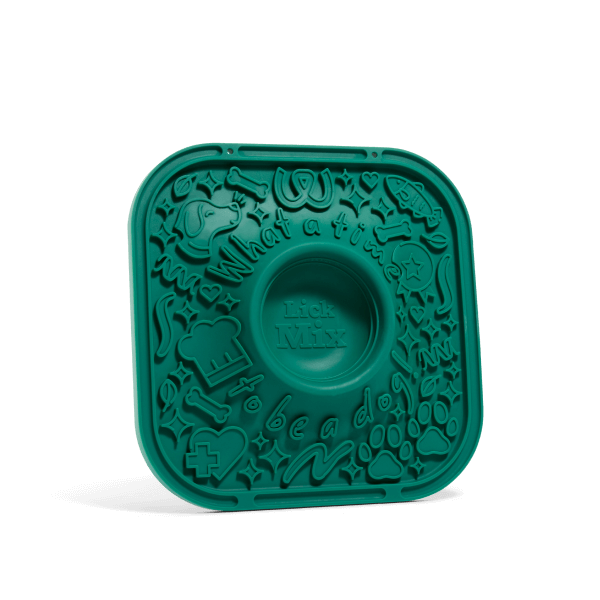
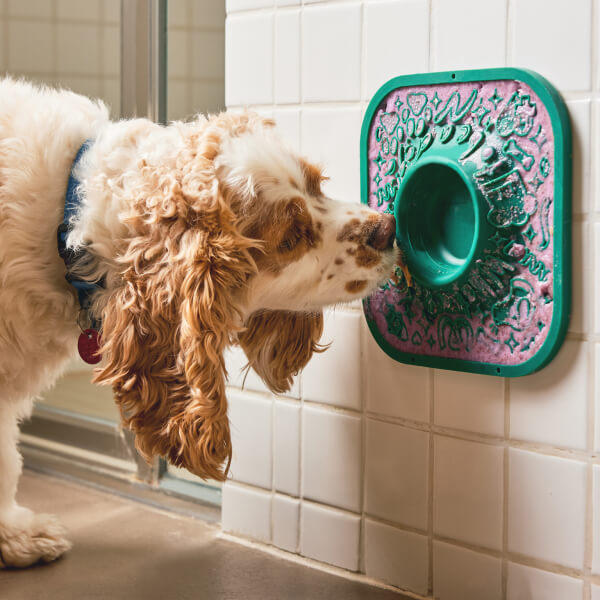
For dogs who love licking, a calming lick activity can be useful because licking may encourage slower, more focused behavior. Woof's The LickMat is made for calming enrichment and everyday distraction, with suction cups and a built-in mixing bowl that can help keep the activity in one place. For dogs who need a longer-lasting project, The Pupsicle can give them an engaging treat toy to work on while you practice short, low-pressure separations.
Supervision still matters, especially with enthusiastic chewers, puppies, and dogs trying a new toy or treat routine for the first time. Choose the right size, put the activity in a safe spot, and remove anything that becomes damaged or too small.
Simple Ways to Build Bathroom Independence
- Practice when nothing is urgent. Do a few calm repetitions during the day instead of only when you need the bathroom.
- Reward the behavior you want. Toss a treat to their bed when they stay outside the door or settle on a mat.
- Keep exits boring. Avoid big goodbyes or dramatic door closing. Calm is the goal.
- Use enrichment before they escalate. Offer a lick mat, puzzle, or chew before whining or scratching starts.
- Increase distance slowly. Build from a few seconds to a minute, then longer, based on your dog's comfort.
What Owners Often Misunderstand
The biggest misunderstanding is assuming bathroom following is always a dominance problem or always separation anxiety. It is usually neither. Dogs repeat behaviors that feel safe, interesting, rewarding, or familiar. Your dog may not be trying to control you. They may simply think being near you is their job.
Another common mistake is waiting until the dog is already upset, then trying to distract them. It is easier to teach independence before the panic point. Think of it as building a tiny habit: you leave, something pleasant happens, and you return before your dog feels overwhelmed.
Dog Parent FAQs
Should I let my dog follow me into the bathroom?
If your dog is relaxed and you do not mind, it is usually fine. If you want more space, teach a calm stationing routine on a bed or mat instead of pushing them away.
Is my dog protecting me in the bathroom?
Some dogs may be watchful, but most are following because of bonding, habit, curiosity, or routine. Protective behavior is more concerning if it includes growling, guarding, or blocking other people from approaching.
Why does my puppy follow me everywhere?
Puppies often follow because they are learning from you, seeking security, and figuring out household routines. Gentle independence practice can help them grow into confident adults.
When should I worry about bathroom clinginess?
Check with your veterinarian or a qualified trainer if your dog panics when separated, damages doors, vocalizes intensely, has accidents, refuses food, or suddenly becomes much clingier than usual.
The Bottom Line on Your Bathroom Shadow
Your dog probably thinks the bathroom is a group activity because, in their world, being close to you makes sense. You are their safe person, routine keeper, treat source, and favorite teammate. With a little patience, enrichment, and calm practice, you can enjoy the sweet bond while still helping your dog feel confident when a door closes for a minute.