






































































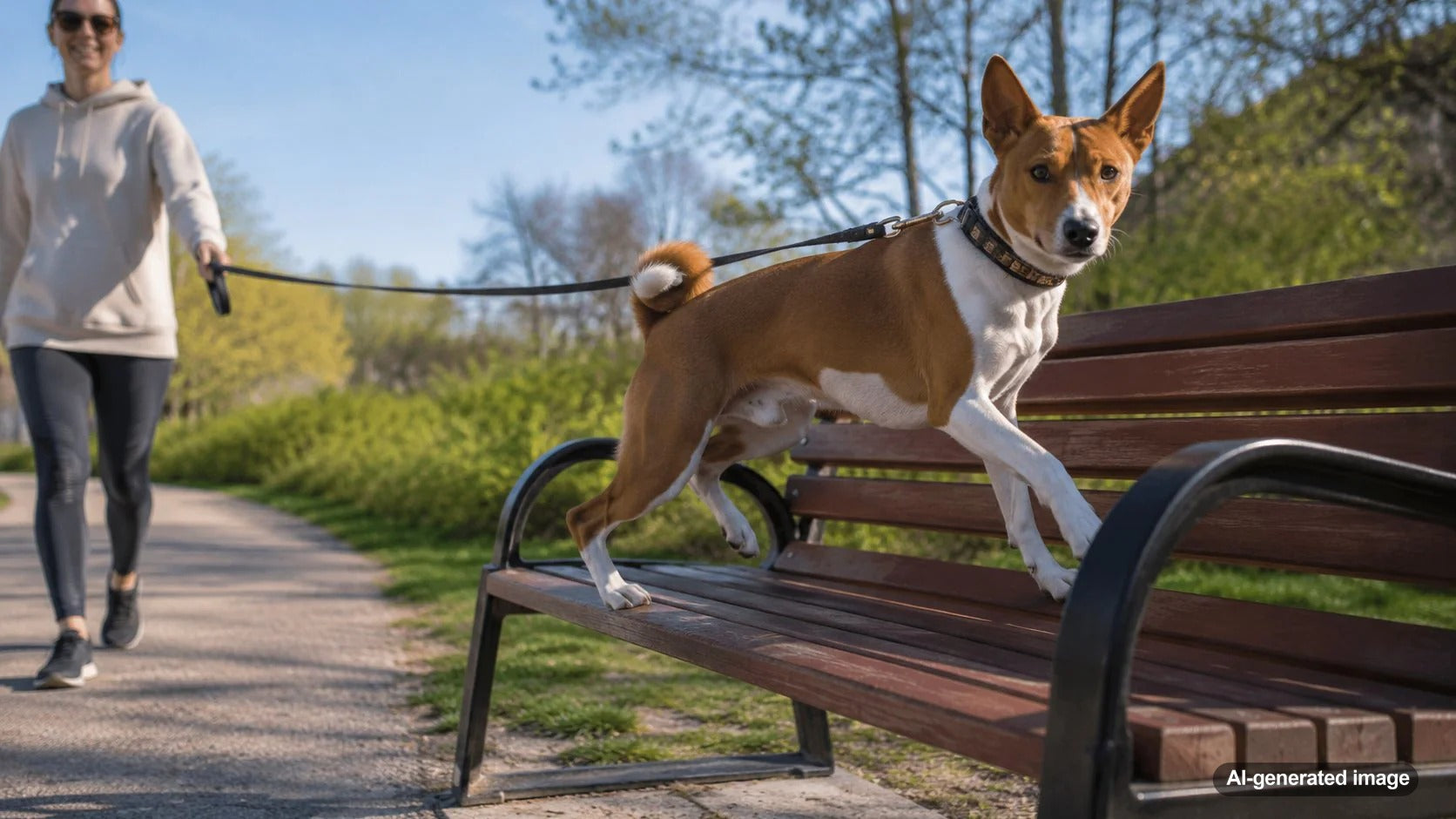
Why Some Dogs Treat the Couch Like Assigned Seating is one of those funny dog-parent mysteries that feels adorable until you are standing there with a snack, a blanket, and absolutely nowhere to sit. Your dog may have a favorite cushion, a favorite corner, or a suspiciously perfect habit of taking your spot the second you stand up. Most of the time, this behavior is less about being bossy and more about comfort, scent, routine, warmth, and feeling close to the people they love.
Still, couch loyalty can mean different things depending on the dog. For one pup, the couch is a cozy lookout tower. For another, it is the best-smelling nap zone in the house. For a puppy, it may be part curiosity and part cuddle-seeking. For a senior dog, it may be about soft support for tired joints. The goal is not to label the behavior as good or bad right away, but to understand what your dog is getting from that spot and decide what boundaries make sense in your home.
Why the Couch Feels So Important to Some Dogs
Dogs are experts at noticing patterns. If your pup naps beside you every night while you watch TV, that cushion starts to mean more than fabric and foam. It becomes part of the evening routine. The couch may predict petting, snacks nearby, calm voices, warmth, and the feeling of being included in the family pack.
Scent also matters. Your favorite couch spot smells like you, which can be deeply comforting to a dog. When you get up and your dog slides into the exact warm hollow you left behind, they are not necessarily trying to steal your throne. They may be choosing the place that smells safest and feels most connected to you.
There is also a practical side. Couches are soft, elevated, and often positioned where the action is. From one cushion, a dog can watch the front door, see the kitchen, keep tabs on the family, and still be close enough for a head scratch. To a dog, that is premium real estate.
When Couch Sitting Is Totally Normal
If your dog hops up, relaxes, moves when asked, and does not show tension around the spot, couch lounging is usually just a preference. Many dog parents happily allow couch time because it supports bonding and gives dogs a cozy place to unwind. The key is that your dog understands the couch is a shared space, not a resource they need to defend.
Normal couch behavior may look like curling into the same corner each night, choosing the cushion closest to you, leaning against your leg, or taking your spot after you leave. Some dogs even rotate spots based on sunlight, blankets, or who is sitting where. These habits can be cute, predictable, and harmless when everyone in the home is comfortable with them.
When Assigned Seating Becomes a Boundary Problem
The couch deserves more attention if your dog stiffens, growls, snaps, blocks people from sitting down, refuses to move, or seems stressed when someone approaches. Those can be signs that your dog is guarding the couch, guarding a person, or feeling insecure about losing a valuable resting place. Do not punish growling. Growling is information. It tells you your dog is uncomfortable and needs a safer plan.
If guarding, snapping, biting, or sudden behavior changes appear, contact a qualified positive-reinforcement trainer or veterinary behavior professional. If your dog suddenly avoids jumping, cries when moving, slips, limps, or seems painful, check with your veterinarian. Sometimes what looks like stubborn couch behavior is actually discomfort, aging, injury, or anxiety.
- Your dog freezes or gives a hard stare when someone approaches the couch.
- Your dog growls, curls a lip, snaps, or blocks access to a cushion.
- Your dog seems unable to settle unless they are on the couch.
- Your dog has trouble getting up, jumping down, or moving after naps.
- The behavior appears suddenly or comes with other changes in appetite, energy, or mood.
What Owners Often Misunderstand
It is easy to assume a dog who claims the couch is trying to be dominant, but most couch habits are better explained by comfort, reinforcement, and routine. If your dog gets attention every time they jump up, even if that attention is you saying, "Move over, buddy," the couch becomes even more rewarding. If one person allows couch snuggles and another person says no, your dog may also be confused rather than defiant.
Another common misunderstanding is thinking dogs automatically know when couch rules change. If your dog has been allowed on the couch for months and suddenly is not allowed after muddy paws or a new sofa arrives, they need patient teaching. Clear cues, consistent rules, and a better alternative work much better than frustration.
How to Share the Couch Without Chaos
If you like having your dog on the couch, teach polite couch manners. Use a cue like "up" when they are invited and "off" when you need space. Reward them for getting down with a treat, praise, or a quick game, so moving off the couch does not feel like losing something valuable. Avoid pushing or dragging your dog off, especially if they are tense, because that can make the couch feel more worth defending.
It can also help to give your dog a specific couch blanket or one approved cushion. That makes the rule easier to understand: this is your cozy place, and the rest is shared. For muddy dogs, heavy shedders, puppies, and power chewers, supervision matters. A bored dog left alone on the couch may turn cushions into a project.
How to Create a Better Alternative Spot
If you want your dog off the couch or simply want more flexibility, create a resting place that competes with the couch. Put a supportive bed or mat near the family area, not isolated in a back room. Add a familiar blanket, reward your dog for choosing it, and practice short sessions when your dog is already calm. You can say "place," toss a treat onto the bed, and praise relaxed behavior.
For dogs who climb onto the couch because they are bored, add an enrichment routine before prime couch time. A short sniff walk, a simple training session, or a calming lick activity can help take the edge off restless evening energy. Woof's The Pupsicle can be a useful tool for dogs who need a longer-lasting, engaging treat toy while the family settles in. For dogs who relax through licking, FlipMat offers a dual-sided lick mat and slow feeder that can turn couch-hour energy into a calmer floor routine.
Puppies, Seniors, Small Dogs, and Big Dogs
Puppies may treat the couch like a jungle gym because it is exciting, high, and close to you. Keep sessions supervised, redirect chewing, and teach calm settling early. Small dogs may love the couch because it lifts them into the social zone, but jumping down repeatedly can be hard on little bodies. Consider safer access, like steps or lifting when appropriate.
Large dogs may simply take up more space, which can make couch boundaries feel more urgent. A clear "off" cue and a roomy alternative bed can save a lot of daily negotiation. Senior dogs may choose the couch because it is softer than the floor, but if jumping becomes difficult, prioritize comfort and safety. Changes in mobility, stiffness, or reluctance to move are worth discussing with your vet.
Dog Parent FAQs
Why does my dog steal my spot as soon as I get up?
Your spot is warm, familiar, and full of your scent. Many dogs find that comforting, especially if they enjoy being close to you.
Is my dog trying to dominate me by sitting on the couch?
Usually, no. Most couch habits are about comfort, routine, scent, attention, or access to family activity, not a plan to take charge.
Should I let my dog on the couch?
That is a household choice. If your dog is relaxed, safe, and willing to move when asked, couch time can be fine. If there is guarding, aggression, pain, or confusion, set clearer boundaries and ask a professional for help when needed.
How do I teach my dog to get off the couch?
Use a calm cue like "off," reward your dog when they move, and guide them to a comfortable alternative spot. Practice when things are low-pressure, not only when you are frustrated.
The Bottom Line on Your Dog's Favorite Seat
When dogs treat the couch like assigned seating, they are usually telling us something simple: this place feels good. It smells like family, gives them a good view, and fits neatly into their daily rhythm. With consistent rules, a cozy alternative, and a little enrichment, you can keep the couch from turning into a standoff while still honoring your dog's need for comfort and connection.


