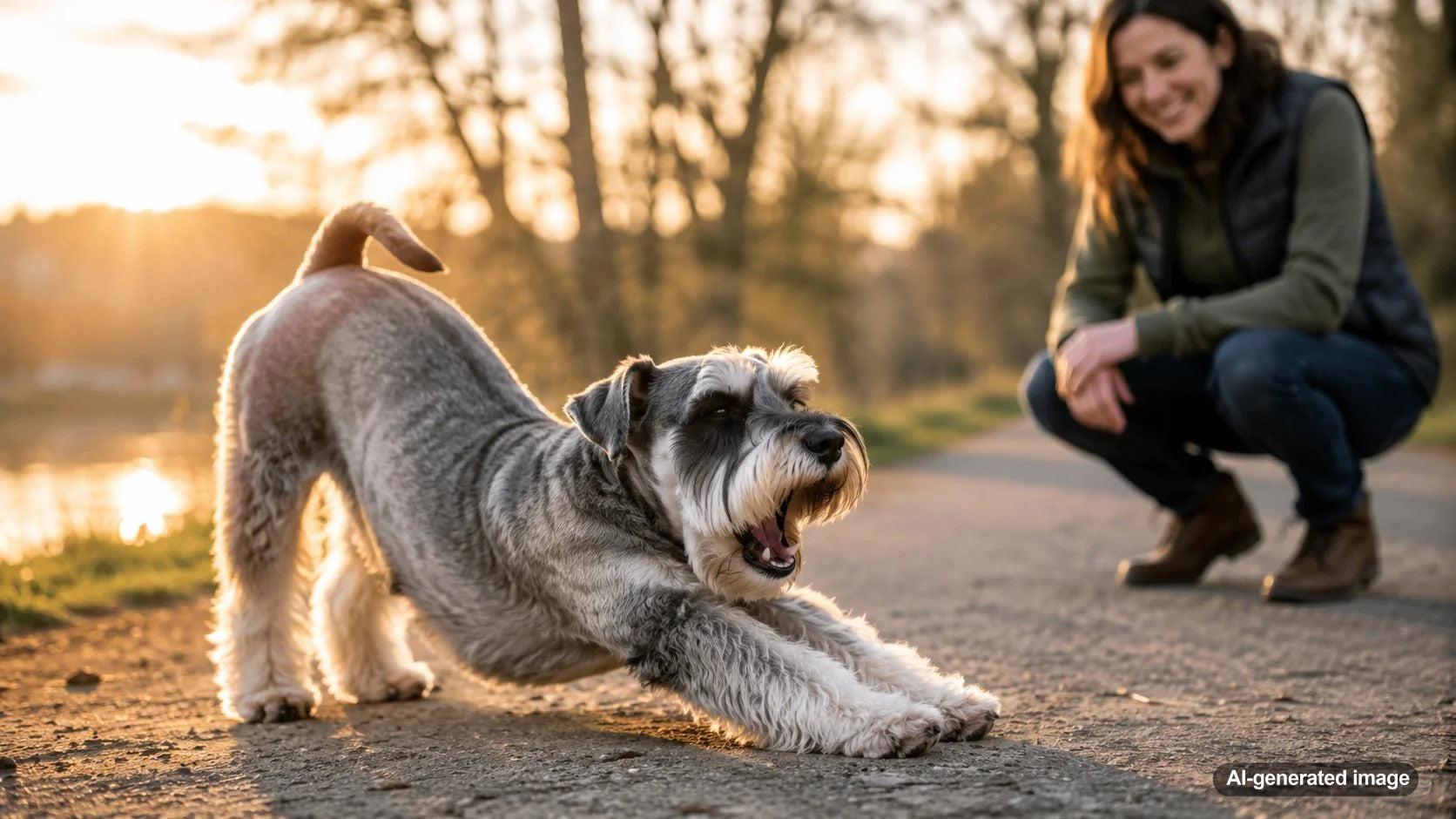
Some dogs do not simply stretch. They perform the stretch, narrate the stretch, and make sure every person in the room understands that a very important stretch is currently happening. If your dog lets out a groan, sigh, squeak, yawn, little howl, or dramatic rumble every time they unfold from a nap, you are not alone. In many cases, this noisy stretching routine is a normal mix of comfort, communication, habit, and good old dog personality.
The key is context. A happy morning stretch with a loose body and waggy tail is very different from a new, frequent, stiff, painful-looking stretch paired with limping, appetite changes, or unusual restlessness. Once you learn the difference, your dog's big stretch announcement becomes less mysterious and a lot more endearing.
Quick Answer
Some dogs announce every stretch because stretching feels good, helps them transition from rest to activity, and gives them a chance to communicate. The sound may be a relaxed groan, a satisfied sigh, a greeting noise, or a learned behavior that gets attention. It is usually harmless when your dog looks comfortable, moves normally afterward, and only does it around predictable moments like waking up, greeting you, or settling in.
Why Some Dogs Stretch So Dramatically
Dogs stretch for many of the same practical reasons people do. After sleep, their muscles and joints need a moment to warm up. A long stretch can help them shift from curled-up nap mode into walk-around-the-house mode. That is why you may notice the biggest stretch performance after a couch nap, first thing in the morning, or when your dog hears you reach for the leash.
But dogs are also expressive. A stretch can be part body maintenance and part social message. Some dogs lower the front half of the body, raise the back end, wag, and look at you as if to say, "Hello, I am awake and available for attention." Others add a yawn, a groan, or a tiny bark because that is simply how their personality comes out.
The Noise Usually Has a Meaning
A stretch announcement can sound different from dog to dog. A deep groan may mean your dog is relaxed and enjoying the sensation. A sigh may happen when they are settling down or releasing tension after excitement. A yawn-stretch combo often appears during transitions, such as waking up, preparing for a walk, or calming after play.
Some dogs also learn that noisy stretching gets a reaction. If you laugh, talk back, pet them, or say, "Big stretch!" every time they do it, your dog may connect the routine with attention. That does not mean they are being manipulative in a bad way. It means they are socially smart and noticed that the stretch announcement is part of your relationship.
Morning Stretch, Greeting Stretch, or Play Bow?
Not every stretch is the same. A morning stretch is usually slow and sleepy. Your dog may extend the front legs, arch the back, yawn, shake off, and then move normally. A greeting stretch often happens when you come home or enter the room. Your dog may stretch toward you, keep their body loose, wag, and look soft and happy.
A play bow is more energetic. The front legs go down, the rear stays up, and the body may bounce or wiggle. Dogs use this posture to invite play and show friendly intentions. If your dog announces this kind of stretch with a bark or happy growly sound, they may be asking for interaction rather than just loosening up.
Helpful tip: Look at what happens next. If your dog stretches, makes a sound, shakes off, and trots away normally, it is probably just a normal transition. If they stretch repeatedly, look tense, avoid movement, or seem uncomfortable afterward, that deserves closer attention.
Why Puppies, Seniors, and Big Dogs May Sound Different
Puppies often make dramatic noises because their whole life is dramatic. They are learning routines, discovering attention patterns, and moving quickly between sleep, play, food, and chaos. A puppy who squeaks through a stretch and then bounces into play is usually just being expressive.
Senior dogs may groan more because their bodies are slower to warm up. That does not automatically mean something is wrong, but it does mean you should pay attention to changes. If an older dog suddenly starts stretching more often, hesitates on stairs, struggles to rise, pants at rest, or seems sore, ask your veterinarian.
Large dogs and deep-chested dogs can also be naturally rumbly. Their stretch noises may sound bigger simply because they are bigger. Still, sudden changes matter more than volume. You know your dog's normal soundtrack better than anyone.
When Stretch Announcements Are Just Part of a Routine
Many dogs stretch loudly at predictable points in the day: after a nap, before breakfast, when you get home, after crate time, or right before a walk. These routines help dogs understand what comes next. A dog who wakes up, stretches, groans, and heads to the door may be saying, "I am ready for the next part of the day."
You can use that natural transition as a cue for a healthy routine. After the stretch, give your dog a potty break, a short sniff walk, a gentle play session, or a calm enrichment activity. For dogs who get overly excited after waking or greeting, a licking or puzzle routine can help redirect that energy into something soothing.
For example, The Pupsicle can be a useful part of a post-nap or quiet-time enrichment routine because it gives dogs a longer-lasting way to lick, work, and stay engaged. For dogs who stretch, announce, and then immediately demand entertainment, a planned enrichment moment can make the transition smoother without turning every stretch into a full household event.
When to Pay Closer Attention
Most noisy stretching is normal, but there are times when it is smart to slow down and observe. A stretch can sometimes look similar to a posture dogs use when they feel uncomfortable. You do not need to panic, but you should watch for patterns.
Check with your veterinarian if noisy stretching is paired with:
- Limping, stiffness, or trouble getting up
- Repeated stretching that seems new or excessive
- Whining, trembling, panting, or guarding part of the body
- Vomiting, diarrhea, bloating, drooling, or appetite changes
- Sudden behavior changes, hiding, restlessness, or sensitivity to touch
If your dog seems painful, unusually tired, or not like themselves, professional guidance is the safest next step. Stretching sounds alone are often harmless. Stretching plus discomfort is a different story.
How to Respond to the Big Stretch Performance
If your dog is relaxed and healthy, it is perfectly fine to enjoy the show. You can respond warmly, but try not to accidentally reinforce frantic behavior if your dog becomes demanding afterward. Calm attention works better than turning every stretch into a high-energy party.
Try a simple pattern: notice the stretch, offer a calm greeting, then guide your dog into the next appropriate activity. That might be outside time, breakfast, a few training rewards, a chew session, or a lick-based wind-down. If your dog tends to stretch and then zoom around the house, a calming lick routine with something like Calming LickMix on a lick mat may help support a more settled rhythm.
Dog Parent FAQs
Is it normal for my dog to groan when stretching?
Yes, many dogs groan, sigh, or make little noises when stretching, especially after sleep or during relaxed moments. It is usually normal if your dog looks comfortable and moves normally afterward.
Why does my dog stretch when I come home?
A greeting stretch can be a friendly, relaxed way for your dog to say hello. Some dogs pair it with wagging, soft eyes, yawning, or a happy noise because they are transitioning from rest to interaction.
Should I worry if my dog suddenly stretches more than usual?
A sudden increase is worth watching, especially if it comes with stiffness, pain, digestive upset, limping, or behavior changes. Contact your veterinarian if the pattern feels unusual for your dog.
Can enrichment help a dog who gets loud and excited after stretching?
It can be part of the routine. Licking, chewing, puzzle toys, and slow feeding can give dogs a calmer outlet after waking, greeting, or transitioning into a new part of the day.
The Bottom Line on Noisy Dog Stretches
Some dogs are quiet stretchers. Others believe every stretch deserves a soundtrack. When the body language is loose, the timing is predictable, and your dog returns to normal movement afterward, the big stretch announcement is usually just a sweet piece of their personality.
Pay attention to changes, support healthy transitions, and enjoy the tiny daily performance. Your dog may not need an audience for every stretch, but they are probably very pleased to have one.