Some dogs finish a walk, drink some water, and curl up for a nap without a second thought. Others patrol the windows, follow their people from room to room, deliver toys, and react to every tiny sound as if they are still on duty. These dogs may be tired, but they have not learned that it is safe and appropriate to stop. In that sense, they need permission to relax.
Permission does not mean forcing a dog to lie still or expecting perfect obedience. It means creating clear, predictable conditions that tell your dog, "Nothing is required of you right now." With repetition, that message can become a valuable life skill.
What Does "Permission to Relax" Really Mean?
For many dogs, relaxing is not simply the absence of exercise. It is a behavior shaped by context. If your dog has learned that following you leads to play, nudging your hand produces attention, or barking at the window starts an exciting conversation, staying alert can feel rewarding.
A relaxation routine provides a different pattern. Your dog learns where to settle, what calm behavior looks like, and when the activity has ended. Think of it as teaching an off switch, not draining every last drop of energy from your dog.
Signs Your Dog May Be Stuck in "Go" Mode
A dog who needs help settling may pace after exercise, repeatedly bring toys, shadow every family member, jump up whenever someone moves, or remain intensely focused on doors and windows. You might also notice frequent repositioning, whining, attention-seeking, panting when the room is not warm, or difficulty resting after visitors leave.
Context matters. Panting, yawning, lip licking, drooling, trembling, hiding, appetite changes, or sudden restlessness can also accompany stress or physical discomfort. If these behaviors are new, intense, or paired with pain, digestive trouble, excessive drooling, or another major change, contact your veterinarian.
Why Activity Alone Does Not Always Create Calm
It is tempting to respond to a restless dog with a longer run or another round of fetch. Appropriate exercise is important, but highly exciting activity can leave some dogs more activated for a while. A dog may return home physically tired while their brain is still expecting another chase, sound, visitor, or reward.
Constant entertainment can create a similar pattern. If every quiet moment is filled with a game, training session, or attention, the dog gets little practice doing nothing. Puppies and adolescent dogs commonly need extra structure because impulse control is still developing. Alert working breeds may closely monitor their environment, while newly adopted dogs may struggle to rest until the household becomes predictable. Senior dogs who suddenly begin pacing or sleeping poorly should be evaluated by a veterinarian because pain, sensory changes, and age-related conditions may affect rest.
How to Teach Your Dog That Rest Is Allowed
- Meet the essential needs first. Offer age-appropriate movement, bathroom breaks, sniffing, social connection, food, and water. Relaxation training works best when genuine needs are not being ignored.
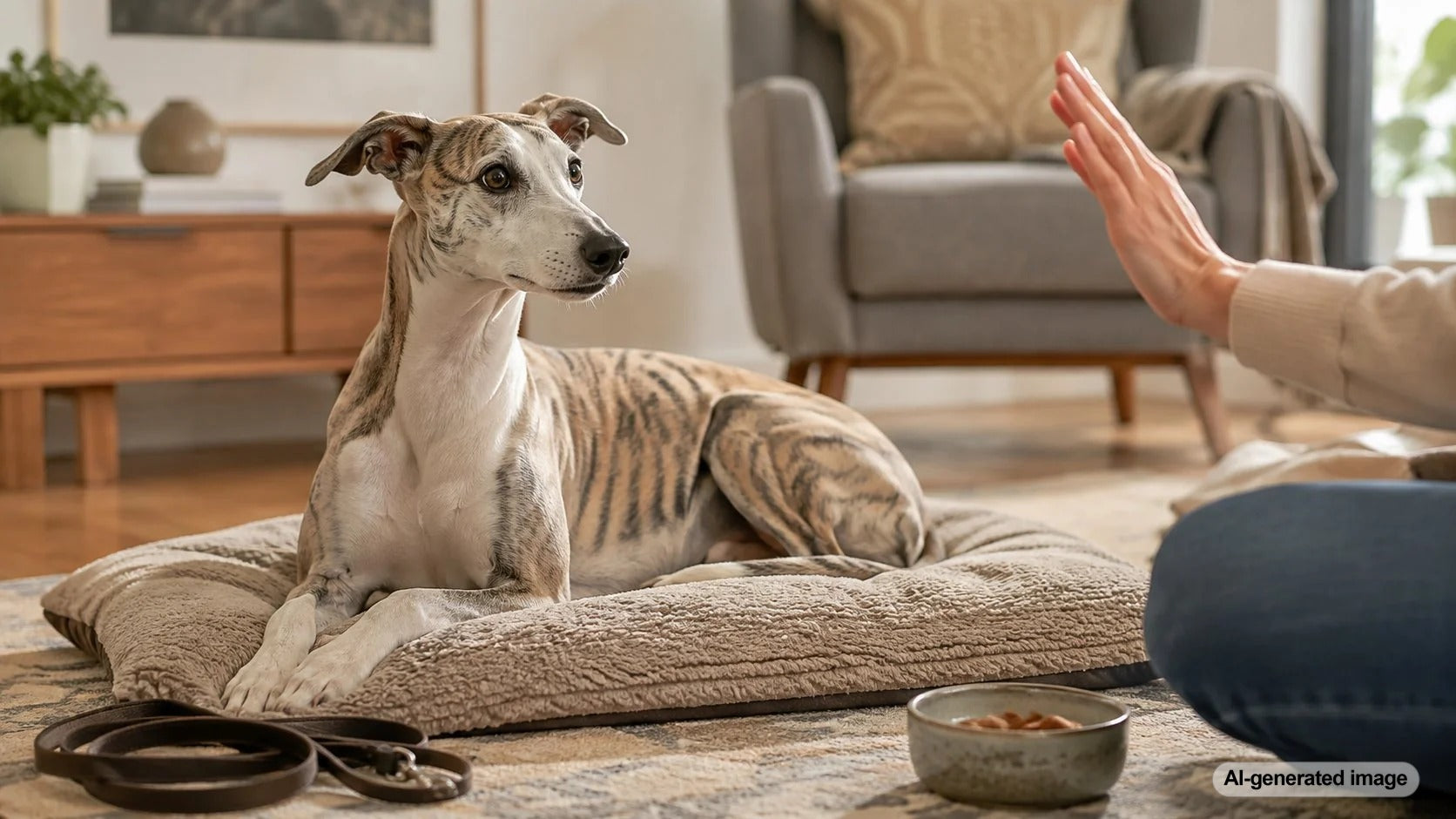
- Choose a quiet resting station. Use a comfortable bed or mat away from busy doors and windows. Let your dog investigate it without being pushed or physically placed there.
- Reward calm moments. When your dog voluntarily lies down, quietly place a small treat between their paws. Keep your voice and movements low-key so the reward does not restart the party.
- Build duration gradually. Begin with a few seconds of staying settled. Extend the time in small increments and use a release cue before your dog becomes frustrated.
- Practice before the hardest moments. Teach the routine on an ordinary afternoon before expecting it to work during a dinner party, thunderstorm, or busy family evening.
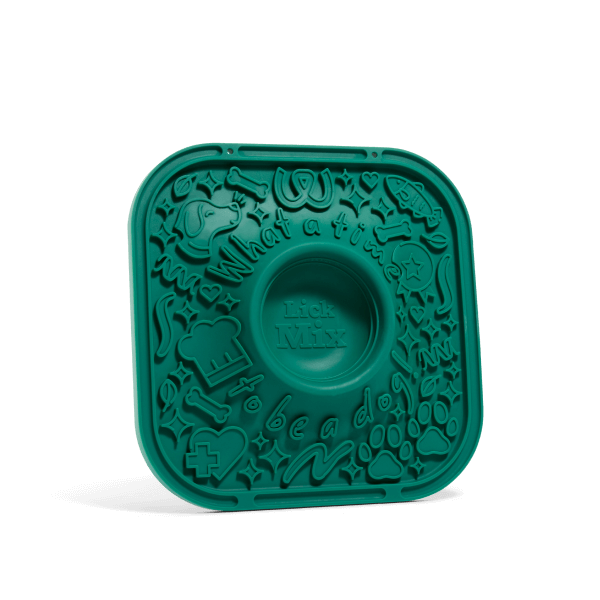
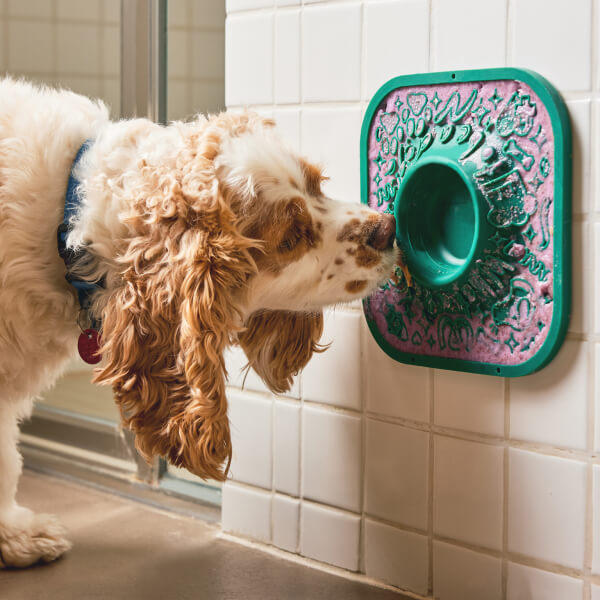
Calm enrichment can also serve as a bridge between activity and sleep. Spreading a dog-safe food on The LickMat offers a focused licking activity that may encourage a quieter transition. For dogs who benefit from a longer treat project, The Pupsicle can provide engaging, supervised enrichment without asking for fast, high-energy movement.
Choose foods your dog tolerates, account for treats in their daily calories, and supervise enrichment. Remove any toy that becomes damaged or unsuitable for your dog's chewing style.
Make the Environment Easier to Ignore
Training is only part of the picture. Close the curtains if sidewalk traffic keeps your dog on patrol. Move the bed away from the front door, lower household noise, and give children clear rules about leaving a resting dog alone. Some dogs settle more easily after a slow sniffing walk than after repetitive ball chasing.
A simple transition ritual can help: bathroom break, fresh water, two minutes of calm interaction, enrichment on the resting mat, and then a consistent cue such as "settle." The exact words matter less than repeating the same calm sequence.
Common Mistakes That Keep Dogs Alert
Avoid repeating the settle cue while your dog is wandering, using the bed as punishment, or enthusiastically praising calm behavior. All three can make the resting area confusing or exciting. It also helps to avoid rewarding every demand for activity. You can acknowledge your dog, check that their needs are met, and calmly guide them toward the established routine.
Do not expect instant progress. A dog who has spent years monitoring every movement may need many short, successful practices. If your dog appears frightened, cannot take food, repeatedly tries to escape, becomes destructive when alone, or cannot settle despite a thoughtful routine, ask your veterinarian or a qualified reward-based trainer or behavior professional for help.
Dog Parent FAQs
Is a restless dog always under-exercised?
No. Restlessness may reflect unmet exercise needs, but it can also come from overexcitement, stress, an unpredictable routine, environmental triggers, or physical discomfort.
Should I ignore my dog when teaching relaxation?
You do not need to ignore your dog completely. Meet genuine needs, then reinforce calm behavior quietly instead of automatically starting an exciting activity whenever your dog asks.
How long does it take a dog to learn to settle?
Every dog is different. Some understand the routine within several sessions, while highly alert or easily overstimulated dogs may need weeks of brief, consistent practice.
Calm Is a Skill, Not a Personality Trait
Your dog does not have to be naturally mellow to become better at resting. By meeting their needs, reducing unnecessary stimulation, rewarding small moments of softness, and creating a predictable wind-down ritual, you give them something powerful: a clear signal that the watch is over and they are safe to let go.