






































































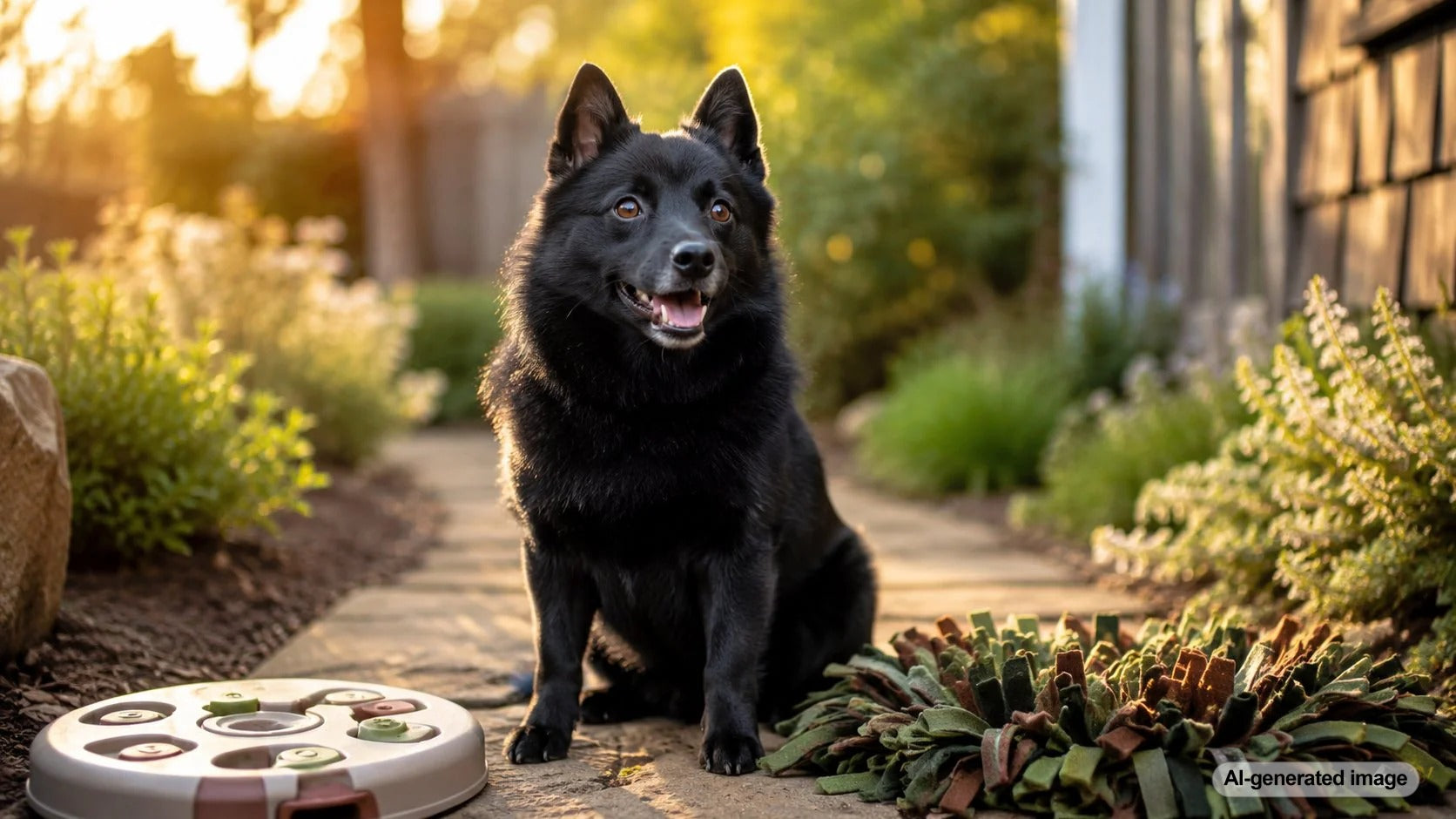
Small dogs may take up less room on the couch, but their brains, noses, instincts, and opinions are anything but small. A Yorkie who barks at hallway sounds, a Dachshund who shreds tissues, a Chihuahua who spins before dinner, or a small terrier who guards every toy is not being dramatic just because they are tiny. Little dogs need thoughtful enrichment just as much as big dogs do, and sometimes they need even smarter plans because their world is often built around furniture, stairs, bowls, and routines designed for much larger bodies.
That is the heart of Why Small Dogs Still Need Big Enrichment Plans: enrichment is not about wearing your dog out with huge workouts. It is about giving your dog safe, repeatable ways to sniff, lick, chew, search, solve, learn, and settle.
Quick Answer: Do Small Dogs Really Need Big Enrichment Plans?
Yes. Small dogs need big enrichment plans because their natural dog behaviors do not shrink with their body size. They still need mental challenges, safe chewing outlets, scent work, licking routines, training games, and calm decompression time. The plan can be small-space friendly, low-impact, and portion-conscious, but it should still be intentional.
Small Size Does Not Mean Small Needs
It is easy to assume a small dog is getting enough activity because a quick walk around the block seems like a marathon for little legs. But physical distance is only one piece of the puzzle. Dogs experience the world through smell, movement, mouth feel, problem-solving, social cues, and routine. A small dog who spends most of the day watching the same window, eating from the same bowl, and hearing the same hallway noises may have comfort, but not enough variety.
Enrichment gives that energy somewhere appropriate to go. A dog who barks at every sound may benefit from sniffing games before busy household moments. A dog who chews socks may need better chew outlets and more predictable treat puzzles. A pup who gets frantic at dinner may do better when part of the meal is served through a slow feeder.
What Enrichment Looks Like for a Small Dog
A strong enrichment plan is not one giant activity. It is a rotating menu of simple jobs: sniff something, lick something, chew something, figure something out, move their body, and practice a tiny skill.
Hide a few pieces of kibble in a towel, around a safe room, or in an easy search game.
Use a lick mat or slow-feeding surface during grooming, nail handling, or quiet time.
Offer size-appropriate chews and supervise, especially if your dog is an enthusiastic gulper.
Try treat toys, rolling puzzle feeders, or simple cup games that reward curiosity.
For small dogs, the key is scaling the challenge without making it boring. Tiny treats, smaller portions, lower surfaces, shorter sessions, and easier openings can help keep enrichment fun instead of frustrating.
Why Boredom Can Look Louder in Little Dogs
Small dogs often get labeled as yappy, clingy, picky, bossy, or high-strung when they may actually be under-stimulated, over-stimulated, or unsure what to do with themselves. A dog who follows you from room to room may need practice relaxing with a safe independent activity. A dog who steals laundry may be asking for a better mouth-based job.
Behavior changes can also come from pain, dental discomfort, digestive upset, anxiety, or other health concerns. If barking, chewing, licking, appetite changes, house-soiling, hiding, limping, vomiting, diarrhea, or major personality changes appear suddenly or feel intense, check with your veterinarian or a qualified trainer.
Build a Big Plan With Tiny Daily Sessions
You do not need to turn your home into a dog gym. Most small dogs do best with short enrichment moments sprinkled through the day. A two-minute training game before breakfast, a five-minute sniff search after lunch, and a calming lick routine in the evening can be more useful than one overwhelming activity.
A Simple Small Dog Enrichment Day
Morning: Serve part of breakfast through a slow-feeding puzzle or room search.
Midday: Practice one easy cue, such as touch, sit, spin, or find it, then let your dog rest.
Evening: Use licking or chewing to help your dog settle while the household slows down.
Before bed: Take a calm potty walk with extra sniffing time instead of rushing the route.
If your dog is new to enrichment, start easy. The goal is not to stump your dog. It is to help them succeed, build confidence, and create a routine they look forward to repeating.
Choose Tools That Match Your Dog's Body and Brain
Small dogs can get frustrated when toys are too heavy, treat openings are too large, or chew options are not comfortable for their mouths. Look for enrichment that is appropriately sized, easy to clean, and simple to adjust.
For little dogs, travel days, grooming distractions, and apartment living, Woof's FlipMat Mini can be a useful option because it is a portable dual-sided lick mat and slow feeder made for small dogs and calming enrichment on the go. For pups who need longer-lasting treat play, The Pupsicle can be part of a supervised enrichment routine that keeps dogs busy and engaged without turning treat time into a mess.
Helpful Tip
Count enrichment treats as part of your dog's daily food intake, especially for small dogs. A few extra bites can add up quickly for tiny bodies, so use small portions, break treats into tiny pieces, or reserve part of a meal for puzzles.
Common Mistakes Small Dog Parents Make
One common mistake is doing too much too fast. If your dog paws at a puzzle, walks away, or barks at it, make it easier. Another mistake is using enrichment only when your dog is already frantic. It usually works better as a daily habit than an emergency button.
Some owners also skip chewing because their dog is small. Chewing can be a normal, satisfying behavior, but the item should match your dog's size, chewing style, dental health, and supervision needs. If your dog has broken teeth, bad breath, bleeding gums, swelling, or seems painful while eating or chewing, ask your veterinarian before adding new chew routines.
Dog Parent FAQs
How much enrichment does a small dog need each day?
Many small dogs do well with several short sessions a day, such as 5 to 15 minutes at a time. Watch your dog's energy, confidence, and interest level, then adjust.
Can enrichment replace walks for small dogs?
No. Enrichment can support mental stimulation, but most dogs still need safe movement, outdoor sniffing, potty breaks, and a chance to experience the world at their own pace.
What is the easiest enrichment activity to start with?
A simple treat search is a great first step. Scatter a few tiny treats or pieces of kibble in an easy area and let your dog sniff them out.
What if my small dog gets frustrated with puzzle toys?
Make the puzzle easier, use higher-value tiny rewards, and keep the session short. If frustration continues, switch to licking, sniffing, or a simpler food game.
The Bottom Line for Tiny Dogs With Big Inner Lives
Small dogs are still full-size dogs on the inside. They need outlets for curiosity, chewing, sniffing, licking, learning, and resting, even when their paws are pocket-sized. A big enrichment plan does not have to be complicated. It just needs to be thoughtful, safe, flexible, and easy enough for you to repeat.
Keep It Small, Smart, and Satisfying
Start with one daily enrichment moment your dog already enjoys, then build from there. A little more sniffing, a little more licking, and a little more problem-solving can make your small dog's day feel much bigger in the best way.


