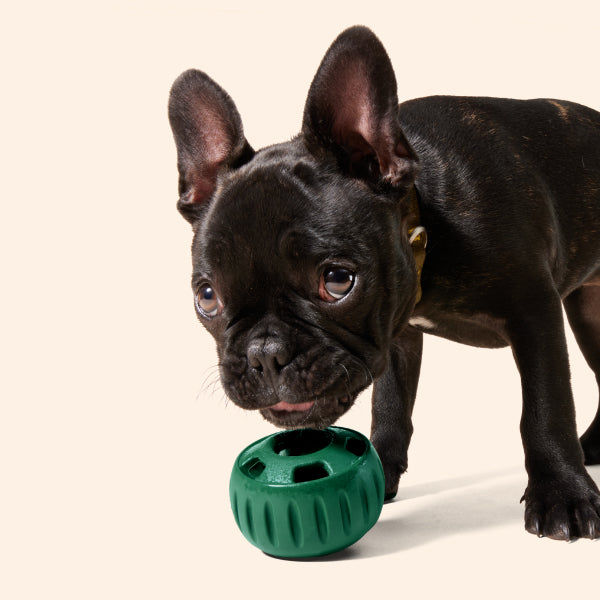
French Bulldogs can look perfectly cheerful right up until they are already getting too hot. Their playful little trot, big personality, and determined attitude can make it easy to assume they will slow down when they need a break. But for Frenchies, waiting until they act tired is not always a safe plan, because their short noses and compact airways can make cooling down harder than it is for longer-nosed dogs.
That is why cooling breaks should be planned before your French Bulldog starts lagging behind, panting hard, or hunting for shade on their own. Think of breaks as part of the walk, not a reward at the end of it.
Why Frenchies Can Overheat Before They Look Exhausted
Dogs cool themselves mostly by panting, not by sweating the way people do. A French Bulldog has a shorter muzzle, narrower breathing space, and a stocky body, so warm air, humidity, hot pavement, and a little extra weight can make even a short walk more demanding.
The tricky part is that many Frenchies are enthusiastic. They may keep pulling toward a favorite sniff spot, greeting neighbors, or bouncing after a toy even when their body is working hard. A dog who still wants to go is not always a dog who is comfortably cool.
The Early Signs Are Often Easy To Miss
French Bulldog heat stress does not always begin with dramatic symptoms. Watch for faster panting than usual, a wider tongue, noisy breathing, slowing for a few steps, stopping in shady patches, drooling more, seeming restless, or resisting the route.
If your Frenchie is panting hard, wobbling, vomiting, acting confused, collapsing, or unable to settle, stop activity and contact your veterinarian or an emergency vet right away.
What A Cooling Break Should Actually Look Like
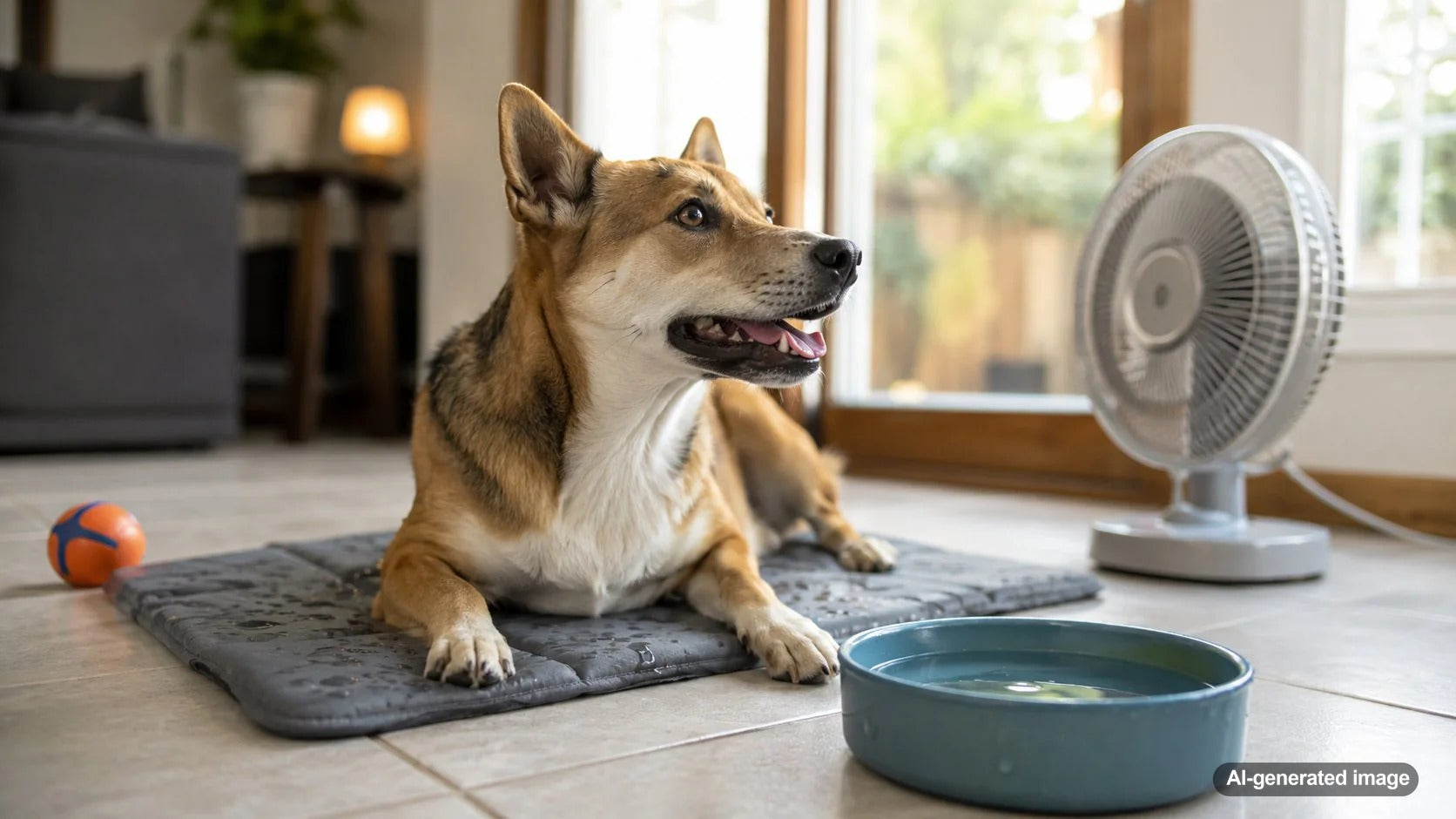
A good cooling break is boring in the best way. Stop before your dog is struggling, find shade or an indoor spot, loosen the pace, and let breathing slow. Give access to fresh water, but do not turn the break into a high-energy play session.
For many French Bulldogs, a cooling break during warm weather may need to happen every few minutes, especially on sunny sidewalks or humid days. On very hot days, the safest choice may be a potty-only outing and indoor enrichment instead of a walk.
| Instead of waiting for... | Try planning for... |
|---|---|
| Heavy panting | A shade pause while breathing still looks normal |
| Your dog refusing to walk | Short loops close to home |
| A long midday walk | Early morning potty time plus indoor enrichment |
| High-energy fetch in heat | Slow sniffing, gentle training, or a calm lick activity |
Common Mistakes Dog Parents Make With Frenchies In Warm Weather
One common mistake is judging by distance instead of conditions. A half-mile stroll can feel completely different on a humid afternoon than it does on a breezy morning. Another mistake is assuming shade is enough if the air is still hot, the pavement is warm, or the dog is already breathing hard.
Owners also sometimes underestimate excitement. A Frenchie who is thrilled to be outside may push past their comfort zone because the world is interesting. That is why you are the walk manager. Your job is to end the fun before the fun becomes too much.
Keep routes short, stay close to home, pause in shade early, carry water, avoid the hottest part of the day, and choose indoor enrichment when the weather feels questionable.
How To Keep Your French Bulldog Busy Without Adding Heat
After a short potty walk, bring the fun indoors with low-effort enrichment that lets your Frenchie lick, sniff, and problem-solve without racing around. Calm licking can be especially useful when you want your dog to settle after outdoor excitement.
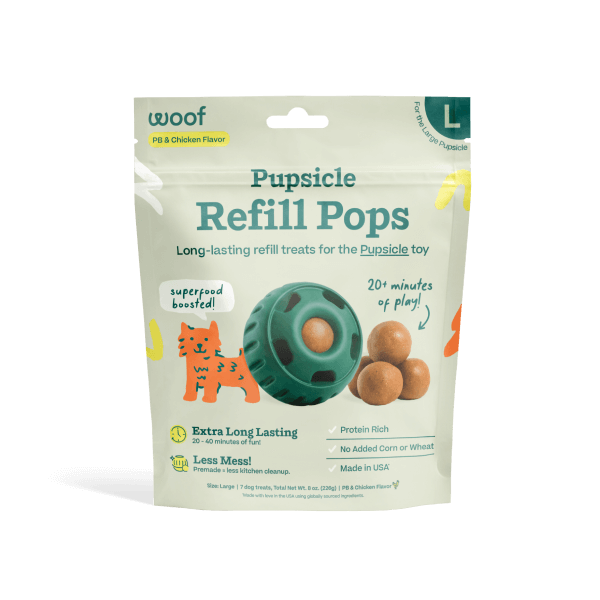
A portable option like the FlipMat Mini can help turn a post-walk pause into a slower, quieter activity for small dogs and travel days. For longer indoor distraction, Pupsicle Pops can be used with The Pupsicle to create ready-to-use frozen treat play that keeps your pup engaged while you keep the pace gentle.
Supervise treat and toy time, choose the right size for your dog, and count treats as part of your dog's daily food routine. If your Frenchie has dietary restrictions or a medical condition, ask your veterinarian what fits best.
When To Be Extra Careful
Some French Bulldogs need even more conservative breaks. Puppies can get excited quickly and may not have much self-control. Seniors may tire sooner, especially if they have mobility, heart, breathing, or weight concerns. Dogs with known airway issues, loud breathing, frequent snoring, previous heat trouble, or poor fitness should have exercise plans discussed with a veterinarian.
Stress can raise effort too. Car rides, outdoor cafes, crowded events, vet visits, grooming appointments, and travel days can all make a Frenchie pant more. Build in cool-down time before, during, and after those moments.
Dog Parent FAQs
How often should a French Bulldog take cooling breaks?
There is no one perfect timer, but short and frequent is usually better than waiting for obvious fatigue. In warm or humid weather, pause early and often, and keep the route close to home.
Is panting normal for French Bulldogs?
Some panting can be normal after activity, but heavy, noisy, frantic, or hard-to-settle panting is a reason to stop and cool down. If panting seems unusual for your dog, contact your veterinarian.
Can French Bulldogs walk in summer?
Many can enjoy short, carefully timed outings, but hot, humid, or sunny conditions can be risky. Early morning, shaded potty breaks, and indoor enrichment are often safer than long warm-weather walks.
What should I do if my Frenchie seems overheated?
Stop activity, move to a cooler place, offer small sips of water if your dog is alert, and contact your veterinarian. If your dog is weak, confused, vomiting, collapsing, or breathing abnormally, seek emergency care right away.
The Bottom Line On Cooling Breaks
French Bulldogs do best when their people think ahead. Do not wait for your dog to prove they are tired. Plan the pause, shorten the route, choose cooler times of day, and swap heat-heavy activity for calm indoor enrichment when needed.
Your Frenchie does not need a marathon to have a great day. They need smart pacing, safe choices, and a dog parent who knows that the best break is the one that happens before it looks necessary.