






































































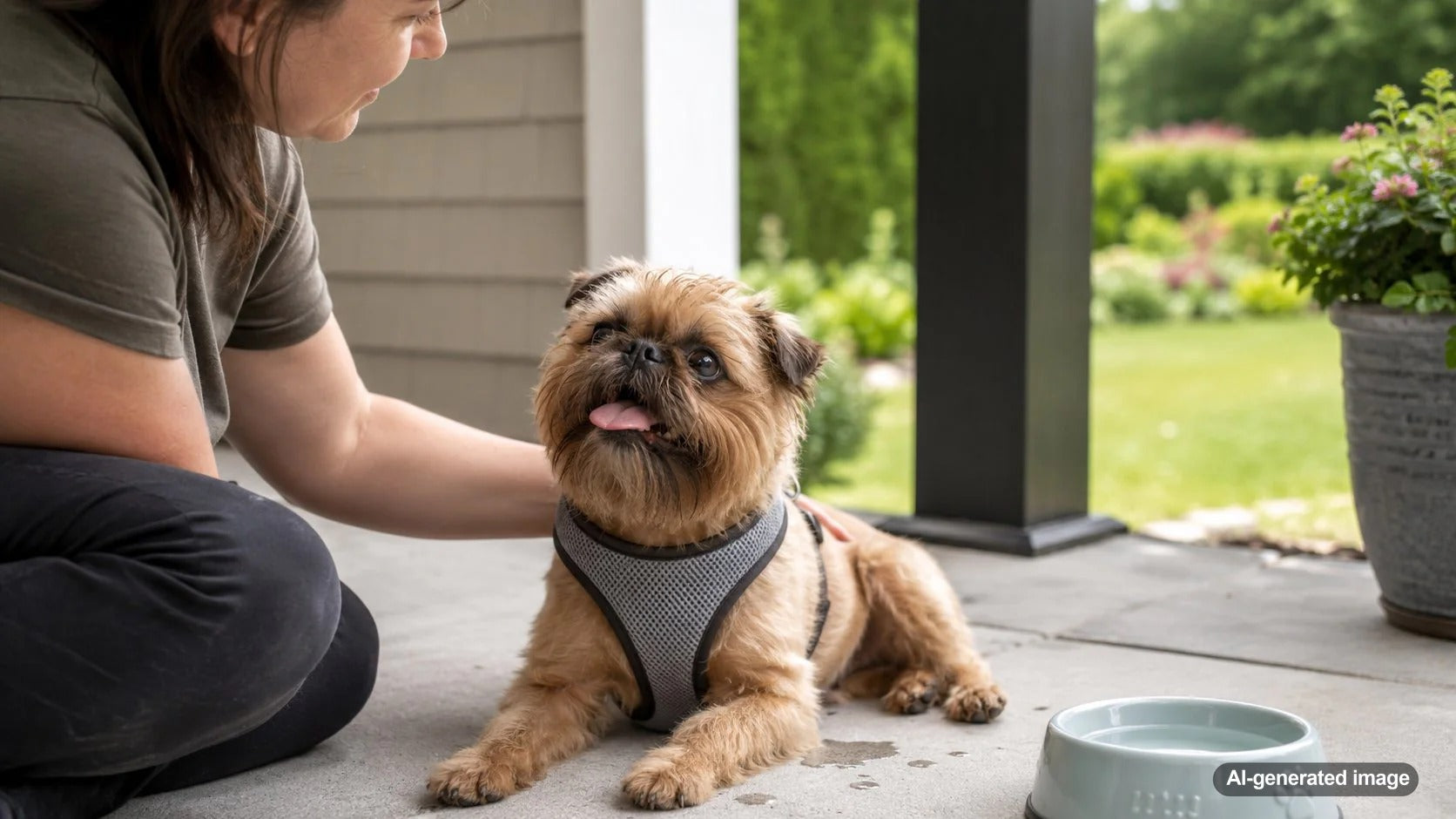
Flat-faced dogs bring enormous personalities into small packages, but their unique body shapes mean their exercise needs are different from many other dogs. Breeds with shorter noses, such as French Bulldogs, Bulldogs, Pugs, and similar breeds, often enjoy play and activity while needing more thoughtful pacing. Creating the right exercise plan can help your dog stay engaged, comfortable, and happy without pushing them beyond what their body can handle.
Many dog parents assume exercise simply means longer walks or more intense play sessions. For flat-faced dogs, quality, timing, and environment often matter more than distance or duration. A successful routine combines movement, mental stimulation, rest, and careful attention to your dog's individual signals.
Why flat-faced dogs need a different approach to exercise
Flat-faced dogs have a naturally shortened muzzle shape that can affect how comfortably they breathe during activity. This does not mean they cannot enjoy walks, games, or adventures. It means owners often need to be more intentional about choosing activities that match their dog's abilities.
For example, a French Bulldog may love chasing a toy across the living room but struggle during a long summer walk. A Pug may happily follow you around the neighborhood but need more frequent pauses than a dog with a longer snout. Watching your dog's energy and comfort level is an important part of building a routine.
Signs your dog's exercise routine may need adjusting
Every dog is different, but flat-faced dogs may benefit from a slower pace when they show signs that an activity is becoming too demanding. Owners should pay attention to changes during and after exercise.
Consider slowing down, taking a break, or changing activities if your dog seems unusually tired, struggles to keep up, has excessive drooling, appears uncomfortable, or shows breathing concerns. If you are unsure about your dog's exercise limits, ask your veterinarian for guidance.
Choose shorter activities with more purpose
A great exercise plan for a flat-faced dog does not need to be built around exhausting them. Short walks with plenty of sniffing, gentle indoor games, training sessions, and puzzle-based activities can provide meaningful stimulation.
Mental enrichment is especially useful because it allows dogs to work their brains without relying only on physical intensity. A dog who spends ten minutes solving a food puzzle may feel just as satisfied as one who takes a much longer walk.
For dogs who enjoy licking and focused activities, tools like FlipMat can add calming enrichment to a daily routine. Its dual-sided design creates different challenges while giving dogs a way to engage naturally.
Pay attention to weather and exercise timing
Temperature can make a major difference for flat-faced breeds. Hot, humid conditions may make outdoor exercise more challenging, especially when combined with direct sun or intense activity.
Many owners find that early morning or evening walks are more comfortable than midday outings. On warmer days, indoor enrichment can be a smart alternative that keeps your dog active without unnecessary strain.
Avoid common exercise mistakes with flat-faced dogs
One common mistake is comparing a flat-faced dog to a high-endurance breed and expecting the same level of activity. Dogs do not need to run miles to have a fulfilling day.
Another mistake is focusing only on physical exercise while overlooking boredom. A dog who needs more stimulation may benefit from chewing, licking, problem-solving, and training games as part of their daily routine.
Creating a balanced daily routine
A balanced routine for a flat-faced dog might include a gentle walk, a short training session, enrichment time, and plenty of rest. The goal is not to wear your dog out. The goal is to give them healthy outlets for curiosity, movement, and natural behaviors.
For travel days, vet visits, or times when your dog needs a focused distraction, the On the Go Travel Kit can be a convenient way to bring enrichment into new environments.
Some flat-faced dogs also enjoy chew-based activities as part of their routine. Options like HonestChew can provide a satisfying chewing experience when used appropriately with supervision.
Dog Parent FAQs
Can flat-faced dogs go on walks?
Yes, many flat-faced dogs enjoy walks. The best length and pace depend on the individual dog, weather conditions, and your veterinarian's guidance.
How much exercise does a flat-faced dog need?
Exercise needs vary by breed, age, health, and personality. Many flat-faced dogs do well with shorter, more frequent activities combined with mental enrichment.
Are indoor games good exercise for flat-faced dogs?
Yes. Indoor games, training activities, and enrichment toys can help provide stimulation without requiring long periods of intense movement.
When should I ask a veterinarian about exercise?
If your dog shows breathing concerns, unusual fatigue, pain, or sudden changes in activity tolerance, check with your veterinarian.
Flat-faced dogs do not need a one-size-fits-all exercise plan. They need a routine designed around who they are. By choosing thoughtful activities, watching their signals, and adding enrichment throughout the day, you can help your dog enjoy a happier and healthier lifestyle.


