






































































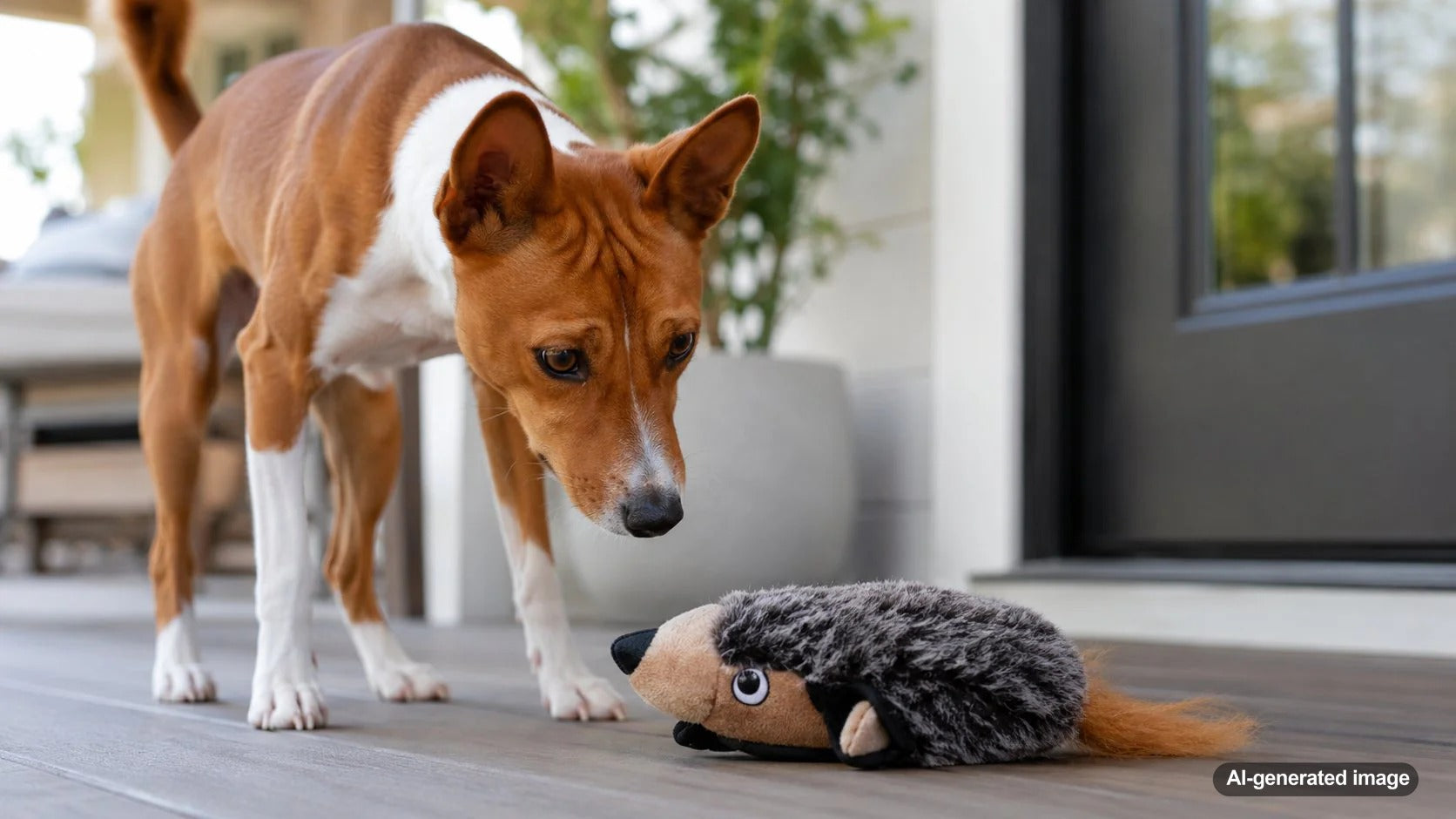
Your dog may love toys, but that does not mean every new toy gets an instant tail-wagging welcome. Sometimes a fresh toy lands on the floor and your pup freezes, sniffs from a distance, barks once, pokes it with one paw, then looks at you like you have introduced a suspicious creature into the living room. So, why do dogs treat new toys like suspicious objects? Most of the time, it comes down to unfamiliar smells, sounds, textures, movement, past experiences, and a totally normal dog habit of investigating before trusting.
That cautious reaction can look funny, but it is also useful information. Your dog is not being ungrateful or dramatic. They are using their senses to decide whether this new thing is safe, exciting, boring, edible, weird, or worth ignoring.
Why a New Toy Can Feel So Weird to Your Dog
Dogs experience new objects through scent first, then sight, sound, texture, and movement. A toy that looks adorable to you may smell like packaging, warehouse storage, rubber, fabric dye, other dogs, or simply nothing familiar. To a dog, that can be a lot to process.
Shape also matters. A round treat toy that rolls, a puzzle toy that wobbles, or a chew with a new texture may not immediately register as something fun. Some dogs will approach with curiosity. Others may back up, bark, or wait for you to prove it is not a threat.
This is especially common with puppies, newly adopted dogs, sensitive dogs, seniors with vision or hearing changes, and dogs who have not had much exposure to different enrichment toys. Power chewers may be bold with familiar chew shapes but hesitant with a toy that dispenses treats, rattles, or shifts unexpectedly.
Common Suspicious-Toy Behaviors and What They Mean
A dog who circles a toy before touching it is gathering information. A dog who sniffs and walks away may need more time or a better reward inside the toy. A dog who barks at it may be startled by the shape, sound, or movement. A dog who noses it once and retreats may be interested but unsure.
Watch the whole body, not just the reaction. Loose posture, curious sniffing, play bows, and quick returns usually mean your dog is warming up. Tucked tails, trembling, hiding, growling, or repeated avoidance mean it is time to slow down and make the toy less intense.
Why Some Dogs Need a Warm-Up Period
Dogs learn through patterns. If your dog already knows that a rope is for tug, a ball is for fetch, and a plush toy is for carrying, a puzzle feeder or enrichment toy may not make sense right away. They may need you to demonstrate the game in a calm, low-pressure way.
For treat-dispensing toys, start with easy wins. Put a favorite small treat near the toy, then on the toy, then partly inside it. If the toy rolls or wobbles, stabilize it at first so your dog does not get startled by sudden movement. Once they understand that the object predicts something good, curiosity usually takes over.
Some dogs are naturally cautious. That is not a flaw. A thoughtful dog may inspect every new item in the house, from a cardboard box to a new food bowl. The goal is not to force bravery. The goal is to make the new toy feel predictable, safe, and rewarding.
How to Introduce a New Toy Without Making It Suspicious
Start in a quiet room where your dog already feels comfortable. Put the toy down without fanfare and let your dog approach at their own pace. If they sniff it, praise calmly. If they ignore it, try again later with a little extra motivation.
Food can help, especially for enrichment toys. A toy like The Pupsicle can be introduced gently because the reward is built into the experience. Let your dog smell the treat first, then show how the toy works, then give them space to lick, investigate, and settle into the activity.
For dogs who prefer chewing, start with a shape and texture that makes sense to them. A durable chew like HonestChew can be part of a calmer introduction because it gives dogs an appropriate outlet for gnawing while they learn what is theirs to chew. Always supervise chew sessions and choose toys that suit your dog's size, chewing style, and comfort level.
- Let your dog sniff the toy while it is still and quiet.
- Pair the toy with a favorite treat or calm praise.
- Keep the first session short, about 3 to 5 minutes.
- Stop before your dog gets frustrated or overstimulated.
- Bring the toy back later so it becomes familiar over time.
What Dog Parents Often Misunderstand
It is easy to assume a dog who ignores a toy does not like it. Sometimes that is true. But often, the dog simply does not understand it yet. Many enrichment toys require a little learning curve, especially if the toy involves licking, nudging, pawing, problem-solving, or waiting for treats to appear.
Another common mistake is making the toy too hard too soon. If a puzzle toy starts at expert level, your dog may quit before they discover the fun. If a chew or treat toy is too large, too noisy, too slippery, or too challenging, the dog may decide it is not worth the effort.
Keep introductions easy. Let the first few experiences be about confidence, not performance. Once your dog understands the game, you can gradually make it more engaging.
When Suspicion Might Signal Something Else
Most cautious toy behavior is normal. But if your dog suddenly becomes fearful of many familiar objects, refuses favorite toys, drops food, paws at their mouth, drools excessively, limps, seems painful, or shows a major behavior change, check with your veterinarian. Dental discomfort, vision changes, hearing changes, injury, stress, or illness can affect how dogs interact with toys.
If your dog reacts with intense fear, guarding, snapping, or panic around new objects, a qualified trainer or behavior professional can help you build a safer, more gradual plan. The goal is always to support your dog, not overwhelm them.
Dog Parent FAQs
Why does my dog bark at new toys?
Your dog may be startled, unsure, excited, or trying to make the toy move. Barking can be a way of testing a strange object from a safe distance.
Should I force my dog to play with a toy?
No. Forcing the toy closer can make it seem even more suspicious. Let your dog approach, sniff, and interact at their own pace.
Why does my dog love one toy but ignore another?
Dogs have preferences for texture, scent, size, sound, and play style. A dog who loves chewing may not immediately understand a puzzle toy, while a food-motivated dog may warm up faster to treat-based enrichment.
How long should I give my dog to adjust to a new toy?
Some dogs adjust in minutes, while others need a few short sessions over several days. Keep it positive, easy, and low pressure.
The Bottom Line on Suspicious New Toys
When dogs treat new toys like suspicious objects, they are usually doing what dogs do best: investigating the world carefully. A little sniffing, circling, pawing, or side-eye does not mean the toy is a failure. It means your dog is deciding whether this new thing deserves a spot in their routine.
Give them time, make the first experience rewarding, and choose toys that match their size, personality, and play style. With a patient introduction, many suspicious objects become favorite toys faster than you might expect.


