






































































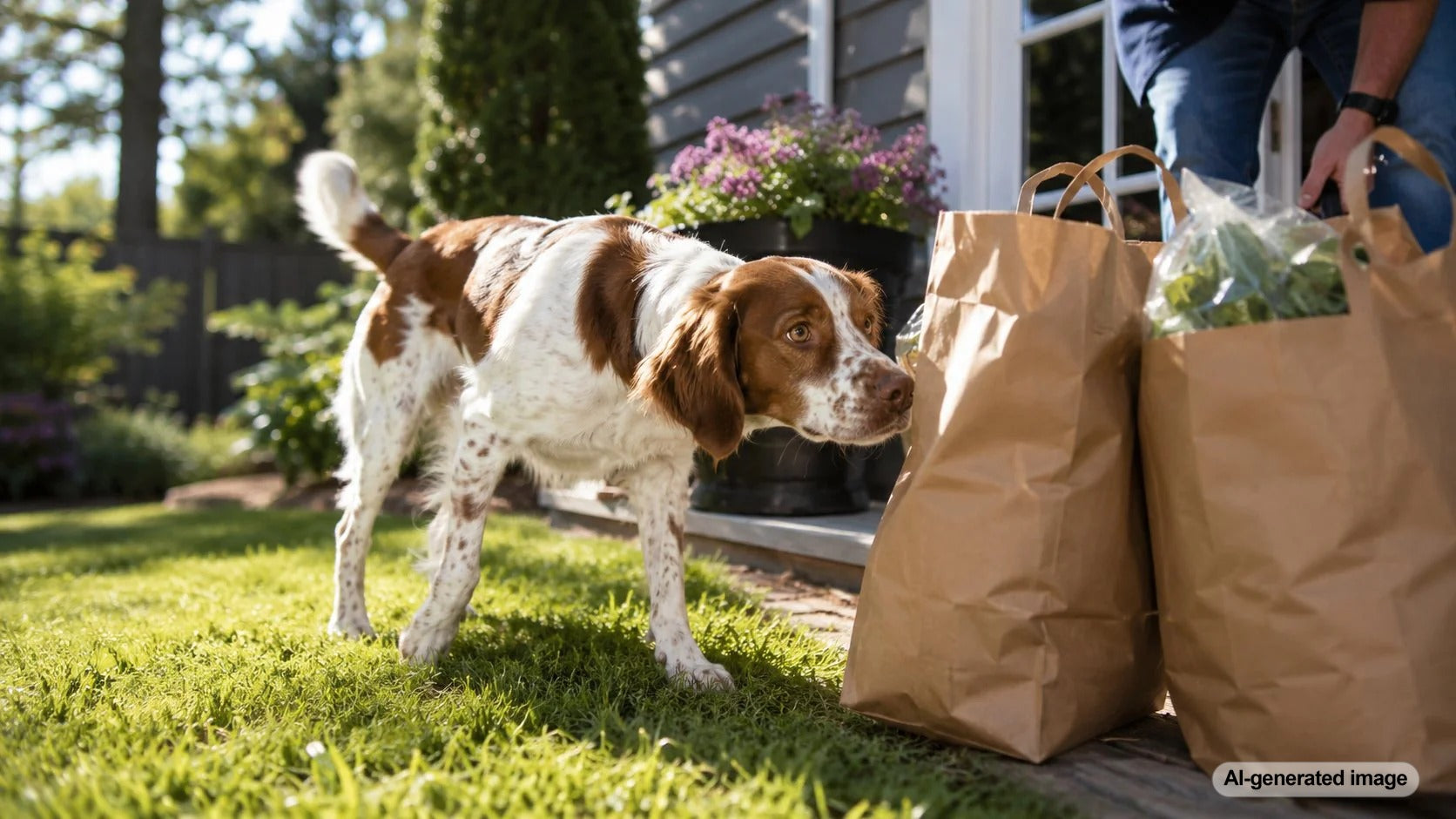
Your dog may not understand receipts, coupons, or whether you remembered oat milk, but they absolutely understand that grocery bags mean something interesting just entered the house. The crinkle, the smells, the change in your routine, and the chance that something tasty might be hidden inside can turn an ordinary kitchen moment into headline news. Why Dogs Think Grocery Bags Are Breaking News comes down to a mix of scent detective work, learned patterns, curiosity, and the simple fact that dogs are wired to notice changes in their environment.
To us, a grocery bag is a chore finally completed. To your dog, it is a mystery bundle filled with layered scents from the store, the car, other shoppers, packaging, produce, meat, bread, and maybe the faintest hint of snacks. That does not mean your dog is being dramatic. It means their brain is doing what dog brains do best: gather clues.
Dogs get excited about grocery bags because bags bring new smells, familiar sounds, and repeated patterns. If a bag has ever led to treats, dinner prep, dropped food, or extra attention, your dog may learn that grocery bags are worth investigating every single time.
Why Grocery Bags Feel So Important to Dogs
Dogs experience the world through scent far more intensely than humans do. A grocery bag may carry the smell of chicken packaging, fruit skins, cardboard, plastic, cleaning products, the trunk of your car, the checkout counter, and your own hands. Even when nothing in the bag is meant for your dog, the smell story can be rich enough to demand a full investigation.
The sound matters too. Crinkling bags, cabinets opening, the fridge door, and your footsteps moving between the counter and pantry can all become part of a familiar routine. Many dogs are excellent at linking small signals together. Bag noise plus kitchen movement plus food smells may equal, in your dog's mind, something exciting is about to happen.
It Is Not Just Food. It Is Pattern Recognition.
Dogs learn from repetition. If groceries sometimes lead to dinner prep, a special chew, a dropped piece of carrot, or you saying their name in a happy voice, the grocery ritual becomes meaningful. Your dog may start responding before any food appears because the whole sequence predicts possibility.
This is why some dogs rush to the door when they hear reusable bags, while others wait by the counter and stare. They are not reading the label on the bread. They are reading your habits. The more predictable your routine is, the faster your dog may connect the dots.
Different Dogs React in Different Ways
A food-motivated Labrador may treat grocery unloading like a live sporting event. A nervous rescue dog may hang back and sniff from a distance because new objects feel suspicious. A puppy may jump, mouth the bags, or try to grab packaging because everything is still a chewable science experiment. A senior dog may show quieter interest, especially if mobility or hearing changes make them less reactive than they used to be.
Small dogs may get underfoot because the action is happening above them and they want access to the scent source. Large dogs may counter-surf if they have learned that bags sometimes contain high-value food. Power chewers may be tempted by cardboard, handles, or wrappers, which is one reason grocery bags should not become unsupervised toys.
Do not let your dog rummage through grocery bags. Foods like chocolate, grapes, raisins, onions, garlic, xylitol-containing products, cooked bones, and some packaging can be dangerous. If your dog eats something concerning, contact your veterinarian or a pet poison hotline right away.
What Dog Parents Often Misunderstand
It is easy to assume a dog who gets excited about groceries is begging or being naughty. Sometimes that is true, but often the behavior starts as curiosity. The problem grows when the dog gets rewarded accidentally. A dropped snack, a laugh, a chase around the kitchen, or even repeated scolding can make the moment more interesting.
Another misunderstanding is thinking the dog needs to inspect the bags to feel included. Your dog can be part of the routine without having full access to groceries. In fact, a simple replacement habit can make unloading safer and calmer.
How to Make Grocery Time Calmer
Start by deciding what you want your dog to do instead. A clear job works better than just saying no. Try sending your dog to a mat, asking for a sit near the kitchen entrance, or giving them a safe enrichment activity before you start unloading.
- Bring the bags inside and place them out of reach.
- Ask your dog for a simple cue they already know, like sit or place.
- Reward calm behavior before the excitement peaks.
- Give your dog a safe distraction while you unpack.
- Keep counters clear and put risky foods away first.
If your dog needs a longer-lasting distraction, The Pupsicle can be a useful tool for turning a chaotic kitchen moment into focused enrichment. It is designed to keep dogs busy and engaged, which can help redirect all that grocery-bag curiosity into a more appropriate activity.
Use Sniffing, Licking, and Chewing the Smart Way
The grocery bag moment is basically a sensory explosion. Rather than fighting your dog's senses, give them a better outlet. Sniffing games, licking routines, and safe chewing can all help dogs settle because they provide a job that feels natural.
For example, you can scatter a few pieces of your dog's regular kibble in a snuffle area after the groceries are put away. You can prep a lick mat before you leave for the store so it is ready when you return. Or you can offer a safe chew when you know your dog tends to hover around the bags.
For dogs who relax through licking, FlipMat can be a practical option because it works as both a lick mat and slow feeder with two levels of challenge. It gives your dog something appropriate to focus on while you handle the human food.
When Excitement May Need Extra Help
Some grocery-bag excitement is normal. But if your dog becomes frantic, guards bags, snaps, steals food aggressively, trembles, pants heavily, or cannot settle after the groceries are gone, it may be time to slow down and get support. Sudden behavior changes can also be worth discussing with your veterinarian, especially if they come with appetite changes, vomiting, diarrhea, pain signs, or unusual anxiety.
A qualified positive-reinforcement trainer can help with counter-surfing, jumping, stealing, or over-arousal around food. The goal is not to make your dog care less about the world. The goal is to help them respond safely and calmly when exciting things happen.
Dog Parent FAQs
Why does my dog sniff every grocery bag?
Because every bag carries layers of scent. Your dog may smell food, packaging, other people, your car, and the store environment all at once.
Should I let my dog inspect the groceries?
It is safer not to let your dog rummage through bags. Let them sniff from a distance, then redirect them to a mat, chew, puzzle toy, or licking activity.
Why does my dog bark when I bring groceries inside?
Barking may come from excitement, frustration, alerting, or anticipation. If it happens often, teach a predictable calm routine and reward quiet behavior early.
Can grocery unloading become enrichment?
Yes, but the enrichment should be controlled and safe. Use a lick mat, puzzle toy, chew, or simple sniffing game instead of letting your dog investigate unknown foods and packaging.
The Bottom Line on Grocery Bag Drama
Your dog thinks grocery bags are breaking news because, from their point of view, they are. Bags are noisy, smelly, unpredictable, and often connected to food or attention. With a little planning, you can turn that burst of excitement into a safer routine that gives your dog what they actually need: a clear job, an appropriate outlet, and a calm way to be part of the household action.


