






































































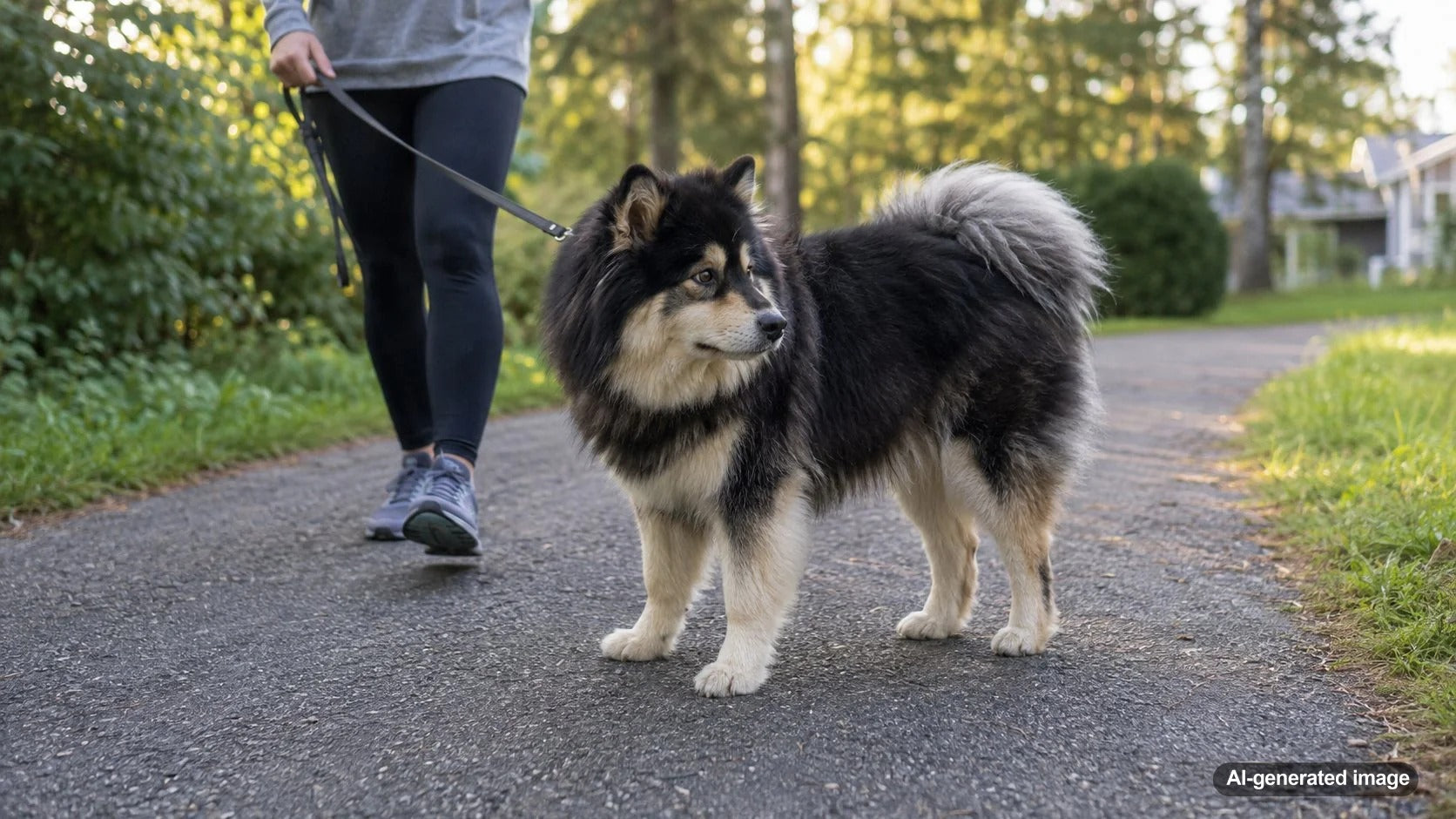
You turn toward the kitchen, and your dog steps directly into your path. You change direction, and somehow your furry roadblock moves with you. Dogs often stand exactly where you need to walk because they are monitoring your movement, seeking attention, anticipating something enjoyable, or simply choosing the busiest spot in the home.
It can feel as though your dog has developed a special talent for blocking doorways, hallways, and the narrow strip between the counter and the island. The behavior is usually affectionate or learned rather than stubborn, but understanding the reason can help you prevent trips and teach your dog a safer place to wait.
Your Dog Is Watching for What Happens Next
Dogs are excellent observers of everyday patterns. Picking up your keys may signal a walk. Walking toward the kitchen might mean dinner. Heading down the hallway could mean bedtime. By positioning themselves near your feet or in a doorway, dogs can react quickly when the next interesting event begins.
This is especially common in puppies, recently adopted dogs, and dogs living in highly predictable households. They may not understand your destination, but they know that following you has paid off before. A dog who plants themselves in front of the refrigerator may not be confused about traffic flow at all. They may be making a very informed guess about snacks.
Standing in Your Way Gets Your Attention
Even mild reactions can reinforce path blocking. Looking down, saying your dog's name, gently guiding them aside, or laughing at their timing all count as attention. If the behavior repeatedly works, your dog may use it more often.
That does not mean you should scold or push your dog. Punishment can create uncertainty around your movement, and some dogs may become more clingy or worried. Instead, teach a clear alternative such as moving to a mat, stepping to the side, or sitting away from the doorway.
Some Dogs Naturally Track Movement Closely
Breed tendencies and individual temperament can influence the behavior. Herding dogs may be especially attentive to where people are moving. Companion breeds often enjoy remaining within arm's reach, while alert or watchful dogs may position themselves where they can monitor multiple rooms.
Body size changes how noticeable the habit becomes. A small dog can quietly appear behind a heel, while a large dog may occupy an entire hallway. Puppies often weave around legs because they are excited and have not developed reliable household manners. Senior dogs may move more slowly or misjudge how quickly a person is approaching.
Your Dog May Want Closeness, Guidance, or Reassurance
Some dogs stand near their people because proximity feels safe. The behavior may increase during thunderstorms, construction noise, schedule changes, visits from unfamiliar people, or after moving to a new home. In those situations, your dog may be seeking reassurance rather than intentionally demanding attention.
Notice the rest of the body. A relaxed dog with a loose posture and softly wagging tail is probably waiting for interaction or the next activity. A dog who is panting without being hot, trembling, pacing, pinning the ears back, or repeatedly pressing against you may be uncomfortable or worried. Persistent distress deserves guidance from a veterinarian or qualified behavior professional.
How to Teach a Safer Place to Stand
Choose a bed or mat that is close enough for your dog to observe you but outside the main walking route. Begin when the house is calm rather than attempting the first lesson while carrying a hot pan or a basket of laundry.
- Guide your dog onto the mat and mark the moment all four paws reach it with a cheerful word such as "yes."
- Deliver a small reward on the mat so staying there becomes valuable.
- Release your dog after one or two seconds, then repeat several times.
- Gradually add duration and take one step away before returning with a reward.
- Practice near realistic distractions, including meal preparation and the front door, only after the easier version is reliable.
Short sessions work better than waiting until everyone is frustrated. Bite-sized Love Nuggets can be useful for rewarding repeated trips to the mat without turning each repetition into a large snack. Account for training treats in your dog's daily food intake.
Give Your Dog Something Better to Do
If path blocking appears while you cook, work, or complete household chores, plan an activity before it begins. A sniffing game, appropriate chew, or food puzzle can give your dog an independent job instead of leaving them to invent one under your feet.
For dogs who enjoy food-based enrichment, The Pupsicle can provide an engaging licking activity in a designated safe area. Use the correct size, follow the product directions, and supervise your dog according to their chewing habits. Enrichment is most useful when it supports the behavior you want, so offer it on the dog's mat rather than after they have already blocked your path.
When Path Blocking Deserves a Closer Look
A familiar, cheerful habit is usually a training and household-management issue. A sudden change can be different. Contact your veterinarian if your dog begins standing in unusual places while appearing confused, bumps into objects, hesitates on stairs, circles, becomes restless at night, limps, reacts painfully when moving, or has changes in appetite or bathroom habits.
Vision changes, discomfort, mobility limitations, and age-related cognitive changes may affect where a dog stands and how quickly they move away. Do not assume a senior dog is being stubborn. Add nonslip runners, improve lighting, keep routes uncluttered, and give the dog extra time to reposition.
Dog Parent FAQs
Is my dog trying to dominate me by blocking my path?
Usually not. Path blocking is more often connected to attention, anticipation, closeness, learned habits, or uncertainty. Focus on calmly teaching an alternative position instead of treating the behavior as a contest.
Why does my dog stop directly in front of me while walking?
Your dog may be checking in, anticipating a turn, seeking a reward, or reacting to something nearby. Practice a side position and reward forward movement in a quiet area before adding distractions.
Should I step over my dog when they block a doorway?
It is safer to pause and cue your dog to move or go to a designated place. Stepping over a dog can cause a fall, startle a sleeping dog, or accidentally injure a small or senior dog.
How long does it take to teach a dog to stay out of walkways?
Many dogs understand the basic mat exercise within several short sessions, but using it reliably around food, guests, and household activity requires consistent practice. Reward the desired location frequently and manage busy spaces while your dog learns.
A Clearer Path for Everyone
Your dog probably is not plotting to become the world's most lovable trip hazard. They have simply learned that your path is where interesting things happen. By meeting their needs, rewarding a safe waiting place, and providing an appropriate activity before busy moments, you can keep your dog involved in family life without keeping them directly underfoot.


