






































































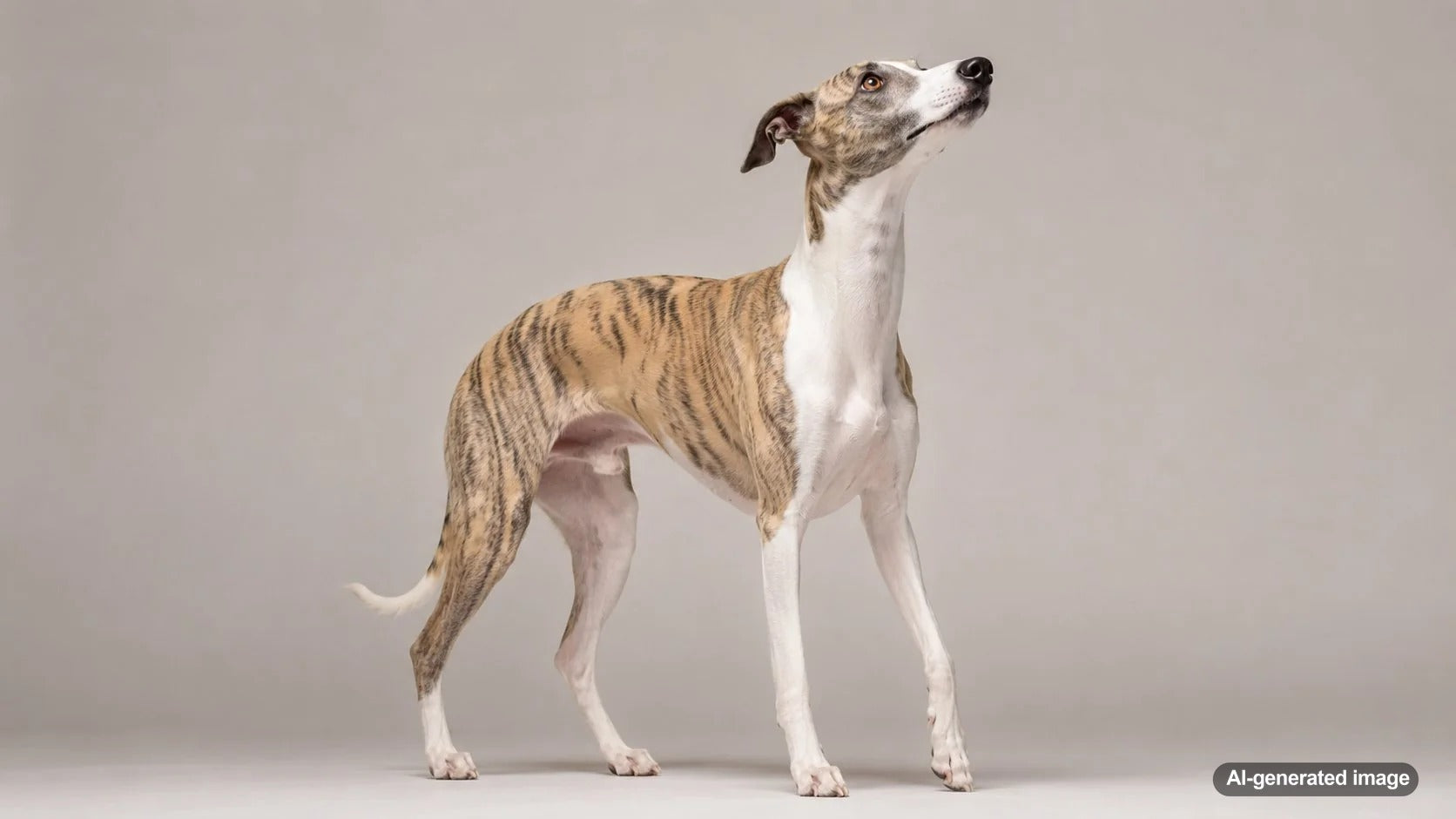
Your dog suddenly freezes, lifts their nose, and begins sniffing the air with intense concentration. You look around, but there is no food, animal, visitor, or obvious smell nearby. In most cases, your dog is simply detecting scent information that is too faint, distant, or complex for a human nose to notice.
Dogs experience the world largely through scent. Air currents can carry tiny odor particles from another room, an open window, a passing animal, a neighbor's grill, or even a person who walked through the area several minutes earlier. What seems like empty air to you may be full of interesting news to your dog.
Dogs Can Smell What Humans Cannot
A dog's nose is built to gather and interpret far more scent information than ours. When your dog takes several short sniffs, air moves through the nasal passages in a way that helps separate and analyze odor particles. Dogs also have a secondary scent-detecting system known as the vomeronasal organ, which helps them process certain chemical signals.
This means your dog may notice an odor even when its source is far away or no longer visible. A dog standing in the kitchen might smell a squirrel outside, another dog walking down the sidewalk, food inside a closed bag, or someone approaching the front door before you hear a sound.
Common Reasons Dogs Suddenly Sniff the Air
A scent is traveling on an air current
Open windows, ceiling fans, heating systems, and air conditioners can move scents through a home. Your dog may point their nose toward a vent because it is carrying the smell of cooking, wildlife, damp soil, smoke, or another pet.
They recognize a familiar person or animal
Dogs can learn the scent patterns associated with family members, neighborhood dogs, delivery drivers, and local wildlife. Your dog may begin sniffing before a familiar person reaches the door because their scent has arrived first.
Something in the environment has changed
A new cleaning product, package, piece of furniture, houseplant, or visitor can change the scent profile of a room. Dogs often investigate these changes by lifting their heads and sampling the surrounding air before moving closer.
They are gathering information outdoors
On a walk, a dog may stop and raise their nose instead of sniffing the ground. Ground sniffing helps examine odors left in a specific place, while air sniffing may help locate a scent source from a distance or determine which direction it is moving.
They are expecting something
Dogs quickly learn routines. The smell of food preparation, a leash, outdoor air near the time of a walk, or a family member's usual arrival can trigger alert sniffing. Your dog may be checking whether an expected event is about to happen.
What Your Dog's Body Language Can Reveal
Look at the rest of your dog's body before deciding what the sniffing means. A relaxed dog with soft eyes, a neutral tail, and curious ears is probably exploring. A dog leaning toward a window with an alert posture may have detected an animal or person outside.
Stress-related sniffing can look different. You might see a lowered body, pinned ears, pacing, repeated lip licking, avoidance, or difficulty settling. Sniffing can sometimes help a dog gather information when a situation feels uncertain, but the surrounding body language provides the most useful context.
How to Turn Sniffing Into Healthy Enrichment
Using the nose is mentally engaging, so this natural behavior can inspire simple enrichment activities. Scatter a few treats across a safe room, hide rewards inside open cardboard boxes, or let your dog investigate a new walking route at an unhurried pace. Begin with easy searches so your dog understands the game, then gradually add more hiding places.
For a longer activity, load The Daily Ritual into your dog's schedule as a repeatable enrichment routine that combines engaging treat time with opportunities to settle. You can also place Woof Puzzle Treats in a compatible puzzle toy or use them as rewards during beginner scent games.
Always supervise enrichment, use treats that fit your dog's dietary needs, and count reward calories as part of the daily food allowance. Dogs that become frustrated should receive an easier version of the activity rather than a harder challenge.
When Air Sniffing May Need Attention
Normal air sniffing is usually brief and connected to something happening in the environment. Contact your veterinarian if the behavior begins suddenly, becomes frequent or difficult to interrupt, or appears alongside concerning symptoms.
Do not assume every unusual sniff is behavioral. Irritation, something lodged in a nasal passage, dental discomfort, respiratory problems, or neurological issues may require a veterinary examination. Trouble breathing is an emergency and should be addressed immediately.
Dog Parent FAQs
Why does my dog sniff the air at night?
Nighttime air may carry stronger or less interrupted scents from wildlife, outdoor moisture, neighbors, or another part of the home. A quiet environment can also make your dog more attentive to subtle smells.
Why does my dog sniff toward the ceiling?
Warm air rises, and vents or fans can move odors overhead. Your dog may be tracing a scent coming from cooking, another floor, an attic space, or an open window.
Can dogs smell animals through walls?
Dogs may detect odors that pass through small gaps, vents, doors, windows, or shared building spaces. They are not necessarily smelling directly through solid material.
Should I stop my dog from sniffing the air?
Usually, no. Calm investigation is normal and mentally enriching. Redirect only when the environment is unsafe or the behavior becomes distressed, obsessive, or associated with other symptoms.
The Bottom Line
When your dog sniffs apparently empty air, they are often reading information that your senses cannot access. Pause, observe their body language, and consider how air, routines, people, animals, and household changes might be influencing the moment. Most episodes are harmless glimpses into a dog's scent-centered world, and they can be a useful reminder to include safe sniffing and enrichment in everyday life.


