























Calming enrichment is not just a cute idea for chill time at home - it is also one of the best ways to support polite greetings in the real world. If you have ever watched two dogs walk up and immediately go nose-to-nose, you have seen a tiny, lightning-fast conversation happen in seconds. Face sniffing can look awkward to us, but for dogs it is often a totally normal way to gather information, check the vibe, and decide what happens next.
Let's decode the why behind that face-to-face sniff, what your dog is actually "reading," and how you can help greetings stay friendly - especially if your pup gets excited, nervous, or a little too intense.
Face sniffing is a canine "ID check"
Dogs experience the world through their noses. When your dog sniffs another dog's face, they are taking in a rich cloud of scent that can reveal a surprising amount: where that dog has been, what they have eaten, and even clues about stress levels. The muzzle and mouth area hold a ton of scent information because dogs lick, pant, drool, and breathe out odors that carry personal "status updates." Think of it like a quick profile scan - fast, efficient, and packed with detail.
That is why the face can be such a high-value sniff target. It is close to the main scent "broadcast" zone, and it is one of the easiest places to gather a big data dump quickly - especially during a brief greeting.
It can be a polite greeting...or a pushy one
Here is the twist: the same behavior can mean different things depending on context. A soft approach, loose body, and quick sniff with a gentle turn-away is often friendly. But a stiff posture, hard stare, frozen tail, or hovering nose that will not back off can be too much pressure for the other dog.
In dog language, face-to-face can be intense because it is direct. Many dogs prefer a curved approach and side sniffs first, then maybe a brief face sniff if everything feels safe. If you notice one dog leaning in while the other pulls back, licks their lips, yawns, or tries to step away, that is a sign to give them space. A good rule: if one dog is not voting "yes" with their body, help them exit the conversation.
Dogs sniff faces to confirm identity and mood
Have you ever seen your dog sniff a familiar friend's face like they have never met before? Totally normal. Dogs do "re-checks" because scent changes constantly. Hormones, stress, new environments, and even a different breakfast can change a dog's scent signature. Face sniffing can be a quick way to confirm: "Is it really you? Are you feeling okay today?"
This is especially common after time apart, after a vet visit, or when one dog is wearing something new. It can also happen when dogs are deciding if play is on the table. A few quick sniffs, a bounce, and suddenly you have a game of chase.
Why puppies and teenagers do it more (and why it can get messy)
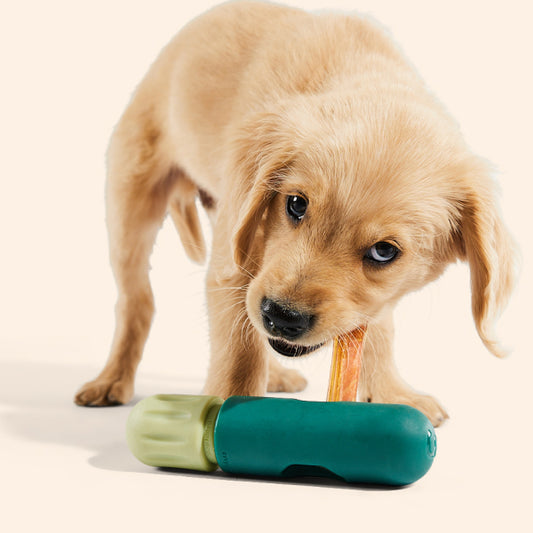
Puppies and adolescent dogs are basically curiosity rockets. They sniff everything, and faces are extra interesting. Younger dogs also tend to lack the social finesse of older dogs - they might sniff too long, get too close, or hop right into someone's personal space. That does not make them "bad"; it just means they are learning.
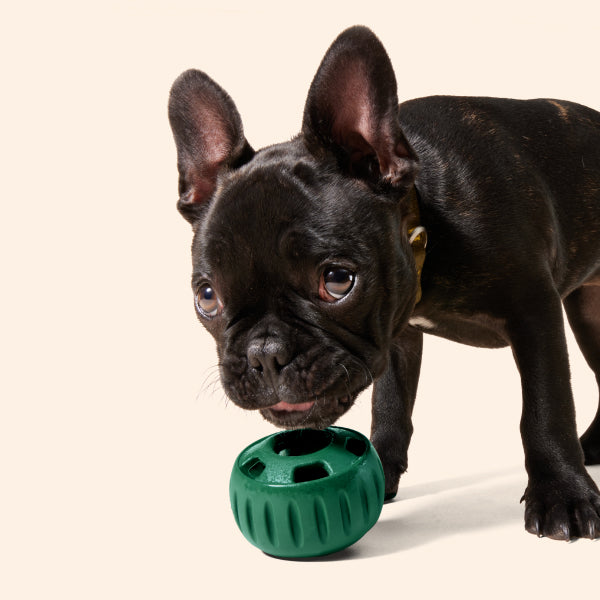
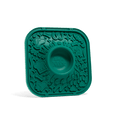
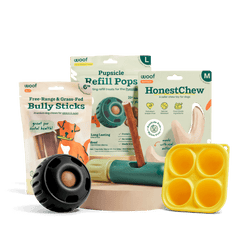
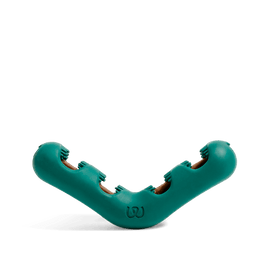
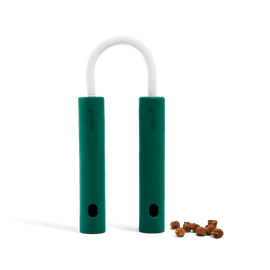
If your pup tends to crowd faces, give them plenty of practice with calm, structured enrichment at home so their brain gets daily "work" - not just social chaos. A focused activity like Walkabout can turn snack time into a slow, wobbling puzzle that burns off energy and builds patience. For extra motivation, pair it with Woof Puzzle Treats so your dog gets rewarded for thoughtful engagement instead of frantic hello-mode.
When face sniffing is a sign your dog needs a break
Sometimes face sniffing is not about friendliness - it is about uncertainty. Nervous dogs may sniff as a way to gather information before deciding whether to stay or leave. Other dogs may sniff faces repeatedly because they are overstimulated and cannot settle into a calmer rhythm.
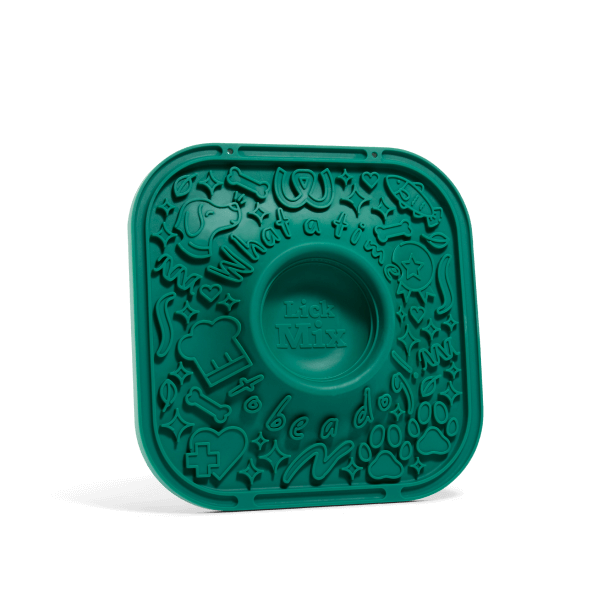
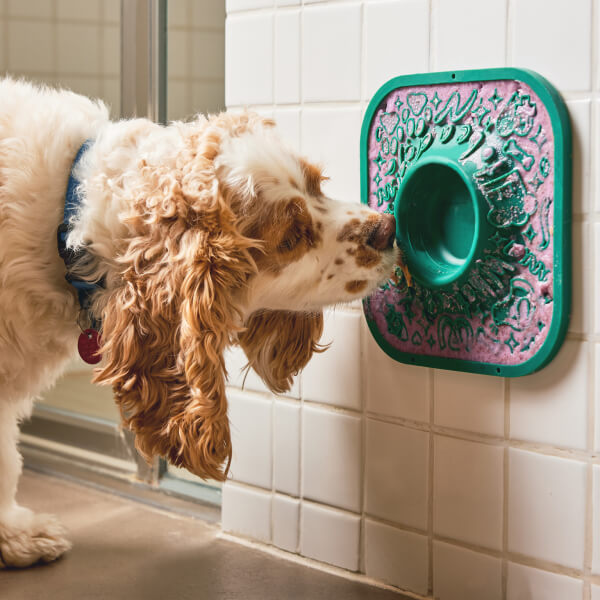
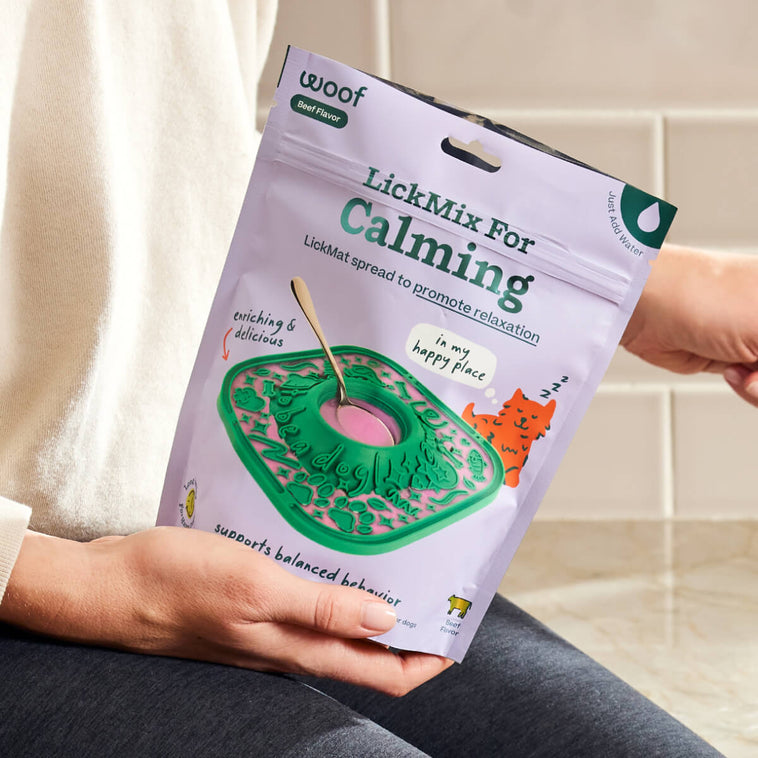
If greetings often spiral into jumping, barking, or stiff body language, support your dog with calming routines that teach "downshift" skills. Licking is naturally soothing for many dogs, which is why tools like The LickMat can be a game-changer before or after social moments. Add a tasty spread like Calming LickMix for an easy "reset" ritual that helps your dog practice staying grounded.
Quick tip: If your dog is super social, do a short enrichment session first, then go say hi. If your dog is shy, do the enrichment after the outing as a decompression reward. Either way, you are building emotional flexibility.
How to encourage better greetings (without being the fun police)
You do not need to ban sniffing - you just want to guide it into safer, friendlier patterns. Try these simple strategies:
1) Keep the approach curved. A little arc lowers the intensity compared to a straight-line march.
2) Keep greetings short. A two-second sniff, then a cheerful "let's go" helps prevent tension. If both dogs want more, you can allow another quick hello.
3) Reward the turn-away. When your dog sniffs and then disengages calmly, praise and treat. That is good manners.
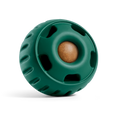
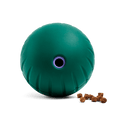
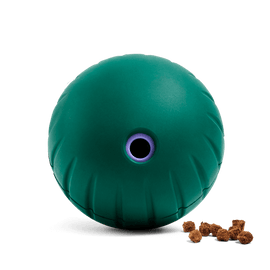
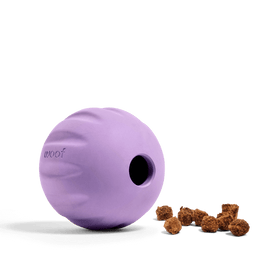
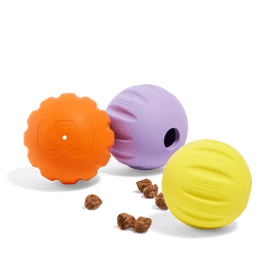
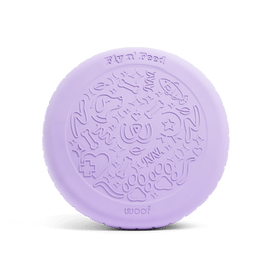
4) Offer an outlet for big feelings. If your dog is bursting with energy, a focused game of fetch with Flyball can help them burn steam before social time. Because it is also a treat-dispensing puzzle ball, you can turn play into enrichment - one more way to train calm thinking through fun.
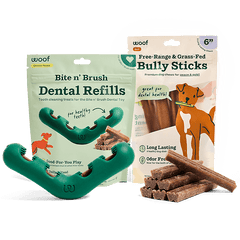
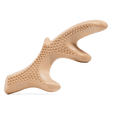
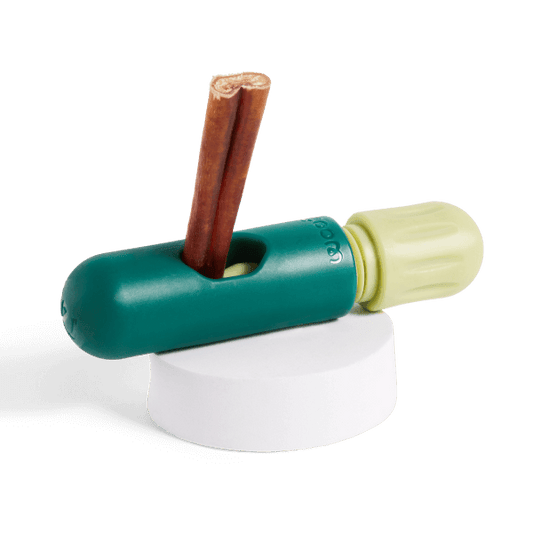
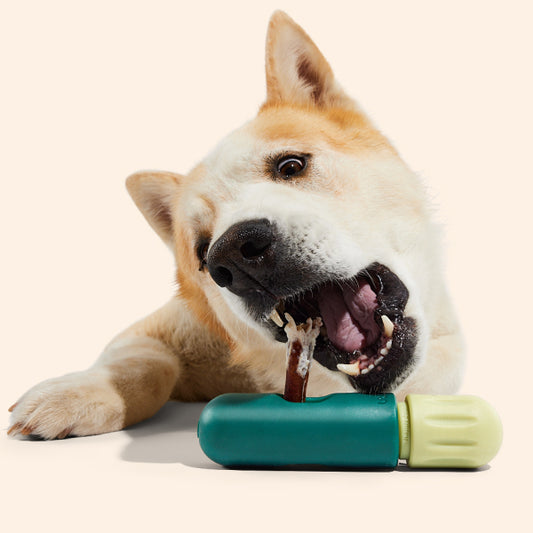
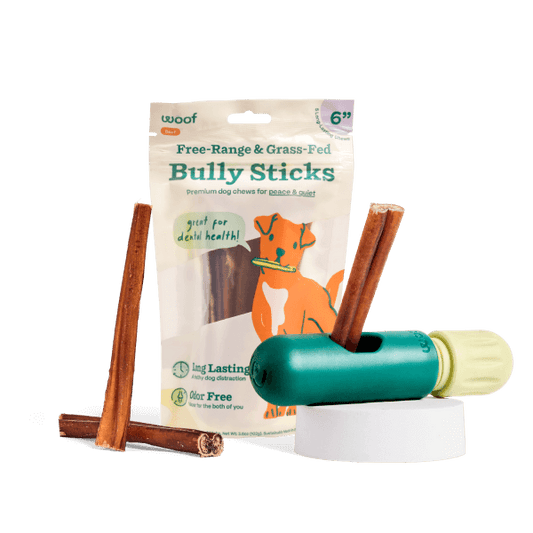
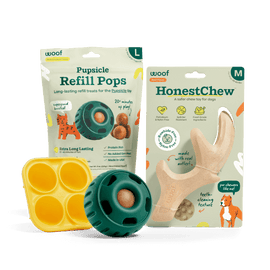
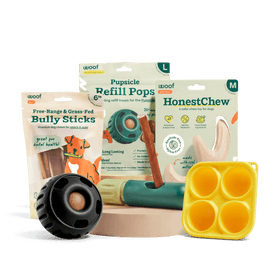
5) Choose safe, satisfying chews. For dogs who stress-chew after exciting interactions, HonestChew offers long-lasting gnaw time with plant-based durability. It is a great "busy mouth" option when your dog needs to decompress.
What if your dog (or the other dog) does not like face sniffing?
Some dogs simply prefer more space. If your dog turns their head away, ducks, backs up, or tries to hide behind you, listen to that message. Advocacy builds confidence. Step between the dogs, create distance, and redirect with something positive.
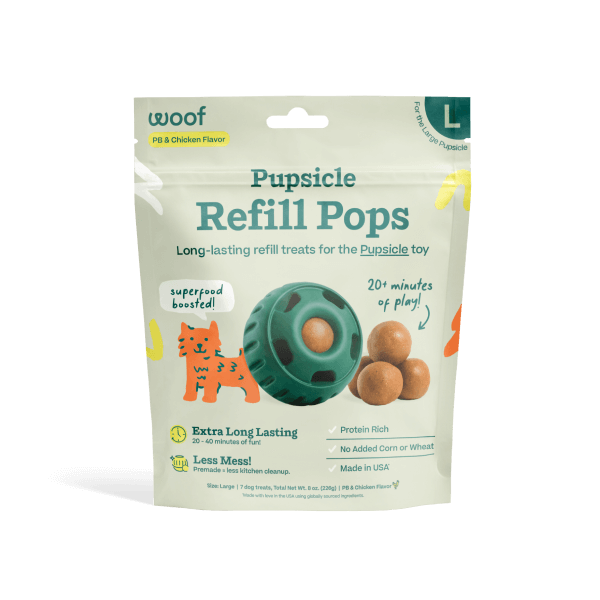
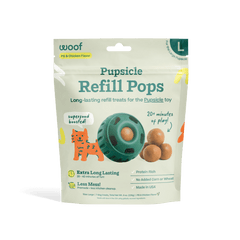
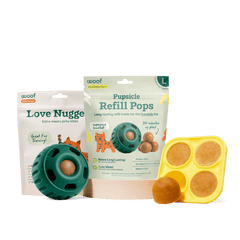
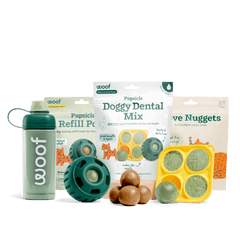
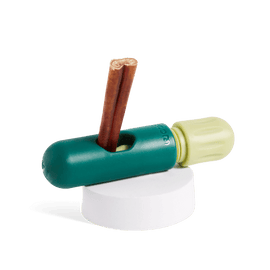
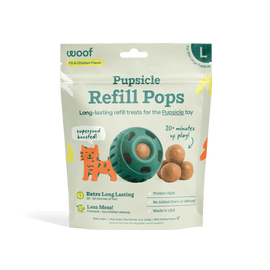
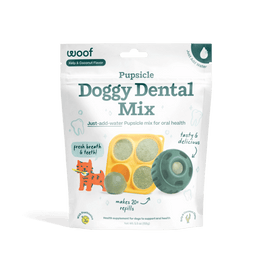
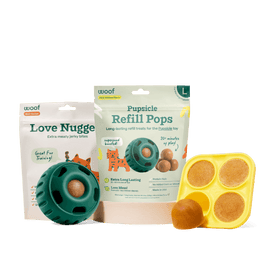
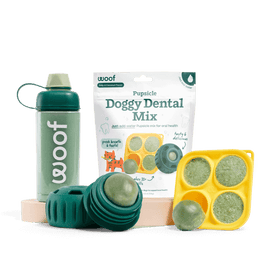
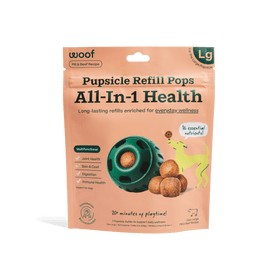
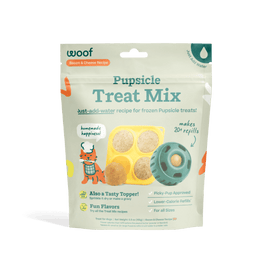
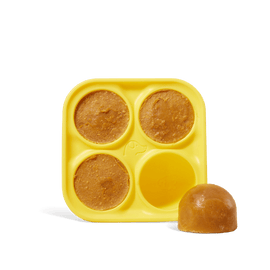
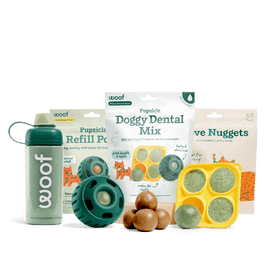
If you need a portable distraction for busy environments, consider a longer-lasting option like The Pupsicle with Pupsicle Pops. It can keep your dog happily occupied while you move through tighter spaces where surprise greetings happen. For home setups and variety, explore the Pupsicle Collection or browse favorites in the Best Sellers Collection to build a routine that matches your dog's style.
The takeaway: sniffing faces is communication - you are the translator
Why dogs sniff each other's faces comes down to one big theme: information. Your dog is learning, checking in, and making choices in real time. Your job is not to stop the conversation - it is to keep it respectful, brief when needed, and supported with healthy outlets for energy and emotion.
When you pair smarter greetings with enrichment tools your dog actually wants to use, you get the best of both worlds: more confidence in social moments, and more calm at home. If you are ready to stock up on dog-approved ways to channel curiosity, explore All Products or grab a few favorites from the Bundles Collection to make everyday life easier - for you and your nose-first best friend.