You straighten your dog's blanket, smooth out the wrinkles, and create what looks like the perfect little sleeping spot. Then your dog walks over, paws at it, pushes half of it into a pile, circles three times, and finally settles into the exact arrangement you were trying to avoid. If you have ever wondered why dogs rearrange blankets before getting comfortable, the answer usually involves a mix of instinct, comfort, temperature, scent, and individual preference.
For many dogs, pawing, circling, digging, nosing, or bunching bedding is simply part of getting ready to rest. It may look unnecessarily complicated to us, but dogs have their own ideas about what makes a sleeping spot feel just right.
Dogs often rearrange blankets because bedding preparation is a natural settling behavior. Their canine ancestors manipulated the ground and vegetation before resting, and modern dogs may still circle, paw, dig, and bunch soft materials as they create a comfortable resting spot. Some dogs also adjust blankets for warmth, cooling, scent, security, or simply because they prefer a particular texture or shape.
Blanket Rearranging May Be an Old Canine Instinct
Long before dogs had orthopedic beds and fleece blankets, wild canids had to make sleeping areas out of whatever was available. Circling and trampling vegetation could flatten an uneven surface, while pawing or digging could help shape a resting place. Domestic dogs live very different lives, but some of those inherited bedtime behaviors appear to have stuck around.
That can explain the familiar sequence many dog parents see: walk onto the bed, circle, scratch, push the blanket with the nose, turn again, and finally collapse into a furry heap. Your dog is not necessarily rejecting the bed you prepared. They may simply be completing their own version of making it.
They Are Creating Their Version of Comfortable
Humans fluff pillows and move blankets around before sleeping, and dogs can have similarly specific preferences. One dog may want a blanket spread flat beneath the belly. Another may bunch it into a padded mound for the head or shoulders. A small dog might burrow underneath it, while a larger dog may push most of the blanket away and lie partly on the cooler floor.
Watch what happens after the rearranging. If your dog quickly settles, loosens their body, and falls asleep, the behavior was probably accomplishing exactly what they wanted.
Temperature Can Change the Bedtime Setup
Blanket construction can also be practical. A chilly dog may burrow, nest, or pull fabric closer to the body. A warm dog may shove blankets aside, expose a cooler portion of the bed, or abandon the bed entirely for tile or hardwood.
This is one reason the same dog can have completely different bedtime rituals throughout the year. Their elaborate winter blanket nest may turn into a nearly blanket-free sleeping spot during warmer weather. Make sure your dog always has an appropriate resting area and can move away from heavy bedding if they become too warm.
Scent and Familiarity Can Make a Sleeping Spot Feel Right
Dogs experience their surroundings heavily through scent. Bedding carries familiar smells from the dog, the household, and everyday life. Pawing, turning, and burrowing may help a dog interact with that familiar sleeping area before settling.
This can be especially noticeable after you wash the bedding. Some dogs immediately start rubbing, digging, rolling, or rearranging a freshly cleaned blanket. What smells wonderfully clean to you suddenly smells different to them.
Some Dogs Are Much More Serious Nest Builders
There is plenty of individual variation. Puppies may enthusiastically dig and wrestle with bedding because practically everything doubles as play. Some adult dogs develop a predictable ritual that barely changes from night to night. Senior dogs may take longer to position themselves, especially when finding a comfortable resting posture requires more care.
Body size matters too. A small dog can disappear beneath a blanket and create a covered nest, while a large dog may use the same blanket mostly as a pillow. Dogs that naturally enjoy digging or burrowing may also be more enthusiastic about remodeling their beds.
When Blanket Digging Becomes Blanket Eating
Rearranging bedding is different from destroying or swallowing it. If your dog tears blankets apart, supervise access and remove loose pieces before they can be ingested. Fabric ingestion can be dangerous and should not be treated as ordinary nesting behavior.
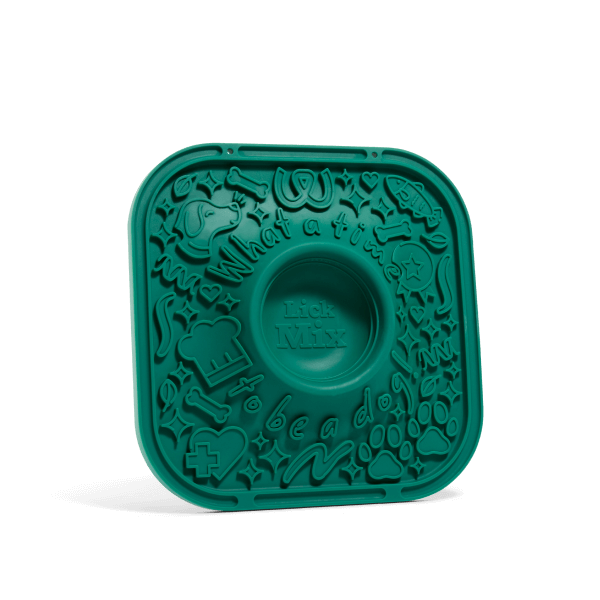
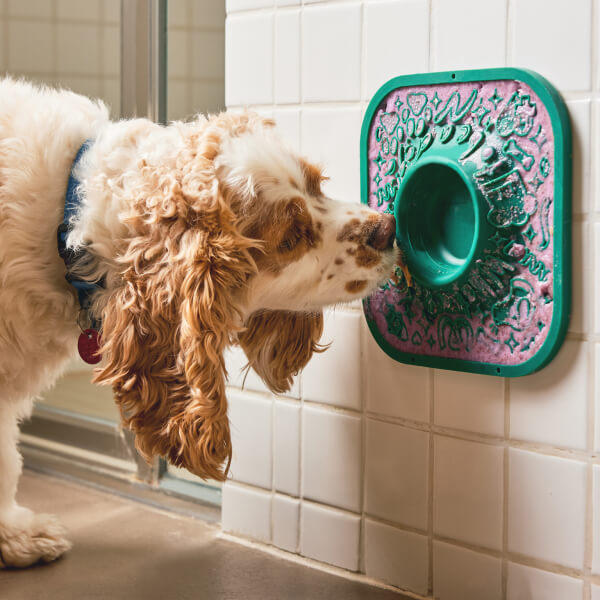
If your dog seems to have extra chewing or digging energy, offering appropriate enrichment during the day can give those behaviors a better outlet. A food-based activity such as The LickMat can turn licking into a focused enrichment session, while interactive play, sniffing games, walks, and suitable chew activities can help create a more satisfying daily routine.
If your dog is an enthusiastic blanket architect, give them one or two dog-safe blankets they are allowed to arrange instead of repeatedly correcting the behavior. Choose bedding without loose strings or damaged sections, and supervise dogs that tend to shred or swallow fabric.
A Simple Wind-Down Routine Can Help Dogs Settle
If your dog struggles to transition from evening excitement to rest, make the period before bedtime predictable. A bathroom break, a little sniffing, quiet enrichment, dimmer household activity, and access to the usual sleeping area can provide consistent cues that the day is winding down.
For dogs that enjoy licking activities, Calming LickMix can be incorporated into an enrichment routine according to the product directions. Enrichment can support a calmer transition between activities, but it is not a substitute for veterinary or professional behavioral care when a dog is experiencing significant anxiety or distress.
When Should You Pay More Attention?
Normal nesting usually ends with a comfortable dog going to sleep. Pay closer attention when the behavior changes suddenly or your dog repeatedly circles, paws, lies down, gets back up, and seems unable to become comfortable.
Restlessness combined with whining, panting, limping, stiffness, trembling, excessive licking, appetite changes, or other unusual behavior deserves more attention. Senior dogs in particular may need help if their usual sleeping routine suddenly becomes difficult. Contact your veterinarian if you notice a major behavior change, signs of pain, persistent restlessness, or anything else that makes you concerned about your dog's comfort or health.
Dog Parent FAQs
Why does my dog scratch blankets before lying down?
Scratching can be part of a natural nesting routine. Many dogs paw or dig at bedding before settling into the position they prefer.
Why does my dog bunch a blanket into a pile?
Your dog may prefer extra padding under the head or body, want a warmer nest, or simply enjoy resting against a soft mound of fabric.
Should I stop my dog from rearranging blankets?
Usually not if the behavior is calm and the bedding is safe. Step in if your dog is destroying or swallowing fabric, becoming distressed, or showing signs of discomfort.
Why did my dog suddenly start nesting more than usual?
A change in temperature, routine, sleeping location, or comfort may affect nesting. If the change is sudden, persistent, or accompanied by physical or behavioral symptoms, ask your veterinarian for guidance.
The Bottom Line on Your Dog's Blanket Remodeling
The next time your dog turns your neatly arranged blanket into an impressive pile, remember that they may be doing something deeply natural: preparing a resting place that feels comfortable to them. Circling, pawing, digging, nosing, and burrowing are common ways dogs customize their sleeping spaces.
As long as the behavior is relaxed, the bedding is safe, and your dog settles comfortably afterward, there is usually no need to remake their masterpiece. Sometimes being a good dog parent means accepting that your interior design opinions do not extend to the dog bed.