






































































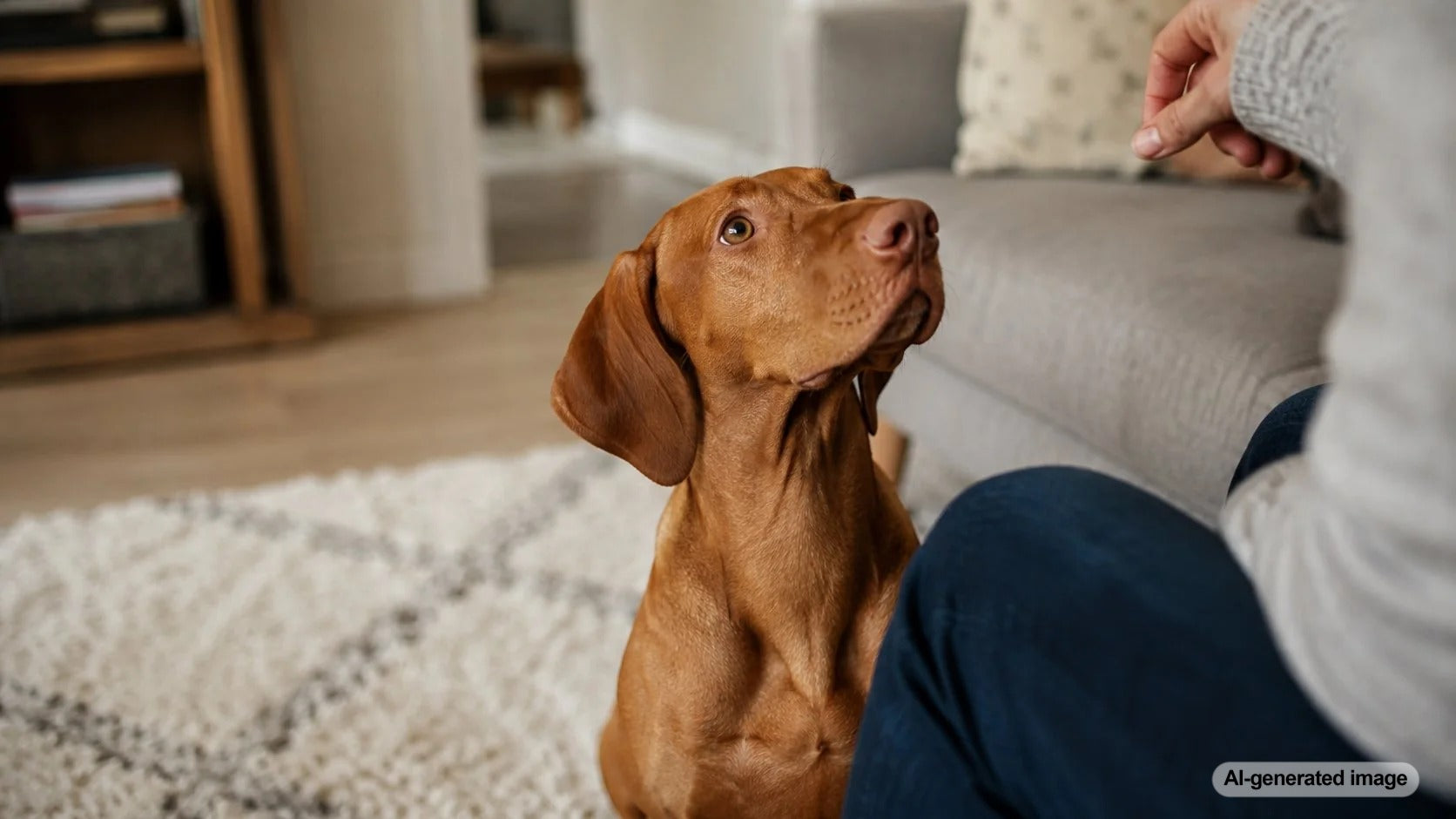
If your dog races to one family member when it is time for a walk, brings a favorite toy to someone else, and saves sleepy couch cuddles for a third person, you are not imagining things. Dogs can develop different relationships with different people in the same household, and those relationships are often connected to routines, rewards, communication styles, energy levels, and past experiences. A dog choosing Dad for fetch but Mom for bedtime does not necessarily mean there is one overall favorite.
In many homes, dogs seem to create their own unofficial job descriptions for everyone. One person becomes the adventure buddy, another is the reliable snack source, and someone else has apparently been promoted to Chief Belly Rub Officer. Understanding why these preferences develop can help you strengthen your own bond without turning family life into a popularity contest.
Dogs Learn Who Makes Each Activity Rewarding
Dogs are excellent at noticing patterns. If one person takes the dog on long sniff-filled walks every morning, the leash coming out of that person's hand can predict something wonderful. If another person usually handles training and delivers tasty rewards for successful cues, the dog may become especially attentive around that person.
This learning can become surprisingly specific. Your dog might happily play tug with the teenager who makes the game energetic and unpredictable, yet look to another adult during training because that person's cues and rewards are more consistent. Dogs tend to repeat behaviors and interactions that have produced rewarding outcomes before.
For training sessions, small rewards can make positive interactions easy to repeat. Bite-sized Love Nuggets, for example, can be used as training rewards when you want several family members to practice the same skills without turning every successful sit into a full snack.
Energy Levels Can Make One Person Better for Play
Different people naturally move, speak, and play differently. The family member who enthusiastically tosses a ball across the yard may become the obvious fetch partner. Someone who prefers quiet floor time may be the dog's first choice when it is time to settle.
This is especially noticeable with high-energy dogs, puppies, and dogs that strongly enjoy interactive games. A playful dog may seek out the person most likely to start an adventure, while still choosing a calmer family member when tired or uncertain.
Neither preference automatically represents a stronger emotional bond. Your dog can have several meaningful relationships that simply serve different needs.
Consistency Shapes Who Dogs Listen To
Sometimes a dog appears to "listen better" to one family member because that person is simply more predictable. If one person always says "down" once and rewards the correct response, while another repeats several versions of the cue, the dog may respond faster to the clearer communicator.
Household rules matter too. Suppose one family member allows jumping during greetings while another consistently asks for four paws on the floor. Your dog may behave differently with each person because experience has taught them that the rules change depending on who is standing there.
Families can make training easier by agreeing on cue words, boundaries, and reward timing. You do not need identical personalities. You simply want the important rules to remain understandable.
Comfort and Safety Influence Cuddle Preferences
Dogs also notice subtle differences in touch and personal space. One person may scratch exactly the right spot without hugging or restraining the dog. Another may sit quietly enough that the dog can choose when to approach and leave. Those details can make someone an especially appealing relaxation companion.
A dog's preferences may change with age. A busy puppy might seek the household's most playful person, while an older dog may increasingly appreciate a family member whose routine is quieter and more predictable. If a senior dog suddenly stops approaching someone, avoids being touched, or shows an unexpected behavior change, pain or another health issue could be involved. Contact your veterinarian rather than assuming the dog has simply changed favorites.
One Person May Become the Enrichment Expert
Dogs quickly learn who makes boredom disappear. If one family member routinely brings out puzzle toys, sniff games, or food enrichment, that person can become strongly associated with independent fun.
This can actually be useful when several people want to build stronger relationships with the dog. Rotate who prepares enrichment rather than leaving every enjoyable routine to one caregiver. A long-lasting activity such as The Pupsicle can become part of a predictable settling routine that different family members take turns preparing and offering.
Remember that enrichment should suit the individual dog. Supervise new activities, choose appropriately sized toys, and adjust difficulty if your dog becomes frustrated instead of engaged.
Do Dogs Actually Have a Favorite Person?
Some certainly seem to form an especially strong attachment to one person, but behavior is often more nuanced than a single ranking. Context matters. The person your dog follows around the kitchen may not be the person they seek when nervous, and the preferred hiking companion may not be the preferred nap companion.
Instead of asking only, "Who does my dog love most?" look at what your dog is requesting from each relationship. Those choices can reveal what makes your dog feel playful, motivated, secure, relaxed, or understood.
How to Become Part of More of Your Dog's Favorite Activities
Start by joining activities your dog already enjoys. Take a relaxed sniff walk instead of rushing around the block. Practice two minutes of simple training with rewards. Play your dog's favorite game and stop while they are still having fun. Offer calm companionship without demanding physical affection.
Pay attention to body language, too. If your dog moves away, repeatedly turns their head, becomes tense, or stops engaging, give them space. Forcing interaction is unlikely to create the relationship you want.
If your dog shows intense fear of a particular household member, guarding behavior, aggression, or a major unexplained change in social behavior, contact your veterinarian and consider working with a qualified dog behavior or training professional.
Dog Parent FAQs
Why does my dog play with one person but cuddle with another?
Each person may have developed a different rewarding role. One person's energy may predict exciting play, while another person's calmer behavior makes resting especially comfortable.
Does my dog choosing someone else mean they love me less?
Not necessarily. Dogs can have different preferences in different situations and maintain strong bonds with multiple people.
Can I become my dog's preferred person for an activity?
You may be able to strengthen that association by consistently participating in an activity your dog enjoys and making the experience positive, predictable, and comfortable.
Why did my dog suddenly change which family member they prefer?
Changes in schedules, routines, stress, aging, or physical comfort can influence social behavior. If the change is sudden or comes with appetite changes, pain, limping, unusual anxiety, or other symptoms, contact your veterinarian.
The Bottom Line
Your dog's relationships with family members can be wonderfully specific. The person holding the leash, tossing the toy, delivering a training reward, or quietly sharing the couch may each represent something different and valuable. Rather than worrying about who ranks first, create more positive experiences together and let your dog's individual relationships grow naturally. In a happy household, there is plenty of room for more than one favorite human job.


