





















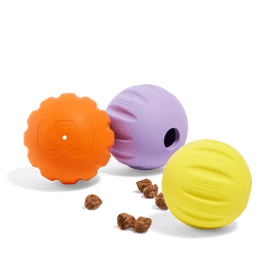
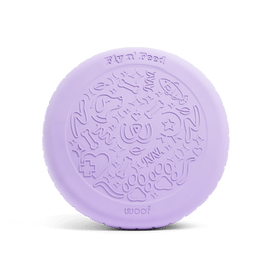
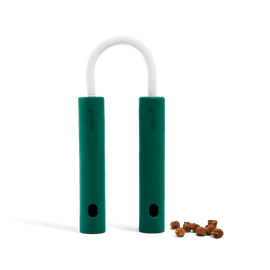



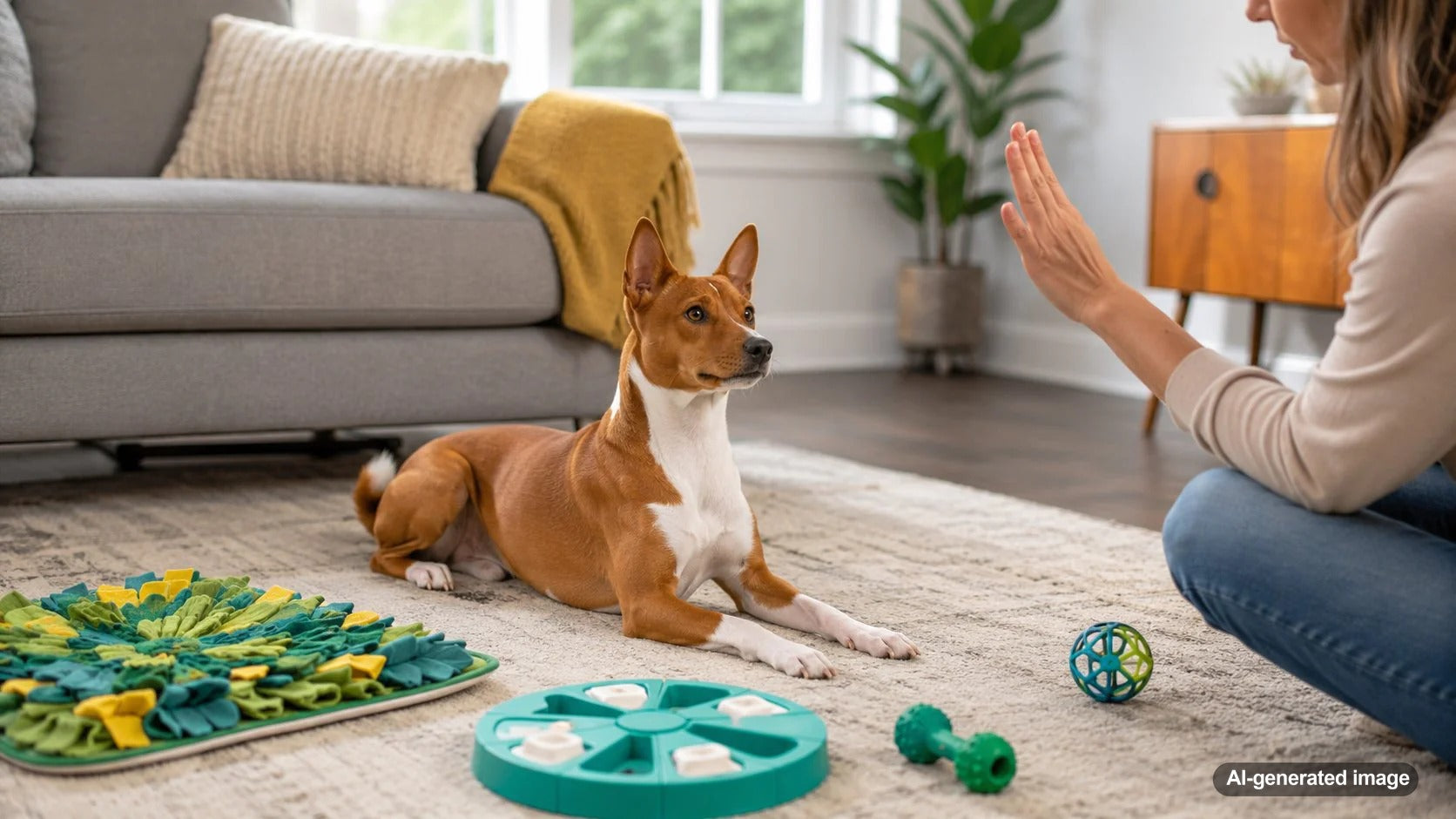
Some dogs can do the same puzzle once and act like they have cracked the family safe forever. Others get bored with a chew, a mat, or a toy after a few days and start looking for their own entertainment in the form of shoes, couch pillows, or the mysterious crumbs under the stove. That is where the balance behind Why Dogs Need Variety in Enrichment but Consistency in Rules becomes so important: dogs thrive when their brains get fresh challenges, but their behavior gets clearer when the household expectations stay steady.
Think of enrichment as the fun, flexible part of your dog's day and rules as the dependable framework that helps them understand life with humans. Variety keeps your dog curious. Consistency helps your dog feel secure. When you combine both, you can support better focus, calmer routines, safer chewing, and fewer mixed messages.
Quick Answer
Dogs need variety in enrichment because their brains and bodies benefit from different outlets, like sniffing, licking, chewing, problem-solving, training games, and movement. Dogs need consistency in rules because predictable boundaries help them understand what earns rewards, what is off-limits, and how to behave in everyday situations. Change the activities, not the expectations.
Why Variety Matters in Dog Enrichment
Enrichment is not just about keeping your dog busy. It gives dogs appropriate ways to use natural behaviors such as sniffing, licking, chewing, chasing, foraging, problem-solving, and exploring. A dog who gets only physical exercise may still be mentally restless. A dog who gets only food puzzles may still need a chance to sniff outside, work on training cues, or chew something satisfying.
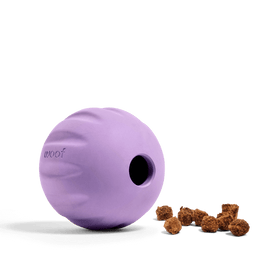
Variety matters because dogs can habituate to the same activity. In real life, that may look like a dog who used to love a puzzle feeder but now empties it in 90 seconds, a puppy who loses interest halfway through a lick mat, or a power chewer who starts testing chair legs after their usual chew stops feeling exciting. Rotating enrichment keeps the experience fresh without needing to make every day complicated.
A helpful weekly mix might include one sniff-heavy walk, one calming licking activity, one safe chew session, one training game, and one puzzle or slow-feeding challenge. The goal is not to exhaust your dog. It is to meet different needs in ways that feel satisfying and manageable.
Why Consistent Rules Matter Just as Much
Dogs are excellent at noticing patterns. They learn from what works. If jumping on guests earns attention on Monday, but gets scolded on Tuesday, your dog may keep trying because the rule feels unclear. If counter surfing sometimes leads to a snack, the occasional win can make the habit stronger.
Consistency does not mean being harsh or rigid. It means everyone in the home uses the same expectations. If paws on the counter are not allowed, they are not allowed when dinner smells amazing, when guests are over, or when your dog gives you the cutest face on earth. If your dog needs to sit before the leash goes on, that routine should be calm and repeatable.
This is especially important for puppies, newly adopted dogs, and dogs who get overstimulated easily. Clear rules reduce guessing. When dogs know what is expected, they can spend less energy testing boundaries and more energy settling into the routine.
Change the Game, Keep the Rule
The easiest way to understand this balance is to separate the activity from the expectation. You can rotate the enrichment while keeping the rule the same.
| Flexible Enrichment | Consistent Rule |
|---|---|
| Offer a lick mat one day, a puzzle toy the next, and a chew session after that. | All food enrichment happens on a mat, in a crate, or in a supervised spot. |
| Use different rewards for training, like tiny treats, praise, or a quick toy game. | The cue means the same thing every time, and the reward comes after the behavior. |
| Rotate sniff walks, fetch, slow feeding, and chewing. | No pulling toward other dogs, no grabbing unsafe items, and no chewing household objects. |
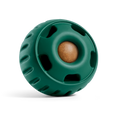
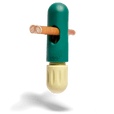
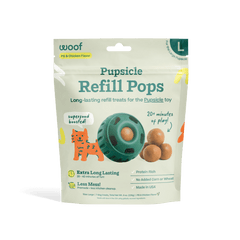
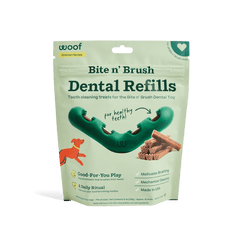
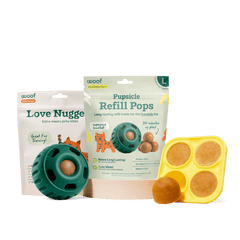
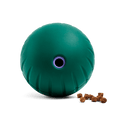
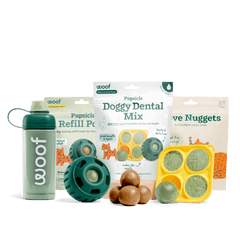
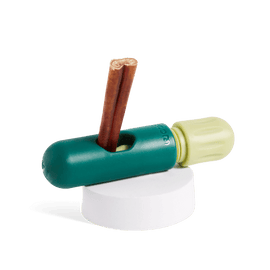
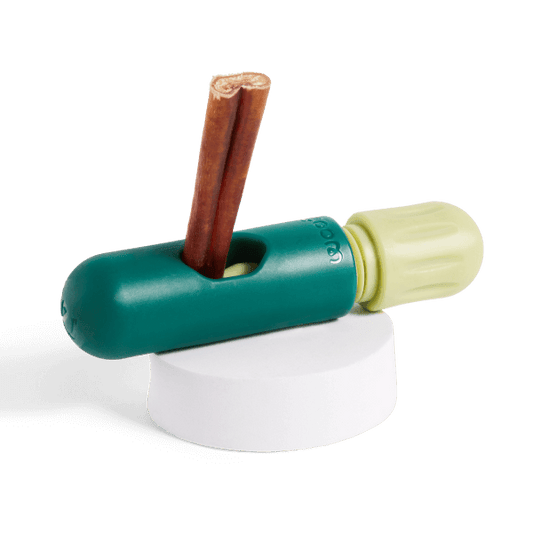
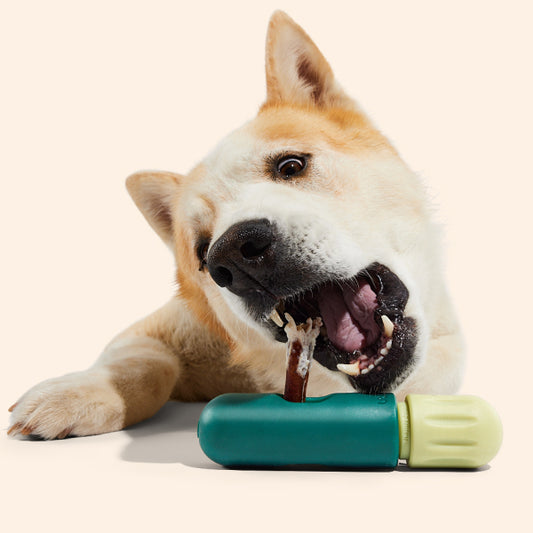
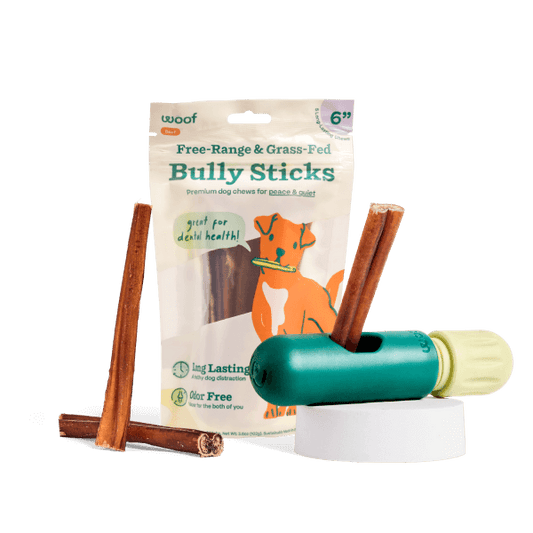
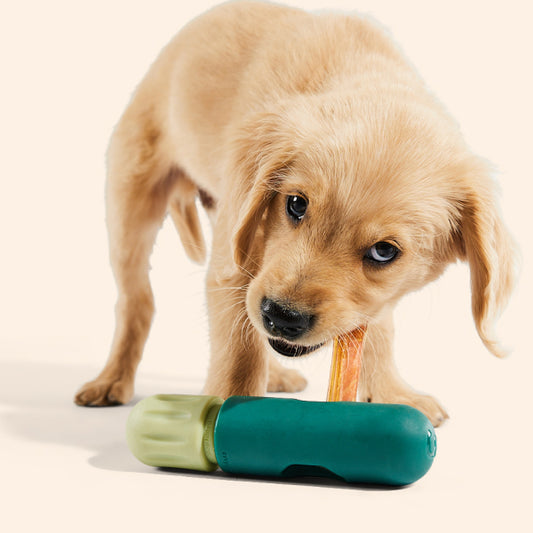
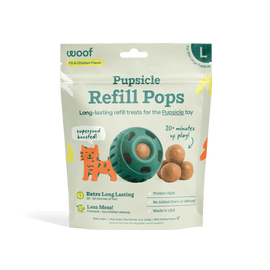
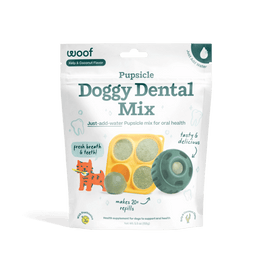
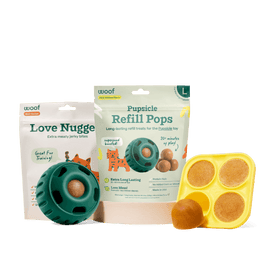
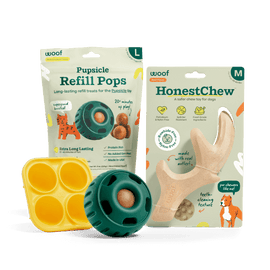
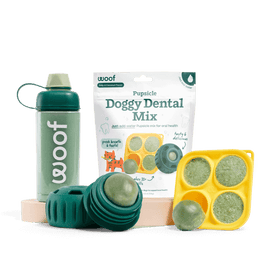
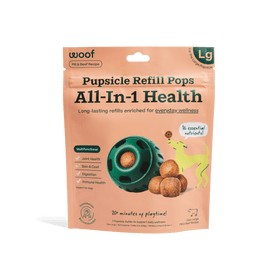
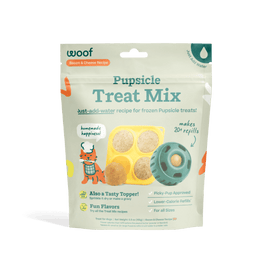
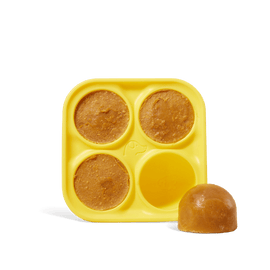
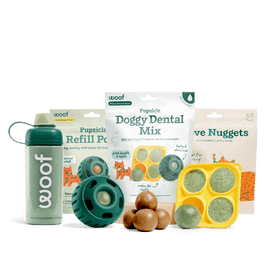
For example, if your dog gets rowdy around 7 p.m., you might rotate between The Pupsicle for longer-lasting treat play, a short sniff walk, or a simple training session. The activity changes, but the rule stays steady: evening energy gets directed into an approved outlet, not barking at the window or stealing socks.
What Dog Parents Often Misunderstand
One common misunderstanding is thinking that a bored dog needs more chaos. More toys on the floor, more treats, more commands, and more excitement can sometimes create a dog who is wired instead of satisfied. Many dogs do better with a simple enrichment menu and a predictable routine.
Another misunderstanding is assuming consistency means doing the exact same enrichment every day. A routine can be predictable without being repetitive. Your dog can learn that after breakfast there is a calm activity, even if Monday is licking, Tuesday is chewing, and Wednesday is a food puzzle.
Some dogs also need the difficulty adjusted. Puppies may need easier puzzles and shorter sessions because frustration can build quickly. Senior dogs may prefer slower sniffing, softer textures, and less physically demanding games. Small dogs may need appropriately sized toys and smaller portions. Power chewers need careful supervision and durable options designed for stronger jaws.
Helpful Tip
If your dog quits an enrichment activity, barks at it, paws frantically, or tries to destroy it instead of working through it, the challenge may be too hard, too exciting, or not the right fit that day. Make it easier, shorten the session, or switch to a calmer outlet.
A Simple Rotation That Still Feels Consistent
You do not need a spreadsheet, a shelf full of toys, or a perfect routine. Start with three categories: lick, chew, and think. Licking can support a calming routine because it is repetitive and focused. Chewing gives the mouth and jaw an appropriate job. Thinking games, like training, treat searches, or puzzle play, help your dog use their brain.
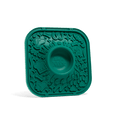
A realistic routine might look like this: lick activity after grooming or bath time, safe chew after dinner, food puzzle on rainy mornings, training rewards during walk practice, and a sniff-focused walk when your dog seems restless. If you want one tool that adds easy variety, Woof's FlipMat can work as both a lick mat and slow feeder with two levels of challenge, which makes it useful for switching between calming enrichment and mealtime mental stimulation.
Keep safety in the routine. Supervise chew sessions, choose the right size and difficulty, remove damaged items, and watch portions when food is involved. If your dog has sudden behavior changes, appetite changes, dental pain, vomiting, diarrhea, excessive drooling, limping, swelling, or signs of serious anxiety, check with your veterinarian or a qualified professional.
How to Set Rules Without Making Life Boring
Good rules are simple, visible, and easy to reward. Instead of focusing only on what your dog should stop doing, decide what you want them to do instead. If your dog jumps on guests, reward four paws on the floor. If they chew shoes, guide them to an approved chew. If they bark during your work calls, set up a calm enrichment station before the meeting starts.
The best rules are also realistic. A young dog may not be ready to free roam during dinner. A dog who loves counters may need management, like baby gates or clear surfaces, while training builds. A nervous dog may need more distance from triggers before they can practice calm behavior. Consistency includes setting your dog up to succeed.
Dog Parent FAQs
Can too much enrichment overstimulate a dog?
Yes, some dogs can become more excited when every activity is high-energy or too difficult. Mix active play with calming outlets like licking, sniffing, chewing, and rest.
How often should I rotate my dog's enrichment?
Many dogs do well with small daily changes and a bigger rotation every few days. Watch your dog's interest level, frustration, and energy after each activity.
Should all family members use the same dog rules?
Yes. Dogs learn faster when everyone follows the same expectations, cues, rewards, and boundaries. Mixed messages can make unwanted behaviors harder to change.
What if my dog only likes one enrichment toy?
That is okay. Keep the favorite, but vary the filling, location, time of day, or difficulty. You can also introduce new activities slowly beside something familiar.
The Bottom Line
Dogs do not need a brand-new life every day, and they do not need a rulebook that changes by the hour. They need fresh, safe, satisfying ways to use their instincts, plus steady expectations that help them understand the household. When enrichment has variety and rules stay consistent, your dog gets the best of both worlds: a life that is interesting enough to prevent boredom and predictable enough to feel secure.


