






































































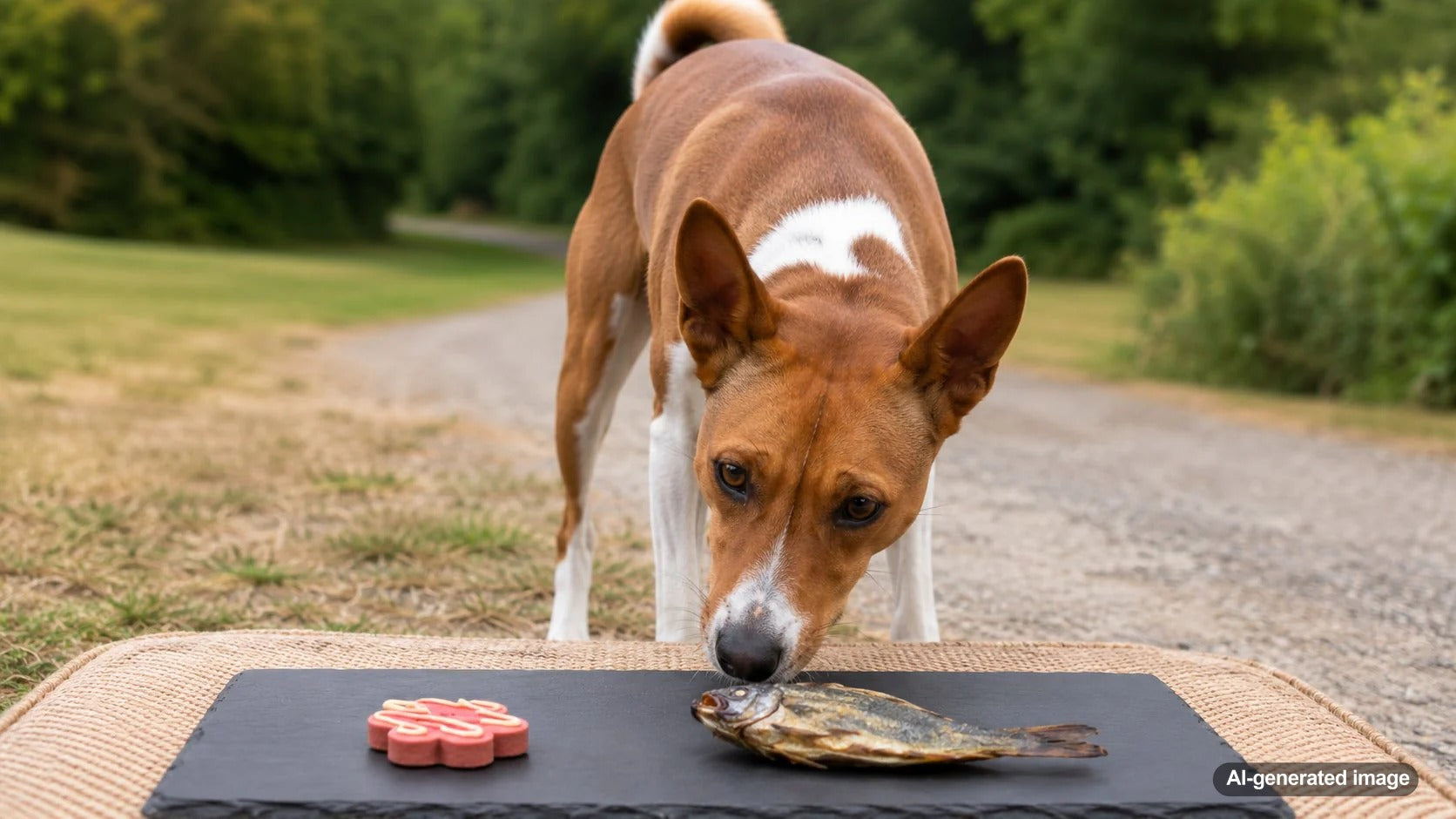
Why Dogs May Prefer Smelly Snacks Over Pretty Snacks comes down to one simple truth: your dog shops with their nose first. A treat that looks adorable to you may barely register to your pup if it does not release much aroma. Meanwhile, a chewy, meaty, slightly funky snack can feel wildly exciting because its scent tells your dog, "this is worth investigating."
That does not mean dogs only care about stink. Texture, freshness, size, temperature, past experiences, and how hungry or stressed they feel can all shape treat preferences. But for many dogs, aroma is the first invitation, especially during training, enrichment, picky moments, or distractions like travel and vet visits.
Quick answer: Dogs may prefer smelly snacks because smell plays a major role in how they experience flavor. Stronger aromas can make a treat easier to notice, more exciting to investigate, and more rewarding during chewing, licking, training, or puzzle play. Pretty snacks are made for human eyes. Smelly snacks are often made for a dog's nose.
Dogs Do Not Judge Snacks the Way We Do
Humans are highly visual eaters. We notice color, shape, packaging, frosting, and neat little details. Dogs are different. They may glance at a snack, but they are usually far more interested in what it smells like, how it feels in the mouth, and whether it is easy or satisfying to chew.
This is why the treat that looks plain, brown, wrinkly, or a little too fragrant for your kitchen counter may be the one your dog chooses first. To your pup, aroma can signal protein, fat, moisture, freshness, and reward value. A picture-perfect biscuit may look charming in a gift box, but if it is dry and low-aroma, some dogs will give it a polite sniff and walk away.
Smell Helps Create Flavor for Dogs
When your dog sniffs a snack before eating it, they are gathering more than a simple "good" or "bad" signal. The nose helps build the whole flavor experience. A treat that releases savory aroma before and during chewing may feel richer and more interesting than one that only looks appealing.
| Snack style | What humans may notice | What dogs may notice |
|---|---|---|
| Pretty iced biscuit | Color, shape, decoration | May be less exciting if it is dry or low-aroma |
| Savory jerky treat | Simple appearance and stronger smell | Meaty scent, chewy texture, high reward value |
| Frozen treat refill | Neat, easy serving format | Cold texture, licking time, gradual aroma release |
| Spread on a lick mat | Mess-free routine and easy prep | Longer sniffing, licking, and calming enrichment |
Strong Smells Can Be Especially Useful During Training
When your dog is learning a new cue, walking past squirrels, or trying to focus around other dogs, a low-value treat may not compete with the world. A stronger-smelling snack can help cut through distractions because your dog can locate it quickly and stay interested long enough to earn the reward.
For training sessions, small pieces matter. You want rewards that are easy to chew and swallow so your dog can get back to listening instead of spending a full minute crunching. Bite-sized, aromatic rewards such as Super Strips can be useful when you want a savory treat that feels exciting without turning the whole session into a meal.
Helpful tip: Save the most aromatic rewards for the hardest moments, like recall practice, leash distractions, vet handling practice, nail trims, or anything your dog finds challenging. Use simpler snacks for easy cues at home.
Texture Makes Smelly Snacks Even More Appealing
Aroma gets your dog's attention, but texture can keep them engaged. Soft treats can be helpful for quick rewards. Chewy treats may feel more satisfying because they last longer in the mouth. Frozen snacks or lickable spreads can slow the experience down, which may support a calmer routine.
This is especially helpful for dogs who inhale treats. If your pup gulps snacks without tasting them, a slower format may make treat time safer and more enriching. The Pupsicle can turn a snack into a longer-lasting licking activity, which may be useful when your dog needs a focused distraction instead of a quick bite.
Why Puppies, Seniors, and Picky Dogs May React Differently
Puppies often respond strongly to smell because everything is new and exciting, but they may need soft, small, easy-to-chew pieces. Large puppies and power chewers may need more durable formats and close supervision so treat time stays appropriate for their chewing style.
Senior dogs may become more selective if chewing is uncomfortable, their sense of smell changes, or they are dealing with health issues. A stronger aroma may make food or treats more interesting, but sudden appetite changes, bad breath, drooling, pawing at the mouth, weight loss, vomiting, diarrhea, or signs of pain should be discussed with your veterinarian.
Picky dogs can be misunderstood, too. Some are not being stubborn. They may be overwhelmed, full, bored with the same reward, unsure about texture, or turned off by a snack that smells flat. Try changing one thing at a time: smaller pieces, a different texture, a warmer serving temperature, or a more aromatic treat.
When Pretty Snacks Still Have a Place
Pretty snacks are not bad. They can be fun for birthdays, photos, gifts, or special moments. The key is remembering that the design is mostly for you. Your dog may enjoy it, but the decoration is not usually what makes the snack rewarding.
What to try first:
- Choose smaller pieces for training so your dog can stay focused.
- Use stronger-smelling rewards for harder distractions.
- Try licking or frozen formats for dogs who need longer engagement.
- Supervise chewing and choose sizes that fit your dog's mouth and chewing style.
- Ask your vet if smell, appetite, breath, or chewing habits suddenly change.
Dog Parent FAQs
Why does my dog like treats that smell awful to me?
Your dog experiences food through scent in a much stronger way than humans do. A smell that seems intense or funky to you may signal savory flavor, protein, or chew-worthy reward value to your dog.
Are smelly dog snacks always better?
Not always. Smell can make a snack more exciting, but the best choice also depends on ingredients, size, calories, texture, your dog's chewing style, and any dietary needs your vet has discussed with you.
Can strong-smelling treats help with picky dogs?
They may help some picky dogs because aroma can make food more noticeable and interesting. If pickiness is sudden, severe, or paired with symptoms like vomiting, diarrhea, weight loss, bad breath, or pain, contact your veterinarian.
Should I use smelly treats every day?
You can use aromatic treats as part of a routine, but portion size matters. Keep treats within your dog's overall daily diet, break them into small pieces when possible, and rotate rewards so they stay special.
The Bottom Line on Smelly Snacks
Dogs may prefer smelly snacks over pretty snacks because scent often matters more than looks in the canine world. A snack that smells savory, feels satisfying, and fits the moment can be far more rewarding than one made to impress human eyes. When you choose treats based on your dog's nose, mouth, routine, and safety needs, snack time becomes more useful, more engaging, and a lot more fun.


