






































































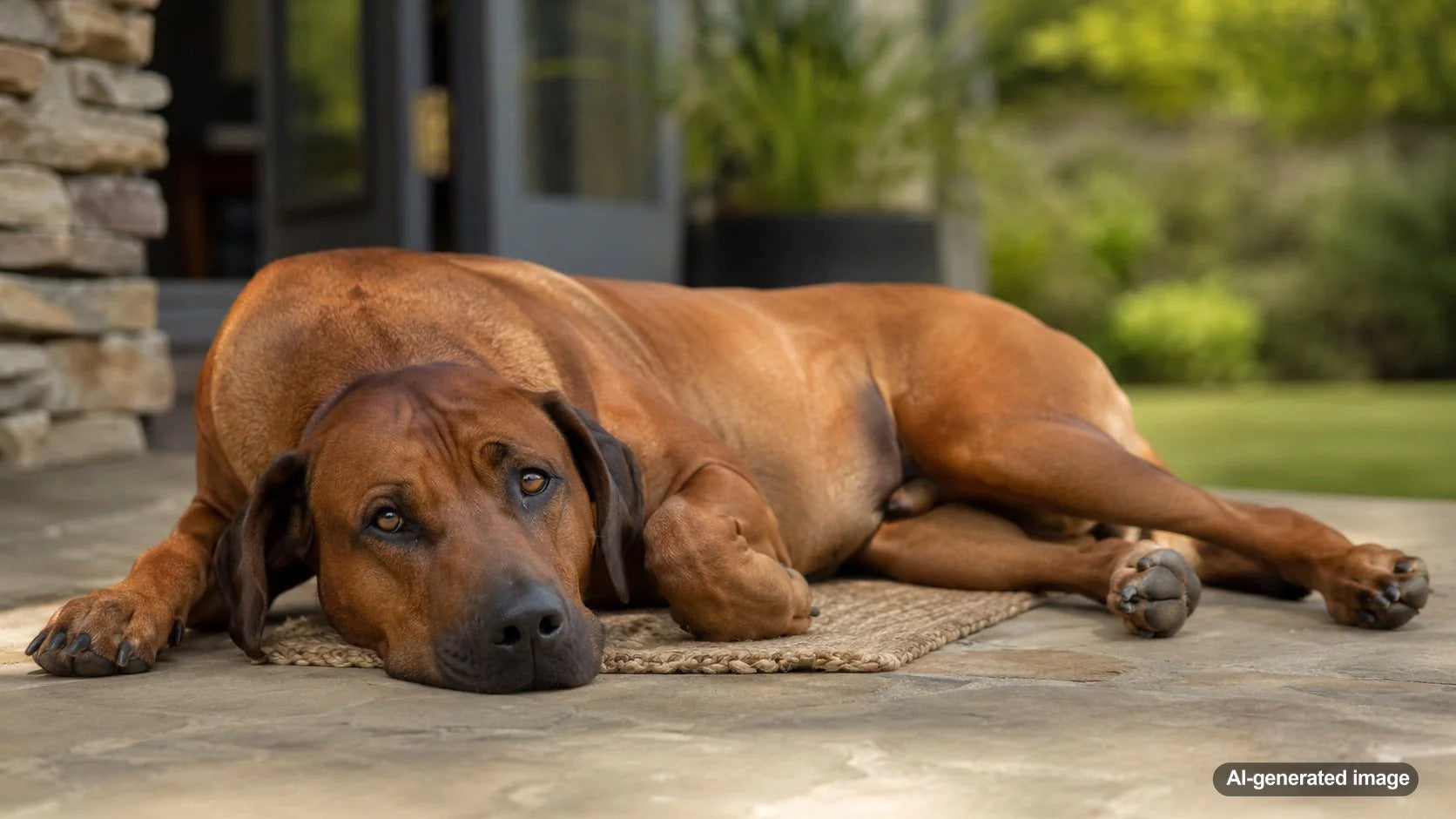
Your dog has a perfectly good bed, maybe even several, yet somehow the tiny hallway rug wins the nap competition again. One paw hangs off the side, their head is half on the floor, and they look more peaceful than they ever do in the expensive plush bed you carefully picked out. Why Dogs Choose the Smallest Rug in the House for Their Biggest Nap often comes down to comfort, scent, temperature, security, and the simple fact that dogs do not judge sleep spots the way people do.
To us, a small rug may look like a compromise. To a dog, it may feel like a clearly marked, cozy, familiar island in the middle of a busy home. It smells like the household, has just enough texture for grip, and lets them rest while still keeping track of their favorite people.
The Small Rug Feels Like a Defined Safe Zone
Dogs are very aware of boundaries. A rug creates a clear edge, almost like a little personal sleep pad. Even if the rug is tiny, your dog may understand it as a contained place where they can curl up and relax.
This is one reason dogs sometimes choose mats, towels, laundry piles, bath rugs, or a single square of sunlight over a large open room. The edges give the spot structure. For some dogs, that structure feels reassuring, especially in homes with kids, other pets, foot traffic, or lots of noise.
Smaller dogs may fit comfortably on these little zones, but large dogs do it too. A big dog folding themselves onto a tiny rug may look ridiculous, but curling tightly can feel secure. Many dogs naturally sleep in compact positions when they want to conserve warmth, protect their belly, or feel tucked in.
It Smells Like Home, and That Matters
Dogs experience their world through scent. A rug near the kitchen, couch, bathroom, entryway, or bedroom may carry layers of familiar smells: family members, other pets, outdoor scents from shoes, food aromas, and daily household activity. That scent story can make the rug feel emotionally important.
Your dog may not be choosing the rug because it is softest. They may be choosing it because it smells like the people and places they care about. This is also why some dogs nap on a sweatshirt, a pile of towels, or the mat by the door instead of the bed placed in the corner.
Temperature Can Make the Rug More Appealing Than a Bed
A thick dog bed can be too warm for some dogs, especially after play, during warmer weather, or for dogs with dense coats. A small rug on tile, wood, or laminate may offer the perfect balance: a little cushion on top with cooler flooring underneath.
Other dogs choose rugs because they are warmer than bare floor. Senior dogs, short-haired dogs, puppies, and smaller breeds may appreciate the thin layer of insulation. If your dog rotates between a rug, a cool bathroom floor, and a sunny patch, they may simply be managing comfort throughout the day.
The Rug Lets Them Stay Near the Action
Many dogs want rest without isolation. A hallway rug, kitchen mat, or little rug near your desk may be the perfect compromise. They can nap, but they can also pop up if someone opens the treat drawer, grabs a leash, or moves toward the door.
This is especially common with social dogs who do not want to miss anything. Their bed might be more comfortable, but if it is too far from the household action, it loses points. The tiny rug may offer a better view, better sound access, and a better chance of being included.
Texture and Traction Can Be a Big Deal
Dogs like surfaces that help them feel steady. Slippery floors can be uncomfortable, especially for puppies still learning coordination, senior dogs with weaker hind legs, or dogs with joint stiffness. A rug gives paws something to grip when standing up, turning around, stretching, or settling down.
If your dog often chooses rugs over hard floors, pay attention to where it happens. A rug at the bottom of stairs, near a doorway, or beside a couch may be serving as a traction station as much as a nap spot. For older dogs, adding more nonslip rugs in key areas may make daily movement easier.
Pre-Nap Rituals Help Dogs Settle
Before lying down, many dogs circle, paw, nudge, scratch lightly, or turn several times. This normal nesting behavior can be their way of checking the spot, arranging their body, and preparing to rest. A rug gives them something to interact with before they flop down.
If your dog has trouble settling, adding a calm routine before nap time may help. A few minutes of sniffing, licking, chewing, or slow enrichment can give busy dogs a way to shift out of alert mode. For dogs who relax through licking, a tool like the FlipMat can be used as part of a supervised calm-down routine before they wander off to their favorite rug.
When a Rug Obsession Is Normal, and When to Pay Attention
Most rug napping is harmless and honestly pretty charming. It is usually just a comfort preference. But sudden changes in sleep location can sometimes be a clue that something else is going on.
Check in with your veterinarian if your dog suddenly hides to sleep, avoids stairs or furniture, seems restless, pants at night, limps, yelps when getting up, has appetite changes, or cannot get comfortable. A trainer or qualified behavior professional may also help if your dog seems anxious, guarded, or unable to relax unless they are in one very specific place.
- Leave the rug available if it is safe and washable.
- Add a nonslip mat if the surrounding floor is slick.
- Place a thin bed near the rug instead of moving the rug away.
- Watch whether your dog is seeking warmth, coolness, scent, or proximity.
- Offer calm enrichment before rest, such as licking, chewing, or a food puzzle.
- Ask your vet if the behavior appears suddenly or comes with signs of discomfort.
How to Build a Better Rest Spot Without Ruining Their Favorite Rug
The goal is not always to convince your dog that their real bed is better. Sometimes the smarter move is to learn what the rug is giving them and recreate that comfort elsewhere.
If they like the rug because it is near you, move a bed closer to where you spend time. If they like the texture, choose a lower-profile bed instead of a fluffy one. If they like cool floors, try a thin mat rather than a thick cushion. If they need help settling before naps, a longer-lasting enrichment option like The Pupsicle may give them a satisfying activity before rest, especially when used with supervision and matched to your dog's chewing style.
For dogs, comfort is personal. The smallest rug may be silly to us, but to them it may be the exact right mix of scent, texture, temperature, and family connection.
Dog Parent FAQs
Why does my dog sleep on the rug instead of their bed?
Your dog may prefer the rug because it is cooler, warmer, closer to you, easier to get on and off, or full of familiar household scents. The bed may still be useful, but it may not meet the need your dog has in that moment.
Should I stop my dog from sleeping on a small rug?
Usually, no. If the rug is clean, safe, nonslip, and not blocking a dangerous area, it is fine to let your dog enjoy it. Move the rug only if it creates a tripping hazard or encourages guarding behavior.
Why does my big dog squeeze onto a tiny mat?
Many dogs like feeling contained when they rest. Curling up on a small surface can feel secure, familiar, and cozy, even when their body does not fully fit.
Can a change in sleeping spot mean my dog is uncomfortable?
Sometimes. If your dog suddenly avoids their usual bed, seems stiff, pants, limps, whines, hides, or struggles to settle, check with your veterinarian to rule out pain, illness, or age-related discomfort.
The Bottom Line on Tiny Rug Naps
Your dog's tiny-rug nap habit is usually not a mystery to solve. It is a clue about what makes them feel safe, comfortable, and connected to home. Once you understand the reason, you can support better rest with the right mix of cozy surfaces, calm routines, safe enrichment, and a little acceptance that dogs have wonderfully weird taste in nap spots.


