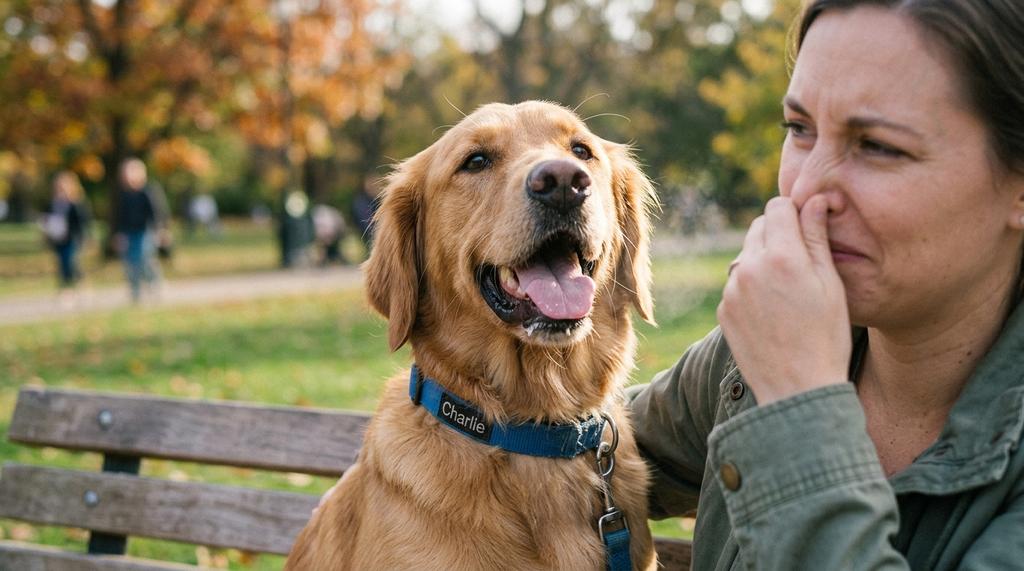
Dog breath has a way of making itself known. One minute your pup is leaning in for a sweet kiss, and the next minute you are leaning back wondering, “Why does my dog's breath smell so bad?” A little doggy breath after dinner can be normal, but strong, sour, fishy, or rotten-smelling breath is usually a sign that your pup's mouth needs a little more attention.
Most bad dog breath starts with what is happening around the teeth and gums. Food particles, saliva, and bacteria can collect along the gumline and turn into plaque. When plaque hangs around too long, it can harden into tartar, irritate the gums, and create that unpleasant odor that makes cuddle time less charming. The good news is that better breath often starts with better habits, and those habits can be easier when they feel fun for your dog.
That is where Woof can help. A fresh-breath routine does not have to feel like a chore, especially when you use enrichment your dog already loves. Doggy Dental Mix can be a tasty way to bring dental-minded variety into your dog's routine while keeping things rewarding, lickable, and fun.
The most common reason dogs have bad breath
The biggest reason dogs get bad breath is dental buildup. Dogs use their mouths all day long. They eat, chew, lick, play, carry toys, explore the yard, and occasionally investigate things every pet parent wishes they would leave alone. All of that activity gives bacteria plenty of opportunities to settle around the teeth and gums.
When plaque is soft, routine at-home care may help reduce buildup. But once plaque hardens into tartar, it becomes much harder to manage without veterinary dental care. That tartar can trap more bacteria, irritate the gums, and contribute to breath that smells sour, rotten, metallic, or just plain awful.
Some dogs are more prone to dental buildup than others. Small dogs, senior dogs, dogs with crowded teeth, and pups who are not getting regular oral care may develop odor faster. Still, any dog can have bad breath if their mouth is not getting enough attention.
What different dog breath smells can mean
Not all bad breath smells the same. The exact odor can sometimes give you a clue about what might be going on, although your veterinarian is the best person to diagnose the cause.
| Breath Smell | Possible Cause | What To Do |
|---|---|---|
| Stinky, sour, or rotten | Plaque, tartar, bacteria, gum irritation, or dental disease | Start improving oral care and schedule a vet check if it persists. |
| Fishy | Oral bacteria, something your dog ate, or licking around anal glands | Watch for repeat odor and check with your vet if it keeps happening. |
| Sweet, fruity, or like nail polish remover | Potential metabolic concern | Call your veterinarian promptly. |
| Urine-like or ammonia-like | Potential kidney or internal health concern | Contact your veterinarian promptly. |
| Suddenly much worse than normal | Dental pain, infection, foreign object, diet change, or illness | Do not ignore it, especially with behavior or appetite changes. |
Signs your dog's bad breath needs attention
Bad breath by itself is worth noticing, but it becomes more concerning when it shows up with other symptoms. Check your dog's mouth and behavior for clues.
- Yellow or brown buildup on the teeth
- Red, swollen, or bleeding gums
- Drooling more than usual
- Pawing at the mouth or rubbing the face
- Loose, broken, or missing teeth
- Chewing on one side of the mouth
- Dropping food while eating
- Avoiding hard treats or favorite chew toys
- Reduced appetite or sudden picky eating
- Swelling around the mouth, jaw, or face
- Vomiting, weight loss, or a major change in energy
If you notice any of these signs, your dog's breath may be more than a simple freshening issue. A vet visit can help catch problems early and keep your pup more comfortable.
Could your dog's food or habits be causing bad breath?
Yes. Diet and daily habits can absolutely affect the way your dog's breath smells. Dogs are curious snackers, and their definition of “delicious” is not always aligned with ours. Garbage, table scraps, mystery yard snacks, rich foods, or things they should not be chewing can all make breath worse.
Even normal food and treats can leave bits behind around the teeth and gums. That is one reason routine matters. Fresh water, regular meals, safe chewing, vet checkups, and dental-minded enrichment all work together to support a cleaner mouth environment.
For dogs who love a tasty routine, Doggy Dental Mix can make fresh-breath care feel more like a reward. It is designed for dog-friendly enrichment, which means your pup gets something fun and delicious while you get a simple way to build a more consistent routine.
How enrichment can support fresher breath habits
The best dog-care routine is the one your dog will actually participate in. If your pup runs from the toothbrush, clamps their mouth shut, or treats toothbrushing like a dramatic betrayal, you are not alone. Many dogs need a slower, more positive path into oral care.
Enrichment helps because it gives your dog something enjoyable to do. Instead of making dental care feel like an interruption, you can connect it to activities your pup already loves: licking, chewing, sniffing, and working for a tasty reward.
The Pupsicle is a favorite for turning treat time into focused, calming fun. Add a dental-minded option like Doggy Dental Mix, and you can make your dog's fresh-breath routine feel less like maintenance and more like enrichment.
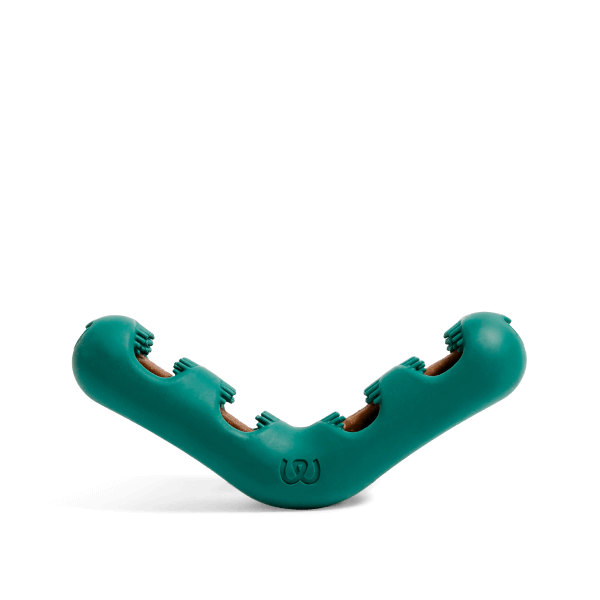
For dogs who love chewing, The Bite n' Brush is another smart Woof option to consider. It is designed to help turn chewing into a more brush-like experience. And just to keep things clear, Bite n' Brush Refills are edible dental chew treats that fit inside the Bite n' Brush toy. They are not replacement parts or brush pieces.
How to build a better-breath routine for your dog
You do not need to overhaul your dog's entire life in one day. Better breath starts with simple, repeatable habits that your pup can learn to accept and even enjoy.
Simple steps for fresher dog breath
Start with a weekly mouth check. You do not need to be a dental expert. Just look for yellow or brown buildup, red gums, swelling, bleeding, broken teeth, or anything unusual. Keep it relaxed and reward your dog for staying calm.
Introduce brushing slowly. Brushing is helpful when your dog allows it, but do not rush. Start with gentle mouth handling, then gradually introduce dog-safe toothpaste and a soft brush or finger brush.
Never use human toothpaste. Human toothpaste can contain ingredients that are unsafe for dogs. Always use products made specifically for pets.
Make water easy to access. Fresh water helps rinse the mouth and supports everyday wellness. Keep your dog's bowl clean and refilled.
Use safe chewing and licking routines. Licking and chewing are natural behaviors for dogs. Enrichment tools can keep your pup engaged while helping you build a more consistent care routine.
Stay current with vet checkups. Your vet can spot dental problems you may not see at home, especially issues below the gumline.
Which Woof product fits your dog's fresh-breath routine?
| Product | What It Does | Best For |
|---|---|---|
| Doggy Dental Mix | Adds tasty dental-minded enrichment to your dog's routine. | Dogs who love lickable rewards and pet parents who want an easy fresh-breath habit. |
| The Pupsicle | Turns treat time into calming, focused enrichment. | Dogs who benefit from longer-lasting licking and mental stimulation. |
| The Bite n' Brush | Helps turn chewing into a more brush-like experience. | Dogs who love to chew and need a more playful path into oral care. |
| Bite n' Brush Refills | Edible dental chew treats made to fit inside the Bite n' Brush toy. | Keeping dogs interested with a tasty chew during Bite n' Brush play. |
| The Ultimate Dental Pack | Bundles dental-focused Woof favorites into one easy routine. | Pet parents who want a simple, all-in fresh-breath setup. |
When should you call the vet about bad dog breath?
Call your veterinarian if your dog's bad breath is sudden, severe, persistent, or paired with other symptoms. This is especially important if you notice bleeding gums, loose teeth, swelling, pain, excessive drooling, appetite changes, vomiting, weight loss, or unusual thirst and urination.
Your vet can check for dental disease, infection, broken teeth, foreign objects, and health issues that cannot be fixed with treats or toys alone. Bad breath is common, but it should not be ignored when it keeps coming back or seems different from your dog's normal.
Dog breath FAQs
Why does my dog's breath smell rotten?
Rotten-smelling dog breath is often connected to bacteria, plaque, tartar, gum irritation, or dental disease. If the smell is strong or persistent, schedule a vet check to make sure there is not pain, infection, or a deeper dental issue.
Why does my dog's breath smell fishy?
Fishy breath can come from oral bacteria, something your dog ate, or licking around the anal gland area. If it happens often or comes with discomfort, scooting, swelling, or behavior changes, ask your vet for guidance.
Can dog treats fix bad breath?
Dog treats can support a better routine, but they do not replace brushing, veterinary dental care, or treatment for dental disease. Think of dental-minded treats and enrichment as helpful support between vet visits.
How can I make my dog's breath smell better?
Start with regular mouth checks, dog-safe brushing, fresh water, safe chewing, enrichment, and routine veterinary care. Woof options like Doggy Dental Mix, The Pupsicle, and The Bite n' Brush can help make fresh-breath habits easier to repeat.
Is bad breath normal for dogs?
A mild doggy smell can be normal, especially after eating. Strong, foul, sudden, or persistent bad breath is not something to ignore, especially if your dog also has red gums, drooling, appetite changes, or signs of pain.
Ready to freshen up your dog's routine?
Make better-breath habits feel like enrichment with Woof favorites your pup will actually look forward to.
Shop Doggy Dental MixShop The Ultimate Dental PackFresh breath starts with a routine your dog loves
So, why does your dog's breath smell? Usually, it comes down to bacteria, plaque, tartar, food particles, or daily habits that need a little extra support. Sometimes, bad breath can also be a sign that your dog needs veterinary care, especially when the odor is sudden, severe, or paired with other symptoms.
The smartest approach is simple: pay attention, keep up with vet checkups, and make at-home care fun enough that your dog wants to participate. With Woof, better-breath routines can be playful, rewarding, and easy to repeat. Start with a dental-focused favorite like Doggy Dental Mix, add enrichment tools your pup already loves, and turn oral care into one more reason for happy tails, closer cuddles, and fresher dog kisses.