






























Have you ever leaned in to give your pup a kiss — and quickly reconsidered once that unmistakable "dog breath" hit you? You're not alone. Many dog owners find themselves asking, “Why does my dog have bad breath?” It’s more than just a nuisance scent; lingering bad breath often signals underlying issues that deserve your attention.
In this post, we’ll walk you through the common culprits behind dog halitosis (bad breath), what it might mean for your dog’s health, and — most importantly — what you can do about it to help your furry friend breathe easier (and so can you).
What’s behind the stench? Common causes of bad dog breath
By far the most frequent offender is poor oral hygiene. Just like people, dogs accumulate plaque and tartar on their teeth over time — and without regular cleaning, bacteria flourish. That buildup often leads to inflammation, gum disease, or even periodontal disease, which can make your dog’s breath increasingly foul.
Beyond plaque and tartar, other dental problems may also contribute. Chipped or broken teeth, infections, or foreign objects stuck between teeth can all trigger a sharp, sudden shift in breath odor. In some cases, oral tumors or abscesses may be to blame.
Diet and eating habits play a role too. Dogs that consume soft, sticky foods — or that scavenge garbage, spoiled food, trash, or even waste — are more likely to develop foul breath. The food particles stuck in the mouth or swallowed can feed odor-producing bacteria.
Worse yet: sometimes bad breath is more than a dental issue. Underlying health problems like kidney disease, liver disease, diabetes, or digestive troubles can alter the scent of your dog’s breath. For example, ammonia-like breath may indicate kidney concerns, while sweet or fruity breath might point toward metabolic issues.
Why you shouldn’t ignore persistent bad breath
Sure, bad breath smells unpleasant, but when it persists — or suddenly becomes worse — it’s often a cry for help from your dog’s body. Dental disease can lead to pain, lost teeth, and infections. Those infections can spread, affecting other organs over time.
And if the underlying cause is systemic — like kidney or liver disease — it can have serious implications for your dog’s long-term health. In many cases, early detection and treatment improves outcomes dramatically. That’s why regular check-ups with your vet and paying attention to more than just the smell — like drooling, difficulty eating, swollen gums — matters.
How to help freshen your dog’s breath — and support their oral health
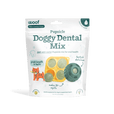
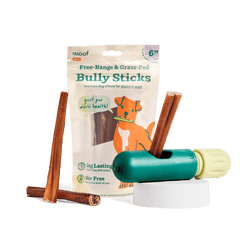
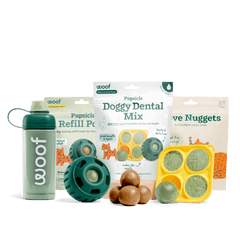
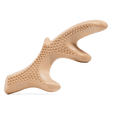
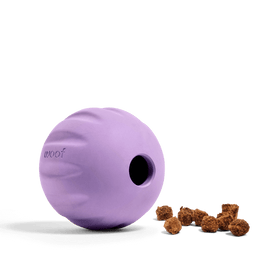
The good news: there are steps you can take at home and with your vet to help keep your dog’s breath fresh and their mouth healthy. If plaque and tartar are the culprit, regular brushing (with dog-safe toothpaste!) is one of the most effective tools. But brushing alone might not be enough — that’s where chew toys, dental-friendly chews, and enrichment toys come in to help naturally clean teeth and stimulate healthy chewing.
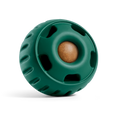
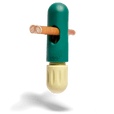
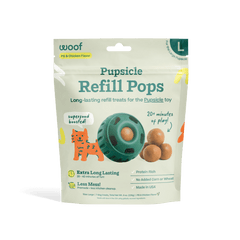
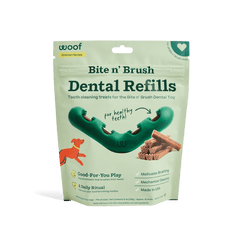
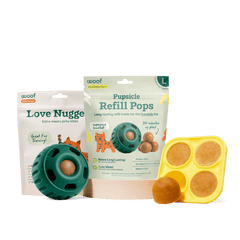
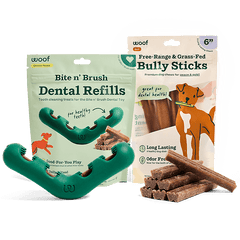
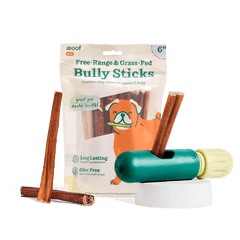
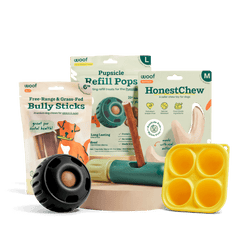
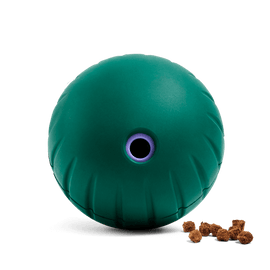
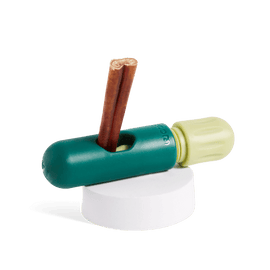
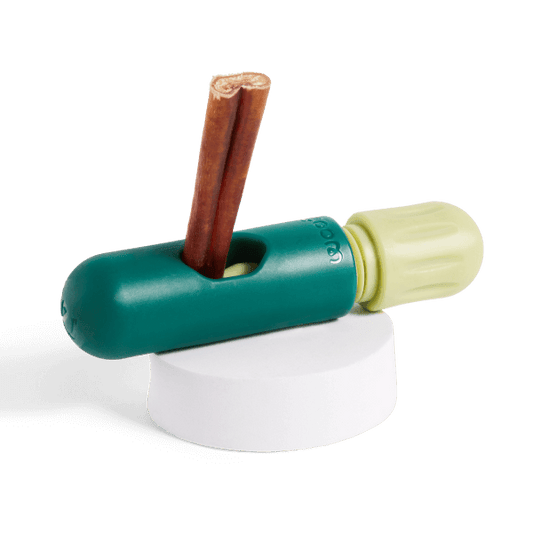
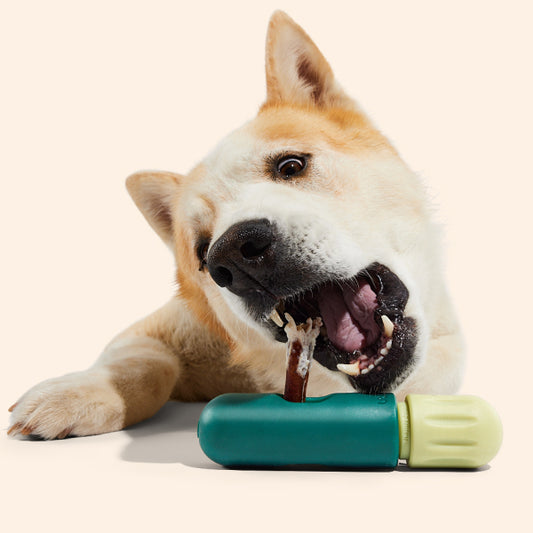
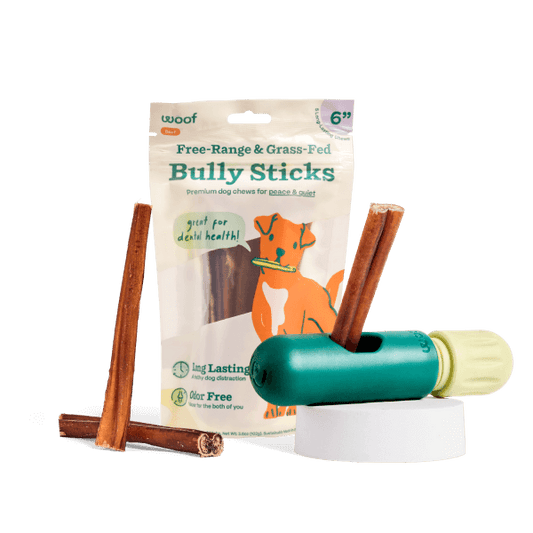
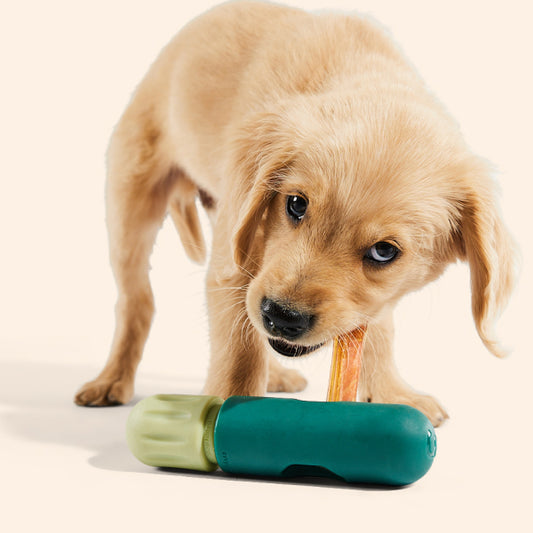
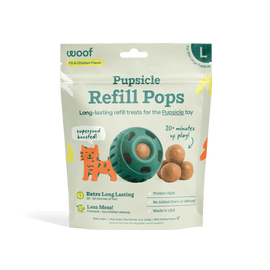
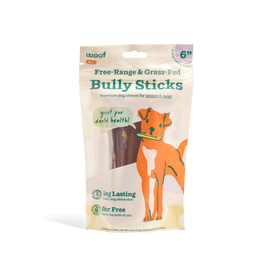
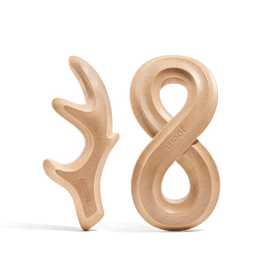
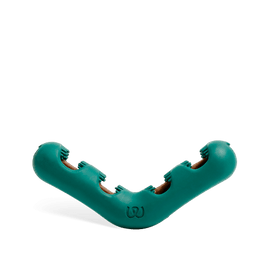
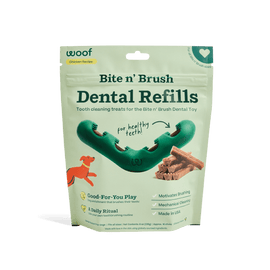
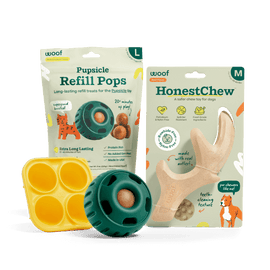
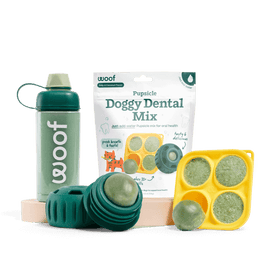
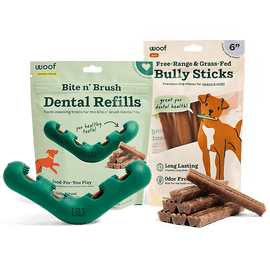
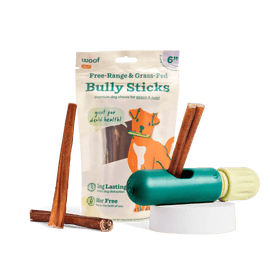
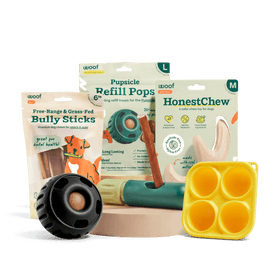
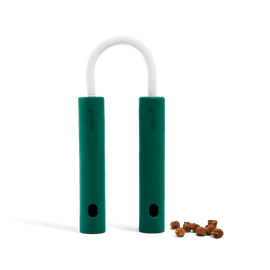
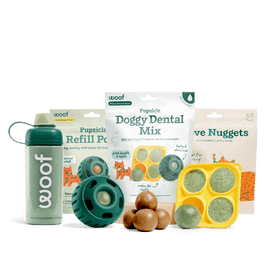
That’s why we created toys like The Bite n' Brush and chewables like HonestChew — designed to give your dog a fun, satisfying chewing experience while gently removing plaque buildup and discouraging tartar. For play that doubles as dental care, check out chew toys and interactive treat-dispensing options, too.
Also, keeping an eye on diet helps. Avoid feeding your dog too many soft, sticky treats that cling to teeth — instead, opt for harder, dental-friendly treats and toys that naturally encourage chewing, which scrapes away buildup. And if you notice sudden changes in breath odor — like ammonia, sweet, or unusually foul smells — don’t wait. Schedule a vet visit to rule out potential medical issues.
When to call the vet (and what to expect)
If your dog’s breath suddenly worsens or smells distinctly like urine, ammonia, or sweets — or if you notice swollen gums, bleeding, difficulty eating, drooling, or changes to appetite or energy — it’s time to consult your veterinarian. These could be signs of dental disease, systemic illness, or dental injury.
Your vet may recommend a professional dental cleaning (often under anesthesia), treatment for infections, dental X-rays, or tests for systemic conditions like kidney or liver disease. Early intervention is often easier, less painful, and less expensive than waiting until the problem worsens.
Fresh breath is part of total well-being — here’s how to support it
Bad breath in dogs shouldn’t be dismissed as “just the way dogs are.” Persistent halitosis is often a signal — from plaque buildup to deeper health problems. By combining regular oral care, smart chewing toys, good nutrition, and routine veterinary check-ups, you can help your pup maintain a healthy mouth, a happy temperament, and yes — breath that’s pleasant for cuddles and kisses.
If your dog loves to chew and play, check out the full collection of enrichment toys, chews, and dental-friendly treats at Woof’s All Products collection. Give your dog the gift of health, one chew at a time — because they deserve it.


