






































































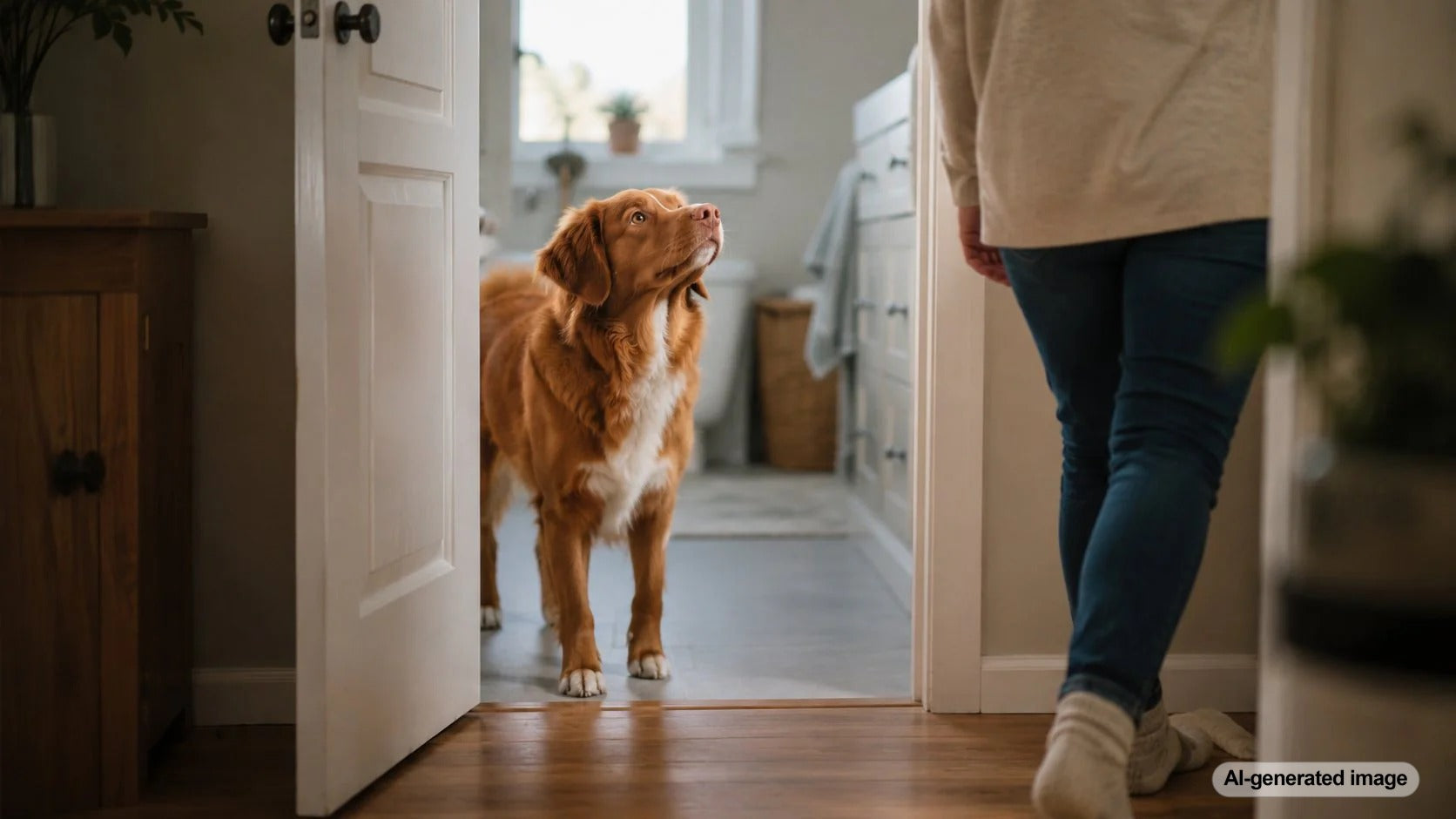
If your dog follows you from the kitchen to the bathroom to the laundry room like a tiny four-legged supervisor, you are not alone. Many dogs like to stay close to their favorite person because being near you feels safe, rewarding, and interesting. Sometimes it is simple companionship, sometimes it is curiosity, and sometimes it can be a clue that your dog needs more confidence, enrichment, or support when alone.
So, why does your dog follow you from room to room? Most of the time, it means your dog is bonded to you and has learned that you are the source of good things, like meals, walks, play, comfort, and attention. The key is learning the difference between a happy little shadow and a dog who feels stressed when you disappear.
Quick Answer: Why Does My Dog Follow Me From Room to Room?
Your dog may follow you because they enjoy your company, expect something fun, feel safer near you, are curious about what you are doing, or have learned that following you sometimes leads to treats, walks, play, or attention. If your dog can relax when you leave, the behavior is usually normal. If your dog panics, barks nonstop, destroys things, has accidents, or seems unable to settle when separated from you, it may be time to talk with your veterinarian or a qualified trainer.
1. Your Dog Is Social, And You Are Their Favorite Person
Dogs are social animals, and many were bred to work closely with humans. Some dogs naturally want to know where their people are, especially if they are used to spending most of the day nearby. For these pups, following you is not a dramatic statement. It is more like saying, "Where are we going next?"
This can look extra intense in dogs who are very people-oriented. A herding dog may trail you with laser focus. A small companion breed may want to be in your lap the second you sit down. A rescue dog may keep tabs on you while they are still learning that your home is safe and predictable.
2. Your Dog Has Learned That Following You Pays Off
Dogs are brilliant pattern-watchers. If you open the fridge, grab the leash, fill the treat jar, or walk toward the back door, your dog may follow because history says something exciting could happen. Even small rewards can build the habit. A quick scratch behind the ears, a bite of dropped carrot, or a cheerful "Hi, buddy" can make following you feel worthwhile.
This does not mean you caused a problem. It simply means your dog is good at noticing routines. If the following is harmless and your dog can relax when needed, you can enjoy the devotion. If it starts to feel constant, you can begin rewarding calm independence too.
3. They May Be Bored And Looking For The Next Activity
A dog who trails you all day may be asking, in their own way, "What are we doing now?" This is especially common when dogs have had plenty of rest but not enough mental stimulation. You may notice it more on rainy days, during busy work-from-home stretches, or when walks are shorter than usual.
Instead of waiting for your dog to invent their own entertainment, try giving them a job before the shadowing ramps up. A stuffed toy, chew session, training game, or slow licking activity can help redirect that need to follow into something more satisfying.
For dogs who need a calm activity while you cook, answer emails, or move around the house, The Pupsicle can be a helpful enrichment tool because it gives your dog a longer-lasting treat experience that keeps them happily engaged in one spot. Use it as part of a supervised routine, especially while your dog is learning to settle away from your feet.
4. Following Can Be A Comfort Habit
Some dogs follow because closeness helps them feel secure. This may be more noticeable after a move, a schedule change, a new baby, a new pet, loud construction, storms, or time away from the family. Puppies may shadow you because the world is still new. Senior dogs may follow more if their hearing, vision, mobility, or confidence changes.
Comfort-following is not automatically a problem, but it deserves attention if it appears suddenly. A dog who never followed you before and suddenly cannot let you out of sight may be uncomfortable, confused, in pain, or stressed. If the behavior comes with appetite changes, limping, vomiting, diarrhea, excessive panting, pacing, accidents, hiding, or other major changes, check with your veterinarian.
5. Velcro Dog Or Separation Stress?
A "velcro dog" loves being near you. A dog with separation-related stress struggles when they cannot be near you. That difference matters because the right response is not the same.
Your dog may simply be attached if they:
- Follow you happily but can nap when you leave the room.
- Enjoy a chew, lick mat, or puzzle without needing you right beside them.
- Settle after a few minutes when you are busy.
- Show relaxed body language, such as soft eyes, loose movement, and normal eating.
Your dog may need extra support if they:
- Panic, bark, howl, or whine when separated from you.
- Destroy doors, crates, blinds, or exit areas when alone.
- Have accidents only when left alone.
- Pace, drool, tremble, or refuse food when you prepare to leave.
- Seem unable to recover after you return.
If you see the second group of signs, avoid punishing the behavior. Your dog is not being spiteful. They may be distressed. Ask your veterinarian or a qualified behavior professional for guidance, especially if the signs are intense or worsening.
How To Help Your Dog Feel More Comfortable Away From You
Start small. Instead of expecting your dog to stay alone for an hour, practice tiny moments of independence throughout the day. Step behind a baby gate for a few seconds. Toss a treat onto a mat while you walk across the room. Reward your dog for resting while you fold laundry nearby. The goal is to make distance feel normal, not scary.
Create a cozy "settle spot" where good things happen. This could be a bed, crate with the door open, mat, or quiet corner. Add a safe chew, a favorite blanket, or a calming licking activity. Keep sessions short at first so your dog succeeds before they get worried.
A licking routine can be especially useful because many dogs find repetitive licking soothing and engaging. The FlipMat works well for this kind of practice because it can be used as a lick mat or slow feeder, giving your dog a focused activity while you move around nearby.
Helpful tip: Practice independence when your dog is already calm, not only when you are rushing out the door. If every alone-time exercise happens during a stressful goodbye, your dog may learn that the routine predicts separation. Mix in easy practice moments while you are home.
Common Mistakes Dog Parents Make
One common mistake is assuming all following means anxiety. Some dogs are just nosy, affectionate, or hopeful that snacks are involved. Another mistake is accidentally rewarding frantic following but ignoring calm resting. If your dog lies on their bed while you walk into another room, quietly reward that choice.
It can also be tempting to suddenly shut your dog away to "make them independent." For sensitive dogs, that can backfire. Build confidence gradually. Let your dog learn that distance is safe, you come back, and relaxing in their own spot can be rewarding.
When To Ask For Help
Talk with your veterinarian if the following starts suddenly, seems connected to pain or illness, or comes with changes in appetite, bathroom habits, mobility, sleep, or mood. For behavior concerns like panic when alone, destruction, nonstop barking, or escape attempts, a qualified positive-reinforcement trainer or veterinary behavior professional can help you create a safe plan.
Safety note: Enrichment toys, chews, and treat routines should match your dog's size, chewing style, and dietary needs. Supervise new activities, remove damaged items, and check with your vet if your dog has food sensitivities, dental concerns, or a medical condition.
Dog Parent FAQs
Is it bad that my dog follows me everywhere?
Not necessarily. If your dog is relaxed, happy, and able to settle when you are not available, following you is usually a normal sign of attachment and curiosity.
Does following me mean my dog has separation anxiety?
No. A dog can be very attached without having separation anxiety. The concern is distress when separated, such as panic, destruction, accidents, or nonstop vocalizing when alone.
Why does my dog follow me to the bathroom?
Your dog may simply want to stay close, keep track of you, or avoid missing anything interesting. Dogs do not understand privacy the way humans do, so to them, the bathroom is just another room where their favorite person went.
How can I teach my dog to stop following me constantly?
Reward calm independence in tiny steps. Practice short separations, create a comfortable settle spot, offer safe enrichment, and avoid making departures dramatic. If your dog seems distressed, get professional guidance.
The Bottom Line On Your Four-Legged Shadow
When your dog follows you from room to room, they are often saying you matter to them. The behavior can be sweet, normal, and even funny, as long as your dog can also relax without you right beside them. With a little enrichment, calm practice, and attention to stress signals, you can help your dog feel secure whether they are curled at your feet or happily settled in their own favorite spot.


