











































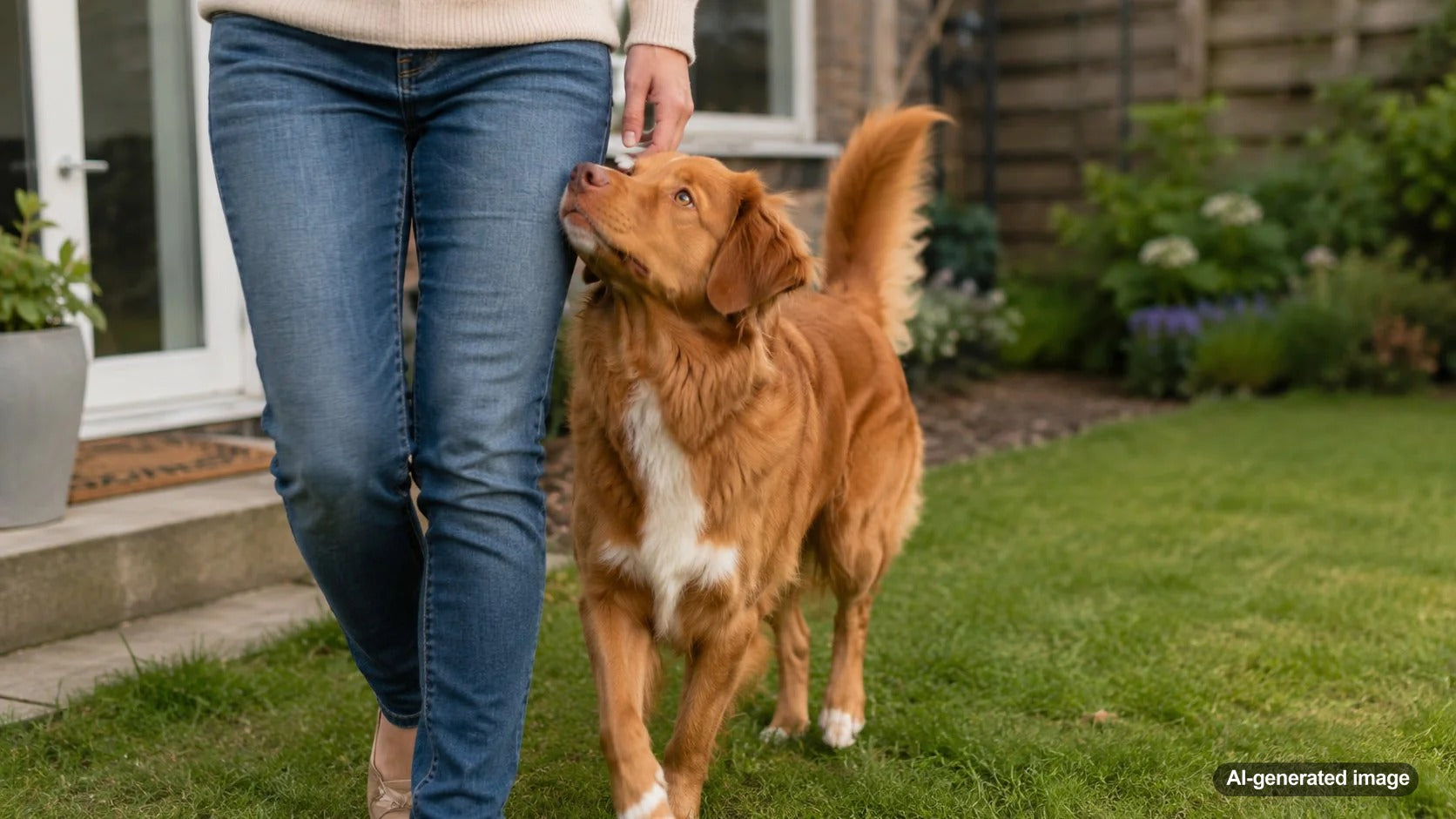
If your dog follows you from the kitchen to the couch, from the couch to the bathroom, and then stares at you like you are about to announce the next great adventure, you are not alone. Many dogs shadow their people because they feel bonded, curious, hopeful, bored, or unsure what happens next. The trick is learning whether your dog is being sweet and social, asking for something specific, or showing signs that they need more confidence when you are not right beside them.
Following is often normal dog behavior. Dogs are social animals, and for many pups, being near their favorite person is the best part of the day. Still, constant shadowing can become stressful for both of you if your dog cannot relax, nap, chew, eat, or settle unless you are within reach.
Quick answer: Your dog may follow you everywhere because they love being close to you, expect food or attention, are watching your routine, need something, feel bored, or feel anxious when separated. Occasional shadowing is usually normal. Sudden clinginess, panic when left alone, appetite changes, pain signs, or destructive distress are reasons to check in with your veterinarian or a qualified trainer.
Why Dogs Become Little Furry Shadows
Some dogs follow because closeness has always paid off. If you drop snacks in the kitchen, invite them onto the couch, talk to them every time they enter the room, or reach down for a quick scratch whenever they appear, they learn that following you is a pretty smart life strategy.
Other dogs follow because your movement predicts something important. Shoes may mean a walk. A cabinet may mean treats. A laptop closing may mean dinner. Dogs are expert pattern readers, and many are better at tracking your routine than you realize.
Breed tendencies and personality can matter too. Herding, sporting, working, and companion breeds may be especially people-focused, but any dog can become a Velcro dog. Puppies often follow because they are learning the household. Senior dogs may follow more if their hearing, vision, comfort, or confidence changes. A newly adopted dog may shadow you because they are still figuring out safety, rules, and where they belong.
Normal Following vs. Separation Stress
There is a difference between a dog who likes your company and a dog who panics when you leave. A normal Velcro dog may trail behind you, nap nearby, and perk up when you move, but can still chew a toy, eat a treat, or rest in another room.
A dog with separation-related distress may bark, howl, pace, drool, scratch doors, chew exit points, have accidents indoors, refuse food, or seem frantic when left alone. Some dogs show stress even before you leave because they recognize cues like keys, shoes, or a work bag.
| Likely normal | Worth watching |
|---|---|
| Your dog follows you but settles when nothing exciting happens. | Your dog cannot relax unless touching you or staring at you. |
| Your dog takes treats, chews, or naps when you step away. | Your dog refuses food or enrichment when separated. |
| Your dog checks on you, then goes back to resting. | Your dog barks, paws, pants, drools, or destroys things when alone. |
| The behavior has been steady and predictable. | The clinginess appears suddenly or comes with physical changes. |
What Your Dog Might Be Trying To Tell You
Before assuming your dog is being dramatic, run through the practical possibilities. Do they need a potty break? Did dinner time pass? Is their water bowl empty? Are they under-exercised after a rainy day? Have they had a sudden routine change, houseguest, move, new pet, or schedule shift?
Dogs also follow when they are bored. A dog who has had plenty of sleep but little mental work may trail you because you are the most interesting thing in the house. This can look like nose nudges, staring, pawing, stealing socks, or walking directly in your path like a fuzzy speed bump.
Health can be part of the picture, especially if the behavior is new. Pain, stomach upset, sensory changes, cognitive changes in older dogs, or general discomfort can make some dogs seek extra reassurance. If clinginess arrives suddenly or comes with limping, vomiting, diarrhea, panting, trembling, appetite changes, excessive drooling, confusion, or unusual hiding, contact your veterinarian.
How To Help A Clingy Dog Build Confidence
The goal is not to make your dog stop loving you. The goal is to teach them that being near you is nice, but being calmly independent is safe too.
- Reward calm distance. When your dog lies on a bed across the room, quietly praise or drop a small treat without turning it into a party.
- Create a predictable settle spot. Use a mat, bed, crate, or cozy corner where good things happen.
- Practice tiny departures. Step behind a baby gate or into another room for a few seconds, then return before your dog gets upset.
- Make alone time low pressure. Do not save every exciting toy only for long absences. Let your dog enjoy independent activities while you are home too.
- Avoid scolding shadowing. Punishment can make an unsure dog more worried. Calm redirection works better.
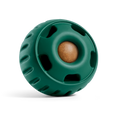
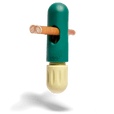
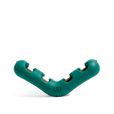
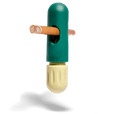
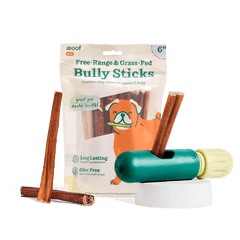
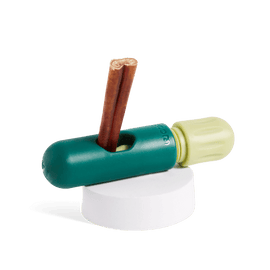
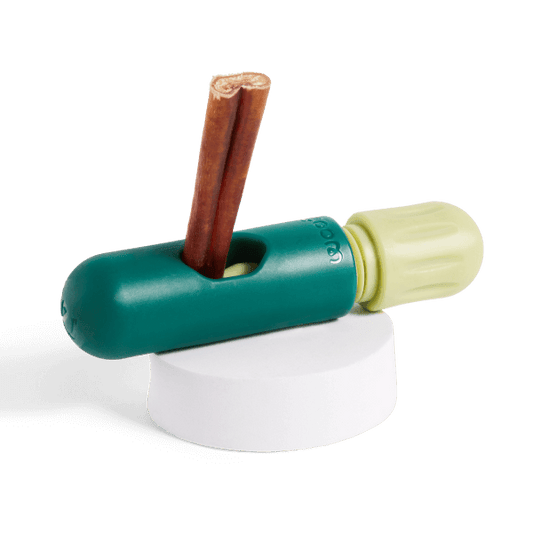
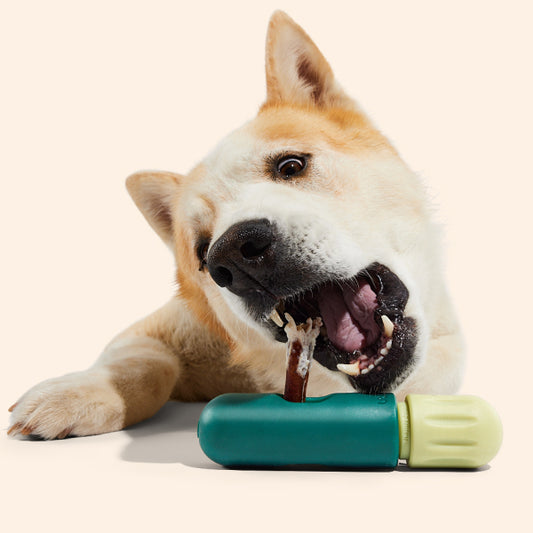
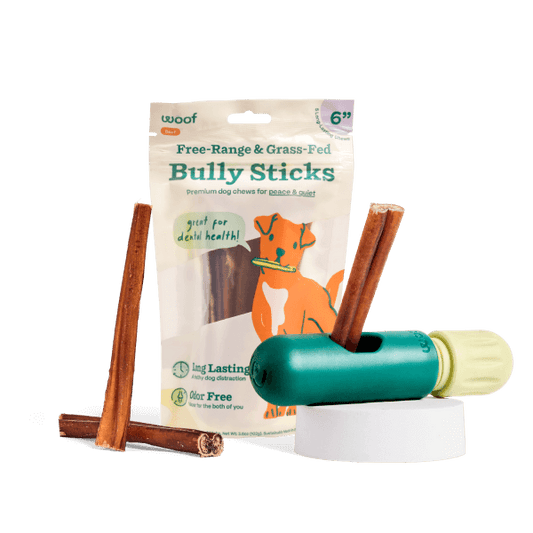
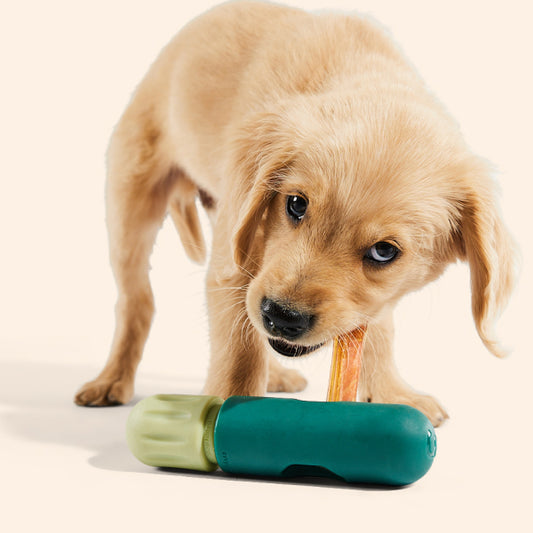
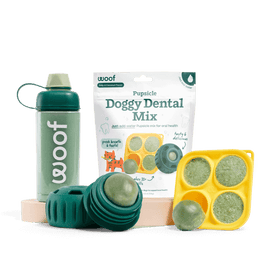
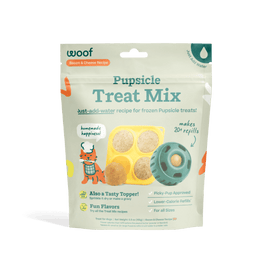
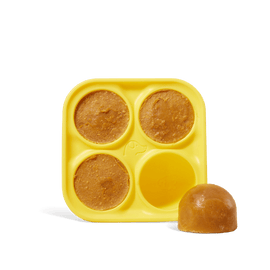
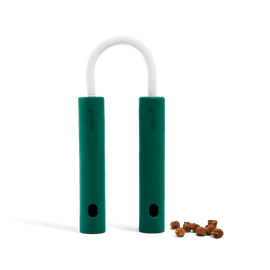
For dogs who follow because they are bored, add daily enrichment that gives their brain a job. A long-lasting treat toy like The Pupsicle can be a helpful part of a settle routine because it gives your dog something rewarding to focus on while you cook, answer emails, or sit nearby without constant interaction.
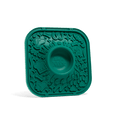
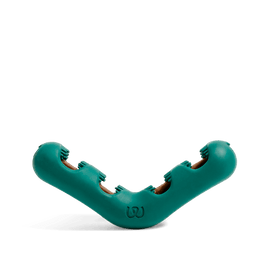
If your dog relaxes through licking, a slow enrichment setup like the FlipMat may support a calmer routine. Try using it when you are still in the room at first. Over time, your dog can learn that their own station is a good place to hang out, not a punishment or a sign that you are leaving forever.
Common Mistakes Dog Parents Make
Mistake 1: Waiting until you leave to offer enrichment. If your dog only sees a special toy when you walk out the door, it can become part of the goodbye alarm. Use calming activities during ordinary moments too.
Mistake 2: Going too fast. A dog who panics after ten seconds alone is not ready for ten minutes. Build gradually.
Mistake 3: Ignoring sudden behavior changes. A dog who becomes clingy overnight may not simply be needy. They may be uncomfortable, stressed, or unwell.
A Simple Daily Routine To Try
Start with one easy independence practice each day. After a walk or play session, guide your dog to their bed with a safe chew, lick mat, puzzle, or stuffed treat toy. Stay nearby, but avoid constant eye contact and conversation. Let them discover that relaxing without your full attention still feels good.
Once that is easy, add small movements. Stand up, sit down, walk to the counter, return, and keep the mood boring. Your dog learns that your movement does not always predict leaving, snacks, or excitement. For sensitive dogs, these tiny repetitions matter more than one big training session.
Helpful tip: If your dog follows you most during certain moments, like morning routines or pre-dinner pacing, build enrichment around that pattern. A dog who shadows while you cook may need a kitchen-safe settle spot. A dog who shadows before work may need calmer, shorter goodbye cues.
When To Ask For Help
Ask your veterinarian if the following is sudden, intense, or paired with physical symptoms. Ask a qualified positive-reinforcement trainer or veterinary behavior professional if your dog panics when alone, damages doors or crates, cannot eat when separated, or seems distressed by normal household movement.
Support should be kind, gradual, and realistic. Some dogs simply need more enrichment and clearer routines. Others need a structured behavior plan. Either way, your dog is not trying to be difficult. They are communicating with the tools they have.
Dog Parent FAQs
Is it bad that my dog follows me to the bathroom?
Usually, no. Many dogs follow because they are curious, attached, or used to going wherever you go. It becomes a concern if your dog seems panicked, cannot settle, or shows distress when blocked from following.
Will giving my dog enrichment make them stop following me?
Enrichment may help, especially if boredom or habit is part of the behavior. It is not an instant fix, but it can give your dog a healthy job to do while they practice relaxing independently.
Why did my senior dog suddenly become clingy?
Senior dogs may become clingier because of discomfort, vision or hearing changes, cognitive changes, or stress. If the change is new or noticeable, check with your veterinarian.
Should I ignore my dog when they follow me?
You do not need to be cold or harsh. Instead, calmly reward independent settling, give your dog appropriate activities, and avoid accidentally making every shadowing moment exciting.
The Bottom Line
Your dog may follow you everywhere because you are their favorite person, their routine anchor, their snack connection, or their safe place. Most shadowing is normal, but it is worth paying attention to intensity, sudden changes, and how your dog handles being apart from you. With gentle practice, predictable routines, and the right enrichment, many dogs can stay deeply bonded while also learning that a little space is safe.


