




























































Nighttime barking has a special way of turning a peaceful house into a mystery movie starring your dog as the tiny furry detective. One minute, everyone is settling in, and the next, your pup is staring into the hallway, woofing at what appears to be absolutely nothing. The good news is that your dog probably is not being dramatic just to steal your pillow, and with a little understanding, routine, and smart enrichment, you can help make evenings feel calmer for the whole pack.
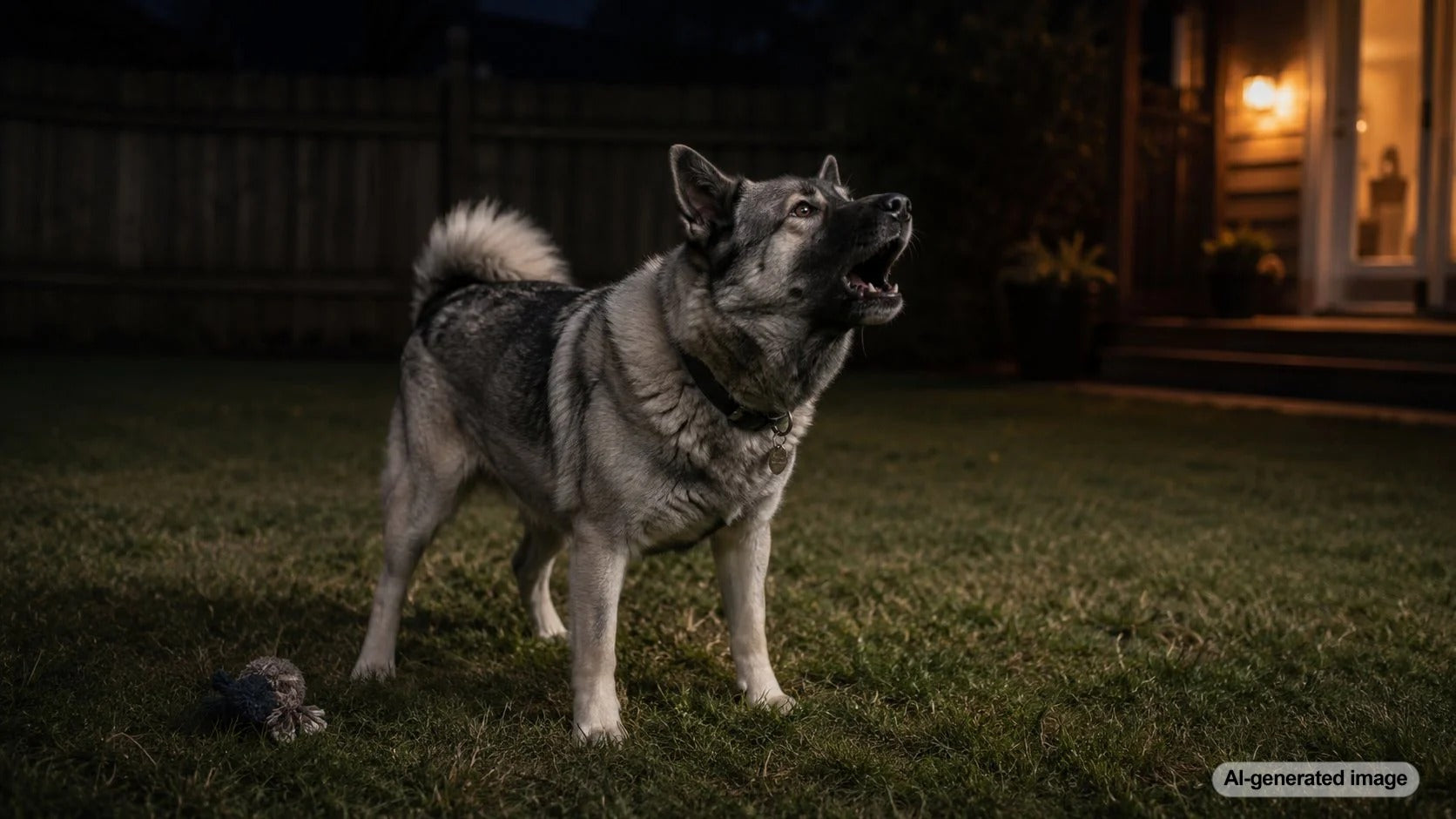
So, why does my dog bark at nothing at night? Usually, the answer is that your dog is barking at something you simply cannot hear, smell, or see. Dogs experience the world through powerful senses, and the quiet of nighttime can make tiny sounds, faint scents, shifting shadows, and neighborhood movement feel much more noticeable. A car door down the street, a critter in the yard, a creaky pipe, or even a breeze moving branches near the window can all seem like official bark-worthy business.
Your Dog's Night Shift Starts When Yours Ends
Many dogs are naturally alert when the house gets quiet. During the day, there is traffic, conversation, music, meal prep, footsteps, delivery trucks, and all the normal noise of life. At night, those sounds fade, which means one tiny bump can stand out like a drumroll. Your dog may bark because they believe they are doing an important job: alerting you, protecting the home, or checking in with their favorite human.
This is especially common for dogs who are sensitive, protective, easily startled, or very bonded to their people. To them, barking is communication. They may be saying, "Did you hear that?" or "I am on it!" The goal is not to scold the instinct out of them. The goal is to help them feel safe, settled, and redirected before barking becomes the nightly routine.
Common Reasons Dogs Bark at "Nothing" After Dark
One big reason is sound. Dogs can pick up noises that people miss, including distant animals, footsteps outside, high-pitched sounds, or movement in walls and ceilings. Another reason is scent. A passing raccoon, neighborhood cat, or unfamiliar outdoor smell may drift close enough for your dog to notice long before you do.
Night barking can also come from boredom or leftover energy. If your dog spent the day waiting around, they may hit bedtime with a full battery and no job to do. Anxiety can play a role, too. Changes in schedule, being separated from family members, storms, unfamiliar guests, or even a new sleeping arrangement may make a dog more vocal. For senior dogs, sudden nighttime barking can sometimes be connected to discomfort, confusion, vision changes, hearing changes, or other age-related issues, so a new or intense barking pattern is always worth discussing with your vet.
What Not to Do When the Midnight Bark Alarm Goes Off
It is tempting to shout, "Stop barking!" from bed, but your dog may hear that as you joining the alarm. Big reactions can make the moment feel more exciting, more stressful, or more rewarding. Instead, stay calm. Check quickly if needed, use a consistent cue, and redirect your dog toward a quiet behavior.
Try not to turn every bark into a full production. If your dog learns that barking gets lights on, a long conversation, snacks, and a hallway adventure, they may decide that barking is a fantastic nighttime hobby. Keep your response calm, predictable, and boring, then reward quiet settling when it happens.
Create a Calming Bedtime Routine
Dogs love patterns. A consistent evening routine can help tell your pup, "The day is ending, and it is time to relax." Start with a final potty break, a few minutes of calm connection, and a quiet enrichment activity that encourages licking, chewing, sniffing, or problem-solving. These natural behaviors can help dogs decompress after a busy day.
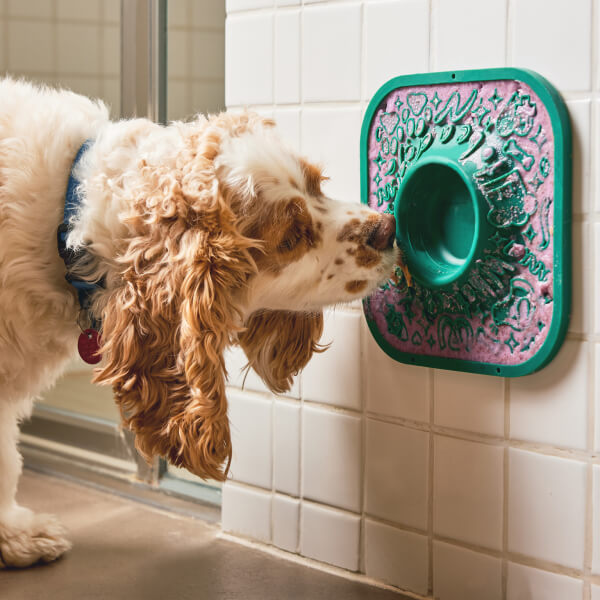
A soothing lick session with The LickMat or the dual-sided FlipMat can be a great pre-bedtime ritual because licking gives your dog something focused and repetitive to do. Pair it with Calming LickMix or Calming Support LickWells to turn those last few minutes before lights out into a more peaceful wind-down moment.
Use Enrichment to Empty the Mental Tank
A tired brain often makes a quieter dog. Physical exercise matters, but mental enrichment is a major piece of the nighttime barking puzzle. Puzzle toys, slow feeders, licking activities, training games, and long-lasting treat play can help give your dog a satisfying outlet before bedtime.
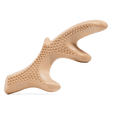
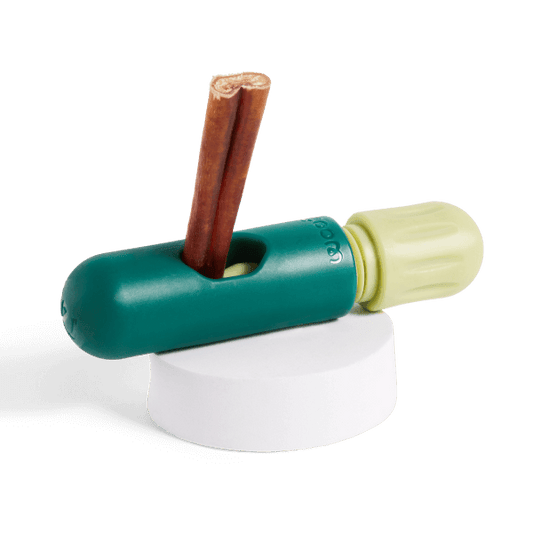
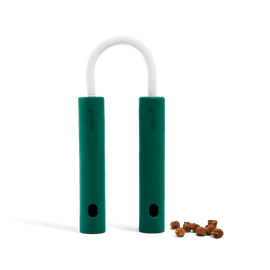
For dogs who bark because they are bored, restless, or looking for attention, The Pupsicle can help turn evening energy into a longer-lasting, rewarding activity. Add Pupsicle Pops for easy enrichment, or use the Pupsicle Treat Tray to prep homemade treats that fit your dog's routine. If your pup prefers chewing as their way to settle, HonestChew can help keep jaws busy in a safer, more satisfying way.
Make the Sleep Space Feel Safe
Sometimes, barking happens because a dog does not feel fully settled in their sleep area. Try reducing window access if your dog is reacting to outdoor movement. Close curtains, use a fan or white noise, and make the room cozy. Some dogs relax better in a crate, while others prefer a bed near their people. The best setup is the one that helps your dog feel secure without giving them a front-row seat to every shadow outside.
If your dog barks at hallway noises, consider moving their bed away from the most stimulating part of the home. If outdoor sounds are the issue, a quieter room may help. Small changes can make a big difference, especially when paired with a consistent bedtime routine and calming enrichment.
When Night Barking Needs Extra Attention
Occasional barking is normal, but sudden, intense, or unusual nighttime barking deserves a closer look. Call your vet if your dog seems confused, painful, restless, disoriented, or unable to settle. This is especially important for senior dogs or dogs with a major behavior change. Barking is information, and sometimes your dog is telling you they need support.
If the barking seems behavior-based, track patterns for a week. Note the time, location, possible triggers, daytime exercise, meals, naps, and what helped your dog settle. Patterns can reveal whether your pup is reacting to wildlife, feeling under-stimulated, seeking attention, or struggling with separation from you at bedtime.
A Quieter Night Starts Before Bedtime
The secret to calmer nights is not one magic command. It is a mix of empathy, routine, enrichment, and smart management. Your dog is not barking at nothing to be difficult. They are responding to their world, asking for reassurance, or looking for something to do with all that wonderful dog energy.
Build a nighttime ritual your pup can count on: potty break, calm voice, cozy sleep space, and a satisfying enrichment activity from Woof. Whether your dog loves licking, chewing, puzzling, or long-lasting treat play, products like the LickMat Starter Pack, The Pupsicle Starter Pack, and The Ultimate Distraction Pack can help turn restless evenings into happier, quieter routines. Sweet dreams, fewer mystery barks, and one very satisfied pup? That is a bedtime win.