


















































Have you ever called your dog’s name—and instead of trotting over happily, they bark at you? It’s confusing and can feel downright frustrating. You might wonder, “Why does my dog bark at me when I call him?” Let’s dig into the “why” behind that behavior, and how you can shift it into calm connection.
First, let’s be clear: barking isn’t bad. It’s how dogs communicate. But when your pup greets your call with a bark, it usually signals something is off in how he’s interpreting your cue, how he’s feeling emotionally, or how training has been reinforced. The good news? With awareness, consistency, and a sprinkle of compassionate training, you can guide your dog toward responding with wagging tail instead of vocal protest.
What motivates that barking response?
When you call your pup and get a bark back, there are a few common reasons behind it. Here are some possibilities—and insights you can use to tune into what *your* dog might be telling you:
- Attention-seeking or excitement: Your dog might bark because he’s pumped to see you, or he’s learned that barking gets you to react (even if negatively). That reaction is still attention. Over time, your pup may bark first just in case it triggers something from you.
- Anxiety or uncertainty: If your dog isn’t confident in what’s expected, they might bark as a kind of protest or “I don’t know what you want of me” response.
- Past reinforcement: If, in the past, you’ve responded (positively or negatively) when he barked, you may have inadvertently reinforced the behavior. Even yelling “Quiet!” can be rewarding if it makes your dog feel heard.
- Territorial or guarding mindsets: In some cases calling your dog may shift their internal “guard” mode. They may see your call as an odd stimulus or disruption to their environment.
- Confusing or inconsistent cues: If “come” or your call cue hasn’t always reliably led to reward, your dog may respond unpredictably (like barking) instead of obeying.
How to help your dog shift from barking to calm response
Here’s a friendly, step-by-step path you can walk with your dog to change the dynamic:
1. Reinforce quiet, calm responses
Every time you call him and he comes without barking (or after a brief moment of calm), reward him generously—treats, praise, a scratch behind the ears. This helps your dog make the connection: quiet = good things.
2. Practice “call & reward” drills
In low-distraction settings, call your dog’s name, wait a beat, and reward the moment he approaches quietly. Repeat. Gradually build toward more challenging settings (more people, more noise). Consistency is key.
3. Ignore or redirect unwanted barking
If he barks instead of coming, don’t scold or repeat the cue immediately. Wait until he’s silent or calmer, then call again (or use a release word) and reward when he comes. Redirect his energy instead of engaging the barking.
4. Use incompatible alternatives
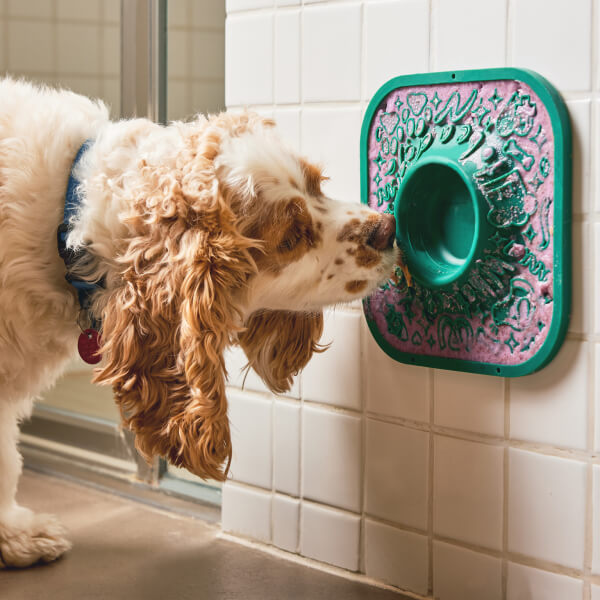
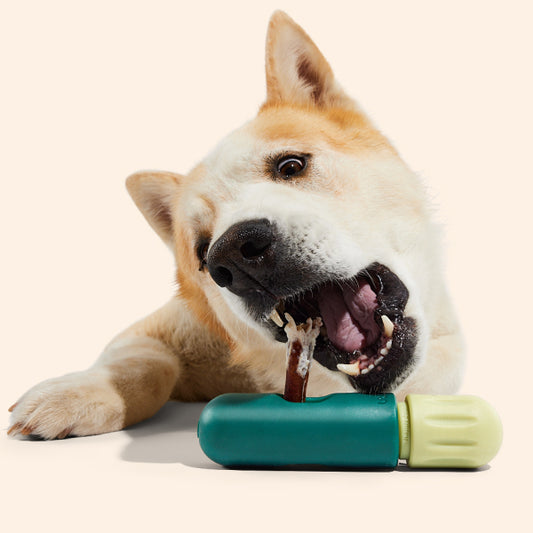
Give your dog something he can do instead of barking—like going to a mat, chewing on a chew, or engaging with a mental toy like a lick surface. When he’s chewing, he can’t bark. Redirect your energy into structured, desirable behavior.
5. Keep cues consistent and clear
Decide on one call cue (for example, your dog’s name + “come”) and use it the same way every time. Avoid using that cue when you’re annoyed or under stress—train it in calm, positive moments to build trust and clarity.
How Woof can help support calmer communication
As you build training habits, having reliable tools on hand can make a big difference. For example, when calling your dog, provide an appealing outlet so he’s less tempted to bark:
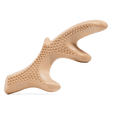
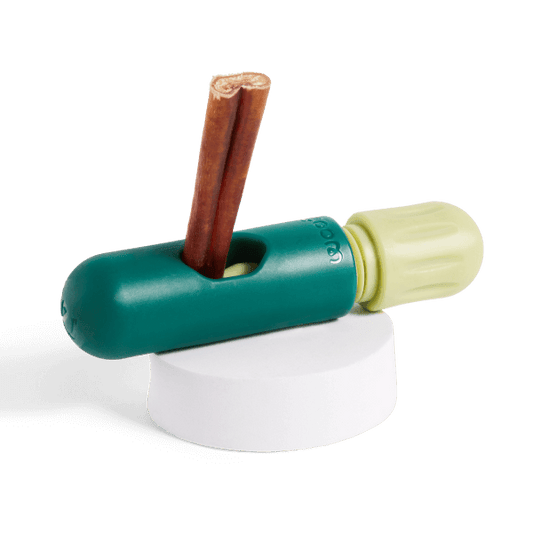
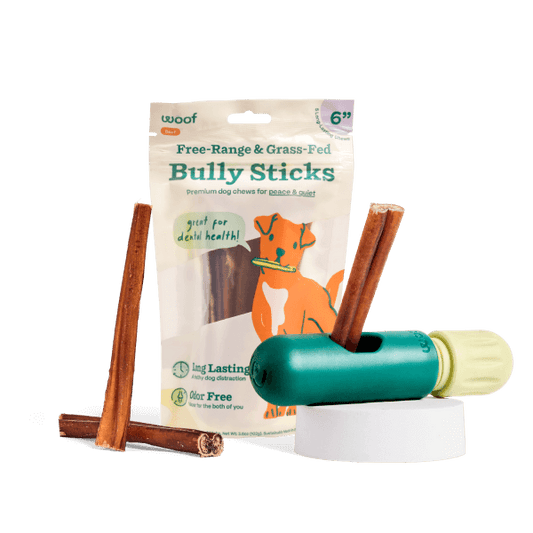
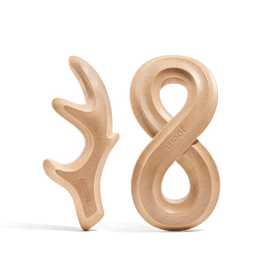
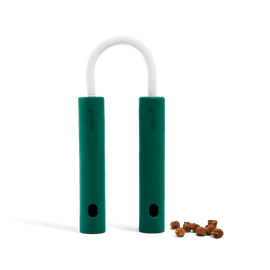
- HonestChew — a durable chew your dog can engage with while practicing calm behavior.
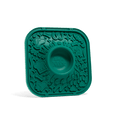
- The LickMat — a soothing distraction that redirects energy and encourages focus.
- LickMat Starter Pack — try multiple textures and styles to find what your pup loves.
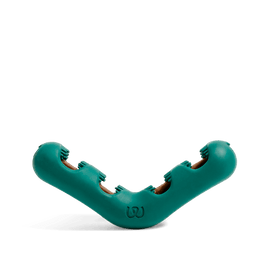
- Safer Play Starter Pack — structured play options that channel energy in ways that don’t reinforce barking.
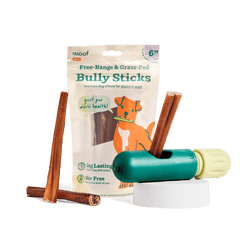
- Ultimate Power Chewer Pack — a kit that keeps strong chewers happily engaged without resorting to vocal protests.
Using these tools thoughtfully during training sessions gives your dog engaging alternatives to barking and reinforces calmer responses.
When to get help if barking persists
If your dog’s barking when you call him is intense, persistent, or accompanied by signs of fear, reactivity, or stress—reach out to a certified dog behaviorist. Sometimes underlying anxiety or trauma needs a tailored approach. A professional can help you develop a plan that’s kind, effective, and sustainable.
Final thought: turn barking into better communication
Answering the question, “Why does my dog bark at me when I call him?” takes patience, insight, and consistent training. But in that journey lies growth—for both of you. Every time you call your dog, you’re inviting connection. With clear cues, calm reinforcement, and the right tools (like HonestChew, LickMat, and more from Woof), you can shift the response from bark to joy.
Start small, stay consistent, and celebrate every moment your dog comes quietly. That wagging tail you love is well worth the effort.