

























































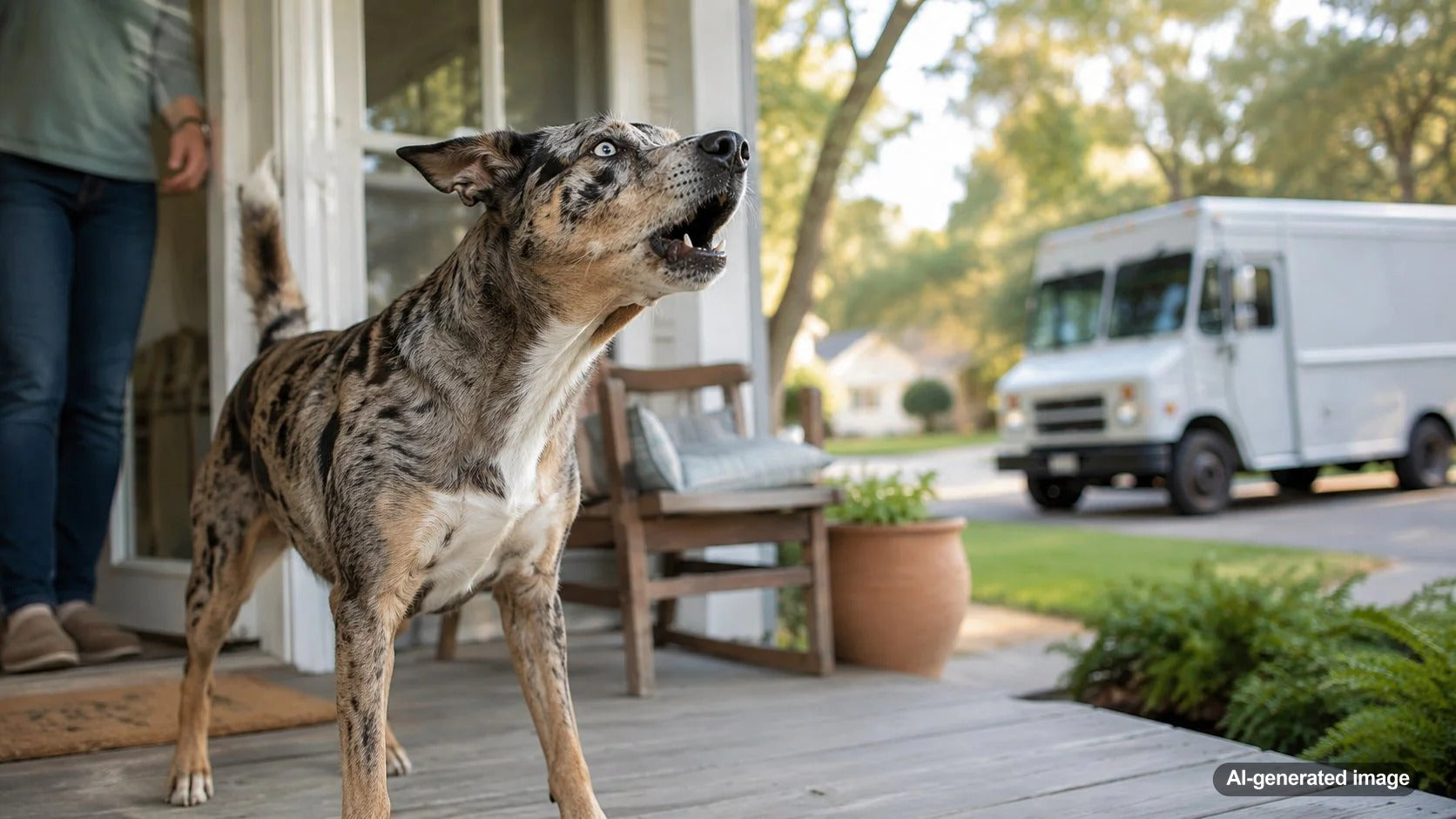
If your dog hears the low rumble of a delivery truck and immediately launches into window patrol, you are not alone. Delivery trucks are loud, predictable, and connected to one very exciting event: a stranger coming close to your home. For many dogs, barking feels like their job, their alarm system, and their victory lap all rolled into one noisy moment.
So, why does your dog bark at delivery trucks? Most often, it is a mix of alert barking, territorial behavior, sound sensitivity, excitement, and habit. Your dog notices the truck, sees or hears a person approach, barks, and then the truck leaves. From your dog's point of view, the barking worked.
Why Delivery Trucks Are Such Big Bark Triggers
Delivery trucks check a lot of boxes for dogs. They make unusual sounds, stop close to the house, open and close doors, and bring an unfamiliar person onto the property. To a dog, that is not just background noise. It is an event.
The pattern also matters. Many delivery visits are short. The truck pulls up, your dog barks, the package is dropped off, and the truck drives away. Even though the driver was always going to leave, your dog may connect the barking with making the intruder disappear. That can make the behavior stronger over time.
Some dogs bark because they are protective. Others bark because they are startled, overstimulated, or frustrated that they cannot greet the person. Puppies may bark because the sound is new and exciting. Senior dogs may bark more if their hearing, vision, or comfort level has changed. Small dogs can be especially intense at windows because the view gives them a big job from a safe distance, while large dogs may add booming volume and body slams against doors or glass.
What Your Dog May Be Trying To Say
Not all delivery-truck barking means the same thing. A dog with a high tail, quick movements, and excited bouncing may be overstimulated. A dog with a stiff body, hard stare, raised hackles, or growling may be feeling threatened. A dog who runs away, hides, or barks from behind furniture may be nervous about the sound or the stranger.
Understanding the reason helps you choose the right response. A frustrated greeter may need impulse-control practice and a more rewarding place to go. A worried dog may need distance, quieter exposure, and positive associations. A bored dog may be using the delivery truck as the most interesting part of the afternoon.
How To Help Your Dog Stay Calmer
Start with management. Close front-facing curtains during common delivery windows, use window film for dogs who patrol glass, or set up a cozy resting spot away from the door. Reducing the rehearsal of barking is not cheating. It gives your dog fewer chances to practice the habit while you build a better one.
Next, teach a simple delivery routine. Pick a cue like "place" or "find it" and practice when nothing exciting is happening. Toss a few treats onto a mat or bed, praise your dog for staying there, and release them before they get restless. Once that routine feels familiar, use it when a truck is still far away or when you hear a mild outside sound.
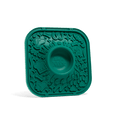
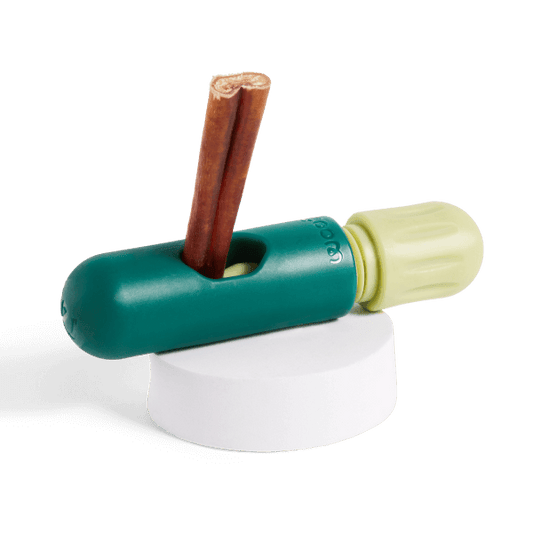
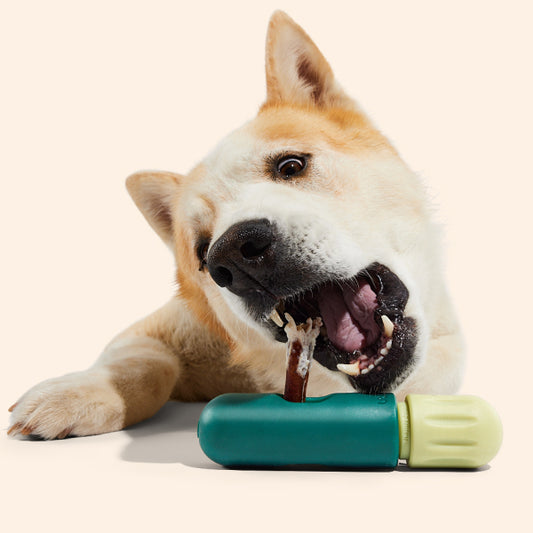
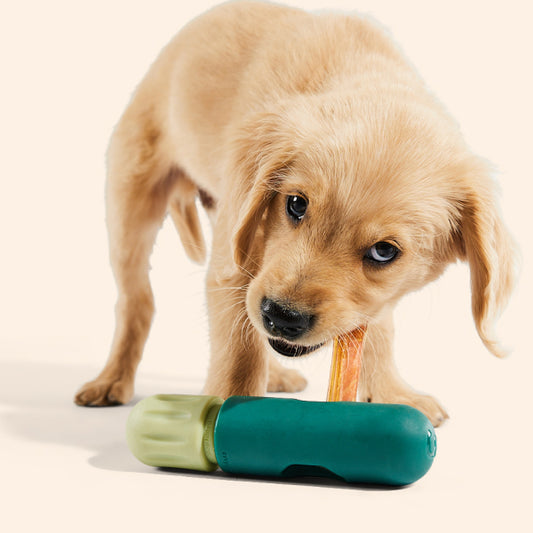
For dogs who need a longer distraction, enrichment can be a useful part of the routine. A lickable or food-stuffed activity gives your dog something appropriate to do with their mouth while the delivery moment passes. For example, The Pupsicle can help turn a predictable trigger window into a longer-lasting enrichment break, especially when you prepare it before the usual delivery time.
Reward The Quiet Moment Before The Bark
A common mistake is waiting until the dog is barking and then trying to interrupt it with treats. That can work in emergencies, but the real progress happens earlier. Reward your dog when they hear the truck and look at you. Reward when they glance out the window and stay soft. Reward when they go to their bed before they explode.
Keep rewards small and easy. You are not paying for silence forever. You are teaching your dog that delivery sounds predict calm, tasty, boring things instead of a full home-security performance.
If your dog is already barking, avoid yelling. To many dogs, yelling sounds like you are joining in. Instead, calmly guide them away from the trigger, use a practiced cue, and lower the intensity. That might mean moving to another room, closing a door, or using a prepared enrichment toy.
- Notice the earliest trigger, such as engine noise or footsteps.
- Say your cue once, like "place" or "find it."
- Move your dog away from the window or door.
- Reward calm behavior before the barking starts.
- Offer a calming activity if the delivery window tends to be long or exciting.
When Licking, Chewing, And Enrichment Can Help
Barking is active. Your dog is doing something with their body and brain. That is why replacing the behavior often works better than simply asking them to stop. Licking, sniffing, chewing, and food puzzles can give your dog a calmer job.
If your dog is most reactive during predictable times, set up an enrichment station before the delivery rush. A lick mat can be helpful because repetitive licking may encourage a slower, more settled rhythm for many dogs. FlipMat is a practical option for dogs who benefit from a lickable distraction or slow-feeding challenge while activity happens outside.
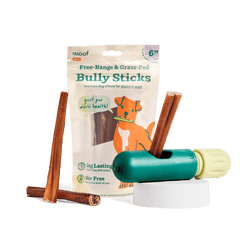
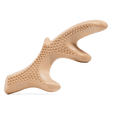
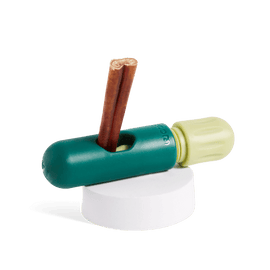
For power chewers, choose enrichment carefully and supervise. A dog who redirects big feelings into chewing may need durable, size-appropriate options and a calm setup away from windows. If your dog guards food, gulps treats, or gets frantic around chews, ask a qualified trainer for help creating a safer plan.
When To Ask For Extra Help
Some barking is normal. But if your dog seems panicked, cannot recover after the truck leaves, snaps at people, damages doors or windows, or reacts to every outdoor sound, it is time to get support. A veterinarian can help rule out pain, hearing changes, cognitive changes, or other health concerns. A certified positive-reinforcement trainer or qualified behavior professional can help you build a plan that fits your dog and home.
Also check with your vet if barking appears suddenly in a dog who was previously calm, especially if you notice appetite changes, sleep changes, confusion, excessive drooling, pacing, limping, or other behavior shifts.
Dog Parent FAQs
Does my dog think the delivery truck is dangerous?
Some dogs do. Others are excited, frustrated, or simply responding to a loud routine. Watch your dog's body language to understand whether the barking looks fearful, protective, playful, or overstimulated.
Will my dog grow out of barking at delivery trucks?
Some puppies become less reactive as they mature, but many dogs need guidance. Because the truck leaves after the barking, the habit can become stronger without training and management.
Should I let my dog look out the window?
It depends on your dog. Window watching is fine for some dogs, but for dogs who rehearse barking all day, blocking the view during busy times can help lower stress and reduce the habit.
Can treats make barking worse?
Treats are most helpful when given before the barking starts or when your dog chooses calmer behavior. If you only give treats after intense barking, your dog may not understand what behavior earned the reward.
The Bottom Line On Delivery-Truck Barking
Your dog is not trying to ruin your work call or scare the whole neighborhood. They are responding to a loud, exciting, suspicious pattern that happens right outside their home. With less rehearsal, better timing, calm rewards, and a replacement routine, many dogs can learn that delivery trucks are not their problem to solve.
Start small. Reward the first quiet glance. Make the window less exciting. Give your dog a better job to do. Over time, that daily delivery drama can become just another ordinary part of the day.


