






































































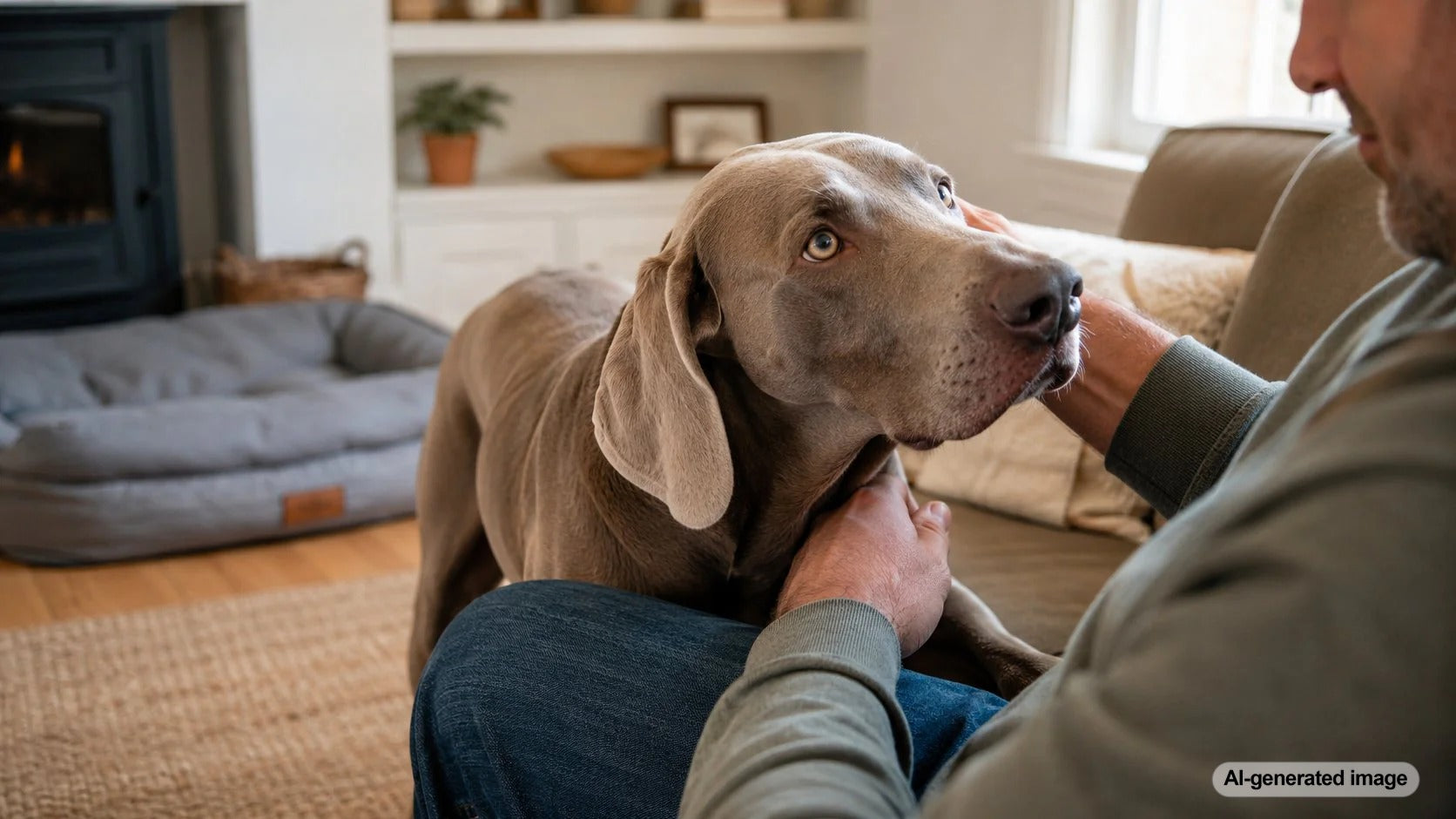
Some dogs love everyone, but still seem to have one person they follow from room to room, greet first at the door, or choose for couch cuddles. If you have ever wondered, "Why Do Dogs Prefer Certain People in the House?" the answer usually comes down to trust, routine, rewards, body language, and how safe that person makes the dog feel. It does not always mean the dog loves everyone else less. It often means one person has become the easiest, most predictable, or most rewarding part of the dog's day.
Dogs are excellent observers. They notice who fills the bowl, who takes them outside, who plays gently, who sneaks them snacks, who gives calm affection, and who makes them nervous without meaning to. Over time, those tiny daily patterns can shape a strong preference.
Quick answer
Dogs often prefer certain people in the house because that person consistently provides positive experiences. This can include feeding, walking, training, play, calm attention, enrichment, or simply a predictable presence. Personality matters too. A shy dog may prefer the quiet person. A high-energy dog may bond with the person who loves active play. A food-motivated dog may adore the person who handles training treats.
Dogs Bond Through Repeated Good Experiences
A dog's favorite person is often the one who creates the clearest pattern of good things happening. That does not have to be dramatic. It can be a five-minute morning walk, a calm greeting after work, a consistent bedtime routine, or a few rewards during training.
Positive reinforcement matters because dogs repeat behaviors that work for them. If sitting near one person leads to gentle petting, a walk, a treat, or a fun game, that person becomes valuable. If another person is unpredictable, overly loud, rough with handling, or only interacts when correcting the dog, the bond may feel weaker.
This is also why the "favorite" can change. If a new family member starts doing the evening walk, practicing reward-based training, or offering calm enrichment time, the dog may begin seeking that person out more often.
Routine Can Make One Person Feel Safer
Dogs love patterns. A predictable person can feel comforting because the dog knows what to expect. This is especially true for puppies, newly adopted dogs, senior dogs, and dogs who are nervous around fast movement or loud voices.
For example, a dog may prefer the person who wakes up at the same time every morning, uses the same leash routine, and speaks in a calm voice. Another dog may attach to the person who sits quietly on the sofa every night because that person feels safe, warm, and easy to understand.
Preference is not always about excitement. Sometimes the chosen person is simply the least confusing human in the house.
Body Language Plays a Bigger Role Than Many People Realize
Dogs pay close attention to posture, tone, movement, eye contact, and touch. A person who leans over a dog, stares directly, hugs tightly, or moves quickly may be trying to show love, but some dogs find that pressure uncomfortable.
On the other hand, a person who turns slightly sideways, lets the dog approach first, pets gently, and respects when the dog walks away may earn trust faster. This is especially common with rescue dogs or dogs who are still learning household rules.
Helpful tip: If your dog seems to favor someone else, do not force affection. Instead, become more predictable. Offer calm greetings, reward good choices, invite low-pressure play, and let your dog choose when to come closer.
Different Dogs Choose Different Kinds of People
A puppy may love the most playful person because that person makes life exciting. A senior dog may prefer the person who moves slowly and offers a quiet lap. A large, active dog may seek out the family member who plays fetch or goes on longer walks. A small or sensitive dog may choose the person who handles them gently and avoids overwhelming attention.
Breed tendencies can play a role, but they do not tell the whole story. Some breeds are naturally more people-focused, while others are more independent or selective. Even within the same breed, individual history, early socialization, daily routine, and personality can make two dogs choose completely different favorites.
Food, Treats, and Training Rewards Can Strengthen the Bond
Food is not the only reason dogs bond, but it is a powerful part of learning. The person who uses rewards well often becomes exciting and trustworthy because the dog understands what to do and gets paid for making good choices.
Short training sessions are a great way for every family member to build a better relationship with the dog. Keep them simple: name recognition, sit, touch, wait, recall, or settling on a mat. Reward quickly, stay upbeat, and stop before the dog gets bored.
For tiny reward moments, Love Nuggets can fit naturally into daily training because they are bite-sized treats made for rewarding good dogs. Use treats as part of a balanced routine, and adjust meals if you are giving lots of extras throughout the day.
Enrichment Can Help Spread the Love Around the Household
If one person is always the source of fun, everyone else may feel like background noise. One easy fix is to divide the good stuff. One person can do breakfast. Another can handle the evening walk. Someone else can set up a puzzle toy, lick mat, or chew session.
Enrichment is helpful because it gives dogs a satisfying job to do. Licking, sniffing, chewing, and problem-solving can help many dogs settle and feel more content. When different people become part of those routines, the dog has more reasons to connect with the whole family.
A tool like The Pupsicle can be part of that shared routine because it gives dogs a longer-lasting treat activity that keeps them busy and engaged. For best results, supervise enrichment time and choose treats and toys that match your dog's size, chewing style, and dietary needs.
How to Become One of Your Dog's Favorite People
- Use a calm, friendly voice instead of loud or sudden reactions.
- Let your dog approach you instead of crowding their space.
- Take over one consistent daily routine, like a walk or training session.
- Reward behaviors you like instead of only reacting to mistakes.
- Play in the way your dog enjoys, whether that is tug, fetch, sniffing, or gentle cuddles.
- Respect signs that your dog needs a break, such as turning away, lip licking, yawning, or leaving the room.
When Preference Looks Like a Problem
Most household favoritism is normal. It becomes more concerning when a dog panics away from one person, guards a favorite person, growls when others approach, becomes distressed when the favorite person leaves, or suddenly changes attachment patterns.
A sudden behavior change can sometimes be linked to pain, illness, fear, stress, or a major household shift. If your dog suddenly becomes clingy, withdrawn, aggressive, unusually anxious, or less tolerant of touch, check with your veterinarian. For serious fear, guarding, or separation-related distress, a qualified trainer or veterinary behavior professional can help you build a safe plan.
Dog Parent FAQs
Does my dog having a favorite person mean they do not love me?
No. Dogs can love multiple people while still choosing one person for certain activities, comfort, or routines. Preference is usually about patterns, not rejection.
Can I change who my dog prefers?
You can often improve your bond by becoming more consistent, rewarding, and respectful. Do not try to compete with the favorite person. Build your own positive routine with the dog.
Why does my dog follow one person everywhere?
Your dog may see that person as safe, predictable, fun, or rewarding. If following becomes frantic or your dog cannot relax when that person leaves, ask a veterinarian or qualified behavior professional for guidance.
Do dogs prefer the person who feeds them?
Sometimes, but not always. Feeding can build a bond, but dogs also respond to play, training, calm affection, walks, safety, and how each person makes them feel.
The Bottom Line on Your Dog's Favorite Human
Dogs choose favorite people for beautifully practical reasons. They remember who makes them feel safe, who understands their signals, who brings fun into the day, and who creates predictable moments of comfort. Instead of taking it personally, use it as useful feedback. With patience, calm interaction, and a few repeatable routines, every person in the house can become part of the dog's circle of trust.


