Dogs often rest their chin on you as a way to feel close, secure, and connected. It can look simple, but this small gesture usually carries a mix of affection, comfort seeking, and communication. Many dog owners notice it during quiet evenings, after walks, or when the dog is unsure about something in the environment.
This behavior is not just about affection, although that is a big part of it. Dogs use physical contact to gather information, regulate emotions, and stay close to their trusted person. Understanding the context helps you tell the difference between a relaxed bonding moment and a sign your dog may need reassurance.
Why dogs choose this behavior
There are a few common reasons dogs rest their chin on their person. In many cases it is a mix rather than a single cause. Dogs are social animals, and physical contact is one of their primary ways of maintaining connection.
Trust and bonding
When a dog rests its chin on you, it is often a sign of trust. They are choosing to be physically vulnerable while staying close. This is especially common in dogs that are strongly bonded with their owners or have a predictable daily routine that helps them feel safe.
Comfort and reassurance
Some dogs use this behavior when they are uncertain or slightly stressed. It may happen during thunderstorms, vet visits, or unfamiliar environments. The contact helps them feel grounded, almost like a steady anchor in a situation they are trying to process.
Attention seeking
Dogs quickly learn that resting their chin on you often gets a reaction. Even subtle responses like eye contact, talking, or petting reinforce the behavior. Over time, it can become a polite and very effective way of asking for attention or closeness.
How it changes depending on the dog
Puppies may show this behavior more often because they are still learning emotional regulation and rely heavily on physical closeness for security. Adult dogs tend to use it more selectively, usually during calm bonding moments or when they want reassurance. Senior dogs may return to it more frequently as they look for comfort and stability.
Personality also plays a big role. Social, people-oriented dogs often initiate chin resting more frequently, while more independent dogs may only do it during moments of stress or strong affection.
What owners often miss
One common misunderstanding is assuming this behavior always means affection. While it often does, it can also signal uncertainty or emotional need. Watching the full body language gives a clearer picture. Relaxed eyes, soft breathing, and loose muscles usually point to comfort and bonding.
If the dog is tense, scanning the room, or seems restless while resting their chin, they may be seeking reassurance rather than simply enjoying closeness.
How to respond in a helpful way
The best response depends on the situation. If your dog looks relaxed, calm petting or quiet presence is usually enough. If they seem uneasy, offering structure or redirecting their energy can help them settle.
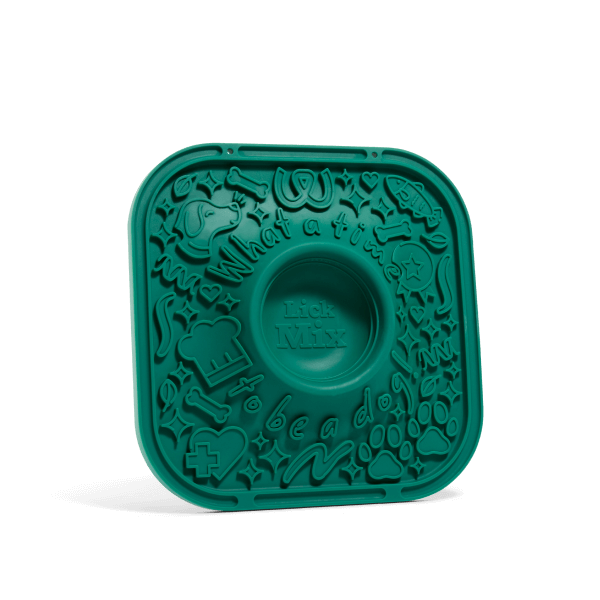
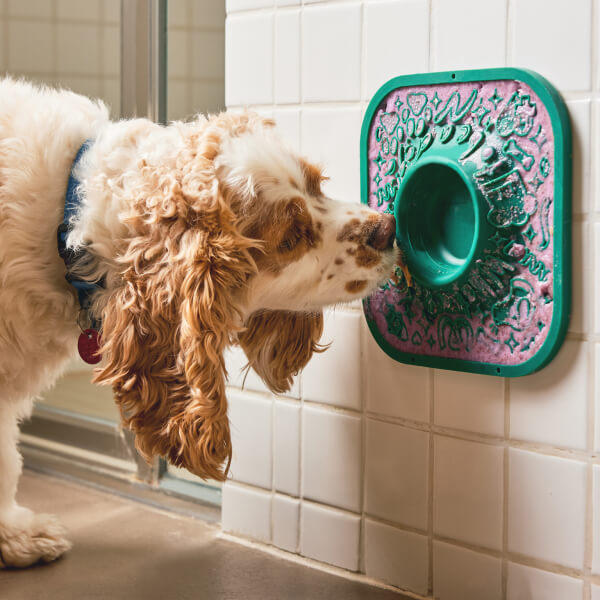
Enrichment routines can also support emotional balance. Licking and chewing behaviors naturally help many dogs self-soothe. For example, a structured licking session using The LickMat can give your dog a calming focus that replaces clingy or uncertain behavior with a soothing activity.
Some owners also build a simple routine where short training moments are followed by enrichment time. This helps dogs learn that calm behavior leads to predictable, rewarding outlets for their energy.
Helpful routine idea
Try pairing a few minutes of gentle obedience cues with a calming enrichment activity. This can help your dog transition from excitement or uncertainty into a more settled state without pressure or frustration.
When to pay closer attention
If chin resting becomes constant, unusually intense, or appears alongside other behavior changes like restlessness, appetite shifts, or withdrawal, it is worth observing more closely. Sudden behavioral changes can sometimes reflect discomfort, anxiety, or health-related concerns.
In those cases, consulting a veterinarian or qualified behavior professional can help rule out underlying issues and provide guidance tailored to your dog.
Dog Parent FAQs
Is it always a sign of affection?
Not always. It often reflects affection, but it can also indicate reassurance seeking or attention needs depending on the situation and body language.
Should I encourage this behavior?
Yes, as long as your dog is calm and comfortable. It can be a positive bonding behavior, but it should not replace healthy independence or enrichment activities.
What if my dog suddenly starts doing it more?
A sudden increase may mean your dog is feeling uncertain, stressed, or seeking more comfort. Look at recent changes in routine, environment, or health.