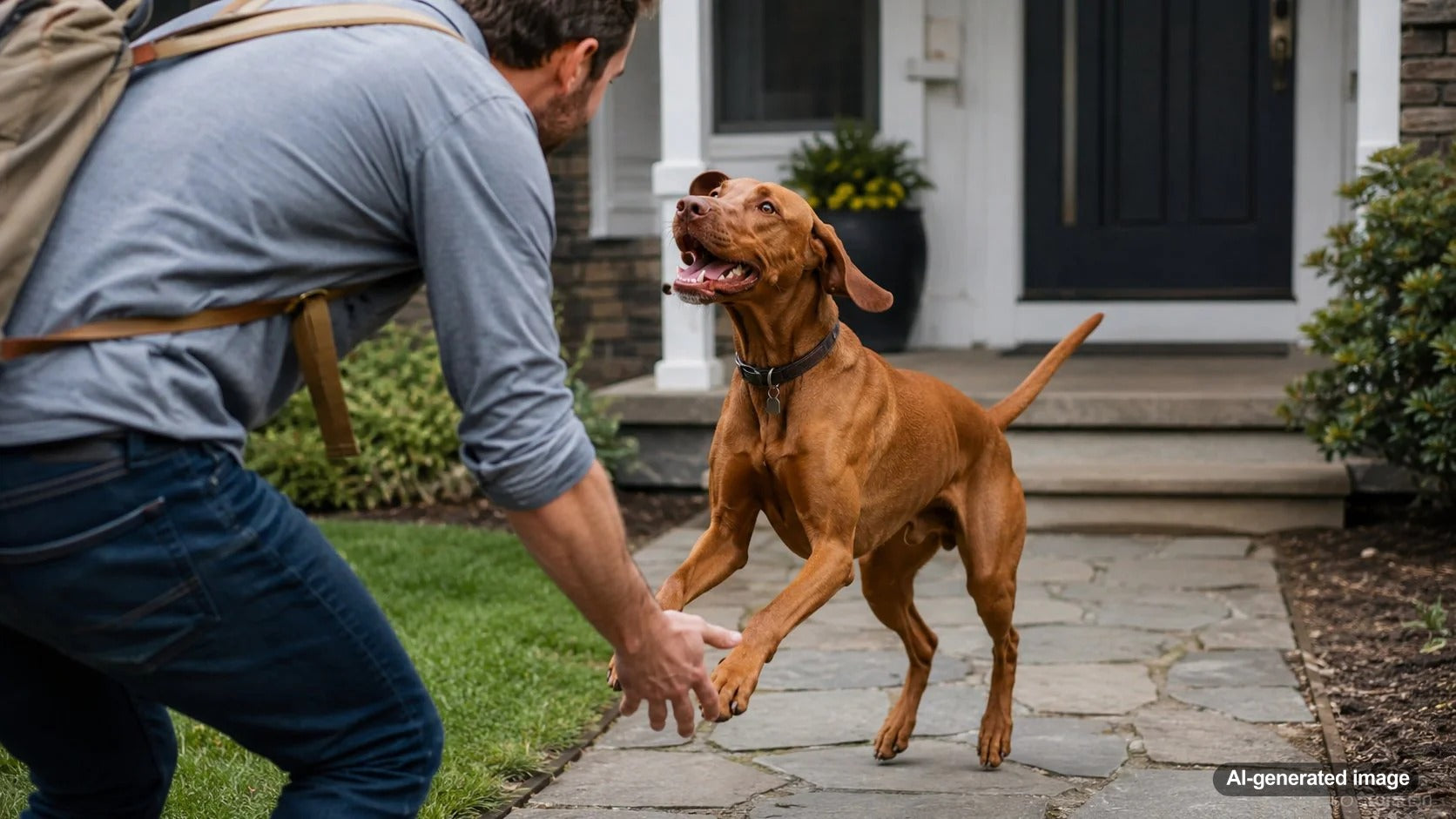
There is nothing quite like the tiny parade that starts the second your key hits the lock. Your dog may sprint to the door, wiggle from nose to tail, grab the nearest toy, bark like you have been gone for three years, or do full-body circles around your shoes. So, Why Do Dogs Get Excited When You Come Home? Most of the time, it is a joyful mix of attachment, routine, scent, anticipation, and the fact that you are one of the best parts of your dog's day.
That happy greeting is usually normal, especially when your dog settles within a few minutes. Still, some dogs tip from excited into overwhelmed, and that is where a little understanding can make homecomings calmer, safer, and easier on everyone.
Quick answer
Dogs get excited when you come home because your return brings comfort, social connection, familiar scent, attention, and often the start of something fun like dinner, a walk, playtime, or couch cuddles. Dogs are also excellent pattern-watchers, so they learn that door sounds, footsteps, car noises, and your voice mean their favorite person is back.
1. You are part of your dog's social world
Dogs are social animals, and many build strong emotional bonds with the people who care for them. When you leave, your dog does not understand your schedule the way a human does. They may learn the rhythm of your routine, but they are still waiting for the moment their person returns.
For some dogs, the reunion is a simple celebration: their safe person is home. That can look like tail wagging, soft eyes, loose body wiggles, happy sneezes, play bows, or bringing you a toy. For other dogs, especially puppies and highly sensitive pups, the feeling can be so big that they jump, mouth your sleeves, bark, or spin because they have not learned a calmer way to say hello yet.
2. Your return is packed with scent and information
Your dog experiences the world through their nose in a way humans cannot fully appreciate. When you walk in, you bring a whole day's worth of smells with you: the office, the grocery store, another dog you passed, rain on your shoes, lunch, grass, car seats, and the outdoors. To your dog, greeting you is partly affection and partly a full detective report.
This is why some dogs immediately sniff your legs, bags, shoes, or hands before they settle. They are not being nosy in the human sense. They are gathering information and reconnecting with you through the sense that matters most to them.
3. Homecomings often predict good things
Dogs are quick to notice patterns. If your arrival usually leads to dinner, a walk, a treat, a potty break, playtime, or attention, your dog may start celebrating before any of those things happen. The excitement is not just about the moment. It is also about what usually comes next.
That does not mean your dog only loves you for snacks. It means they are smart. If the door opens and life gets more interesting, your dog will naturally treat your return as a major event.
4. Some dogs are releasing built-up energy
A dog who has been resting, waiting, or feeling bored may have a lot of energy saved up by the time you get home. This can be especially true for young dogs, working breeds, high-drive dogs, and dogs who did not get much mental stimulation during the day. The greeting may come out as zoomies, barking, jumping, toy-shaking, or frantic licking.
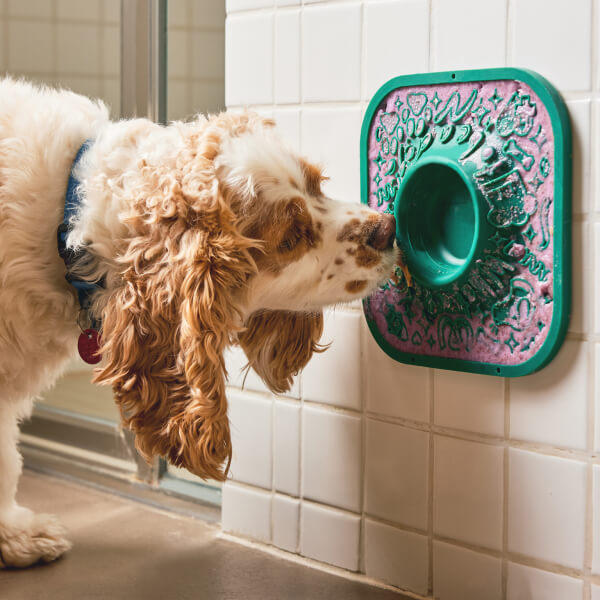
One helpful trick is to give that energy somewhere appropriate to go. After the first calm hello and potty break, a few minutes of enrichment can help your dog shift from "you are home!" to "I have something satisfying to do." For longer-lasting distraction, The Pupsicle can be a useful part of an after-work routine because it turns treat time into focused licking and play.
5. Excitement is normal, but distress is different
A happy greeting usually rises fast and fades fast. Your dog may wiggle, vocalize, sniff you, and then relax. Distress often looks more intense and may show up before you even return. Watch for patterns like destructive chewing near doors or windows, repeated accidents only when alone, drooling, pacing, nonstop barking, trembling, vomiting, or attempts to escape.
If your dog regularly seems panicked when alone or cannot settle after you come home, check in with your veterinarian or a qualified trainer or behavior professional. Big changes in greeting behavior can also matter. A senior dog who suddenly becomes clingy, a dog who starts limping after excited jumping, or a pup who seems confused when you return may need extra support.
Helpful tip: Try not to turn the doorway into a high-pressure event. Come in calmly, give your dog a moment to breathe, reward four paws on the floor, and save the big affection for when their body is a little softer and steadier.
How to make coming home calmer without hurting your dog's feelings
You do not have to ignore your dog or act cold to teach a better greeting. The goal is to help your dog practice a version of hello that feels good and safe. Start by keeping your own voice and movements low-key for the first minute. If your dog jumps, turn slightly, pause, and reward the instant their paws hit the floor. If they grab a toy, praise that choice because carrying something can be a great alternative to mouthing hands or sleeves.
For dogs who need a predictable routine, use the same sequence each day: enter calmly, potty break, water check, short cuddle, then a chew, lick mat, puzzle, or walk. Repetition helps dogs understand what happens next, which can lower frantic guessing.
Try this simple after-home routine:
- Take 30 to 60 quiet seconds at the door before enthusiastic play.
- Ask for an easy behavior your dog knows, like sit, touch, or find it.
- Reward calm feet with attention, not jumping with attention.
- Offer a safe enrichment activity after the potty break.
- Keep greetings extra gentle for puppies, seniors, small dogs, and dogs with joint concerns.
What if your dog gets mouthy, jumpy, or too wound up?
Over-the-top greetings are often a skill issue, not a bad-dog issue. Puppies may mouth because they explore with their mouths. Large dogs may jump because it has worked before. Power chewers may grab shoes or sleeves because chewing is their go-to outlet. Nervous dogs may bark because the excitement is mixed with stress.
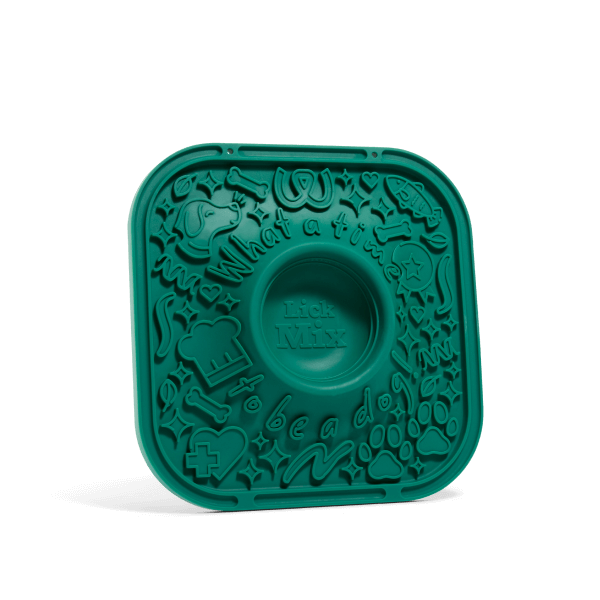
Set up the environment before you leave so your future self has help. Keep a favorite toy near the door, use baby gates if needed, and make sure fragile items are out of the landing zone. For dogs who calm through licking, The LickMat can support a slower, soothing transition after you get home, especially when paired with a dog-safe spread or mix that fits your dog's diet.
Dog Parent FAQs
Does my dog know how long I have been gone?
Dogs may not track time exactly like people do, but they can notice routines, scent changes, daylight, hunger cues, and household patterns. That is why some dogs seem to know when you are usually due home.
Should I ignore my dog when I come home?
You do not need to be harsh or cold. A calm, low-key greeting works better for many dogs. Wait for a softer body or four paws on the floor, then give attention.
Why does my dog bring me a toy when I walk in?
Bringing a toy can be a happy self-soothing habit, an invitation to play, or a polite way to channel excitement into something appropriate. It is usually a great behavior to encourage.
When is excitement a sign of separation anxiety?
Excitement alone does not mean separation anxiety. If your dog panics when alone, destroys exit points, drools heavily, has accidents, vocalizes for long periods, or cannot settle, talk with your veterinarian or a qualified behavior professional.
The bottom line on those happy hello wiggles
Your dog's excited greeting is usually a sweet reminder that you matter deeply in their world. They are reacting to your scent, your bond, your routine, and the possibility that something wonderful is about to happen. With calm practice and a predictable after-home routine, you can keep the joy while helping your dog greet you in a way that is safer, steadier, and easier to enjoy every single day.