






































































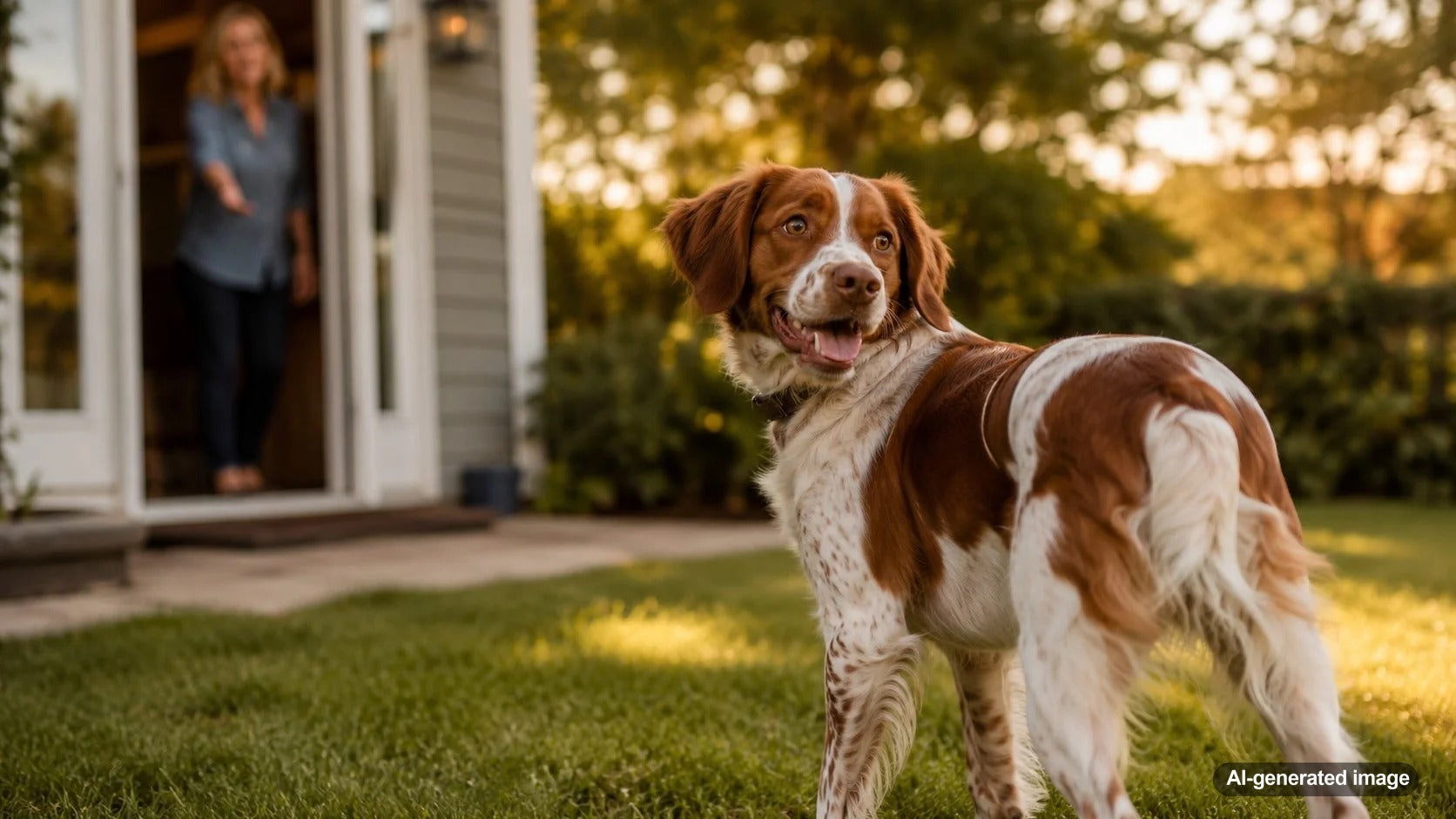
You call your dog, open the back door, shake the treat bag, and somehow your normally devoted companion becomes deeply invested in one mysterious patch of grass. A dog who refuses to come inside is not necessarily being stubborn or trying to challenge you. The outdoors may simply be more rewarding than the invitation you are offering, especially when coming inside usually means that sniffing, sunbathing, or squirrel patrol is over.
The immediate goal is to bring your dog inside safely without creating a chase or argument. The long-term goal is to teach your dog that responding to you leads to something worthwhile and does not always end the fun.
Why Your Dog Does Not Want to Come Inside
Dogs repeat behaviors that work for them. If ignoring you earns another five minutes of exploring, the delay itself becomes rewarding. Puppies may be captivated by every smell and movement, while energetic adult dogs may still have energy to burn. Independent breeds and dogs with strong hunting or guarding instincts can find outdoor activity especially difficult to leave.
Your dog may also have learned an accidental pattern. You call repeatedly, your dog keeps playing, and eventually you walk outside with a treat. From the dog's perspective, waiting made the reward appear. Other dogs hesitate because coming inside predicts something they dislike, such as being crated, having their paws wiped, taking medication, or being left alone.
Weather and comfort matter too. A thick-coated dog may prefer a cool yard to a warm house. A senior dog may move slowly because steps or slippery flooring are uncomfortable. If this behavior begins suddenly, especially with limping, stiffness, confusion, fear, appetite changes, or unusual reluctance to cross the doorway, contact your veterinarian.
What to Do in the Moment
Start by lowering the pressure. Repeating "come" louder and louder usually teaches a dog that the first several calls are optional. Say your dog's name and cue once in a bright, inviting voice. Turn slightly away, crouch if it is comfortable, or take a few quick steps toward the house to encourage your dog to follow.
Use a high-value reward that is reserved for difficult moments. Small, easy-to-eat training treats such as Love Nuggets can make returning to you more appealing without turning the doorway into a lengthy snack break. Reward your dog as soon as they reach you or cross the threshold.
If your dog still refuses, calmly attach a leash if you can do so safely. Do not corner, grab, scold, or chase your dog around the yard. Chasing can become a thrilling game, while punishment after your dog finally approaches can make future recalls less reliable.
Teach an Easy "Inside" Routine
Practice when you have nowhere to be and your dog is not fully absorbed in outdoor excitement. Begin only a few feet from the door. Say a consistent cue such as "inside," move through the doorway, and reward your dog immediately after they follow.
- Practice three to five repetitions at a time.
- Begin in a quiet yard with your dog on a leash.
- Reward at the doorway, not several minutes later.
- Gradually add distance and mild distractions.
- End the session while your dog is still successful.
Once your dog follows reliably, occasionally reward them and release them back into the yard. This is one of the most useful details owners miss. If "inside" always means outdoor time is finished, your dog has a strong reason to avoid it. A quick reward followed by "go play" teaches your dog that responding does not always close the door on the fun.
Make Indoors Worth Choosing
Coming inside becomes easier when an enjoyable routine is waiting. Try serving dinner, starting a short training game, offering a safe chew, or setting up enrichment after your dog enters. Keep the sequence predictable: come inside, receive a reward, settle into an appropriate activity.
For dogs who struggle to transition from an exciting yard to a quiet room, a prepared Pupsicle can provide a licking-based activity that encourages focused, independent engagement. It should support the routine rather than act as a bribe shown only after your dog has ignored several calls.
Also check whether your dog has had enough outdoor time. A young, high-energy dog taken outside only for a quick bathroom break may resist because important needs for sniffing, movement, and exploration have not been met. Adding a short sniff walk or supervised play session can reduce the conflict.
Common Mistakes That Weaken Recall
Do not use your recall cue only for unpleasant events. Call your dog at random times indoors, reward them, and let them return to what they were doing. Avoid calling when you know the distraction is currently too difficult. Walk closer, reduce the distance, or use your leash instead.
Never punish a dog for arriving slowly. From your dog's point of view, the correction happened after approaching you. Praise the eventual return, then make the next practice repetition easier.
Finally, avoid relying on visible food every time. It is fine to use a treat while building the behavior, but gradually shift from showing the treat first to rewarding after your dog responds. Continue using especially valuable rewards for difficult recalls.
When to Get Professional Help
Ask a qualified positive-reinforcement trainer for help if your dog runs away, guards areas of the yard, becomes fearful near the doorway, or regularly ignores you around intense distractions. A trainer can observe the complete pattern and help you practice at a level your dog can handle.
Contact your veterinarian when the refusal is sudden or accompanied by pain, stiffness, disorientation, unusual panting, weakness, changes in hearing or vision, or other major behavior changes. What looks like stubbornness can sometimes be discomfort or fear.
Dog Parent FAQs
Should I carry my dog inside?
Carrying may be practical for a small dog in an urgent situation, but it does not teach the desired behavior. Avoid lifting a dog who appears painful, frightened, or likely to struggle.
Why does my dog run away when I approach?
Your dog may expect the fun to end or may think you are beginning a chase game. Stop pursuing, turn away, move toward the house, and reward your dog for following.
Should I leave my dog outside until they are ready?
Only if the area is secure, conditions are safe, and you can supervise. Do not leave a dog outside during dangerous temperatures, severe weather, or situations involving escape risks.
How long does it take to teach a dog to come inside?
Some dogs improve after several short sessions, while others need weeks of consistent practice around gradually harder distractions. Progress depends on learning history, environment, temperament, and reward value.
A Better Ending to Outdoor Time
Your dog is more likely to come inside when the cue is clear, the reward is meaningful, and responding does not always make every enjoyable activity disappear. Manage the situation safely, practice before you need the behavior, and make the transition indoors rewarding. With repetition, the backyard standoff can become a simple, cooperative routine.


