






































































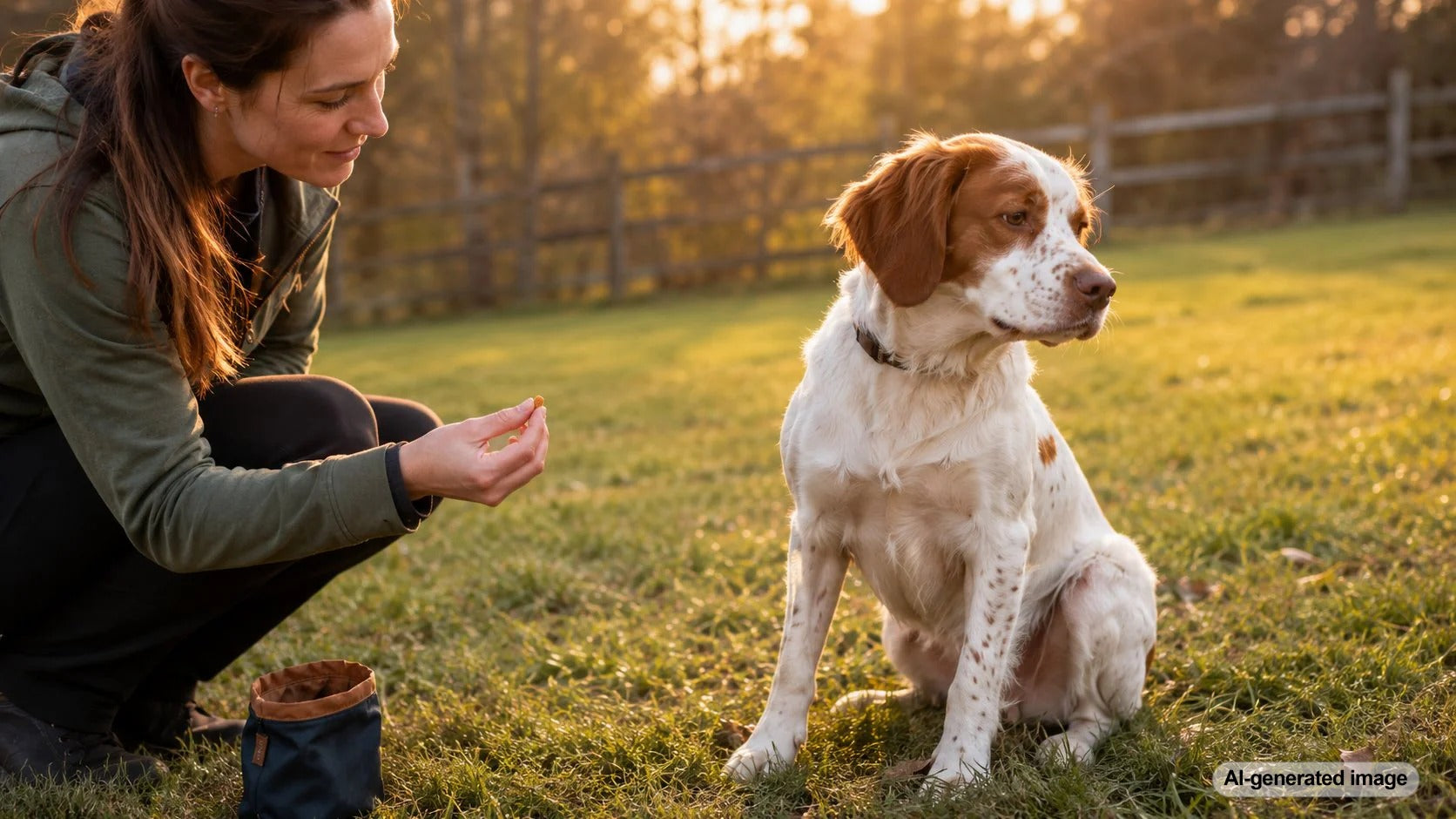
When your dog starts strong and then mentally checks out halfway through training, it can feel like you are doing something wrong. One minute they are sitting, staying, touching your hand, and watching you like a tiny genius. The next minute they are sniffing the floor, wandering away, staring at the window, or suddenly acting like they have never heard their name before. The fix is usually not to push harder. It is to make the session shorter, clearer, more rewarding, and better matched to your dog's energy in that moment.
Training interest drops for a lot of normal reasons: the session is too long, the reward is not exciting enough, the room is too distracting, your dog is tired, the skill is too difficult, or they simply need a reset. Instead of treating lost interest as stubbornness, think of it as information. Your dog is telling you the training plan needs a small adjustment.
Why Dogs Lose Interest During Training
Most dogs are not trying to be difficult when they disengage. They may be overworked, under-rewarded, confused, distracted, or mentally full. A young puppy might only have enough focus for a few clean repetitions. A senior dog may understand the cue but need more rest between tries. A high-energy dog may need movement before they can concentrate. A food-motivated dog may still lose interest if the treat is boring compared with the smells, sounds, or squirrels nearby.
Another common issue is repetition without purpose. If your dog has already done sit eight times in a row, the ninth rep may feel pointless to them. Dogs often stay more engaged when training feels like a game, not a drill. Mix in movement, sniffing breaks, praise, toy play, and a few easy wins so your dog does not feel trapped in a long lesson.
Stop Before the Session Falls Apart
One of the best training habits is ending while your dog still wants more. If you wait until your dog is bored, distracted, or frustrated, the last memory of the session may be a struggle. Instead, watch for early signs that their focus is fading.
- They start sniffing the floor more than usual.
- They take the treat slowly or spit it out.
- They look away after every cue.
- They offer random behaviors instead of the one you asked for.
- They walk off, scratch, yawn, or seem suddenly sleepy.
- They get jumpy, mouthy, barky, or frustrated.
When you notice those signs, do not try to force five more minutes. Ask for something simple, like a hand touch, sit, or name response. Reward warmly. Then stop. That way, training ends with success instead of a tug-of-war over attention.
Use Better Rewards, Not Bigger Pressure
If your dog loses interest, the reward may not be worth the effort. Dry biscuits can work in a quiet kitchen, but they may not compete with outdoor smells, guests in the house, or another dog nearby. For harder skills or distracting environments, use something your dog finds genuinely exciting.
Small, soft, easy-to-eat rewards are usually best because your dog can chew quickly and get back to learning. Woof's Love Nuggets can be a useful training reward because they are bite-sized and easy to deliver during quick repetitions. Keep the pieces small, reward the exact behavior you liked, and avoid turning the session into a full meal unless that fits your dog's daily feeding plan.
Reward value can also change by situation. A dog who loves chicken in the living room may prefer a quick game of tug in the yard. A sniffy dog may work beautifully for permission to go sniff. A social dog may care more about praise and a happy voice than food for easy cues. Pay attention to what your dog is actually choosing in that moment.
Make the Next Rep Easier
When dogs lose focus, many people accidentally make the cue harder by repeating it, leaning over the dog, or sounding more frustrated. A better move is to lower the difficulty. If your dog cannot hold a stay for 20 seconds today, go back to three seconds. If they cannot come when called across the yard, practice from six feet away. If they cannot focus near the front window, move to a quieter room.
Think of training like adjusting the volume. Distance, duration, distractions, and difficulty all turn the volume up. If your dog is struggling, turn one or more of those down. You are not going backward. You are creating a cleaner path for your dog to succeed.
Add Breaks That Still Support Learning
A break does not have to mean the whole routine is over. Some dogs do better with tiny training bursts separated by calm enrichment. For example, practice name response for two minutes, then let your dog lick, sniff, chew, or settle for a few minutes before trying again. This is especially helpful for puppies, adolescent dogs, power chewers, and dogs who get overstimulated quickly.
If your dog needs help transitioning out of training mode, The Pupsicle can be part of a post-training cooldown. A longer-lasting treat toy may help your dog settle after a short learning session, especially when you want training to feel rewarding without adding more drills. Always supervise treat toys and choose the right size and format for your dog.
Change the Game Before Your Dog Quits
If your dog is fading, switch to a different style of learning. A dog who is bored with sit-stay may perk up for a find-it game. A dog who is struggling with leash manners may need a short hand-target game to reconnect with you. A dog who keeps jumping may need a simple scatter of treats on the floor to lower arousal before trying again.
Here are a few easy resets:
Use a treat toss. Say your dog's marker word, toss a treat a few feet away, then reward them for coming back to you. This adds movement and keeps the session playful.
Switch to an easy cue. Ask for something your dog knows well so they can feel successful again.
Let them sniff. A short sniff break can lower pressure and help some dogs return with better focus.
Move locations. If the kitchen is too exciting at dinner time, train in a hallway or bedroom instead.
Common Mistakes That Make Dogs Tune Out
One common mistake is training for too long because the first few minutes went well. Another is practicing only when the dog is already tired, hungry, overexcited, or distracted. Some owners repeat cues over and over without rewarding quickly enough, which teaches the dog that the cue is background noise. Others raise the difficulty too fast, such as asking for a long stay in a busy park before the dog can do it calmly at home.
It is also easy to confuse lack of interest with a behavior problem. If your dog suddenly stops wanting treats, avoids movement, seems painful, has appetite changes, vomits, has diarrhea, drools excessively, limps, or shows a major behavior change, check with your veterinarian. If your dog becomes fearful, reactive, or hard to manage, a qualified positive-reinforcement trainer or veterinary behavior professional can help you create a safer plan.
A Simple Reset Plan for Tomorrow's Training
For your next session, set a timer for three to five minutes. Choose one skill, one quiet location, and one reward your dog really likes. Start with an easy version of the behavior. Reward quickly. After a few good repetitions, take a break before your dog loses interest.
Then write down what worked. Was your dog more focused before dinner or after a walk? Did they prefer soft treats, toy play, praise, or sniff breaks? Did they do better in the living room than the backyard? These small notes help you stop guessing and start building a routine that fits your actual dog.
Dog Parent FAQs
Is my dog being stubborn when they lose interest?
Usually, no. Lost interest often means the session is too long, too hard, too distracting, or not rewarding enough. Try making the next repetition easier and ending on a success.
How long should a dog training session be?
Many dogs do best with short sessions of just a few minutes, especially puppies and easily distracted dogs. Several short sessions across the day are often more productive than one long session.
What should I do if my dog stops taking treats?
Pause and look at the situation. Your dog may be full, stressed, tired, distracted, or not feeling well. If refusing food is unusual or comes with other symptoms, contact your veterinarian.
Should I keep training if my dog walks away?
It is usually better to stop, reset, and try later. Ask for one easy behavior if you can, reward it, and end calmly. Next time, shorten the session and lower the difficulty.
The Takeaway: Keep Training Short, Fun, and Worth It
When your dog loses interest halfway through training, it is not a failure. It is feedback. Shorten the session, improve the reward, make the skill easier, add breaks, and end before your dog checks out. The more training feels clear, fun, and rewarding, the more your dog will want to keep playing the learning game with you.


